Legislative Activity
Track Raja's sponsored bills, co-sponsored legislation, and voting record
This Act prohibits the air transport of adult roosters, with an exemption for legitimate commercial agricultural purposes, to enhance aviation safety and combat illegal fighting operations.
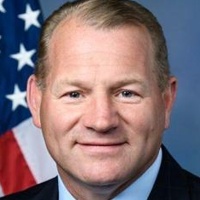
Troy Nehls
Representative
TX
Troy Nehls
Representative
TX
The No Flight, No Fight Act of 2026 restricts the air transportation of adult roosters to enhance aviation safety and combat illegal activities like cockfighting. The bill prohibits air carriers from knowingly transporting adult roosters as cargo, with an exemption for shipments related to certified commercial farms for legitimate agricultural purposes. Enforcement authority rests with the Secretary of Transportation, and violations are subject to civil penalties.
This resolution supports the goals of National Black HIV/AIDS Awareness Day by encouraging testing, commending service organizations, and advocating for strategies to reduce HIV disparities in Black communities.
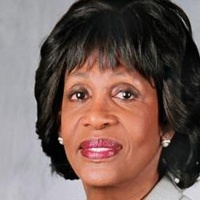
Maxine Waters
Representative
CA
Maxine Waters
Representative
CA
This resolution supports the goals of National Black HIV/AIDS Awareness Day by recognizing the disproportionate impact of HIV on Black Americans. It encourages testing, commends organizations providing culturally competent care, and supports the implementation of the National HIV/AIDS Strategy to reduce disparities. The bill also calls for prioritizing funding for minority-led agencies and addressing systemic barriers to care.
This bill permanently authorizes an emergency grant program to fund safety and security improvements for public housing agencies.

Dan Goldman
Representative
NY
Dan Goldman
Representative
NY
This bill permanently authorizes an emergency safety and security grant program for public housing agencies. The program provides dedicated federal funding to improve security measures, such as cameras and lighting, and address critical health and safety needs like fire and temperature control. Public housing agencies can apply for grants to purchase, install, or repair these essential safety improvements.
This bill expands the authority, modifies the structure, and clarifies the functions of the Federal Acquisition Security Council to enhance the security of government procurement against risks posed by foreign adversaries.
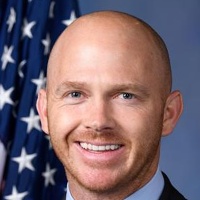
William Timmons
Representative
SC
William Timmons
Representative
SC
This bill significantly reforms the Federal Acquisition Security Council (FASC) by expanding its authority and moving it to the Executive Office of the President. It establishes new definitions and processes for addressing national security risks posed by certain suppliers, allowing the Council to issue binding "recommended" and "designated" exclusion orders against sources of concern. The legislation also creates a dedicated Program Office to support the Council's expanded functions in securing the federal supply chain.
This bill mandates a Congressional Budget Office study on the long-term economic and societal impacts of immigration policies implemented starting in 2025.
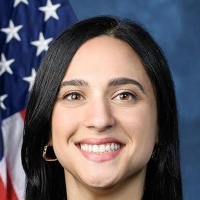
Yassamin Ansari
Representative
AZ
Yassamin Ansari
Representative
AZ
This act mandates the Congressional Budget Office, in collaboration with the Council of Economic Advisers, to conduct a comprehensive study on the long-term economic impacts of potential mass deportation policies enacted after January 20, 2025. The study will analyze effects on industries, public safety, GDP, tax revenue, and more over a 20 to 40-year period. Relevant federal agencies are required to provide necessary data to complete this analysis.
This bill reauthorizes and expands federal funding and services for victims of family and dating violence while strengthening prevention efforts, especially for Tribal and underserved communities.
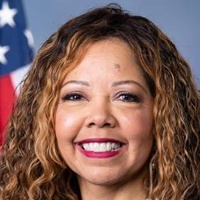
Lucy McBath
Representative
GA
Lucy McBath
Representative
GA
The Family Violence Prevention and Services Improvement Act of 2026 reauthorizes and expands critical federal programs to improve services and prevention for victims of domestic and dating violence through 2031. It significantly increases funding and broadens support, especially for Tribal communities and underserved populations, by allowing for culturally specific and digital services. Additionally, the bill enhances efforts to prevent teen dating violence through increased funding for broader educational programs.
This resolution condemns federal workforce reductions at FEMA that threaten national preparedness, response, and recovery capabilities, and expresses concern over proposed future staffing cuts.
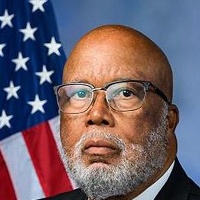
Bennie Thompson
Representative
MS
Bennie Thompson
Representative
MS
This resolution condemns current and proposed staffing cuts at the Federal Emergency Management Agency (FEMA), arguing they undermine national preparedness and disaster response capabilities. It highlights that workforce reductions endanger the ability to effectively manage increasingly severe disasters and critical counterterrorism programs. The bill expresses concern that these cuts compromise institutional knowledge and slow vital assistance to communities recovering from events like recent hurricanes. Ultimately, it commits Congress to supporting a stable and adequately resourced FEMA workforce.
The Whale CHARTS Act of 2026 expands federal efforts to map, monitor, and mitigate risks to migratory whales and other large cetaceans through new data collection, technology grants, and near real-time tracking programs.
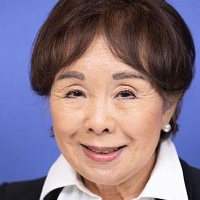
Doris Matsui
Representative
CA
Doris Matsui
Representative
CA
The Whale CHARTS Act of 2026 expands federal efforts to protect migratory whales and other large cetaceans. This legislation mandates the creation of high-accuracy distribution maps for whale habitats and funds research into understudied species. It also establishes a competitive grant program to develop and deploy technologies that reduce harmful interactions between whales and ocean users, such as vessel strikes.
This bill establishes mandatory minimum humanitarian standards for health screening, water, sanitation, food, and shelter for all individuals in ICE and CBP custody.
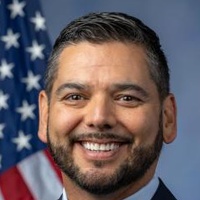
Raul Ruiz
Representative
CA
Raul Ruiz
Representative
CA
The Humanitarian Standards for Individuals in ICE and CBP Custody Act establishes minimum standards for health screening, nutrition, sanitation, and shelter for individuals detained by ICE and CBP. This bill mandates specific protocols for medical care, facility conditions, and personnel training to ensure humane treatment. It also requires regular inspections and public reporting on compliance and sexual abuse complaints.
This act establishes uniform procedures to prevent the loss, destruction, or expiration of residual supplies from U.S. foreign aid projects.
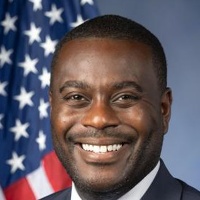
Gabe Amo
Representative
RI
Gabe Amo
Representative
RI
This bill, the SUPPLIES Act, mandates the Department of State and USAID to establish and publish clear procedures for managing leftover supplies when foreign aid projects conclude. The primary goal is to prevent the loss, destruction, or expiration of these unused commodities. These new guidelines must prioritize the proper disposition of residual supplies.
This bill seeks to disapprove and nullify the Department of Veterans Affairs' final rule regarding "Reproductive Health Services."
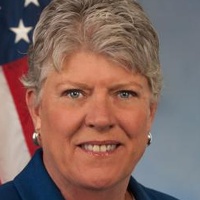
Julia Brownley
Representative
CA
Julia Brownley
Representative
CA
This resolution seeks to disapprove the Department of Veterans Affairs' final rule concerning "Reproductive Health Services" issued in September 2024. If enacted, this disapproval, made under the Congressional Review Act, would prevent the VA rule from taking legal effect.
The Language Access for All Act of 2026 mandates that federal agencies implement comprehensive language assistance services, including translation and interpretation, to ensure meaningful access for individuals with limited English proficiency.
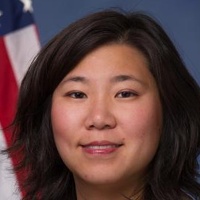
Grace Meng
Representative
NY
Grace Meng
Representative
NY
The Language Access for All Act of 2026 mandates that federal agencies provide meaningful access to programs and services for individuals with limited English proficiency. The bill requires agencies to implement comprehensive language access plans, establish technical standards for translation and interpretation, and appoint dedicated coordinators to ensure compliance. Additionally, it creates a public complaint system and sets strict guidelines for the use of AI in language services to ensure accuracy and accountability.
This resolution commemorates the Dalai Lama's 90th birthday as a "Day of Compassion" while reaffirming U.S. support for Tibetan human rights, religious freedom, and the Tibetan people's right to choose their own religious leaders without interference from China.
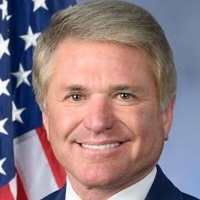
Michael McCaul
Representative
TX
Michael McCaul
Representative
TX
This resolution commemorates the 90th birthday of the Dalai Lama by designating July 6, 2025, as a "Day of Compassion." It strongly reaffirms U.S. support for the human rights, religious freedom, and cultural preservation of the Tibetan people. Furthermore, the resolution asserts that the selection of the next Dalai Lama is solely the right of the Tibetan Buddhist community, rejecting any interference by the People's Republic of China.
This bill automatically appropriates funds to ensure federal employees and essential contractors receive their regular pay during a government shutdown.
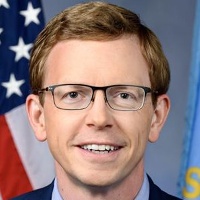
Dusty Johnson
Representative
SD
Dusty Johnson
Representative
SD
The Shutdown Fairness Act automatically appropriates necessary funds to ensure federal employees and essential contractors receive their regular pay during a government shutdown. This legislation mandates timely payment for covered personnel, regardless of whether they were deemed "excepted" or furloughed. The funds are charged against the agency's subsequent regular appropriations once they are enacted.
This bill establishes a comprehensive, department-wide use of force policy for DHS law enforcement, mandates regular public reporting of use of force data, and requires enhanced training and oversight.
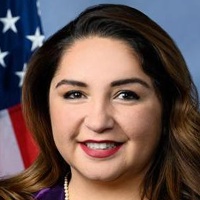
Delia Ramirez
Representative
IL
Delia Ramirez
Representative
IL
The DHS Use of Force Oversight Act establishes a comprehensive, department-wide policy for the use of force by all DHS law enforcement personnel. This policy mandates de-escalation as the preferred approach, prohibits chokeholds, and requires extensive training. Furthermore, the bill mandates regular public reporting of use-of-force data and requires timely briefings to Congress following serious incidents.
This resolution honors the 97th anniversary of Dr. Martin Luther King, Jr.’s birth by reaffirming his legacy of equality, condemning hate, and promoting tolerance and civil discourse.
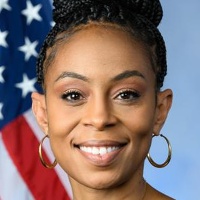
Shontel Brown
Representative
OH
Shontel Brown
Representative
OH
This resolution honors the 97th anniversary of the birth of Reverend Dr. Martin Luther King, Jr. by celebrating his legacy of equality, diversity, and civil discourse. It reaffirms a national commitment to his values of justice and tolerance while explicitly condemning all forms of hate, discrimination, and prejudice.
This bill establishes a Department of Justice Task Force to combat anti-Sikh hate and discrimination through definition, education, and reporting.
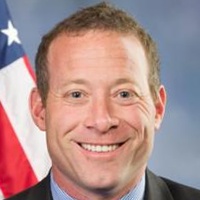
Josh Gottheimer
Representative
NJ
Josh Gottheimer
Representative
NJ
The Sikh American Anti-Discrimination Act of 2026 establishes a Department of Justice Task Force dedicated to combating anti-Sikh hate and discrimination. This Task Force is charged with formally defining anti-Sikh hate, developing educational programs for law enforcement and schools, and collaborating with the Sikh community. The bill mandates annual reporting to Congress on hate crimes, legal actions, and ongoing threats against Sikhs.
This bill establishes a new charitable tax deduction for property use donated to qualified community learning centers for afterschool programs.
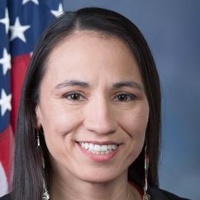
Sharice Davids
Representative
KS
Sharice Davids
Representative
KS
The Afterschool ACCESS Act creates a new federal tax deduction for property owners who donate the free use of their property or vehicles to qualified community learning centers. This deduction specifically covers the use of real property for educational purposes or vehicles used for student transportation. The goal is to encourage support for afterschool programs by providing a financial incentive for property donations.
This resolution demands the President and Secretary of State provide the House with documents detailing the Administration's stance, policies, and related communications concerning U.S. interest in Greenland.
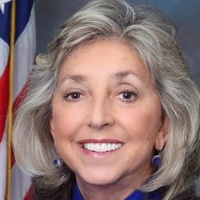
Dina Titus
Representative
NV
Dina Titus
Representative
NV
This resolution is an official inquiry demanding the President and Secretary of State provide the House of Representatives with specific documents regarding the Administration's stance on Greenland. It specifically seeks records concerning U.S. ownership plans, policy toward Danish sovereignty, and security assessments related to the U.S.-Denmark defense agreement. The bill also requires documentation of all related communications between U.S. officials and private citizens, Danish/Greenlandic authorities, or NATO allies.
This bill impeaches Secretary of Homeland Security Kristi Lynn Arnold Noem for high crimes and misdemeanors, citing willful refusal to comply with oversight law, violating the Impoundment Control Act, directing unlawful ICE misconduct, and misusing federal funds for personal gain.
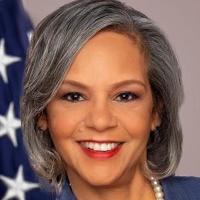
Robin Kelly
Representative
IL
Robin Kelly
Representative
IL
This resolution initiates impeachment proceedings against Secretary of Homeland Security Kristi Lynn Arnold Noem for high crimes and misdemeanors. The articles of impeachment charge her with willfully refusing to comply with Congressional oversight laws and violating the Impoundment Control Act by improperly withholding funds. Further articles allege she directed widespread misconduct by ICE agents that violated federal law and constitutional rights, and misused taxpayer funds for personal gain through improper contracting.