Legislative Activity
Track Robin's sponsored bills, co-sponsored legislation, and voting record
This resolution demands the President and Secretary of State provide the House with documents detailing the Administration's stance, policies, and related communications concerning U.S. interest in Greenland.
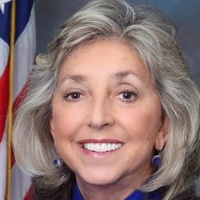
Dina Titus
Representative
NV
Dina Titus
Representative
NV
This resolution is an official inquiry demanding the President and Secretary of State provide the House of Representatives with specific documents regarding the Administration's stance on Greenland. It specifically seeks records concerning U.S. ownership plans, policy toward Danish sovereignty, and security assessments related to the U.S.-Denmark defense agreement. The bill also requires documentation of all related communications between U.S. officials and private citizens, Danish/Greenlandic authorities, or NATO allies.
This act eliminates qualified immunity as a defense for law enforcement officers in civil lawsuits alleging constitutional rights violations and establishes a right to sue federal officers for such violations.

Ayanna Pressley
Representative
MA
Ayanna Pressley
Representative
MA
The Qualified Immunity Abolition Act of 2026 eliminates qualified immunity as a defense for law enforcement officers in civil lawsuits alleging constitutional rights violations. This means officers can no longer claim good faith or lack of clearly established law to avoid liability. The Act also establishes a new civil cause of action allowing citizens to sue federal law enforcement officers for constitutional violations.
This bill modifies deposits into the Crime Victims Fund by excluding certain False Claims Act recoveries and mandates an Inspector General audit of the Fund's sustainability.
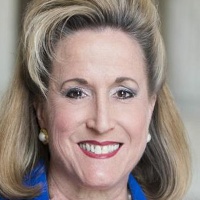
Ann Wagner
Representative
MO
Ann Wagner
Representative
MO
This bill amends the Victims of Crime Act of 1984 to temporarily exclude certain False Claims Act recoveries from being deposited into the Crime Victims Fund through fiscal year 2029. It also mandates a comprehensive audit by the Department of Justice Inspector General on the Fund's sustainability and the impact of recent legislative changes. The resulting report will provide recommendations for improving the Fund's effectiveness and oversight.
This resolution recognizes the 15th anniversary of the 2011 Tucson shooting, honoring the victims, survivors, and the ongoing advocacy of Gabby Giffords.
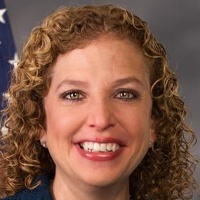
Debbie Wasserman Schultz
Representative
FL
Debbie Wasserman Schultz
Representative
FL
This resolution commemorates the 15th anniversary of the tragic January 8, 2011, Tucson shooting, honoring the six lives lost and the thirteen injured. It specifically commends the courage and ongoing advocacy of gun violence survivor and former Congresswoman Gabby Giffords. The resolution also recognizes the resilience of the community and reaffirms a commitment to ending political violence.
This bill establishes mandatory sentencing enhancements for individuals convicted of violent insurrection who have a prior conviction for a similar act.
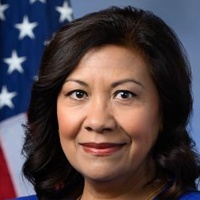
Norma Torres
Representative
CA
Norma Torres
Representative
CA
The Violent Insurrection Recidivist Enhancement Act of 2026 establishes mandatory, enhanced prison sentences for individuals convicted of a "Violent Insurrection" who have a prior conviction for similar conduct. This legislation defines specific criteria for what constitutes a Violent Insurrection, often involving unlawful entry onto federal grounds and acts of violence or obstruction related to election proceedings. The bill aims to deter future attacks on democratic institutions by imposing significantly longer sentences, including potential life imprisonment for repeat offenders involved in a pattern of anti-democratic conduct.
This Act mandates recurring public reports detailing the criminal activity and law enforcement encounters of individuals pardoned for offenses related to the January 6th Capitol events.
Norma Torres
Representative
CA
Norma Torres
Representative
CA
This act establishes the "January 6th Truth and Transparency Act" to monitor individuals pardoned for offenses related to the January 6th Capitol events. It mandates recurring public reports detailing any subsequent arrests, charges, or law enforcement encounters involving these individuals. These reports will be compiled by the Congressional Research Service and submitted to key congressional committees.
This bill establishes a federally funded oral history project at the Library of Congress to collect and preserve personal accounts of the events of January 6, 2021.
Norma Torres
Representative
CA
Norma Torres
Representative
CA
This bill establishes the January 6th Oral History Project, directing the Librarian of Congress to collect video and audio recordings of personal histories from those who participated in or observed the events at the U.S. Capitol on January 6, 2021. The project will be administered through the American Folklife Center, ensuring the collected testimonials are preserved and made accessible to the public. The Act also authorizes appropriations and allows the Library to accept private donations to support the program.
This act prohibits states from imposing new liens on Medicaid recipients' homes or recovering correctly paid Medicaid benefits from their estates.

Janice Schakowsky
Representative
IL
Janice Schakowsky
Representative
IL
The Stop Unfair Medicaid Recoveries Act prohibits states from imposing new liens on an individual's home for Medicaid benefits already paid. This legislation also stops states from initiating or continuing efforts to recover the costs of correctly paid Medicaid benefits from an individual's estate. Furthermore, existing liens related to these recoveries must be withdrawn shortly after the law is enacted.
This bill expresses support for designating a week in September as "National Hispanic-Serving Institutions Week" to recognize their achievements and goals.
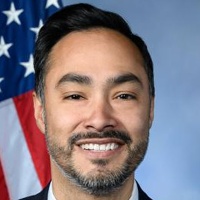
Joaquin Castro
Representative
TX
Joaquin Castro
Representative
TX
This bill officially designates the week of September 15 through September 21, 2024, as "National Hispanic-Serving Institutions Week." It recognizes the significant achievements and goals of these vital institutions across the nation. The resolution encourages public observance with appropriate activities to demonstrate support for Hispanic-Serving Institutions during Hispanic Heritage Month.
This resolution recognizes the 2025 National Blue Ribbon Schools selected before the program's discontinuation and calls for its immediate reinstatement.
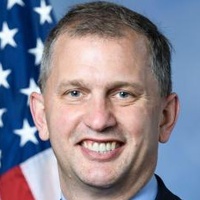
Sean Casten
Representative
IL
Sean Casten
Representative
IL
This resolution officially recognizes and celebrates the schools selected as 2025 National Blue Ribbon Schools before the program was discontinued. It commends the educators and communities of these exemplary schools for their achievements. Furthermore, the resolution calls upon the Secretary of Education to immediately reinstate the vital Blue Ribbon Schools program.
This bill imposes comprehensive sanctions on Russia for its war against Ukraine while permanently extending the U.S. sanctions authority against Iran.
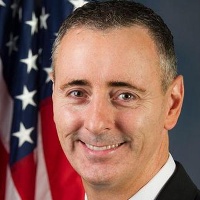
Brian Fitzpatrick
Representative
PA
Brian Fitzpatrick
Representative
PA
The Peace Through Strength Against Russia Act of 2025 imposes comprehensive sanctions on Russia's financial, military, and energy sectors in response to its war against Ukraine. This legislation cuts off major Russian banks from the U.S. financial system and bans new American investment in Russia. Additionally, the bill makes the existing sanctions authority against Iran permanent by removing its expiration date.
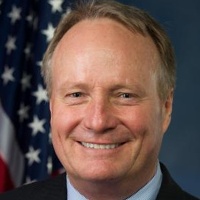
This bill amends the Port Infrastructure Development Program to mandate equitable geographic distribution of project funding across all US regions.
David Joyce
Representative
OH
David Joyce
Representative
OH
The Securing Smart Investments in our Ports Act aims to ensure federal port infrastructure funding is distributed fairly across the nation. This legislation amends the Port Infrastructure Development Program to mandate equitable geographic distribution when awarding grants for port projects, including those benefiting small ports.
This bill restricts immigration enforcement authority to federal officials, rescinding the ability of state and local entities to inquire about or apprehend individuals for immigration violations.

Mike Quigley
Representative
IL
Mike Quigley
Representative
IL
The PROTECT Immigration Act of 2025 aims to centralize immigration enforcement exclusively with federal officials. This legislation amends existing law to restrict state and local entities from inquiring about, apprehending, or detaining individuals based on immigration status, with only three specific statutory exceptions. Essentially, it removes the authority granted under Section 287(g) from non-federal personnel.
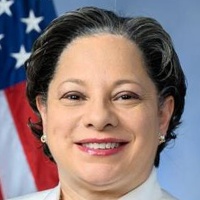
This resolution reaffirms the U.S. commitment to leading global efforts to eliminate new pediatric HIV infections and expand treatment for children and women affected by the epidemic.
Jennifer McClellan
Representative
VA
Jennifer McClellan
Representative
VA
This resolution reaffirms the United States' commitment to ending pediatric HIV/AIDS globally by supporting critical prevention and treatment efforts. It emphasizes the need to close gaps in care, particularly for women and children in high-burden areas, and supports expanding access to testing, antiretroviral therapy, and new prevention methods. The bill specifically encourages continued U.S. leadership through initiatives like PEPFAR to achieve the goal of eliminating new pediatric HIV infections by 2030.
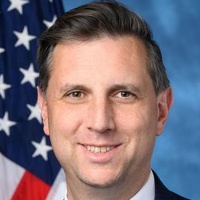
This act restricts senior government officials and their families from owning or trading specific investments, requiring divestment of existing holdings to restore public trust.
Seth Magaziner
Representative
RI
Seth Magaziner
Representative
RI
The Restore Trust in Government Act establishes strict new federal restrictions on senior government officials and their immediate families regarding the ownership and trading of specific financial investments. Covered individuals must divest existing investments that fall under the law's definition within a set timeframe, with limited exceptions. Violators face significant financial penalties, including a 10% fee on the investment value and disgorgement of any profits earned from prohibited transactions.
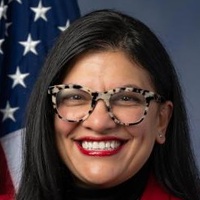
This bill officially recognizes Middle Eastern and North African (MENA) individuals as a racial and ethnic minority group under the Public Health Service Act and mandates a comprehensive study of MENA population health disparities.
Rashida Tlaib
Representative
MI
Rashida Tlaib
Representative
MI
This bill officially recognizes Middle Eastern and North African (MENA) individuals as a distinct racial and ethnic minority group within federal health law. It directs the Secretary of Health and Human Services to conduct a comprehensive study on the unique health disparities affecting the MENA population. The legislation aims to ensure MENA individuals are included in federal health policies and resource allocation, addressing historical exclusion.
This Act shifts control of certain munitions exports from the Commerce Department to the State Department and establishes new strategies and reporting requirements to combat illegal U.S. firearm trafficking to Mexico, Central America, and the Caribbean.
Joaquin Castro
Representative
TX
Joaquin Castro
Representative
TX
The Americas Regional Monitoring of Arms Sales (ARMAS) Act of 2025 seeks to combat illegal firearms trafficking to Mexico, Central America, and the Caribbean. It transfers regulatory control of certain munitions exports from the Department of Commerce back to the Department of State. The bill also mandates comprehensive reporting, strategy development, and increased tracking of U.S. firearm exports to designated "covered countries."
The Essential Caregivers Act of 2025 guarantees nursing home and long-term care residents the right to designate an essential caregiver who maintains access to them even during public health emergencies.

Claudia Tenney
Representative
NY
Claudia Tenney
Representative
NY
The Essential Caregivers Act of 2025 protects the rights of residents in long-term care facilities to designate an essential caregiver who can provide support and companionship. This legislation ensures that these caregivers maintain in-person access to residents even during public health emergencies when general visitation is restricted. By establishing clear protocols and an appeals process, the bill aims to prevent the harmful effects of isolation and ensure residents continue to receive vital care and advocacy.
This bill establishes a Diversity and Inclusion Administrator, requires apprenticeship programs to submit plans to increase African American participation, and authorizes grants to expand diversity in registered apprenticeship programs.
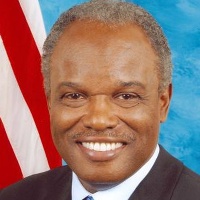
David Scott
Representative
GA
David Scott
Representative
GA
This Act addresses the significant unemployment disparities faced by young African Americans by strengthening pathways into registered apprenticeship programs. It establishes a Diversity and Inclusion Administrator within the Department of Labor to promote greater participation from underrepresented groups. Furthermore, the bill authorizes a competitive grant program to help entities create or expand apprenticeships, requiring applicants to submit plans specifically aimed at increasing African American enrollment.
This bill authorizes Congress to award Congressional Gold Medals to the 1980 U.S. Men's Olympic Ice Hockey team for their historic "Miracle on Ice" victory.
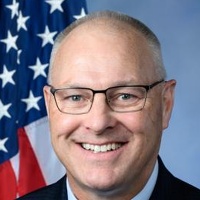
Pete Stauber
Representative
MN
Pete Stauber
Representative
MN
This bill, the Miracle on Ice Congressional Gold Medal Act, officially authorizes Congress to award Congressional Gold Medals to the 1980 U.S. Men's Olympic Ice Hockey Team for their historic "Miracle on Ice" victory. The medals will be struck by the Treasury and permanently displayed at specific national sports museums. The Act also permits the sale of duplicate bronze medals to cover production costs.