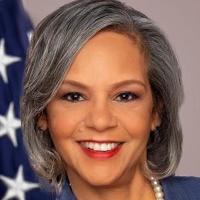
Legislative Activity
Track Robin's sponsored bills, co-sponsored legislation, and voting record
This resolution urges the President to order U.S. flags flown at half-staff to honor the life and legacy of civil rights leader Reverend Jesse Jackson.
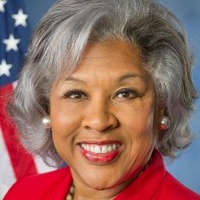
Joyce Beatty
Representative
OH
Joyce Beatty
Representative
OH
This resolution formally honors the life and enduring legacy of civil rights leader Reverend Jesse Louis Burns Jackson, Sr. It recognizes his significant contributions to the Civil Rights Movement, including his work with Dr. Martin Luther King, Jr. and his founding of Operation PUSH. The bill specifically urges the President to order that the U.S. flag be flown at half-staff in his memory.
This Act amends the Fair Housing Act to establish survivors of domestic violence, sexual assault, or severe forms of trafficking as a protected class, prohibiting housing discrimination against them.
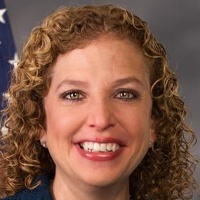
Debbie Wasserman Schultz
Representative
FL
Debbie Wasserman Schultz
Representative
FL
The Fair Housing for Survivors Act of 2026 amends the Fair Housing Act to establish survivors of domestic violence, sexual assault, or severe forms of trafficking as a protected class. This makes it illegal to discriminate against these individuals in housing transactions, including rentals, sales, and financing. The bill aims to ensure survivors can secure and maintain safe housing free from further victimization.
This resolution honors the life, legacy, and enduring commitment to civil rights and equality of Reverend Jesse Louis Jackson, Sr.
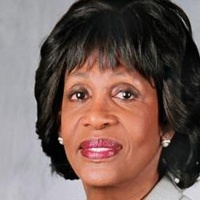
Maxine Waters
Representative
CA
Maxine Waters
Representative
CA
This resolution honors the life, leadership, and enduring legacy of Reverend Jesse Louis Jackson, Sr. It recognizes his pivotal role as a civil rights leader, his groundbreaking political campaigns, and his global advocacy for human rights and equality. The measure encourages all Americans to continue his work by moving forward with hope rather than fear and division.
This bill strengthens democracy by banning foreign spending in U.S. elections, increasing transparency for "dark money" in politics, and mandating clear disclosure of funders in political advertising.

Chris Pappas
Representative
NH
Chris Pappas
Representative
NH
The Democracy Is Strengthened by Casting Light On Spending in Elections Act of 2026 aims to increase transparency and security in U.S. elections. It closes loopholes to ban foreign national spending in elections, mandates disclosure for "dark money" political spending, and requires clear funding disclosures on political ads. The bill also centralizes legal challenges to campaign finance laws in Washington, D.C., for faster resolution.
The Direct File Act of 2026 establishes a permanent, free, government-owned online tax filing system within the IRS while prohibiting agreements that restrict the government from providing tax preparation services.
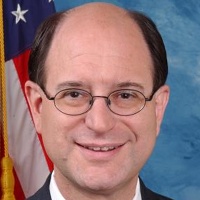
Brad Sherman
Representative
CA
Brad Sherman
Representative
CA
The Direct File Act of 2026 establishes a permanent, free, government-owned online tax filing system within the IRS, ensuring taxpayers have a simplified and accessible way to file their returns. The bill prohibits the Treasury from entering into agreements that restrict the government's ability to provide these services and mandates the integration of state tax filing options. Additionally, it streamlines the tax process by setting new filing deadlines for employer information returns to improve efficiency for all taxpayers.
This comprehensive bill imposes a wealth tax on billionaires, provides affordability rebates, expands Medicare benefits, funds affordable housing and childcare, raises the minimum teacher salary to $60,000, and invests in long-term home care services.
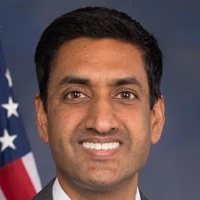
Ro Khanna
Representative
CA
Ro Khanna
Representative
CA
The "Make Billionaires Pay Their Fair Share Act" is a comprehensive bill focused on economic fairness and social support. It introduces a new wealth tax targeting individuals with assets over $1 billion, while also providing direct financial relief through 2026 Affordability Rebates. Furthermore, the bill expands Medicare benefits to include dental, hearing, and vision coverage, significantly invests in affordable housing, and establishes federal support for universal child care and a national minimum teacher salary of $60,000.
This act restricts the transfer of surplus military equipment from the Department of Defense to local law enforcement agencies by banning certain military gear and imposing strict new accountability and community notification requirements.
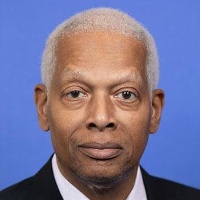
Henry Johnson
Representative
GA
Henry Johnson
Representative
GA
The Stop Militarizing Law Enforcement Act aims to significantly restrict the transfer of surplus military equipment from the Department of Defense to local law enforcement agencies. This bill bans the transfer of many military-grade items, such as armored vehicles and certain weapons, while imposing strict new public notification, local approval, and annual accountability requirements for any approved transfers. The legislation seeks to prevent the inappropriate militarization of police forces by increasing oversight and limiting access to combat-ready gear.
This bill mandates that the Bureau of Prisons employ obstetrician-gynecologists at facilities with female prisoners to ensure comprehensive gynecological, prenatal, and postpartum care.
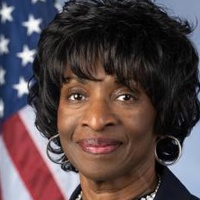
Valerie Foushee
Representative
NC
Valerie Foushee
Representative
NC
The Ensuring OBGYN Care in Prisons Act mandates that the Bureau of Prisons employ full-time obstetrician-gynecologists at all facilities housing female prisoners. This bill ensures comprehensive gynecological, prenatal, and postpartum care, including required initial visits within 14 days of incarceration. Furthermore, it establishes patient protections like informed consent and the right to refuse non-emergency care. The Bureau of Prisons must also submit annual reports detailing staffing, services provided, and pregnancy outcomes.
This resolution recognizes the historical significance of the Clotilda, condemns the U.S. role in the Atlantic slave trade, and acknowledges its lasting impact on African Americans.
Shomari Figures
Representative
AL
Shomari Figures
Representative
AL
This resolution formally recognizes the historical significance of the *Clotilda*, the last known slave ship to arrive in the U.S. in 1860. It condemns the role of the United States in the Atlantic slave trade and acknowledges the lasting, intergenerational impact of this crime on African Americans, particularly the descendants who founded Africatown. The resolution encourages the establishment of a memorial on Capitol Grounds to honor the victims.
The African American History Act of 2026 authorizes the National Museum of African American History and Culture to develop and support educational programs, resources, and curricula to enhance the teaching of African American history nationwide.
Kweisi Mfume
Representative
MD
Kweisi Mfume
Representative
MD
The African American History Act of 2026 authorizes the National Museum of African American History and Culture to develop and expand educational resources, curricula, and digital programming for students and educators nationwide. By providing $10 million in annual funding through 2030, the Act aims to promote a deeper understanding of African American history through a social justice and anti-bias lens. Additionally, the legislation encourages the development of similar educational initiatives across other Smithsonian museums dedicated to diverse American histories.
This resolution recognizes the vital historical significance, economic impact, and essential role of Black history museums and cultural institutions in telling the full American story, especially leading up to the nation's 250th anniversary.
Ayanna Pressley
Representative
MA
Ayanna Pressley
Representative
MA
This resolution formally recognizes the vital historical significance and contributions of Black history museums and cultural institutions across the United States. It affirms that these essential pillars correct historical omissions by preserving irreplaceable records and telling a full, accurate American story. The bill encourages federal agencies and the public to support these institutions, especially as the nation approaches its 250th anniversary.
This bill urges the U.S. Postal Service to issue a commemorative postage stamp honoring Lieutenant Colonel Charity Adams Earley, the first Black officer in the Women's Army Corps.
Joyce Beatty
Representative
OH
Joyce Beatty
Representative
OH
This resolution expresses the sense of the House of Representatives that the U.S. Postal Service should issue a commemorative postage stamp honoring Lieutenant Colonel Charity Adams Earley. Earley was the first Black officer in the Women's Army Corps and commanded the distinguished 6888th Central Postal Directory Battalion during World War II. The bill urges the Citizens' Stamp Advisory Committee to recommend this honor for her significant military and community service.
This resolution establishes February 28th as HIV is Not a Crime Awareness Day to advocate for the decriminalization of HIV and end outdated laws that disproportionately harm affected communities.
Mark Pocan
Representative
WI
Mark Pocan
Representative
WI
This resolution establishes February 28th as "HIV is Not a Crime Awareness Day" to advocate for the decriminalization of HIV across the nation. It highlights outdated laws that unfairly criminalize people living with HIV based on their status, regardless of transmission risk. The day calls for action to repeal these scientifically inaccurate laws, which undermine public health efforts and disproportionately affect marginalized communities. Ultimately, the resolution supports ending HIV criminalization to promote education, treatment, and justice.
The Healthy Hair Act prohibits the use of formaldehyde in hair straightening and smoothing products and mandates an FDA study on the associated health risks.
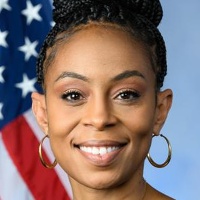
Shontel Brown
Representative
OH
Shontel Brown
Representative
OH
The Healthy Hair Act prohibits the sale of hair straightening and smoothing products that contain formaldehyde or formaldehyde-releasing substances. Additionally, the bill mandates that the FDA and NIOSH conduct comprehensive studies on the health impacts of these chemicals, particularly for salon workers, to inform future regulatory actions.
This resolution designates Black History Month 2026, honors the contributions of Black Americans through the "Unsung Souls" and "Righteous Intercessors" recognitions, and affirms the importance of a complete national narrative.
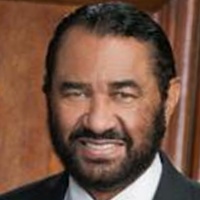
Al Green
Representative
TX
Al Green
Representative
TX
This resolution officially recognizes Black History Month and adopts "A Century of Black History Commemorations" as the theme for 2026. It honors the contributions of Black Americans by establishing categories for "Unsung Souls" and "Righteous Intercessors." Ultimately, the bill affirms that Black history commemorations are essential for a complete national narrative and inspiring future progress toward liberty and justice for all.
This act caps tariffs on essential agricultural inputs imported from countries with normal trade relations at the rates in effect on January 19, 2025.
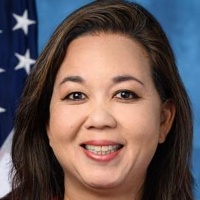
Jill Tokuda
Representative
HI
Jill Tokuda
Representative
HI
The Tariff Free Farming Act aims to stabilize farming costs by capping tariffs on essential agricultural inputs imported from countries with normal trade relations. This legislation locks in the tariff rates for critical items like seed, fertilizer, fuel, and machinery at the levels in effect on January 19, 2025. This prevents the government from imposing higher duties on these necessary supplies, regardless of other legal authorities.
The Ceasefire Compliance Act of 2026 mandates that U.S. defense transfers to Israel be conditioned on verified compliance with ceasefire agreements, humanitarian aid access, and the protection of Palestinian civilians in Gaza and the West Bank.

Sean Casten
Representative
IL
Sean Casten
Representative
IL
The Ceasefire Compliance Act of 2026 establishes U.S. policy to uphold the October 2025 ceasefire and peace plan in Gaza while prohibiting the transfer of U.S. defense articles to Israel for use in Gaza or the West Bank unless specific humanitarian and diplomatic conditions are met. The bill mandates regular reporting to Congress to certify Israel's compliance with these requirements and establishes an end-use monitoring group to track the deployment of U.S.-provided weapons. While restricting offensive arms transfers, the Act preserves U.S. support for Israeli missile defense systems and ongoing humanitarian aid to Gaza.
This Act establishes federal best practices and mandates local educational agencies to develop guidance on secure firearm storage and suicide prevention for students and the community.

Dan Goldman
Representative
NY
Dan Goldman
Representative
NY
The Secure Firearm Storage and Suicide Prevention Act of 2026 aims to reduce firearm-related injuries and suicides, particularly among youth. It directs the Secretary of Education to develop national best practices for secure firearm storage and suicide prevention education. Local educational agencies must then create and distribute tailored guidance incorporating these federal standards to students and parents annually.
This bill establishes a federal process for Extreme Risk Protection Orders, creates a grant program to incentivize states to adopt similar laws, and mandates the recognition of such orders across state lines.
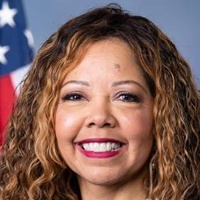
Lucy McBath
Representative
GA
Lucy McBath
Representative
GA
The Federal Extreme Risk Protection Order Act of 2026 establishes a federal process for issuing Extreme Risk Protection Orders (ERPOs) that temporarily prohibit individuals deemed a danger from possessing firearms. The bill allows family members or law enforcement to petition federal courts for temporary or long-term orders based on evidence of imminent risk of harm. Furthermore, it creates a federal grant program to incentivize and support states and tribes in implementing their own qualifying ERPO laws. Finally, it mandates that individuals subject to these federal orders surrender their firearms and ensures these orders are recognized across state lines.
This act establishes a special tax exemption for certain bonds issued by state or local governments to finance public school construction and rehabilitation.
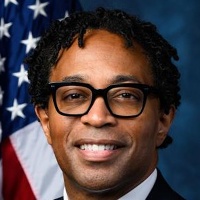
Wesley Bell
Representative
MO
Wesley Bell
Representative
MO
The Reinvest in Public Schools Act of 2026 makes certain bonds issued by state and local governments for public school construction and rehabilitation tax-exempt. This provision aims to lower borrowing costs for essential school facility projects. The Act specifically reinstates prior tax-exempt rules for these qualified school bonds.