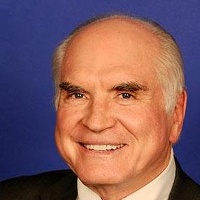
Legislative Activity
Track Mike's sponsored bills, co-sponsored legislation, and voting record
This Act establishes a pathway for eligible Ukrainian nationals paroled into the U.S. since February 20, 2014, to apply for lawful permanent resident status without paying application fees.
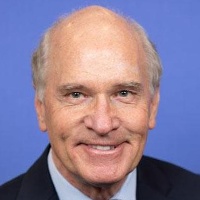
William Keating
Representative
MA
William Keating
Representative
MA
The Ukrainian Adjustment Act of 2025 establishes a pathway for eligible Ukrainian nationals, paroled into the U.S. after February 20, 2014, to apply for lawful permanent resident status (a Green Card). This process requires rigorous security vetting and allows the Secretary of Homeland Security broad waiver authority for most inadmissibility grounds, excluding certain post-2014 criminal activity. Approved applicants will have their status adjusted retroactively to their date of parole, and the application process will be fee-free.
This bill establishes a special visitor category for qualifying Canadian retirees to stay in the U.S. for up to 240 days annually and grants them non-resident alien tax status.
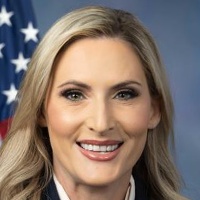
Laurel Lee
Representative
FL
Laurel Lee
Representative
FL
The Canadian Snowbird Act creates a special visitor status for qualifying Canadian retirees, allowing them to stay in the U.S. for up to 240 days per year while maintaining their Canadian residency. This legislation also ensures that these Canadian visitors are treated as non-resident aliens for U.S. tax purposes, preventing them from being taxed like U.S. residents. The bill aims to simplify entry and tax obligations for long-term seasonal visitors from Canada.
This bill temporarily exempts certain physician practices from Stark Law restrictions to allow them to dispense designated Medicare Part D prescription drugs directly to their patients while mandating a GAO study on in-office dispensing trends.
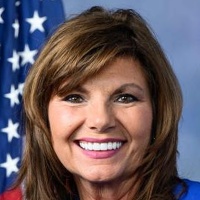
Diana Harshbarger
Representative
TN
Diana Harshbarger
Representative
TN
The Seniors’ Access to Critical Medications Act of 2025 temporarily modifies the physician self-referral prohibition (Stark Law) to allow physician practices to dispense certain Medicare Part D prescription drugs directly to their patients between 2026 and 2030. This exception is subject to specific conditions regarding prescribing, patient history, and dispensing location. The bill also mandates a GAO study to examine trends in physician office drug dispensing and makes a minor adjustment to the allocation for the Medicare Improvement Fund.
This Act clarifies the duty treatment of whiskies by updating the Harmonized Tariff Schedule and requiring the USITC to add statistical tracking codes for imported whiskies.
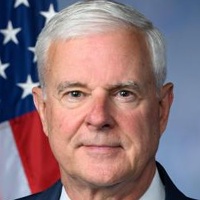
Steve Womack
Representative
AR
Steve Womack
Representative
AR
The Duty Drawback Clarification Act updates the U.S. tariff schedule to standardize the classification of whiskies under Chapter 22. This legislation removes an outdated whiskey classification code and requires the U.S. International Trade Commission to add new statistical tracking codes for imports. These changes will take effect 15 days after the Act is officially enacted.
The Safeguard American Voter Eligibility (SAVE) Act mandates that individuals registering to vote in federal elections must present documentary proof of U.S. citizenship.

Chip Roy
Representative
TX
Chip Roy
Representative
TX
The Safeguard American Voter Eligibility Act (SAVE Act) significantly amends federal law to require individuals registering to vote in federal elections to present documentary proof of U.S. citizenship. This legislation mandates that states actively clean their voter rolls and cooperate with federal agencies to verify citizenship status. It establishes new criminal penalties for officials who fail to enforce these documentation requirements.
This Act mandates the development of adoption education resources and professional training for healthcare providers to improve care for expectant parents considering adoption.
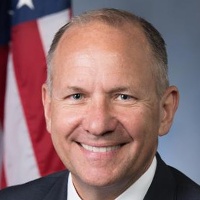
Lloyd Smucker
Representative
PA
Lloyd Smucker
Representative
PA
The Hospital Adoption Education Act of 2025 aims to improve adoption awareness and support within healthcare settings. This legislation directs the Secretary of Health and Human Services to develop and distribute educational resources for hospital staff regarding sensitive adoption issues. Furthermore, the Act establishes grants to fund professional development and training for care providers on patient-centered care for expectant mothers and adoptive families. The goal is to ensure objective, unbiased information is accessible where expectant parents most trust to find it.
This bill removes the current restriction preventing direct charitable rollovers from Individual Retirement Accounts (IRAs) to Donor Advised Funds (DAFs).

Adrian Smith
Representative
NE
Adrian Smith
Representative
NE
The IRA Charitable Rollover Facilitation and Enhancement Act of 2025 removes the current restriction preventing individuals from making direct charitable rollovers from their Individual Retirement Accounts (IRAs) to Donor Advised Funds (DAFs). This change immediately allows IRA owners to transfer retirement assets directly to DAFs for charitable purposes. The bill simplifies and enhances charitable giving options for IRA holders.
The Affordable Housing Credit Improvement Act of 2025 updates state allocation formulas, reforms tenant eligibility and credit determination rules, and enhances assistance for Native American and rural housing projects.
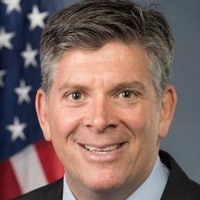
Darin LaHood
Representative
IL
Darin LaHood
Representative
IL
The Affordable Housing Credit Improvement Act of 2025 updates federal housing tax credit allocations to reflect current economic realities and boosts minimum state allotments. It reforms tenant eligibility rules to stabilize tenancy and enhance protections for vulnerable residents, including victims of abuse. The bill also provides disaster relief for property owners, increases incentives for housing the extremely low-income, and directs greater resources toward Native American and rural housing needs. Finally, it streamlines administrative processes and signals a future focus on data transparency and discouraging restrictive local zoning.
This bill prohibits states from using federal TANF funds to replace their own spending and reauthorizes most TANF activities for two years.
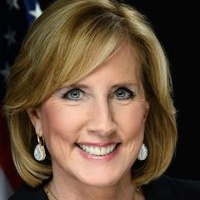
Claudia Tenney
Representative
NY
Claudia Tenney
Representative
NY
The Protect TANF Resources for Families Act ensures that federal Temporary Assistance for Needy Families (TANF) funds supplement, rather than replace, existing state spending, requiring gubernatorial certification of compliance. Additionally, this bill provides a two-year reauthorization for most existing TANF Part A activities through September 30, 2026. This extension guarantees continued funding for current state-level support programs.
This bill makes Federal Pell Grants tax-free regardless of use and expands eligible expenses for the American Opportunity and Lifetime Learning Tax Credits starting in 2025.

Lloyd Doggett
Representative
TX
Lloyd Doggett
Representative
TX
The Tax-Free Pell Grant Act makes Federal Pell Grants entirely tax-free, regardless of how the funds are used. Additionally, the bill expands what expenses qualify for the American Opportunity and Lifetime Learning Tax Credits, allowing students to include costs like child care and computer equipment. These changes are set to take effect for tax years beginning after December 31, 2024.
The CARE Act of 2025 mandates Medicare to test a new payment model covering emergency response services provided by ground ambulance companies even when patient transport does not occur.
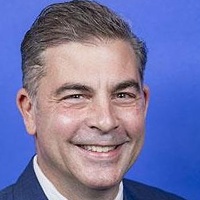
Mike Carey
Representative
OH
Mike Carey
Representative
OH
The CARE Act of 2025 mandates that the Center for Medicare and Medicaid Innovation (CMMI) test a new payment model for emergency services. This model will allow Medicare to pay ground ambulance providers for emergency responses, even when a patient does not ultimately require transport under Medicare Part B. The five-year demonstration aims to evaluate the impact of covering these non-transport emergency responses on patient access and resource utilization.
The Secure Family Futures Act of 2025 modifies tax code provisions for applicable insurance companies by excluding certain debt from being treated as a capital asset and extending the capital loss carryover period to ten years for specific losses incurred after 2025.
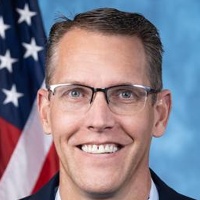
Randy Feenstra
Representative
IA
Randy Feenstra
Representative
IA
The Secure Family Futures Act of 2025 modifies tax treatment for certain debt holdings of applicable insurance companies, excluding specific debt instruments from being treated as capital assets for tax purposes. Additionally, this Act extends the capital loss carryover period to 10 years for specified losses incurred by these insurance companies. These changes apply only to transactions occurring after December 31, 2025.
This Act establishes a 20% federal tax credit for converting eligible commercial buildings into affordable housing units, subject to state allocation and specific income restrictions.
Mike Carey
Representative
OH
Mike Carey
Representative
OH
The Revitalizing Downtowns and Main Streets Act establishes a new 20% federal tax credit for converting eligible, older commercial buildings into affordable housing. This incentive aims to increase housing supply by requiring that at least 20% of the converted units remain rent-restricted for low-income residents for 30 years. State agencies will allocate these credits, which are subject to a national cap of $12 billion, based on approved plans prioritizing financially necessary projects.
This Act amends the Base Erosion and Anti-Abuse Tax (BEAT) rules to impose stricter regulations on U.S. companies connected to foreign entities subject to specific extraterritorial income taxes.
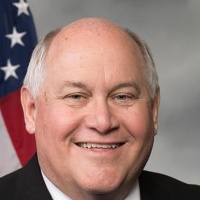
Ron Estes
Representative
KS
Ron Estes
Representative
KS
The Unfair Tax Prevention Act amends the Base Erosion and Anti-Abuse Tax (BEAT) rules to specifically target certain U.S. companies connected to foreign tax systems operating outside their direct jurisdiction. These "foreign-owned extraterritorial tax regime entities" will now be automatically subject to BEAT, with specific exceptions removed and a portion of their cost of goods sold automatically treated as a base erosion benefit. This legislation aims to close loopholes related to complex, indirect foreign ownership structures.
This bill modifies the deadlines for states to obligate and expend Temporary Assistance for Needy Families (TANF) funds while allowing limited future savings.
Mike Carey
Representative
OH
Mike Carey
Representative
OH
The Improve Transparency and Stability for Families and Children Act modifies the deadlines for states to obligate and expend funds received under the Temporary Assistance for Needy Families (TANF) program, beginning in fiscal year 2027. This legislation allows states to reserve a limited percentage of future funds for later use, provided they notify the Secretary of Health and Human Services. The goal is to ensure timely use of federal assistance while offering limited flexibility for state planning.
This Act permits tax-exempt charities to fund collegiate housing and infrastructure projects for college social or athletic organizations without jeopardizing their charitable status, provided the housing primarily serves full-time students.
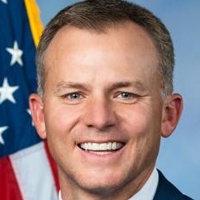
Blake Moore
Representative
UT
Blake Moore
Representative
UT
The Collegiate Housing and Infrastructure Act of 2025 permits qualifying charities to provide grants to college social or athletic organizations specifically for collegiate housing and infrastructure projects without jeopardizing their tax-exempt status. This legislation clarifies that such grants remain eligible for donor deductions, provided the housing primarily serves full-time students. The Act specifically excludes funding for physical fitness facilities from these provisions.
The SCREENS for Cancer Act of 2025 reauthorizes and updates the National Breast and Cervical Cancer Early Detection Program to enhance cancer prevention, reduce disparities, and ensure equitable access to screening services through increased funding and new reporting requirements.
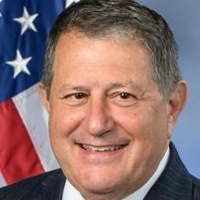
Joseph Morelle
Representative
NY
Joseph Morelle
Representative
NY
The **SCREENS for Cancer Act of 2025** seeks to reauthorize and update the National Breast and Cervical Cancer Early Detection Program (NBCCEDP). This legislation expands the program's focus to include cancer prevention and aims to reduce health disparities in screening access. The bill authorizes $235 million annually for fiscal years 2026 through 2030 and mandates a GAO study on program eligibility and service trends.
The FAIR Act of 2025 mandates that Medicare-funded residency programs report data on the application and acceptance rates of osteopathic and allopathic medical school graduates to ensure equitable treatment, with non-compliance resulting in Medicare payment penalties.
Diana Harshbarger
Representative
TN
Diana Harshbarger
Representative
TN
The Fair Access In Residency (FAIR) Act of 2025 aims to ensure equitable treatment of osteopathic (D.O.) and allopathic (M.D.) medical school graduates in residency applications. It requires hospitals receiving Medicare funds to report detailed data on D.O. and M.D. applicants and acceptances for each residency program. Hospitals failing to submit this required data will face a 2% reduction in their Medicare payments. This collected data will also be made publicly available to promote transparency in the residency recruitment process.
This bill establishes national reciprocity for concealed carry permits, allowing individuals legally permitted to carry in their home state to carry a handgun in any other state that allows concealed carry.
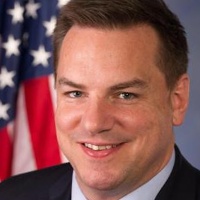
Richard Hudson
Representative
NC
Richard Hudson
Representative
NC
The Constitutional Concealed Carry Reciprocity Act of 2025 establishes a national standard for carrying concealed handguns across state lines. This act allows individuals legally permitted to carry in their home state to carry concealed in any other state that allows its residents to carry concealed firearms. The law does not override private property restrictions or prohibitions on government property, but it provides protections and legal recourse for those traveling in compliance with the new federal standard.
This bill mandates that states running the TANF program adhere to federal standards for reviewing and reducing improper payments, effective October 1, 2026.
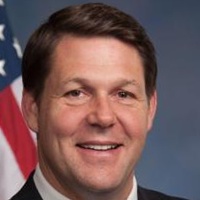
Jodey Arrington
Representative
TX
Jodey Arrington
Representative
TX
This act, officially named the Eliminating Fraud and Improper Payments in TANF Act, aims to strengthen the integrity of the Temporary Assistance for Needy Families (TANF) program. It mandates that states administering TANF must now adhere to the federal Payment Integrity Information Act of 2019 to identify and stop improper payments. Furthermore, the Secretary of Health and Human Services must report to Congress on a comprehensive plan to reduce these improper payments over the next decade.