
Legislative Activity
Track Marcy's sponsored bills, co-sponsored legislation, and voting record
This Act establishes a pathway for eligible Ukrainian nationals paroled into the U.S. since February 20, 2014, to apply for lawful permanent resident status without paying application fees.
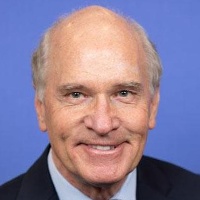
William Keating
Representative
MA
William Keating
Representative
MA
The Ukrainian Adjustment Act of 2025 establishes a pathway for eligible Ukrainian nationals, paroled into the U.S. after February 20, 2014, to apply for lawful permanent resident status (a Green Card). This process requires rigorous security vetting and allows the Secretary of Homeland Security broad waiver authority for most inadmissibility grounds, excluding certain post-2014 criminal activity. Approved applicants will have their status adjusted retroactively to their date of parole, and the application process will be fee-free.
The Equality Act comprehensively prohibits discrimination based on sex, sexual orientation, and gender identity across key areas including public accommodations, employment, housing, credit, and jury service.
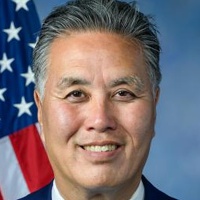
Mark Takano
Representative
CA
Mark Takano
Representative
CA
The Equality Act comprehensively expands federal civil rights protections against discrimination based on sex, sexual orientation, and gender identity across key areas of American life. It amends existing laws to prohibit discrimination in public accommodations, housing, credit, employment, and federal funding. The purpose of the bill is to provide consistent, explicit, and comprehensive remedies for individuals facing bias in these essential sectors.
This Act authorizes the President to impose sanctions, including asset freezes and visa bans, on foreign individuals involved in violence, property destruction, or displacement in the West Bank.
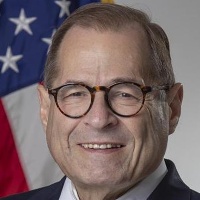
Jerrold Nadler
Representative
NY
Jerrold Nadler
Representative
NY
The West Bank Violence Prevention Act of 2025 declares extreme settler violence and displacement in the West Bank a threat to U.S. national security interests. This Act mandates the President to impose sanctions, including asset freezes and visa bans, on foreign individuals responsible for undermining peace and stability in the region. The Treasury Department must report to Congress on the implementation of these sanctions every 90 days.
This resolution expresses support for honoring Earth Day, recognizes past environmental achievements, warns against undermining current climate laws, and urges the President to issue a proclamation encouraging environmental action.

Doris Matsui
Representative
CA
Doris Matsui
Representative
CA
This resolution expresses strong support for honoring Earth Day and recognizes its historical importance in launching the modern environmental movement. It highlights ongoing challenges like climate change while celebrating recent landmark investments in clean energy and infrastructure. Ultimately, the bill urges the President to issue a proclamation recognizing Earth Day and encourages all Americans to take sustained action to protect the environment for future generations.
This Act prohibits the use of federal funds to eliminate the Corporation for National and Community Service and reinforces Congress's commitment to national service programs.
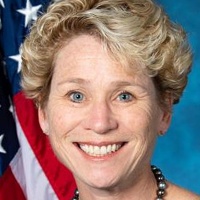
Chrissy Houlahan
Representative
PA
Chrissy Houlahan
Representative
PA
The Protect National Service Act affirms the significant societal return on investment provided by national service programs like AmeriCorps. This bill prohibits the use of federal funds to eliminate the Corporation for National and Community Service (CNCS) or alter its status as a Government corporation. It ensures that any future reorganization must maintain the Trust's solvency and continue federal commitment to civic engagement. The CEO must annually certify compliance with these protections to Congress for five years.
The Farmer First Fuel Incentives Act mandates that clean fuel production tax credits require U.S.-grown feedstocks, excludes indirect land use emissions from emissions rate calculations, and extends the credit's availability until 2034.
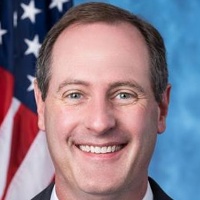
Tracey Mann
Representative
KS
Tracey Mann
Representative
KS
The Farmer First Fuel Incentives Act modifies the clean fuel production tax credit by requiring that qualifying fuels be made from U.S.-grown feedstocks starting in 2025. It also extends the availability of this credit until 2034 and adjusts how emissions rates are calculated by excluding indirect land use changes. Finally, the bill revises a specific emissions factor used in determining the credit amount for fuel produced after 2024.
This bill establishes the American Family Act, which revamps the Child Tax Credit into a system of refundable monthly advance payments for qualifying children and a separate credit for other dependents.

Rosa DeLauro
Representative
CT
Rosa DeLauro
Representative
CT
The American Family Act fundamentally overhauls the Child Tax Credit by replacing the annual lump sum with a system of advance, refundable monthly payments delivered directly to families. These monthly allowances vary based on the child's age, with higher amounts provided for younger children. The bill also establishes a separate, smaller credit for other dependents and outlines procedures for annual renewal and reconciliation of advance payments when filing taxes.
This bill officially terminates the national emergency declared by the President on April 2, 2025, under Executive Order 14257.
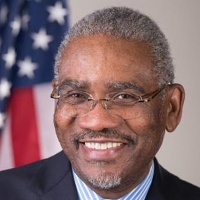
Gregory Meeks
Representative
NY
Gregory Meeks
Representative
NY
This bill officially terminates the national emergency that the President declared on April 2, 2025, under Executive Order 14257. It utilizes the authority of the National Emergencies Act to immediately end the emergency declaration. Consequently, all special powers and authorities activated by that declaration are rescinded.
This Act mandates the high-resolution surveying and mapping of the Great Lakes lakebeds by NOAA, with data to be made publicly available by the end of 2030.

Lisa McClain
Representative
MI
Lisa McClain
Representative
MI
The Great Lakes Mapping Act of 2025 mandates a high-resolution survey and mapping of the Great Lakes lakebeds, to be completed by December 31, 2030. Led by NOAA, this effort requires collaboration with state and regional partners to collect and catalog detailed bathymetric data. The resulting high-resolution map and associated data must be made publicly available as it is completed and fully released within 180 days of project completion.
The Raise the Wage Act of 2025 gradually increases the federal minimum wage to \$17.00, phases out subminimum wages for tipped employees and workers with disabilities, and eliminates the subminimum wage for young workers.
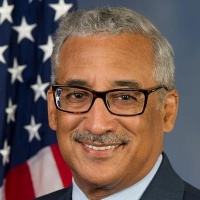
Robert Scott
Representative
VA
Robert Scott
Representative
VA
The Raise the Wage Act of 2025 establishes a phased increase of the federal minimum wage, culminating in a \$17.00 per hour rate five years after enactment, followed by automatic annual adjustments tied to median wage growth. This bill also phases out the lower minimum wage for tipped employees and workers under 20, ensuring they eventually earn the standard federal minimum wage. Furthermore, it sets a schedule to eliminate subminimum wages for individuals with disabilities and prohibits the issuance of new special certificates allowing for lower pay.
This Act allows employees to fully deduct union dues above the line and restores the itemized deduction for certain other job-related business expenses.
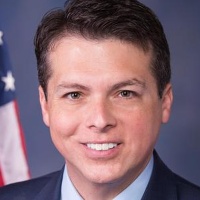
Brendan Boyle
Representative
PA
Brendan Boyle
Representative
PA
The Tax Fairness for Workers Act restores key federal tax deductions for employees, effective after 2024. This legislation makes union dues fully deductible "above the line," meaning they reduce Adjusted Gross Income without itemizing. Additionally, it allows itemizers to deduct certain other job-related business expenses that were previously limited.
The No Tax Breaks for Union Busting Act denies businesses tax deductions for expenses incurred while influencing employees regarding union organization and activities.
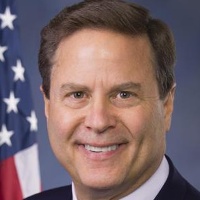
Donald Norcross
Representative
NJ
Donald Norcross
Representative
NJ
The No Tax Breaks for Union Busting (NTBUB) Act aims to disallow businesses from deducting federal income taxes for expenses incurred while attempting to influence employees regarding union organization or activities. This change is intended to stop companies from subsidizing anti-union campaigns through tax write-offs. The bill also establishes new, significant reporting requirements and penalties for businesses and third-party consultants who engage in these influence expenditures.
This Act establishes a program, managed by the Librarian of Congress, to create and disseminate educational resources countering denial of the Armenian Genocide.
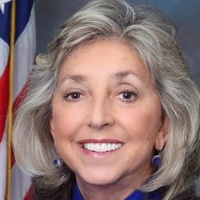
Dina Titus
Representative
NV
Dina Titus
Representative
NV
The Armenian Genocide Education Act establishes a program managed by the Librarian of Congress to develop and share educational resources combating denial of the 1915-1923 Armenian Genocide. This initiative will create online materials, train educators, and encourage the integration of accurate history into school curricula. The Act authorizes $2 million annually for five years to support these educational efforts aimed at promoting awareness and preventing future atrocities.
This Act imposes sweeping, mandatory sanctions, tariffs, and investment prohibitions on the Russian Federation and its affiliates until Russia negotiates a lasting peace with Ukraine.
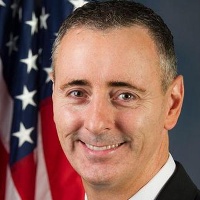
Brian Fitzpatrick
Representative
PA
Brian Fitzpatrick
Representative
PA
The Sanctioning Russia Act of 2025 imposes sweeping economic penalties on the Russian Federation in response to its aggression against Ukraine. This legislation mandates severe, immediate sanctions against key Russian officials, financial institutions, and energy sector entities, including asset freezes and trade prohibitions. Furthermore, the Act dramatically increases import duties on Russian goods and requires the President to review and reimpose these measures until Russia negotiates a lasting peace with Ukraine.
The TELL Act requires companies storing user data in China to clearly disclose the data's location and any potential access by the Chinese government or state-owned entities.
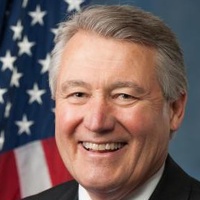
Rick Allen
Representative
GA
Rick Allen
Representative
GA
The TELL Act mandates that websites and mobile apps collecting user data and storing it in China must clearly disclose this storage location and whether the Chinese government or state-owned entities can access that information. Companies are prohibited from knowingly providing false disclosures regarding data storage or access. Violations of this Act will be enforced by the Federal Trade Commission (FTC) as unfair or deceptive business practices.
The Paycheck Fairness Act strengthens equal pay enforcement by tightening defenses against pay discrimination, expanding protections against retaliation, increasing penalties for violations, and requiring comprehensive data collection and training initiatives.
Rosa DeLauro
Representative
CT
Rosa DeLauro
Representative
CT
The Paycheck Fairness Act significantly strengthens federal equal pay protections by broadening definitions of sex discrimination, tightening employer defenses against pay disparities, and increasing penalties for violations. It also prohibits employers from using salary history in hiring decisions and mandates new data collection by the EEOC to better enforce anti-discrimination laws. Furthermore, the bill establishes new training and outreach programs to combat systemic wage bias.
This resolution formally recognizes the persistent gender wage gap and reaffirms Congress's commitment to achieving pay equity.
Lois Frankel
Representative
FL
Lois Frankel
Representative
FL
This resolution formally recognizes the significant and persistent wage gap between men and women in the United States, highlighting statistics that show women earn substantially less. It serves as a strong public statement reaffirming Congress's commitment to achieving pay equity. The measure does not enact new laws but emphasizes the economic harm caused by unequal pay for women and their families.
This bill officially ratifies the Equal Rights Amendment, validating its inclusion in the Constitution regardless of any prior ratification deadlines.

Ayanna Pressley
Representative
MA
Ayanna Pressley
Representative
MA
This bill officially ratifies the Equal Rights Amendment, declaring it a valid part of the U.S. Constitution. It specifically removes any previously imposed deadlines for state ratification. If three-fourths of the states have approved the amendment, this law confirms its official status regardless of past time constraints.
The House of Representatives affirms every person's basic right to emergency health care, including abortion care.

Emilia Sykes
Representative
OH
Emilia Sykes
Representative
OH
This bill affirms the House of Representatives' belief that every person has the right to emergency health care, including abortion care. It argues that abortion restrictions endanger lives, force doctors to make impossible choices, and disproportionately harm people of color, low-income individuals, and LGBTQI individuals. The bill emphasizes that delays in emergency care due to abortion bans can lead to life-threatening situations and that everyone, including pregnant individuals, should have access to necessary medical care without discrimination.
The Puppy Protection Act of 2025 establishes stricter housing, daily care, veterinary, and breeding standards for dog dealers under the Animal Welfare Act.
Brian Fitzpatrick
Representative
PA
Brian Fitzpatrick
Representative
PA
The Puppy Protection Act of 2025 significantly increases humane treatment standards for dog dealers under the Animal Welfare Act. This legislation mandates specific minimum space requirements, daily exercise access, and mandatory socialization for housed dogs. Furthermore, it establishes strict limits on female dog breeding frequency and age, alongside enhanced veterinary care protocols.