
Legislative Activity
Track Marcy's sponsored bills, co-sponsored legislation, and voting record
This bill creates a Medicare buy-in option for first responders aged 50 to 64 who retired or became disabled, allowing them to access Medicare coverage early.
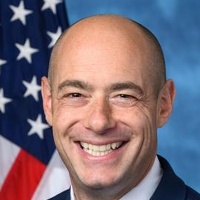
Greg Landsman
Representative
OH
Greg Landsman
Representative
OH
The Expanding Health Care Options for First Responders Act creates a new Medicare buy-in option for qualified first responders aged 50 to 64 who retired or became disabled. This allows eligible individuals to enroll in Medicare Parts A, B, and D, or Medicare Advantage plans, before reaching age 65. The bill establishes premium calculations, coordinates coverage with the Affordable Care Act, and creates an oversight board to monitor the program.
This act mandates Medicare coverage for FDA-approved early detection screening tests for Alzheimer's disease and related dementias beginning in 2028.
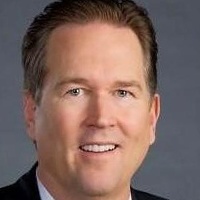
Vern Buchanan
Representative
FL
Vern Buchanan
Representative
FL
The Alzheimer’s Screening and Prevention Act of 2025 (ASAP Act) amends Medicare to cover early detection screening tests for Alzheimer's disease and related dementias starting in 2028. This coverage applies to FDA-cleared tests, including genomic sequencing and other equivalent diagnostic methods, designed to detect pre-symptomatic or early-stage conditions. The bill ensures these screenings are added to the list of covered medical services under Medicare.
This act repeals specific sections of a prior reconciliation act to restore previous laws affecting American families and farmers.
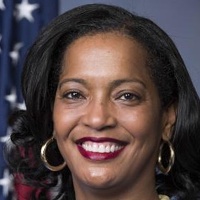
Jahana Hayes
Representative
CT
Jahana Hayes
Representative
CT
The Restoring Food Security for American Families and Farmers Act of 2025 aims to strengthen domestic food security by repealing specific sections of a prior reconciliation act. This action effectively revives the original laws that were previously amended by the repealed provisions. The bill seeks to revert existing agricultural and food-related statutes to their pre-amendment status.
This Act authorizes the Great Lakes Fishery Commission to develop and fund efforts to combat invasive mussel species in the Great Lakes through 2035.

Debbie Dingell
Representative
MI
Debbie Dingell
Representative
MI
The Save Great Lakes Fish Act of 2025 authorizes the Great Lakes Fishery Commission to develop comprehensive strategies to combat invasive mussel species. This effort requires coordination with federal agencies, state, tribal, and local governments. The bill authorizes $500 million in funding for fiscal years 2026 through 2035 to support these critical conservation measures.
This act repeals Senate notification requirements related to legal processes concerning Senate data and mandates the disgorgement of any funds awarded to Senators under the repealed provisions.
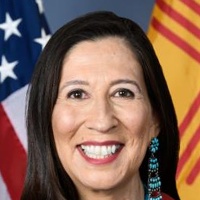
Teresa Leger Fernandez
Representative
NM
Teresa Leger Fernandez
Representative
NM
The No Payola Act repeals existing Senate notification requirements concerning legal processes related to the disclosure of Senate data. Furthermore, it mandates that any Senator who received funds through a private right of action under the repealed law must return those awarded funds to the Treasury.
This resolution commemorates the 50th anniversary of the sinking of the S.S. Edmund Fitzgerald, honoring the lost crew and recognizing the resulting maritime safety improvements.
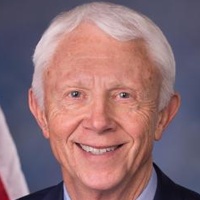
Jack Bergman
Representative
MI
Jack Bergman
Representative
MI
This resolution commemorates the 50th anniversary of the sinking of the S.S. Edmund Fitzgerald on November 10, 1975. It honors the memory of the 29 crew members lost in the tragedy on Lake Superior. Furthermore, the bill recognizes the ship's historical significance and the vital safety improvements that resulted from the disaster.
This Act ensures uninterrupted funding and operation for the SNAP and WIC programs through fiscal year 2026, even if appropriations for the Department of Agriculture are delayed.
Jahana Hayes
Representative
CT
Jahana Hayes
Representative
CT
The Keep SNAP and WIC Funded Act of 2025 ensures that the Supplemental Nutrition Assistance Program (SNAP) and the Special Supplemental Nutrition Program for Women, Infants, and Children (WIC) continue to operate without interruption in fiscal year 2026 if standard appropriations are delayed. If funding lapses, the Secretary of Agriculture is authorized to use funds from the Treasury to provide benefits and reimburse state agencies. This special funding remains in effect until full appropriations are enacted or until September 30, 2026.
This Act establishes new regulations and serial number requirements for tableting and encapsulating machines and their critical parts to combat illicit drug manufacturing.
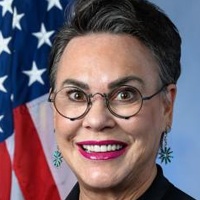
Harriet Hageman
Representative
WY
Harriet Hageman
Representative
WY
The Fight Illicit Pill Presses Act amends the Controlled Substances Act to regulate equipment used in illicit drug manufacturing. This legislation requires manufacturers and distributors of tableting and encapsulating machines, and their critical parts, to apply permanent serial numbers to these items. The bill also prohibits the removal or alteration of these required serial numbers.
This resolution supports the goals of National Domestic Violence Awareness Month, highlights the pervasive and devastating impact of intimate partner violence across all demographics, and calls for increased funding for prevention and support programs.
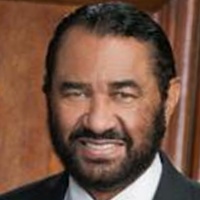
Al Green
Representative
TX
Al Green
Representative
TX
This resolution designates October as National Domestic Violence Awareness Month to highlight the widespread and devastating impact of intimate partner violence across all demographics. It recognizes the urgent need to eliminate domestic violence and supports increased funding for intervention and prevention programs. The resolution underscores the severe physical, emotional, and economic toll this abuse takes on individuals, families, and communities.
This Act restores the "first-to-invent" patent system, abolishes administrative patent reviews, strengthens patent property rights, and ensures full funding for the USPTO.
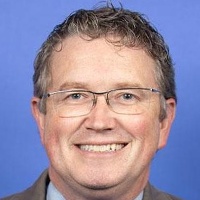
Thomas Massie
Representative
KY
Thomas Massie
Representative
KY
The Restoring America’s Leadership in Innovation Act of 2025 aims to significantly strengthen the U.S. patent system by reverting to a "first-to-invent" standard and eliminating administrative patent review boards. This legislation seeks to re-establish patents as fundamental private property rights, clarifying patentability for software and scientific discoveries. Furthermore, it ensures the USPTO is fully funded by its collected fees and prevents the automatic public release of pending patent applications.
This bill implements the transfer and investment of frozen Russian sovereign assets into a dedicated Ukraine Support Fund, mandating regular aid disbursements and requiring diplomatic engagement with allies.
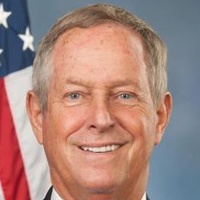
Joe Wilson
Representative
SC
Joe Wilson
Representative
SC
The REPO for Ukrainians Implementation Act of 2025 formally recognizes international calls to repurpose frozen Russian sovereign assets to aid Ukraine. This bill grants the President authority to transfer non-confiscated Russian assets into the Ukraine Support Fund, where they must be invested in U.S. government debt. Furthermore, the Secretary of State is mandated to obligate at least $250 million from the fund to Ukraine every quarter. The Act also requires the President to report on the location of these Russian assets globally and directs diplomatic efforts to encourage allies to contribute quarterly.
This bill, the Healthy Meals Help Kids Learn Act of 2025, increases federal reimbursement rates for school lunches and breakfasts starting in late 2025.
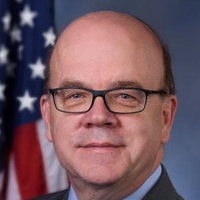
James McGovern
Representative
MA
James McGovern
Representative
MA
The Healthy Meals Help Kids Learn Act of 2025 aims to increase federal reimbursement rates for school meals. Specifically, it provides an additional 45 cents per lunch and 28 cents per breakfast served by school food authorities starting November 1, 2025. These adjusted rates will be subject to future inflation adjustments.
The School Food Modernization Act provides federal loan guarantees, grants, and training to upgrade school food facilities and improve staff skills for serving healthier meals.
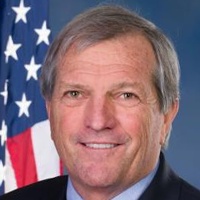
Mark DeSaulnier
Representative
CA
Mark DeSaulnier
Representative
CA
The School Food Modernization Act aims to improve school meal programs by providing financial assistance for facility upgrades and equipment purchases through loan guarantees and grants. It also establishes a new grant program to fund third-party training for school food service staff on nutrition standards and efficiency. Finally, the bill requires reports to Congress on program implementation and a study on how states use administrative funds for workforce training.
This Act ensures that members of the Armed Forces, DoD civilian employees, and necessary contractors receive pay and allowances for fiscal year 2026 if a full budget has not been enacted by October 1, 2025.
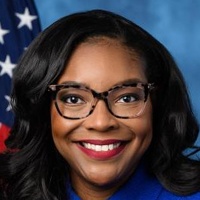
Emilia Sykes
Representative
OH
Emilia Sykes
Representative
OH
The Pay Our Military Act ensures that members of the Armed Forces continue to receive their pay and allowances if a full budget for fiscal year 2026 has not been enacted. This continuing appropriation provides necessary funds for active duty, reserves, and essential civilian support staff. This automatic funding remains in effect until a full appropriation is passed or until January 1, 2027.
This resolution officially designates the week of September 22 through September 28, 2025, as National Falls Prevention Awareness Week to raise public awareness and encourage the prevention of falls among older adults.
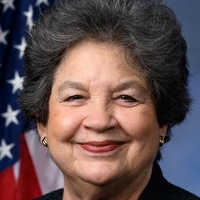
Lois Frankel
Representative
FL
Lois Frankel
Representative
FL
This resolution officially designates the week of September 22 through September 28, 2025, as "National Falls Prevention Awareness Week." The goal is to raise public awareness about the significant dangers of falls among older adults. By highlighting this issue, the measure encourages widespread efforts to promote proven, cost-effective prevention strategies.
This House resolution strongly condemns all forms of political violence and demands an end to dehumanizing rhetoric against political opponents.
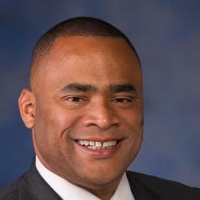
Marc Veasey
Representative
TX
Marc Veasey
Representative
TX
This House Resolution strongly condemns all forms of political violence and threats against elected officials and public figures, regardless of political affiliation. It affirms that disagreements must be resolved through peaceful and democratic means, not intimidation or force. The resolution urges law enforcement to prosecute those who commit or encourage such violence. Finally, it calls on all leaders to cease using dehumanizing rhetoric and promote civil discourse.
The HEALTH Act of 2025 permanently establishes Medicare payment parity for telehealth services provided by Federally Qualified Health Centers and Rural Health Clinics, including audio-only visits, while removing originating site location requirements for these providers.
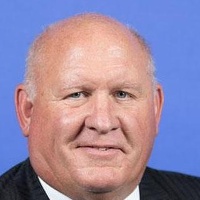
Glenn Thompson
Representative
PA
Glenn Thompson
Representative
PA
The HEALTH Act of 2025 permanently updates Medicare rules for Federally Qualified Health Centers (FQHCs) and Rural Health Clinics (RHCs) regarding telehealth. This legislation permanently recognizes audio-only calls as reimbursable telehealth services and removes geographic location requirements for patients receiving care from these clinics. Furthermore, it ensures permanent payment parity for these telehealth visits, treating them as standard outpatient services for billing purposes.
This bill amends the Social Security Act to provide Medicare coverage for FDA-approved multi-cancer early detection screening tests starting in 2028.
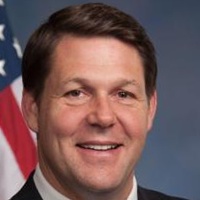
Jodey Arrington
Representative
TX
Jodey Arrington
Representative
TX
The Nancy Gardner Sewell Medicare Multi-Cancer Early Detection Screening Coverage Act amends the Social Security Act to provide Medicare Part B coverage for multi-cancer early detection screening tests starting January 1, 2028. This legislation establishes clear criteria for qualifying tests and outlines payment structures to ensure beneficiaries have access to these advanced diagnostic tools. Importantly, this coverage is designed to complement, rather than replace, existing Medicare-covered cancer screenings.
This Act mandates that new passenger motor vehicles sold in the U.S. must include standard equipment capable of receiving AM broadcast radio signals.

Gus Bilirakis
Representative
FL
Gus Bilirakis
Representative
FL
The AM Radio for Every Vehicle Act of 2025 mandates that the Secretary of Transportation establish a rule requiring AM broadcast radio receivers to be installed as standard equipment in new passenger motor vehicles. This requirement aims to ensure public access to AM radio signals, which are often used for emergency alerts. The bill also directs a GAO study on the effectiveness of AM radio within the national emergency alert system compared to other technologies. Finally, the Act preempts state and local laws on this matter and includes a sunset provision eight years after enactment.
This bill reauthorizes the Digital Coast Act through 2030, mandates free public availability of collected data, and expands required data to include underground infrastructure.
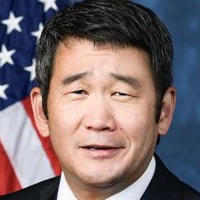
Dave Min
Representative
CA
Dave Min
Representative
CA
The Digital Coast Reauthorization Act of 2025 extends the authorization of the Digital Coast Act through 2030. This legislation mandates that all data provided under the Act must be fully and freely available once accessible. Furthermore, it explicitly expands the required data to include information on underground infrastructure and subsurface utilities.