Legislative Activity
Track Jonathan's sponsored bills, co-sponsored legislation, and voting record
This bill authorizes the posthumous presentation of a Congressional Gold Medal to James Earl Jones, honoring his contributions to the United States and his work promoting inclusion in film and theatre.
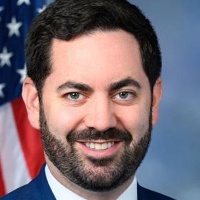
Michael Lawler
Representative
NY
Michael Lawler
Representative
NY
The James Earl Jones Congressional Gold Medal Act directs the Speaker of the House and the President pro tempore of the Senate to arrange for the posthumous presentation of a Congressional Gold Medal to James Earl Jones, honoring his contributions to the United States and his work promoting inclusion in film and theatre. The Secretary of the Treasury will create the gold medal, and bronze duplicates will be made available for sale to the public.
The "U.S. Engagement in Sudanese Peace Act" aims to address the crisis in Sudan by authorizing sanctions on those involved in human rights abuses and conflict, establishing a comprehensive strategy for peace, and empowering Sudanese women and youth in conflict resolution.
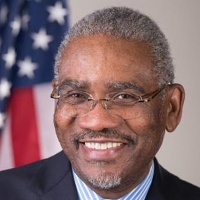
Gregory Meeks
Representative
NY
Gregory Meeks
Representative
NY
The U.S. Engagement in Sudanese Peace Act aims to address the crisis in Sudan by mandating the President to investigate and sanction those involved in human rights abuses and obstruction of humanitarian aid. It requires a comprehensive strategy to protect civilians, provide humanitarian aid, and foster peace, with an emphasis on empowering Sudanese women and youth in conflict resolution. The act also seeks to prevent the flow of weapons to conflict parties and ensures accountability for human rights abuses. Ultimately, the goal is to promote a sustainable peace through diplomatic and multilateral efforts.
The "Mamas and Babies in Underserved Communities Act of 2025" aims to improve maternal healthcare and reduce disparities in underserved communities by providing grants to healthcare providers for expanded and enhanced services.
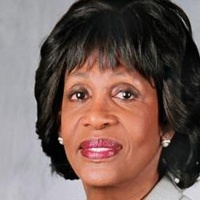
Maxine Waters
Representative
CA
Maxine Waters
Representative
CA
The "Mamas and Babies in Underserved Communities Act of 2025" aims to improve maternal health outcomes and reduce disparities in underserved communities by providing grants to healthcare providers. These grants will support the expansion and enhancement of maternal health services, including prenatal, postnatal care for infants, and postpartum care for mothers. Priority is given to entities serving minority, low-income, or medically underserved areas, particularly those led by community members. The act allocates necessary funds from 2026 to 2030 to facilitate these improvements.
The LIONs Act of 2025 increases the maximum loan amounts for 7(a) loans to $7,500,000 and for development company loans to $10,000,000.
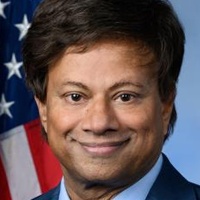
Shri Thanedar
Representative
MI
Shri Thanedar
Representative
MI
The LIONs Act of 2025 increases the maximum loan amounts for both 7(a) loans and development company loans, aiming to provide greater financial support to small businesses. Specifically, it raises the 7(a) loan limit to $7,500,000 and the development company loan limit to $10,000,000.
The John R. Lewis Voting Rights Advancement Act of 2025 aims to strengthen and update the Voting Rights Act of 1965 by addressing vote dilution and denial, establishing updated criteria for federal oversight of states and political subdivisions with a history of voting rights violations, and promoting transparency in election-related changes.
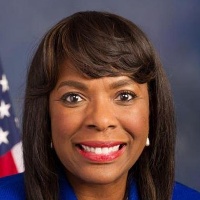
Terri Sewell
Representative
AL
Terri Sewell
Representative
AL
The John R. Lewis Voting Rights Advancement Act of 2025 amends the Voting Rights Act of 1965 to address vote dilution, denial, and abridgment claims, and to update which states and political subdivisions are subject to federal oversight based on a history of voting rights violations. It broadens the types of violations that allow a court to retain jurisdiction over a case, clarifies the Attorney General's authority to assign observers, and ensures transparency in voting-related changes. The Act also authorizes the Attorney General to demand documents and information to enforce voting rights and provides grants to small jurisdictions to assist with notification requirements.
The Richard L. Trumka Protecting the Right to Organize Act of 2025 strengthens protections for workers' rights to organize and collectively bargain by modernizing labor laws, addressing unfair labor practices, and enhancing enforcement mechanisms.
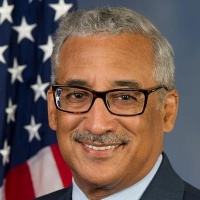
Robert Scott
Representative
VA
Robert Scott
Representative
VA
This bill, the Richard L. Trumka Protecting the Right to Organize Act of 2025, seeks to amend the National Labor Relations Act and other labor laws to strengthen protections for workers' rights to organize and collectively bargain. It aims to modernize labor regulations by clarifying definitions, addressing unfair labor practices, enhancing enforcement, and increasing transparency in labor-management relations. The bill introduces measures such as electronic voting in union elections, strengthens whistleblower protections, and mandates studies on collective bargaining practices. Ultimately, the goal is to ensure fair treatment of workers and promote equitable labor practices.
The "Keeping Our Field Offices Open Act" prevents the Social Security Administration from closing or limiting access to field offices, hearing offices, and resident stations, ensuring continued service availability for the public.
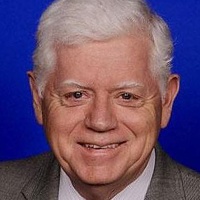
John Larson
Representative
CT
John Larson
Representative
CT
The "Keeping Our Field Offices Open Act" prevents the Social Security Administration (SSA) from closing or consolidating field offices, hearing offices, and resident stations, ensuring continued access to services. It requires the SSA Commissioner to justify any planned closures to Congress with detailed analysis and cost-benefit assessments, considering the impact on vulnerable populations. The bill mandates public notice, hearings, and a final report to Congress before any changes, allowing appeals and maintaining the number of offices at or above the January 20, 2025 level, excluding temporary emergency closures.
This bill restricts political appointees and special government employees from accessing Social Security data, establishes civil damages for unauthorized access, mandates Inspector General investigations, and requires a GAO study on the changes.
John Larson
Representative
CT
John Larson
Representative
CT
The Protecting Americans’ Social Security Data Act restricts political appointees and special government employees from accessing sensitive Social Security beneficiary data systems. It establishes a right for individuals to sue the government or responsible parties for unauthorized access or disclosure of their private Social Security information, including specified minimum damages. Furthermore, the bill mandates the Inspector General to investigate such violations and report findings to Congress within 30 days. Finally, it requires the GAO to conduct a comprehensive study on the impact of these new privacy and enforcement measures.
The MERIT Act mandates the reinstatement of federal probationary employees affected by mass terminations occurring between January 20, 2025, and the Act's enactment, providing back pay and benefits.
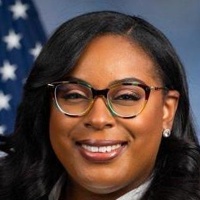
LaMonica McIver
Representative
NJ
LaMonica McIver
Representative
NJ
The MERIT Act requires federal agencies to reinstate probationary employees who were terminated as part of a mass termination event between January 20, 2025, and the Act's enactment date, providing them with back pay and benefits. The Act also mandates reports on government employee terminations and the reinstatement process. It defines key terms such as "affected probationary employee" and "mass termination" to clarify the scope and applicability of the Act. This act ensures that affected employees are treated as involuntarily separated without cause and outlines the process for determining back pay and providing notice to eligible employees.
The "Peace on the Korean Peninsula Act" promotes diplomatic engagement to formally end the Korean War, encourages humanitarian travel to North Korea, and suggests establishing liaison offices between the U.S. and North Korea, while reaffirming the U.S. troop presence in South Korea.
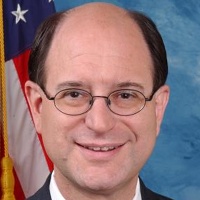
Brad Sherman
Representative
CA
Brad Sherman
Representative
CA
The "Peace on the Korean Peninsula Act" seeks to promote diplomatic engagement to formally end the Korean War by replacing the Armistice Agreement with a peace agreement. It requires the Secretary of State to review travel restrictions to North Korea for humanitarian reasons and to develop a plan for achieving a permanent peace agreement, including the potential establishment of liaison offices between the U.S. and North Korea. The act emphasizes that it does not affect the status of U.S. troops stationed in South Korea or elsewhere.
This resolution designates August as Slavery Remembrance Month to honor the lives of enslaved people, condemn the history and legacy of slavery, and recognize the freedom fighters who fought for its abolition.
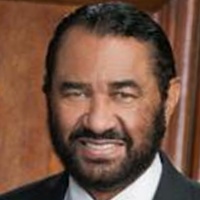
Al Green
Representative
TX
Al Green
Representative
TX
The "Original Slavery Remembrance Month Resolution" designates August as a time to commemorate the lives of enslaved people and honor the freedom fighters who resisted the institution of slavery. This resolution condemns the history of chattel slavery and its ongoing systemic effects in the United States. It encourages national observance and reflection to ensure the history and legacy of slavery are never forgotten.
The Veterans Readiness and Employment Transparency Act of 2025 improves outreach and transparency for VA training and rehabilitation programs for veterans with service-connected disabilities.
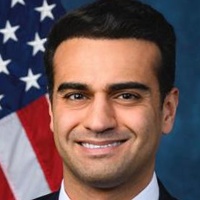
Abraham Hamadeh
Representative
AZ
Abraham Hamadeh
Representative
AZ
The Veterans Readiness and Employment Transparency Act of 2025 aims to improve outreach by the Department of Veterans Affairs (VA) for training and rehabilitation programs for veterans with service-connected disabilities by establishing a dedicated phone number and contact information on regional office websites. It also mandates monthly Q&A sessions between VA employees and school certifying officials, as well as in-person briefings at educational institutions. The Act requires the Secretary to submit an annual report on vocational rehabilitation program extensions and approve or reject extension requests within 30 days.
This resolution expresses support for strengthening U.S.-Africa partnerships to diversify critical mineral supply chains, enhance national security, and promote responsible mining development.

Sheila Cherfilus-McCormick
Representative
FL
Sheila Cherfilus-McCormick
Representative
FL
This resolution expresses support for strengthening U.S.-Africa partnerships to secure critical mineral supply chains and reduce reliance on foreign entities of concern. It urges the development of a five-year strategy to mobilize U.S. investment, provide technical assistance, and promote responsible mining practices across the African continent. By fostering these mutually beneficial partnerships, the policy aims to bolster U.S. national security while supporting sustainable economic development in African nations.
The "Roberto Clemente Commemorative Coin Act" directs the Treasury to mint coins in 2027 honoring Roberto Clemente, with surcharges benefiting the Roberto Clemente Foundation.
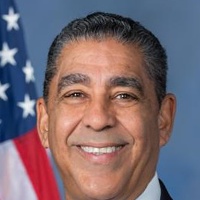
Adriano Espaillat
Representative
NY
Adriano Espaillat
Representative
NY
The Roberto Clemente Commemorative Coin Act directs the Department of Treasury to mint and issue gold, silver, and half-dollar coins in 2027 to commemorate the life and legacy of Roberto Clemente. The coins' designs will represent Clemente's life, including his baseball achievements and humanitarian work. Surcharges from the coin sales will benefit the Roberto Clemente Foundation, supporting their educational programs, youth sports initiatives, disaster relief efforts, and historic preservation projects. The Act ensures that the coin program will not incur any net cost to the United States government.
The Original Black History Month Resolution of 2025 recognizes February as Black History Month, honoring the theme "African Americans and Labor" and the essential contributions of Black workers throughout U.S. history.
Al Green
Representative
TX
Al Green
Representative
TX
The "Original Black History Month Resolution of 2025" officially recognizes February 2025 as Black History Month with the theme "African Americans and Labor." The resolution honors the essential contributions of Black workers to the U.S. economy from enslavement to the present day while highlighting the ongoing struggle for labor equality. It encourages all Americans to celebrate these achievements and acknowledge the historical and systemic challenges still faced by Black workers today.
This bill honors the historical legacy of Freedmen’s Settlements and commits to their preservation and revitalization through targeted federal investment, environmental protection, and community-led economic development.
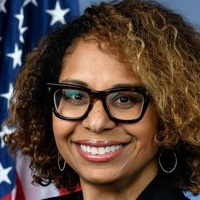
Sydney Kamlager-Dove
Representative
CA
Sydney Kamlager-Dove
Representative
CA
This bill honors the historical significance of Freedmen’s Settlements and Black towns while addressing the systemic disinvestment, environmental racism, and displacement these communities continue to face. It calls for a coordinated federal and state effort to preserve these historic sites through documentation, economic investment, and infrastructure development. Ultimately, the legislation seeks to fulfill the unmet promises of Reconstruction by ensuring these resilient communities receive the resources and protections necessary to thrive today.
The RESTORE Act establishes a federal program within the National Park Service to identify, preserve, and interpret the history of communities founded by formerly enslaved African Americans after the Civil War.
Sydney Kamlager-Dove
Representative
CA
Sydney Kamlager-Dove
Representative
CA
The RESTORE Act establishes the National Freedom Settlements Preservation Program to formally recognize, research, and preserve communities founded by formerly enslaved African Americans after the Civil War. This program, managed by the Secretary of the Interior, will create a federal effort to honor these settlements' legacy of self-determination through documentation, historic designation, and grant funding. The law authorizes appropriations to support cultural heritage, research, and capacity building for these historically neglected communities.
The "Access to Reproductive Care for Servicemembers Act" ensures that members of the Armed Forces and their dependents can access leave and travel reimbursement for reproductive health care services, including abortion and fertility treatments, not covered by the Department of Defense, while safeguarding their privacy and prohibiting adverse actions.
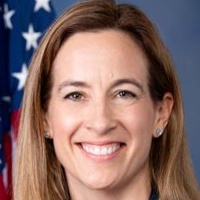
Mikie Sherrill
Representative
NJ
Mikie Sherrill
Representative
NJ
The "Access to Reproductive Care for Servicemembers Act" ensures that members of the Armed Forces and their dependents can access leave and reimbursement for travel expenses related to abortion services and assisted reproductive technology, such as in vitro fertilization, when these services are not available nearby. It protects the privacy of service members seeking such care and prohibits any adverse actions against them for utilizing these provisions. The bill aims to address barriers to reproductive healthcare created by state abortion restrictions and logistical challenges faced by military personnel.
This resolution reaffirms the United States' commitment to Mexican sovereignty and condemns the use of unilateral military action in Mexico without the Mexican government's consent and explicit congressional authorization.
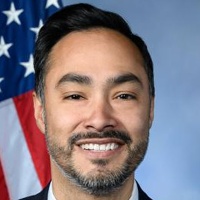
Joaquin Castro
Representative
TX
Joaquin Castro
Representative
TX
This resolution reaffirms the United States' commitment to respecting Mexico’s sovereignty and condemns the use of unilateral military action without Mexico's consent and explicit congressional authorization. It emphasizes that transnational criminal activities, such as drug trafficking, do not constitute an armed attack justifying military force under international or U.S. law. Ultimately, the bill advocates for continued bilateral cooperation to address shared security challenges rather than military intervention.
This resolution expresses support for the American Black workforce by calling for legislative action to eliminate systemic discrimination, close economic disparities, and ensure fair labor protections for all.
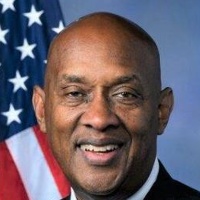
Dwight Evans
Representative
PA
Dwight Evans
Representative
PA
This resolution affirms the vital role of Black workers in the U.S. economy while acknowledging the systemic inequalities and discrimination that continue to hinder their professional advancement. It calls for urgent legislative action to close persistent wage and unemployment gaps, improve workplace safety, and strengthen protections for collective bargaining. Ultimately, the bill advocates for expanded access to education and job training to ensure equitable economic opportunity for all American workers.