Legislative Activity
Track Pat's sponsored bills, co-sponsored legislation, and voting record
The Self-Improving AI Monitoring Act mandates that NIST assess AI systems' autonomous research capabilities and requires developers to disclose the extent of AI-assisted development during pre-deployment evaluations.
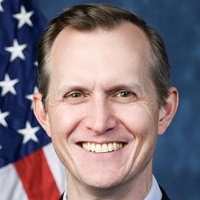
George Whitesides
Representative
CA
George Whitesides
Representative
CA
The Self-Improving AI Monitoring Act directs the National Institute of Standards and Technology (NIST) to assess AI systems capable of autonomous research and development. It mandates that developers of frontier AI systems disclose the extent to which AI was used in their own creation as a condition for pre-deployment evaluations. These measures ensure NIST can effectively monitor and evaluate the risks associated with self-improving artificial intelligence.
This bill establishes an initiative to integrate quantum computing and advanced technologies into Army operations, infrastructure, and workforce development.
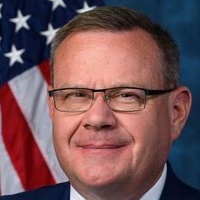
Tim Moore
Representative
NC
Tim Moore
Representative
NC
The Army Quantum Readiness Act establishes a dedicated initiative to integrate quantum computing and advanced technologies into Army operations, intelligence, and logistics. This legislation mandates the development of a strategic roadmap, including workforce planning, infrastructure assessment, and acquisition pathways to accelerate the transition of quantum capabilities into the field. Additionally, the Act requires the Secretary of the Army to report to Congress on necessary investments and pilot projects to ensure the Army remains at the forefront of quantum-enabled defense.
This bill proposes a 10% excise tax on colleges and universities that allow biological males to participate in female intercollegiate athletic programs.
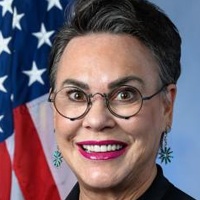
Harriet Hageman
Representative
WY
Harriet Hageman
Representative
WY
This bill proposes a 10% excise tax on colleges and universities that allow biological males to participate in female intercollegiate athletic programs. The legislation prohibits institutions from increasing tuition or mandatory fees to cover the cost of this tax.
The Permanent CBDC Ban Act prohibits the Federal Reserve from issuing a central bank digital currency.
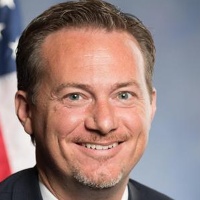
Michael Cloud
Representative
TX
Michael Cloud
Representative
TX
The Permanent CBDC Ban Act seeks to codify a long-term prohibition on the issuance of a Central Bank Digital Currency (CBDC) by the Federal Reserve. By amending the Federal Reserve Act, this legislation aims to permanently restrict the government from implementing a digital dollar.
This bill provides a limited antitrust exemption to allow non-federal entities to collaborate on identifying and mitigating critical artificial intelligence security risks.
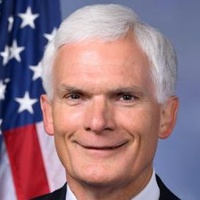
Robert Latta
Representative
OH
Robert Latta
Representative
OH
The Collaboration on Adversarial Threats and Security Risks Act creates a limited antitrust exemption to allow non-federal entities to collaborate on critical artificial intelligence security matters. This legislation enables companies to share information and coordinate efforts to mitigate national security risks, such as the weaponization or unauthorized access of AI systems. While facilitating these security partnerships, the Act maintains strict safeguards to prevent anti-competitive behavior and grants the Attorney General authority to intervene if collaborations threaten market integrity or fail to improve security.
This act promotes grid reliability and lowers energy costs by streamlining the environmental review process for transmission upgrades and expanding tax credits for high-performance grid modernization projects.
George Whitesides
Representative
CA
George Whitesides
Representative
CA
The Lowering Energy Costs through Grid Modernization Act aims to improve electrical grid efficiency and reliability by incentivizing the use of advanced transmission conductors. The bill streamlines the environmental review process for modernization projects and expands clean electricity investment tax credits to include high-performance transmission upgrades. These measures are designed to increase capacity, reduce congestion, and lower energy costs for consumers.
This bill restricts stock trading by Members of Congress and their families while establishing new federal requirements for voters to provide photo identification in federal elections.
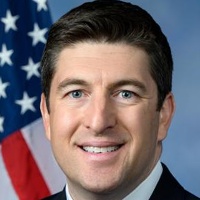
Bryan Steil
Representative
WI
Bryan Steil
Representative
WI
The Stop Insider Trading Act restricts Members of Congress, their spouses, and dependent children from purchasing or selling individual stocks to prevent conflicts of interest. Additionally, the bill mandates that voters provide valid photo identification when voting in person or by mail in federal elections.
The Preventing Forced Abortions Act of 2026 prohibits federal courts from enforcing surrogacy contract provisions that mandate abortion and protects a surrogate mother's right to full compensation regardless of her decision to carry a pregnancy to term.

Andrew Ogles
Representative
TN
Andrew Ogles
Representative
TN
The Preventing Forced Abortions Act of 2026 prohibits federal courts from enforcing surrogacy contract provisions that mandate abortion at the request of an intended parent. The bill ensures that surrogate mothers remain entitled to their full contractual compensation regardless of their refusal to undergo an abortion. Additionally, it grants federal district courts jurisdiction over civil disputes involving such surrogacy agreements.
The GPS Modernization Acceleration Act directs the President to expedite the upgrade of the GPS satellite constellation and ground systems to improve national security, enhance signal resilience, and protect critical infrastructure from interference.
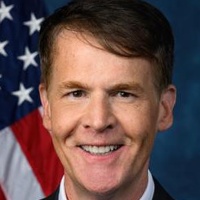
Jefferson Shreve
Representative
IN
Jefferson Shreve
Representative
IN
The GPS Modernization Acceleration Act directs the President to expedite the upgrade of the aging GPS satellite constellation and its ground control systems to counter emerging threats like signal jamming and spoofing. The bill mandates a comprehensive plan to improve military and civilian positioning, navigation, and timing resilience while prioritizing the development of a long-overdue terrestrial backup system. Additionally, it requires annual reports to Congress to ensure interagency coordination and the rapid deployment of secure, next-generation receiver technology across critical infrastructure and defense systems.
The STRATA Act of 2026 establishes a State Department-led program to strengthen national security and economic competitiveness by fostering international partnerships for the development and diversification of critical mineral supply chains.

Young Kim
Representative
CA
Young Kim
Representative
CA
The STRATA Act of 2026 establishes a State Department-led program to strengthen national security and economic competitiveness by partnering with trusted allies to develop secure, diversified critical mineral supply chains. The legislation fosters innovation through international research centers, streamlined technology adoption, and a digital platform for American businesses, while strictly prohibiting participation from adversarial nations. To ensure ongoing oversight, the Act includes a ten-year sunset provision that requires Congress to review and reauthorize these initiatives in the future.
This bill prohibits the Department of Labor from finalizing, implementing, or enforcing the proposed rule regarding heat injury and illness prevention in outdoor and indoor work settings.
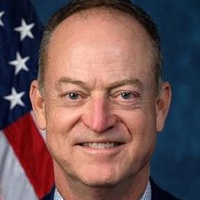
Mark Messmer
Representative
IN
Mark Messmer
Representative
IN
This act, the Heat Workforce Standards Act of 2025, prohibits the Secretary of Labor from finalizing, implementing, or enforcing the proposed rule regarding heat injury and illness prevention published in August 2024. This restriction extends to any future standard substantially similar to the one proposed.
This bill clarifies that a franchisor is only considered a joint employer of a franchisee's workers if it exercises substantial, direct, and immediate control over essential terms of employment.
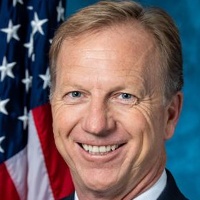
Kevin Hern
Representative
OK
Kevin Hern
Representative
OK
The American Franchise Act aims to protect the traditional franchise business model by clarifying the definition of a "joint employer." This legislation establishes that a franchisor is only considered a joint employer if it exercises "substantial direct and immediate control" over the essential terms of employment for a franchisee's workers. This change specifically targets liability risks associated with maintaining brand standards, ensuring franchisors are not automatically held responsible for local labor practices. The new standard applies prospectively to future legal proceedings.
This act amends Title IX to explicitly define "sex," "female," and "male" based on biological characteristics.
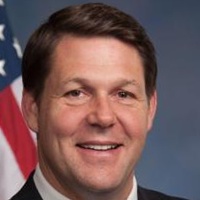
Jodey Arrington
Representative
TX
Jodey Arrington
Representative
TX
The Title IX Clarification Act of 2026 amends Title IX to explicitly define "sex," "female," and "male" based on an individual's biologically determined sex and reproductive system. This legislation clarifies the scope of sex-based protections under federal education law. The changes take effect immediately upon enactment.
The Chloe Cole Act of 2026 establishes a private right of action allowing individuals to sue healthcare providers for damages resulting from gender-transition medical interventions performed on them as minors.
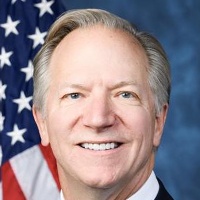
Robert Onder
Representative
MO
Robert Onder
Representative
MO
The Chloe Cole Act of 2026 establishes a federal private right of action allowing individuals to sue healthcare professionals and institutions for damages related to gender-transition medical interventions performed on them as minors. The bill permits lawsuits regardless of when the intervention occurred and sets a statute of limitations extending 25 years past the individual's 18th birthday. Additionally, it mandates strict liability for such interventions performed after the Act's enactment.
This bill mandates electronic prior authorization, increases transparency through required data reporting, and establishes faster decision timelines for Medicare Advantage plans to improve timely access to care for seniors.
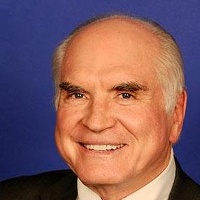
Mike Kelly
Representative
PA
Mike Kelly
Representative
PA
The Improving Seniors’ Timely Access to Care Act of 2025 aims to streamline and modernize the prior authorization process within Medicare Advantage plans. This bill mandates the adoption of electronic prior authorization systems and significantly increases transparency regarding approval rates and decision times starting in 2027. Furthermore, it establishes new enrollee protections and grants the Secretary authority to enforce faster decision timeframes for medical services.
The Essential Caregivers Act of 2026 mandates that long-term care facilities allow residents to designate essential caregivers who maintain in-person visitation rights even during periods when regular visitation is suspended.

Claudia Tenney
Representative
NY
Claudia Tenney
Representative
NY
The Essential Caregivers Act of 2026 ensures that residents in long-term care facilities maintain access to designated essential caregivers, even when general visitation is suspended. The bill mandates that facilities allow residents to appoint up to two caregivers who can provide in-person support, provided they adhere to established safety protocols. It also prioritizes the investigation of access complaints and guarantees that these visitation rights cannot be waived during emergencies.
This Act prohibits payment card networks and processors from assigning specific merchant category codes to identify firearms retailers, protecting the privacy of firearm and ammunition purchases.
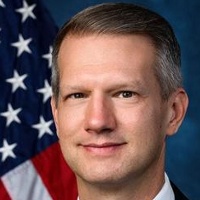
Riley Moore
Representative
WV
Riley Moore
Representative
WV
The Protecting Privacy in Purchases Act prohibits payment card networks and processors from assigning specific merchant category codes to firearms retailers. This legislation aims to protect consumer privacy by preventing the tracking of firearm and ammunition purchases through specialized financial classification. The Attorney General is tasked with enforcing these provisions and reporting annually on compliance.
The TOTAL Screen Time Act directs the National Institute of Standards and Technology to develop voluntary technical standards for managing and limiting screen time for minors across various electronic devices.
George Whitesides
Representative
CA
George Whitesides
Representative
CA
The TOTAL Screen Time Act directs the National Institute of Standards and Technology (NIST) to develop voluntary technical standards for managing screentime limits across phones, computers, gaming consoles, and other devices. This initiative aims to provide parents and guardians with secure, privacy-focused tools to help manage the digital habits of minors. The bill also mandates regular reporting to Congress to track the development and adoption of these standards.
The Sunshine for Our Kids Act of 2026 establishes permanent standard time nationwide while granting states the authority to opt into year-round daylight saving time.

Mary Scanlon
Representative
PA
Mary Scanlon
Representative
PA
The Sunshine for Our Kids Act of 2026 establishes standard time as the permanent default across the United States. Additionally, the bill provides states with the flexibility to adopt daylight saving time year-round through state legislation.
The Preserving Our Constitution Act of 2026 prohibits federal courts and government entities from recognizing or enforcing any foreign or religious laws that conflict with the U.S. Constitution and the fundamental rights it guarantees.
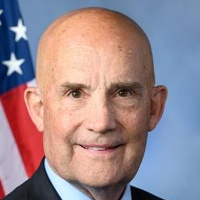
Keith Self
Representative
TX
Keith Self
Representative
TX
The Preserving Our Constitution Act of 2026 prohibits U.S. courts and government entities from recognizing or enforcing any foreign or religious laws, customs, or practices that conflict with the U.S. Constitution. This legislation ensures that individual rights and liberties remain protected by preventing the application of legal systems that violate constitutional protections, such as equal protection and due process.