Legislative Activity
Track Jahana's sponsored bills, co-sponsored legislation, and voting record
The Time for Completion Act requires colleges to provide more transparent and detailed reporting on student graduation and completion rates across various timeframes and student demographics.
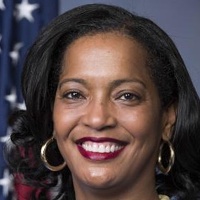
Jahana Hayes
Representative
CT
Jahana Hayes
Representative
CT
The Time for Completion Act increases transparency in higher education by requiring colleges to provide more detailed graduation and completion data. Institutions must now report success rates across multiple time intervals and student categories, ensuring students have a clearer, more accurate picture of how long it takes to earn a degree or certificate.
This resolution reaffirms the commitment to universal accessibility by advocating for the full implementation of disability-inclusive design standards across all federally funded infrastructure and public facilities.
Jahana Hayes
Representative
CT
Jahana Hayes
Representative
CT
This resolution reaffirms the federal commitment to ensuring equal access to public facilities and rights-of-way for all individuals, including the more than 70 million Americans living with disabilities. It supports the full implementation of accessibility guidelines for pedestrian infrastructure and pledges to prioritize universal, inclusive design in all future federal projects. By upholding the principles of the Americans with Disabilities Act, the bill aims to remove systemic barriers and guarantee that all citizens can engage fully and safely in society.
The Green Ribbon Act of 2026 establishes programs within the Department of Education and the Institute of Museum and Library Services to recognize and support schools and nonformal learning institutions in achieving environmental sustainability, health, and literacy goals, while also creating an Office of School Infrastructure and Sustainability.
Jahana Hayes
Representative
CT
Jahana Hayes
Representative
CT
The Green Ribbon Act of 2026 establishes a Department of Education program to recognize schools achieving excellence in environmental literacy, emission reductions, and positive health impacts. It also creates a parallel award program for non-formal learning institutions through the Institute of Museum and Library Services. Furthermore, the Act establishes a new Office of School Infrastructure and Sustainability within the Department of Education to provide technical assistance and oversee these initiatives.
This act prohibits healthcare providers from charging separate facility fees for telehealth visits when the service provider can already bill independently.
Jahana Hayes
Representative
CT
Jahana Hayes
Representative
CT
The Fair Telehealth Billing Act of 2026 prohibits healthcare providers and facilities from charging separate facility fees for telehealth visits when the service provider can bill independently. This measure aims to ensure fair billing practices for remote care services. Violations may result in civil monetary penalties assessed by the Secretary of Labor.
This Act establishes federal grants to support two-year, high-quality induction and mentorship programs designed to improve the effectiveness and retention of beginning public school teachers and school leaders, particularly in high-need areas.
Jahana Hayes
Representative
CT
Jahana Hayes
Representative
CT
The Beginning Educator Mentorship and Retention Act aims to combat high teacher turnover by funding robust, two-year induction and mentorship programs for new educators and school leaders. This legislation establishes competitive grants for states to implement these programs, prioritizing support for high-need and rural schools. The goal is to improve teacher effectiveness, boost retention rates, and ultimately enhance student learning outcomes.
This Act establishes a pilot program to award grants to school food authorities to promote the preparation of school meals using unprocessed or minimally processed ingredients.
Jahana Hayes
Representative
CT
Jahana Hayes
Representative
CT
The Scratch Cooked Meals for Students Act establishes a pilot program to award competitive grants to school food authorities promoting the preparation of meals using unprocessed or minimally processed ingredients. These grants will fund training, equipment upgrades, and other necessary support for increasing scratch cooking in school meal programs. Priority will be given to authorities serving high-need student populations that commit to self-operation and workforce agreements.
This act simplifies and updates federal loan forgiveness provisions for teachers under the Higher Education Act of 1965.
Jahana Hayes
Representative
CT
Jahana Hayes
Representative
CT
The Teacher Debt Relief Act aims to simplify and update existing federal loan forgiveness programs for educators. This legislation amends the Higher Education Act of 1965 to streamline the requirements for teachers seeking loan cancellation.
This resolution designates the week of May 4 through May 8, 2026, as Teacher Appreciation Week while recognizing the critical role and priorities of the nation's public school teachers.
Jahana Hayes
Representative
CT
Jahana Hayes
Representative
CT
This resolution officially designates the week of May 4 through May 8, 2026, as Teacher Appreciation Week. It recognizes the vital role of public school teachers and highlights their key priorities, including support for existing federal protections and funding. Furthermore, the bill encourages leaders to engage directly with teachers to ensure their expertise informs education policy.
This resolution supports designating the week of April 27 through May 1, 2026, as "National Specialized Instructional Support Personnel Appreciation Week" to recognize their vital role in student success.
Jahana Hayes
Representative
CT
Jahana Hayes
Representative
CT
This resolution supports designating the week of April 27 through May 1, 2026, as "National Specialized Instructional Support Personnel Appreciation Week." It recognizes the vital role of over one million school-based professionals, such as counselors, social workers, and therapists, in removing barriers to learning for all students. The bill commends these individuals for delivering essential educational, social, and emotional support that improves student outcomes and school climate.
The YouthBuild for the Future Act reauthorizes and updates the YouthBuild program to provide education, job training, and green building experience for low-income young people, while also establishing new grants for employer partnerships.
Jahana Hayes
Representative
CT
Jahana Hayes
Representative
CT
The YouthBuild for the Future Act reauthorizes and updates the YouthBuild program through 2030, providing education, job training, and leadership development for low-income young people, with a focus on green building skills. The bill increases funding authorization and expands allowable services, such as food assistance and help applying for benefits. It also establishes a new grant program to create employer partnerships that connect participants directly to local job opportunities.
This Act establishes a grant program to fund evidence-based and innovative strategies addressing the academic, social-emotional, and health needs of students, particularly those impacted by the COVID-19 pandemic.
Jahana Hayes
Representative
CT
Jahana Hayes
Representative
CT
The Educational Equity Challenge Grant Act of 2026 establishes a grant program to help eligible entities address students' academic, social-emotional, and health needs, particularly those exacerbated by the COVID-19 pandemic. Funds will be awarded for evidence-based strategies and innovative, educator-initiated proposals focused on high-need students. The bill prioritizes funding for rural and low-income areas while requiring robust reporting on outcomes and impact.
The Social Determinants for Moms Act establishes federal grant programs and a dedicated task force to improve maternal health outcomes by addressing the nonclinical social factors that impact pregnant and postpartum individuals.
Jahana Hayes
Representative
CT
Jahana Hayes
Representative
CT
The Social Determinants for Moms Act aims to reduce maternal mortality and health disparities by addressing the nonclinical factors that impact pregnancy and postpartum outcomes. The bill establishes federal grant programs to provide essential services—such as housing, nutrition, transportation, and childcare—to pregnant and postpartum individuals. Additionally, it creates a federal task force to coordinate cross-agency strategies to improve maternal health and support community-led initiatives across the country.
This bill establishes a grant program to fund evidence-based initiatives connecting schools with community systems to improve trauma support and mental health services for students and staff.
Jahana Hayes
Representative
CT
Jahana Hayes
Representative
CT
The Supporting Trauma-Informed Education Practices Act of 2026 establishes a grant program to enhance access to evidence-based trauma support and mental health services for students and school staff. This funding aims to foster stronger connections between schools and community mental health systems through collaboration, professional development, and direct student services. The bill authorizes $50 million annually from FY 2027 through 2031 to support these critical initiatives.
The School MEALS Act of 2025 aims to increase access to free school meals by piloting direct certification via Medicaid data, providing grants to improve certification rates, and enhancing the Community Eligibility Provision.
Jahana Hayes
Representative
CT
Jahana Hayes
Representative
CT
The School MEALS Act of 2025 aims to improve access to free school meals by establishing a pilot program allowing states to use Medicaid data for direct certification. It also creates grants and technical assistance to boost direct certification rates across the nation. Furthermore, the bill enhances the Community Eligibility Provision (CEP) counting periods and increases the minimum verification sample size for direct certification.
This act repeals specific sections of a prior reconciliation act to restore previous laws affecting American families and farmers.
Jahana Hayes
Representative
CT
Jahana Hayes
Representative
CT
The Restoring Food Security for American Families and Farmers Act of 2025 aims to strengthen domestic food security by repealing specific sections of a prior reconciliation act. This action effectively revives the original laws that were previously amended by the repealed provisions. The bill seeks to revert existing agricultural and food-related statutes to their pre-amendment status.
This Act ensures uninterrupted funding and operation for the SNAP and WIC programs through fiscal year 2026, even if appropriations for the Department of Agriculture are delayed.
Jahana Hayes
Representative
CT
Jahana Hayes
Representative
CT
The Keep SNAP and WIC Funded Act of 2025 ensures that the Supplemental Nutrition Assistance Program (SNAP) and the Special Supplemental Nutrition Program for Women, Infants, and Children (WIC) continue to operate without interruption in fiscal year 2026 if standard appropriations are delayed. If funding lapses, the Secretary of Agriculture is authorized to use funds from the Treasury to provide benefits and reimburse state agencies. This special funding remains in effect until full appropriations are enacted or until September 30, 2026.
The Tipped Worker Protection Act phases out the lower minimum wage for tipped employees, establishes stricter rules for tip retention and pooling via employee vote, and redefines what constitutes a tip.
Jahana Hayes
Representative
CT
Jahana Hayes
Representative
CT
The Tipped Worker Protection Act aims to eliminate the lower minimum wage for tipped employees by phasing out the tip credit system, ensuring all workers eventually receive the standard federal minimum wage. The bill also establishes strict new rules regarding tip pooling, mandates employee voting to create or change pooling systems, and prohibits employers from keeping any portion of employee tips. Furthermore, it clarifies what constitutes a tip, including certain mandatory service charges, and updates penalties for illegal tip retention.
This act mandates that the military review and update all online suicide prevention and behavioral health resources on installation websites by August 1, 2027, and certify their accuracy to Congress.
Jahana Hayes
Representative
CT
Jahana Hayes
Representative
CT
The Accurate Mental Health Resources for Our Servicemembers Act of 2025 mandates that each military branch thoroughly review and update all online suicide prevention and behavioral health resources on installation websites by August 1, 2027. This ensures servicemembers have access to current and accurate contact information and links. Following the updates, military department heads must formally certify compliance to Congress.
This Concurrent Resolution affirms Congress's commitment to ensuring equal physical access to federally funded facilities for all people, especially those with disabilities, by supporting existing laws and pledging to use universal design principles in future projects.
Jahana Hayes
Representative
CT
Jahana Hayes
Representative
CT
This Concurrent Resolution affirms the importance of equal physical access to federally funded facilities for all Americans, especially people with disabilities. It recognizes that current infrastructure often fails to meet the needs of the growing population of people with disabilities. The resolution reaffirms support for existing accessibility laws like the ADA and pledges to use universal design principles in future federal projects. Ultimately, it calls for the removal of existing barriers to ensure full societal participation.
The CARE for Kids Act of 2025 expands automatic enrollment and extends eligibility for free and reduced-price school meals for children in foster care, kinship guardianship, adoption assistance, and specific low-income housing situations.
Jahana Hayes
Representative
CT
Jahana Hayes
Representative
CT
The CARE for Kids Act of 2025 streamlines access to free and reduced-price school meals for vulnerable children. It expands automatic direct certification eligibility for children in foster care, kinship guardianship, or receiving adoption assistance. The bill also ensures that a child's meal eligibility status is maintained when transferring between school districts or when entering the care of a relative. These changes aim to reduce administrative burdens and ensure consistent food access for children facing housing or custody instability.