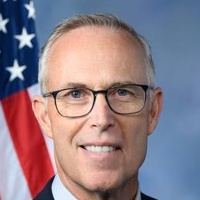
Legislative Activity
Track Jared's sponsored bills, co-sponsored legislation, and voting record
This resolution expresses the House's view that President Trump must immediately submit plans to Congress for accepting a jumbo jet gift from Qatar to comply with the Foreign Emoluments Clause.
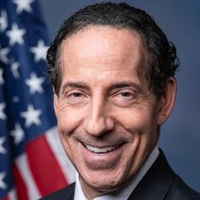
Jamie Raskin
Representative
MD
Jamie Raskin
Representative
MD
This resolution expresses the sense of the House that President Trump must comply with the Foreign Emoluments Clause regarding a reported gift of a jumbo jet from Qatar. It calls on the President to immediately submit all plans for accepting this significant gift to Congress. The bill emphasizes that the Constitution requires Congressional consent before the President can accept valuable items from foreign governments.
This Act establishes new federal requirements, including pre-arrival health documentation and permits, for importing live dogs into the United States.
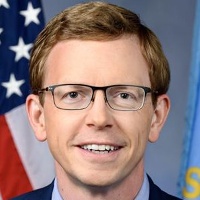
Dusty Johnson
Representative
SD
Dusty Johnson
Representative
SD
The Healthy Dog Importation Act establishes new federal requirements for bringing live dogs into the United States, mandating advance electronic health documentation, vaccinations, and permanent identification for most imports. This law defines key roles like "Importer" and sets specific age and permitting requirements for dogs intended for transfer or sale after arrival. The Secretary of Agriculture is tasked with creating detailed regulations within 18 months to enforce these health and documentation standards, while also outlining specific exceptions for returning pets and working dogs.
This bill prohibits the use of federal funds to implement Executive Order 14160, which sought to limit birthright citizenship guaranteed by the Fourteenth Amendment.
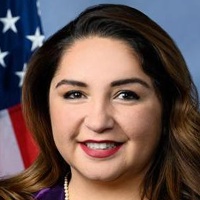
Delia Ramirez
Representative
IL
Delia Ramirez
Representative
IL
The Born in the USA Act of 2025 declares that Executive Order 14160, which attempted to restrict birthright citizenship, is unconstitutional and contrary to the 14th Amendment. This Act prohibits the use of any federal funds to implement or enforce that Executive Order. It affirms the established constitutional right to birthright citizenship for nearly everyone born on U.S. soil.
The Water Affordability, Transparency, Equity, and Reliability Act of 2025 establishes a dedicated trust fund financed by a corporate tax increase to improve water infrastructure, mandate affordability and equity reporting, and expand job training and assistance for underserved communities.
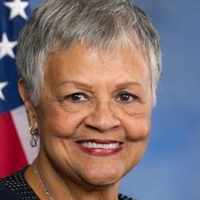
Bonnie Watson Coleman
Representative
NJ
Bonnie Watson Coleman
Representative
NJ
The Water Affordability, Transparency, Equity, and Reliability Act of 2025 establishes a dedicated federal Trust Fund, financed by an increase in the corporate tax rate, to support water infrastructure and affordability programs nationwide. The bill mandates a comprehensive EPA report analyzing water affordability, civil rights compliance, and public participation in water planning. It also significantly increases funding for household water well systems and revises state revolving loan fund rules to expand eligible projects, including lead line replacement and PFAS contamination cleanup. Finally, the Act creates new job training grants for the water sector and enhances drinking water assistance for colonias.
This bill prohibits individuals under 18 from having direct contact with tobacco plants or dried tobacco leaves on farms to strengthen child labor protections in tobacco agriculture.
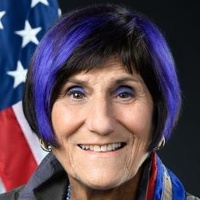
Rosa DeLauro
Representative
CT
Rosa DeLauro
Representative
CT
The Children Don't Belong on Tobacco Farms Act amends child labor laws to prohibit individuals under 18 from having direct contact with tobacco plants or dried tobacco leaves. This change ensures that agricultural work involving direct handling of tobacco falls under federal child labor protections. The bill specifically updates exemptions to reflect this new restriction on youth employment in tobacco agriculture.
This Act mandates that health plans cover medically necessary treatment for congenital anomalies or birth defects affecting the eyes, ears, teeth, mouth, or jaw to restore normal function and appearance.
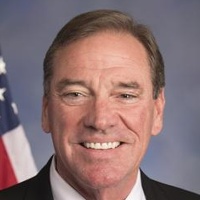
Neal Dunn
Representative
FL
Neal Dunn
Representative
FL
The Ensuring Lasting Smiles Act mandates that group health plans and insurance policies provide comprehensive coverage for medically necessary treatment related to congenital anomalies or birth defects affecting the eyes, ears, teeth, mouth, or jaw. This coverage must include services needed to restore normal function and appearance, including necessary dental and orthodontic support. Plans must apply cost-sharing rules no more restrictive than those for other medical benefits, excluding purely cosmetic procedures.
Violet's Law mandates that federal research facilities establish procedures to place retired dogs, cats, nonhuman primates, guinea pigs, hamsters, and rabbits with approved rescue organizations, sanctuaries, shelters, or individuals.
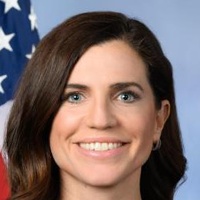
Nancy Mace
Representative
SC
Nancy Mace
Representative
SC
Violet's Law mandates that federal research facilities establish procedures to place retired research animals, including dogs, cats, and primates, into new homes. These facilities must adhere to the Animal Welfare Act standards and ensure animals are certified healthy by a veterinarian before adoption. Eligible placements include registered animal rescue organizations, sanctuaries, shelters, or private individuals.
This Act prohibits the advertising and provision of paid conversion therapy intended to change an individual's sexual orientation or gender identity, empowering the FTC and State Attorneys General to enforce these prohibitions.
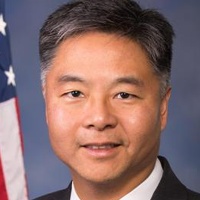
Ted Lieu
Representative
CA
Ted Lieu
Representative
CA
The Therapeutic Fraud Prevention Act of 2025 declares that practices attempting to change an individual's sexual orientation or gender identity for payment constitute an unfair and deceptive business practice. Citing professional consensus on the ineffectiveness and harm of such "conversion therapy," the bill prohibits its provision and advertising. Enforcement authority is granted to the Federal Trade Commission (FTC), and the law allows both the U.S. Attorney General and State Attorneys General to file civil actions against violators.
This Act establishes a grant program to provide emergency assistance to farm workers affected by covered disasters through eligible worker organizations.
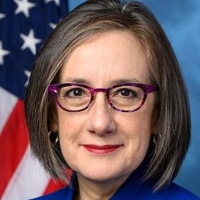
Andrea Salinas
Representative
OR
Andrea Salinas
Representative
OR
The Disaster Relief for Farm Workers Act establishes a new grant program to provide emergency assistance to farm workers following covered disasters, such as severe weather or health crises. Beginning in fiscal year 2026, the Secretary must award grants to eligible farm worker organizations to deliver direct relief and build community resilience. These funds are specifically designated to help workers who lose income or are unable to work due to a qualifying event.
This Act restricts law enforcement from using intercepted communications or compelled records containing reproductive or sexual health information to investigate or prosecute individuals seeking or providing related care.
Ted Lieu
Representative
CA
Ted Lieu
Representative
CA
The Reproductive Data Privacy and Protection Act restricts law enforcement from using intercepted communications or compelled records that contain reproductive or sexual health information to investigate or prosecute individuals seeking or providing related care. This bill mandates specific sworn statements in wiretap applications and court orders, and in demands for electronic records, affirming that sensitive health details will not be used for such purposes. The Act broadly defines reproductive and sexual health information to ensure comprehensive protection.
This act establishes research grants and training programs to develop and implement PFAS-free, next-generation turnout gear to protect firefighters from occupational illness and injury.

Debbie Dingell
Representative
MI
Debbie Dingell
Representative
MI
The PFAS Alternatives Act aims to protect firefighters by funding research and development for next-generation turnout gear that eliminates harmful PFAS chemicals. The bill establishes grants through NIOSH to create safer, PFAS-free protective equipment and separate funding for training programs on the proper care of this new gear. Ultimately, this legislation seeks to reduce occupational illness and injury among fire and EMS personnel.
The Captive Primate Safety Act of 2025 bans the interstate commerce, breeding, and possession of most nonhuman primates, with limited exceptions for existing registered owners and research facilities.

Mike Quigley
Representative
IL
Mike Quigley
Representative
IL
The Captive Primate Safety Act of 2025 amends the Lacey Act to prohibit the importation, sale, breeding, and possession of most nonhuman primates across state lines. This sweeping ban includes species like monkeys and lemurs, with limited exceptions for registered research facilities and existing owners who register their animals promptly. The law establishes immediate prohibitions, even before the Secretary of the Interior finalizes all associated regulations.
This resolution expresses support for designating May 5, 2025, as the "National Day of Awareness for Missing and Murdered Indigenous Women and Girls" while urging action to address the crisis of violence against Native women and girls.
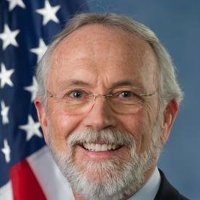
Dan Newhouse
Representative
WA
Dan Newhouse
Representative
WA
This resolution expresses the House of Representatives' support for designating May 5, 2025, as the "National Day of Awareness for Missing and Murdered Indigenous Women and Girls." It highlights the severe crisis of violence against Native women and girls and calls for remembrance and support for affected families. Additionally, the bill urges the Department of Justice to conduct an updated study on the data surrounding this ongoing national tragedy.
This resolution expresses support for Wildfire Preparedness Week to educate the public on fire safety, promote preventative measures, and raise awareness about the dangers and scale of wildfires.
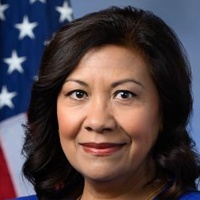
Norma Torres
Representative
CA
Norma Torres
Representative
CA
This resolution expresses strong support for designating May 4 through May 10, 2025, as Wildfire Preparedness Week. The measure aims to raise public awareness about the dangers of wildfires and promote essential fire safety and community preparedness education. It highlights the need for proactive measures, such as evacuation planning and better land management, to mitigate the growing threat posed by these destructive events.
This bill mandates that certain immigration officers prominently display large, visible identification during all immigration enforcement actions.
Bonnie Watson Coleman
Representative
NJ
Bonnie Watson Coleman
Representative
NJ
This bill mandates that certain immigration officers from agencies like CBP and ICE must clearly display large, highly visible identification during all enforcement actions. The identification, at least 12x6 inches, cannot be obscured by external gear like body armor. This ensures clear identification of immigration officers while they are actively carrying out their duties.
This resolution expresses Congressional support for designating May 4, 2025, as a "National Day of Reason" to celebrate the essential role of logic and evidence in advancing humanity and protecting democracy.
Jamie Raskin
Representative
MD
Jamie Raskin
Representative
MD
This resolution expresses strong support for designating May 4, 2025, as a "National Day of Reason." It recognizes the essential role of logic, critical thinking, and evidence in advancing human progress and safeguarding democracy. The bill encourages all Americans to observe this day by highlighting the importance of reason in solving societal challenges.
The REHIRE Act grants a special hiring preference, including five extra points, to certain Federal employees involuntarily removed between January 1, 2025, and January 1, 2027, provided they were not removed for misconduct or poor performance.
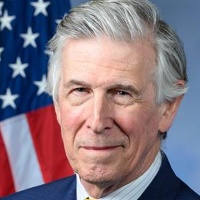
Donald Beyer
Representative
VA
Donald Beyer
Representative
VA
The REHIRE Act establishes a temporary hiring preference for certain Federal employees involuntarily removed from their positions between January 1, 2025, and January 1, 2027. These eligible former employees will receive the equivalent of a "preference eligible" status plus five extra points on their earned scores when applying for competitive service jobs. This hiring advantage excludes those removed for misconduct, poor performance, or from political positions, and it expires five years after enactment.
The PREP Act shortens the initial probationary period for federal employees, often to six months, when they are transferring from another executive branch civil service position.
Donald Beyer
Representative
VA
Donald Beyer
Representative
VA
The Probationary Reduction for Employee Protections (PREP) Act shortens the initial probationary periods for new federal employees. Specifically, it limits the trial period to a maximum of six months for those transitioning directly from another executive branch civil service job. For other new hires, the maximum probationary period will be 12 months across competitive service, excepted service, and Senior Executive Service appointments.
This bill bans the manufacture, sale, and transfer of specific semiautomatic assault weapons and large-capacity ammunition feeding devices while grandfathering existing possessions and establishing new transfer requirements.
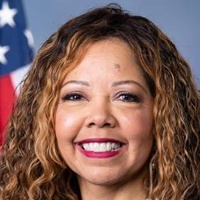
Lucy McBath
Representative
GA
Lucy McBath
Representative
GA
The Assault Weapons Ban of 2025 comprehensively defines and bans the manufacture, sale, and transfer of specific semiautomatic assault weapons and large capacity ammunition feeding devices. The bill grandfathers existing weapons but imposes new requirements for their secure storage and mandates dealer involvement for future private transfers. It also allows federal grant money to be used by states for buy-back programs targeting these banned items.
The Better CARE for Animals Act of 2025 strengthens the enforcement of the Animal Welfare Act by expanding investigative authority, establishing new civil penalties up to \$10,000 per day, and explicitly granting the Attorney General power to file civil actions, including seeking seizure and forfeiture of animals.
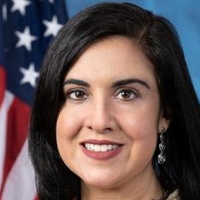
Nicole Malliotakis
Representative
NY
Nicole Malliotakis
Representative
NY
The Better CARE for Animals Act of 2025 significantly strengthens enforcement of the Animal Welfare Act by clarifying definitions and expanding the scope of investigations. It grants the Attorney General explicit authority to file civil actions seeking penalties up to $10,000 per day, and mandates that collected fines help cover temporary animal care costs. The bill also requires the Secretary of Agriculture and the Attorney General to establish a formal agreement for coordinated enforcement.