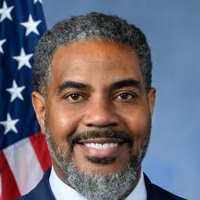
Legislative Activity
Track Steven's sponsored bills, co-sponsored legislation, and voting record
This bill establishes a five-year pilot program to expand work-study allowance eligibility for student veterans enrolled at least half-time and mandates annual reporting on participant outcomes.
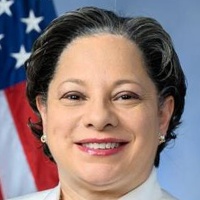
Jennifer McClellan
Representative
VA
Jennifer McClellan
Representative
VA
The Student Veteran Work Study Modernization Act establishes a five-year pilot program to expand eligibility for the VA work-study allowance to veterans pursuing certain educational or training programs at a half-time enrollment level. This allows more student veterans to benefit from work-study opportunities without meeting the current three-quarter-time enrollment requirement. Additionally, the Secretary of Veterans Affairs is required to submit annual reports detailing participation and outcomes for veterans in the work-study program.
This resolution supports the goals of National Domestic Violence Awareness Month, highlights the pervasive and devastating impact of intimate partner violence across all demographics, and calls for increased funding for prevention and support programs.
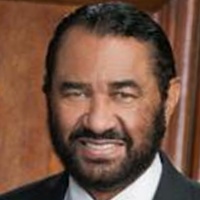
Al Green
Representative
TX
Al Green
Representative
TX
This resolution designates October as National Domestic Violence Awareness Month to highlight the widespread and devastating impact of intimate partner violence across all demographics. It recognizes the urgent need to eliminate domestic violence and supports increased funding for intervention and prevention programs. The resolution underscores the severe physical, emotional, and economic toll this abuse takes on individuals, families, and communities.
This bill extends and modifies various tax credits for energy production, efficiency improvements, and clean vehicle adoption to lower energy costs and support American energy leadership.
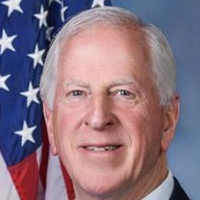
Mike Thompson
Representative
CA
Mike Thompson
Representative
CA
The American Energy Independence and Affordability Act is a comprehensive bill designed to lower energy costs by extending and adjusting key tax incentives across energy production, efficiency, and clean vehicle adoption. It stabilizes support for renewable energy manufacturing, extends deadlines for energy-efficient building credits, and ensures consumer incentives for electric vehicles remain available through 2032. Overall, the legislation aims to provide long-term certainty for energy investments and consumer adoption of cleaner technologies.
This Act expands charitable tax deductions for donations of food storage, transportation, and meal preparation equipment to organizations serving those in need.
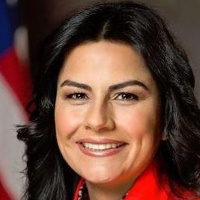
Nanette Barragán
Representative
CA
Nanette Barragán
Representative
CA
The Feed the Community Act amends tax law to encourage charitable donations of essential food service equipment, such as refrigerators, transport vehicles, and preparation tools. This bill expands the definition of eligible donated property beyond just food inventory to include functional food storage, transport, and meal preparation equipment. Donors can elect to limit the reduction in their charitable deduction for these specific donations, subject to certain dollar limits for transport and preparation equipment. These changes are set to take effect for taxable years beginning after December 31, 2025.
This resolution commends the Summerlin South Little League baseball team for winning the 2025 Little League World Series United States Championship.
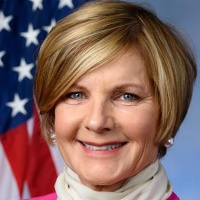
Susie Lee
Representative
NV
Susie Lee
Representative
NV
This resolution formally commends and congratulates the Summerlin South Little League baseball team for their outstanding achievement in winning the 2025 Little League World Series United States Championship. The bill recognizes the team's historic victories and acknowledges the dedication of the players, coaches, and support staff. It officially celebrates their success as the first team from Summerlin South to reach the Little League World Series Tournament.
This act ensures that state and local funds used to keep Head Start and Early Head Start programs running during a federal government shutdown are fully reimbursed.
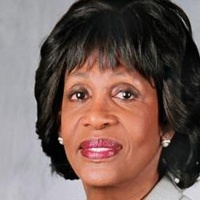
Maxine Waters
Representative
CA
Maxine Waters
Representative
CA
The Head Start Shutdown Protection Act of 2025 ensures that states, local governments, or school districts are reimbursed for any of their own funds used to keep Head Start and Early Head Start programs operational during a lapse in federal appropriations. This legislation protects these vital early childhood education services from disruption caused by government shutdowns. By guaranteeing reimbursement, the Act encourages local entities to maintain program continuity without bearing the financial burden.
This resolution officially congratulates the Las Vegas Aces on winning the 2025 WNBA Championship, recognizing their record-breaking season and historic achievements.
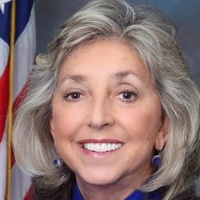
Dina Titus
Representative
NV
Dina Titus
Representative
NV
This resolution officially congratulates the Las Vegas Aces on winning the 2025 Women's National Basketball Association (WNBA) Finals. It celebrates their dominant performance, including sweeping the Phoenix Mercury, and recognizes the contributions of the players and organization leadership. The bill also highlights the team's record-setting regular season and Aja Wilson's historic MVP win.
This Act mandates that all states must operate the WIC program and guarantees necessary funding through permanent appropriation starting in fiscal year 2026.
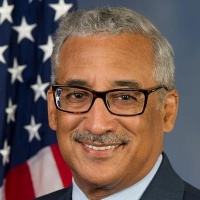
Robert Scott
Representative
VA
Robert Scott
Representative
VA
The WIC Benefits Protection Act mandates that all states must operate the Special Supplemental Nutrition Program for Women, Infants, and Children (WIC). This legislation also guarantees permanent, mandatory funding for WIC starting in fiscal year 2026, ensuring the program has the necessary resources annually. Furthermore, it clarifies eligibility language within the program's governing statute.
This bill mandates that the House of Representatives convene daily during a government shutdown, requiring recorded quorum calls with fines for non-attendance.
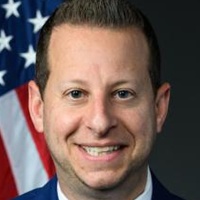
Jared Moskowitz
Representative
FL
Jared Moskowitz
Representative
FL
This bill mandates that the House of Representatives must convene daily during a government shutdown, limiting their ability to adjourn. It requires recorded quorum calls on session days, imposing escalating fines on members who fail to check in electronically for two consecutive days. These fines must be paid by the member personally, with procedures established for appeals and automatic salary deduction for non-payment.
This resolution condemns the October 7th Hamas attacks, demands the immediate and unconditional surrender of Hamas and the release of all hostages, and reaffirms support for Israel's right to self-defense while condemning global antisemitism.
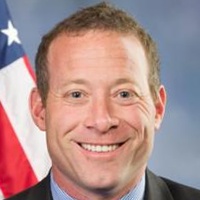
Josh Gottheimer
Representative
NJ
Josh Gottheimer
Representative
NJ
This resolution strongly condemns the brutal October 7th attacks by Hamas, demanding the immediate and unconditional surrender of the terrorist group and the release of all hostages, including Americans. It reaffirms Israel's right to self-defense while urging international action against Hamas and condemning the global surge in antisemitism. The measure serves as a formal statement of U.S. policy and support following the attacks.
This bill authorizes the Federal Government to reimburse states for using their own funds to maintain WIC program operations during a lapse in federal appropriations.
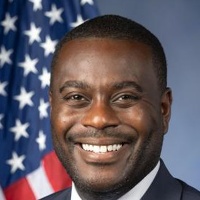
Gabe Amo
Representative
RI
Gabe Amo
Representative
RI
This bill ensures that states are reimbursed by the Federal Government for any state funds they use to maintain essential operations of the Special Supplemental Nutrition Program for Women, Infants, and Children (WIC) during a lapse in federal appropriations. It provides a mechanism for the Federal Government to pay back states that cover WIC costs during a government shutdown. This protects state budgets while keeping vital nutrition assistance running.
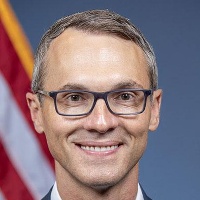
The FAST Justice Act allows federal employees or job applicants to file a civil lawsuit in district court if the Merit Systems Protection Board (MSPB) fails to decide their appeal within 120 days.
James Walkinshaw
Representative
VA
James Walkinshaw
Representative
VA
The Fair Access to Swift and Timely Justice Act, or FAST Justice Act, allows federal employees or job applicants to file a civil lawsuit in federal district court if the Merit Systems Protection Board (MSPB) fails to issue a decision on their appeal within 120 days. This provision provides an alternative remedy when the MSPB's review process causes undue delay. Filing a lawsuit pauses the MSPB appeal, but the original appeal rights remain intact if the lawsuit is dismissed.
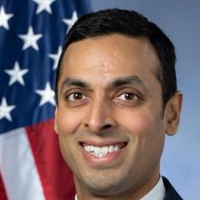
This bill allows federal contractors and affected government employees to make tax-advantaged retirement plan withdrawals during a government shutdown, with provisions for repayment within three years.
Suhas Subramanyam
Representative
VA
Suhas Subramanyam
Representative
VA
The Emergency Relief for Federal Contractors Act of 2025 allows individuals affected by a federal appropriations lapse to make tax-favored withdrawals of up to \$30,000 from their retirement plans without incurring early withdrawal penalties. These distributions can be repaid within three years and the taxable income can be spread over three years. This relief specifically targets furloughed federal contractors, grantee employees, and certain D.C. government workers impacted by shutdowns lasting two weeks or more.
This bill requires federal financial regulators to create and quickly disseminate guidance encouraging lenders to offer flexible, fair accommodations to consumers and businesses impacted by a government shutdown.
Suhas Subramanyam
Representative
VA
Suhas Subramanyam
Representative
VA
The Shutdown Guidance for Financial Institutions Act requires federal financial regulators to create and issue guidance for banks and lenders on how to support customers and businesses affected by a government shutdown. This guidance must encourage flexible loan adjustments and prevent unfair negative credit reporting for those experiencing income loss due to the lapse in funding. Regulators must also issue rapid alerts when a shutdown occurs and report on the effectiveness of the guidance afterward.
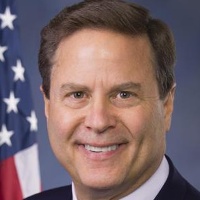
The Trust Through Transparency Act of 2025 mandates body camera usage for immigration enforcement agents, establishes specific video retention schedules, and requires annual public reporting on compliance and disciplinary actions.
Donald Norcross
Representative
NJ
Donald Norcross
Representative
NJ
The Trust Through Transparency Act of 2025 mandates that federal immigration enforcement agents wear body cameras during public-facing duties. The bill establishes specific rules for retaining video footage, generally requiring deletion after six months unless exceptions like use of force or a filed complaint apply. Furthermore, it requires annual public reporting to Congress on compliance and establishes an advisory panel to recommend best practices for camera usage and data management.
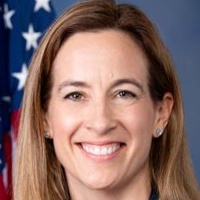
The Child Care for Every Community Act establishes a national framework to guarantee universal access to high-quality, regulated early learning programs with mandated national standards and comparable pay for staff.
Mikie Sherrill
Representative
NJ
Mikie Sherrill
Representative
NJ
The Child Care for Every Community Act establishes a national framework to guarantee universal access to high-quality, regulated child care and early learning programs for every young child. It mandates federal standards for quality, ensures child care staff receive pay comparable to K-12 employees, and requires local coordination with school systems. Furthermore, the bill protects existing state funding levels and caps family fees based on income.
The Wildfire Recovery Act ensures the federal government covers at least 75% of eligible fire management assistance costs and updates policies to allow pre-disaster reimbursement for pre-staged domestic assets.
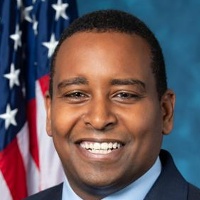
Joe Neguse
Representative
CO
Joe Neguse
Representative
CO
The Wildfire Recovery Act ensures the federal government covers at least 75% of eligible fire management assistance costs for newly appropriated funds. It also mandates new rulemaking to establish clear standards for increasing federal disaster cost-sharing based on measurable financial impact. Finally, the bill updates FEMA policy to allow state, local, and Tribal governments to seek reimbursement for pre-staging their own equipment before a disaster is officially declared.
This bill ensures federal firefighters receive uninterrupted pay during fiscal year 2026 budget delays and protects them from layoffs during government shutdowns.
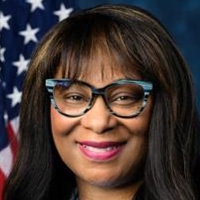
Janelle Bynum
Representative
OR
Janelle Bynum
Representative
OR
The Federal Firefighter Paycheck Protection Act ensures that federal firefighters continue to receive their pay and allowances if Congress delays passing the budget for fiscal year 2026. This legislation also prohibits the reduction in force or layoffs of federal firefighters specifically due to government shutdowns caused by funding lapses. Essentially, this bill protects the paychecks and employment stability of federal firefighters during budget uncertainty.
This Act provides appropriations and mandates contract price adjustments to compensate federal contractor employees for losses incurred due to funding lapses or government shutdowns.
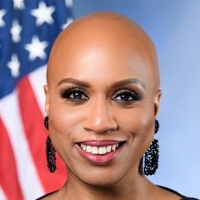
Ayanna Pressley
Representative
MA
Ayanna Pressley
Representative
MA
The Fair Pay for Federal Contractors Act of 2025 ensures that employees of federal contractors are compensated for losses incurred due to government funding lapses or shutdowns. It requires federal agencies to adjust existing contracts to cover reasonable costs associated with furloughs, pay cuts, or mandatory leave taken by contractor employees. The bill appropriates necessary funds to cover these contract price adjustments and mandates public reporting on the compensation provided.
This resolution officially recognizes and commends Alpha Phi Alpha Fraternity, Inc. for its enduring history of leadership, brotherhood, and dedicated service to the community since its founding in 1906.
Al Green
Representative
TX
Al Green
Representative
TX
This resolution formally recognizes and commends Alpha Phi Alpha Fraternity, Inc. for its long history of leadership, brotherhood, and community service since its founding in 1906. The document highlights the fraternity's significant contributions to civil rights and its impactful national programs focused on education, voter engagement, and youth development. It serves as an official acknowledgment from the House of Representatives celebrating the organization's 118th anniversary.