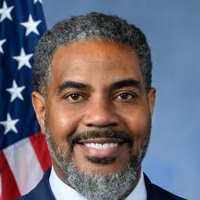
Legislative Activity
Track Steven's sponsored bills, co-sponsored legislation, and voting record
This act repeals the prohibition on Medicaid payments to certain healthcare entities and mandates retroactive payment for services already rendered under the repealed ban.
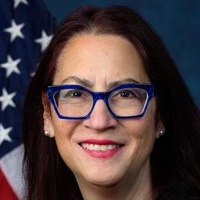
Laura Friedman
Representative
CA
Laura Friedman
Representative
CA
The Restoring Essential Healthcare Act repeals an outdated ban that prevented Medicaid from making payments to certain healthcare providers. This legislation ensures that these previously prohibited entities will now be reimbursed for medical services rendered between the enactment of the original ban and the passage of this Act. In short, it restores payment eligibility and retroactively covers past services.
This Act eliminates age restrictions and simplifies premium requirements for adult children covered under the TRICARE Young Adult program.
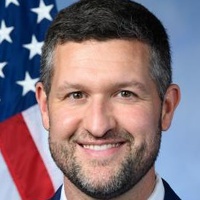
Patrick Ryan
Representative
NY
Patrick Ryan
Representative
NY
The Health Care Fairness for Military Families Act of 2025 significantly improves the TRICARE Young Adult (TYA) program for military dependents. This legislation eliminates the age restriction for TYA eligibility and removes the separate premium requirement for coverage. These changes aim to provide broader and simpler healthcare access for adult children of service members.
This Act establishes a federal grant program to fund community-based mentoring initiatives for children and young adults who are currently in or have aged out of the foster care system.
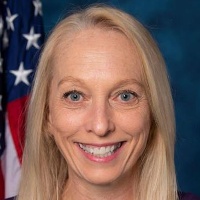
Mary Scanlon
Representative
PA
Mary Scanlon
Representative
PA
The Foster Youth Mentoring Act of 2025 establishes a new federal grant program to fund community-based organizations that provide structured, long-term mentoring for children and young adults who are currently or formerly in foster care. These grants aim to expand high-quality mentoring relationships, requiring rigorous mentor training, thorough background screening, and significant input from youth with lived experience. The goal is to improve outcomes for foster youth in areas like education, mental health, and successful transition to adulthood.
This bill establishes a new system for distributing up to 2,000 additional Medicare-funded residency positions annually from 2026 through 2032, prioritizing hospitals serving underserved areas, and mandates a study on strategies to increase workforce diversity.
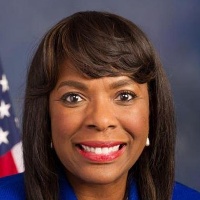
Terri Sewell
Representative
AL
Terri Sewell
Representative
AL
The Resident Physician Shortage Reduction Act of 2025 establishes a structured process for distributing up to 2,000 additional, federally funded residency positions annually between fiscal years 2026 and 2032. This distribution prioritizes hospitals serving in underserved areas, those already training above their limit, and those committed to primary care and general surgery training. The bill also mandates a study and report by the Comptroller General on effective strategies to increase diversity within the health professional workforce.
This Act prohibits the President from imposing new or continuing existing duties on essential baby items like formula, bottles, and breast pumps under the International Emergency Economic Powers Act.
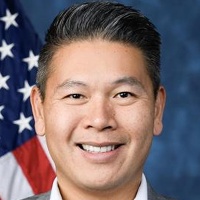
Derek Tran
Representative
CA
Derek Tran
Representative
CA
The Baby Food Tax Relief Act explicitly prohibits the President from imposing new or existing tariffs or duties on essential baby items like bottles, formula, and breast pumps using the International Emergency Economic Powers Act (IEEPA) or similar authorities. This legislation ensures that these necessary goods remain free from such taxation.
This act prohibits the imposition or continuation of emergency-related import duties on essential baby safety items, including strollers, car seats, and baby carriers.
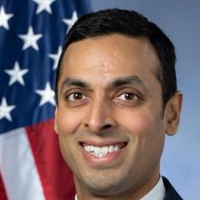
Suhas Subramanyam
Representative
VA
Suhas Subramanyam
Representative
VA
The Baby Safety Tax Relief Act prohibits the President from imposing or continuing any special import duties on essential baby safety items, including strollers, car seats, and baby carriers. This law specifically blocks the use of emergency powers, like the International Emergency Economic Powers Act (IEEPA), to tax these necessary goods. The goal is to ensure these critical items remain affordable by preventing new or existing emergency-related tariffs.
The VISIBLE Act mandates that federal immigration officers clearly display their agency and identifying information when conducting public-facing enforcement activities.
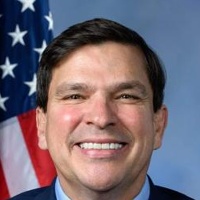
Vicente Gonzalez
Representative
TX
Vicente Gonzalez
Representative
TX
The VISIBLE Act mandates that federal immigration enforcement officers, such as those from CBP and ICE, must clearly display their agency name and either their last name or badge number during all public-facing civil immigration enforcement activities. This requirement ensures officers are easily identifiable to the public from a distance, promoting transparency and public trust. The law also establishes disciplinary procedures for non-compliance and requires annual reporting to Congress on enforcement activities and violations.
This Act establishes a corporate tax rate reduction for qualifying U.S. corporations that implement broad-based employee stock ownership plans, while also making the distributed stock tax-free to the employees upon receipt.
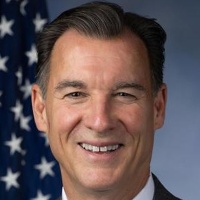
Thomas Suozzi
Representative
NY
Thomas Suozzi
Representative
NY
The Share Holder Allocation for Rewards to Employees Plan Act (SHARE Plan Act) establishes a new corporate tax incentive for U.S. companies that distribute a significant amount of their stock equity to employees through formal, broad-based plans. Eligible "SHARE corporations" receive a 3 percentage point reduction in their corporate income tax rate. Crucially, stock received by employees under a qualified SHARE plan is excluded from the employee's gross income for federal tax purposes. The bill sets strict requirements for plan structure, employee participation, and minimum equity distribution ratios to qualify for these benefits.
This Act prohibits the knowing use of artificial intelligence to impersonate a federal official in a materially false or misleading manner, with exceptions for clearly labeled satire or parody.
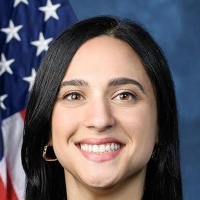
Yassamin Ansari
Representative
AZ
Yassamin Ansari
Representative
AZ
The AI Impersonation Prevention Act of 2025 prohibits the knowing use of artificial intelligence to impersonate a federal official in a way that creates materially false or misleading content. This makes it illegal to generate deepfake audio, video, or text mimicking a government employee without clearly disclosing that the content is not authentic. Exceptions exist for satire and parody, provided the artificial nature of the content is explicitly clear.
This Act prohibits the imposition or continuation of any duties on essential baby sleep items, such as cribs, mattresses, and monitors, enacted under the International Emergency Economic Powers Act.
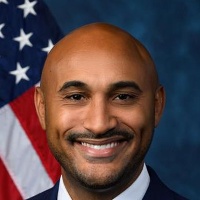
Shomari Figures
Representative
AL
Shomari Figures
Representative
AL
The Baby Sleep Tax Relief Act prohibits the President from imposing new or continuing existing duties on essential baby sleep items, such as cribs, mattresses, and monitors, under the authority of the International Emergency Economic Powers Act (IEEPA). This legislation ensures that these necessary items are not subject to additional tariffs imposed through that specific executive power.
This Act prohibits the imposition or continuation of any duties on specified baby clothing items under the authority of the International Emergency Economic Powers Act (IEEPA) or similar legal authorities.
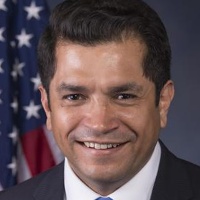
Jimmy Gomez
Representative
CA
Jimmy Gomez
Representative
CA
The Baby Clothing Tax Relief Act prohibits the President from imposing new or continuing existing duties on specific baby clothing items using the authority granted under the International Emergency Economic Powers Act (IEEPA). This legislation specifically protects a defined list of essential baby apparel, such as onesies, socks, and hats, from these types of emergency economic taxes. The goal is to prevent tariffs on these necessary goods.
This Act prohibits the imposition or continuation of any duties on specific baby and educational toy items under the authority of the International Emergency Economic Powers Act or any similar authority.
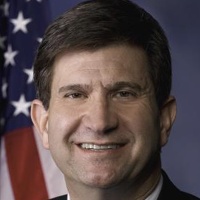
Bradley Schneider
Representative
IL
Bradley Schneider
Representative
IL
The Educational Toy Tax Relief Act prohibits the President from imposing or continuing any duties (taxes) on specific baby and toddler items, such as educational toys, playpens, and tricycles, under the authority of the International Emergency Economic Powers Act (IEEPA). This legislation immediately ends any existing or previously imposed similar duties on these products. The goal is to provide tax relief for essential items designed for children under three years old.
The EACH Act of 2025 mandates that all federally funded health programs and facilities must cover and provide abortion services, while also prohibiting federal interference with private insurance coverage.
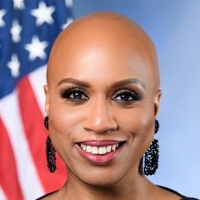
Ayanna Pressley
Representative
MA
Ayanna Pressley
Representative
MA
The EACH Act of 2025 aims to ensure equal access to abortion coverage by requiring all federally funded health programs and facilities to cover abortion services. This legislation prohibits federal interference with state or private insurance coverage of abortion and repeals Section 1303 of the Affordable Care Act. Ultimately, the bill seeks to eliminate financial and insurance barriers to abortion care, particularly for low-income individuals relying on programs like Medicaid.
This constitutional amendment prohibits immunity from criminal prosecution for federal officials based on their official duties and bars the President from self-pardoning.
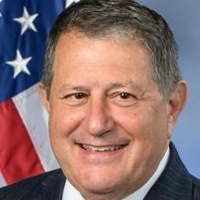
Joseph Morelle
Representative
NY
Joseph Morelle
Representative
NY
This proposed constitutional amendment would eliminate immunity from criminal prosecution for federal officials, including the President, based on their official duties. It also explicitly prohibits the President from issuing a self-pardon for any federal crimes. If ratified, these changes would take effect immediately.
This Act mandates that federal agencies integrate specific equity goals into their strategic and performance planning, establish internal equity advisory teams, and enhance data practices to ensure fair service delivery to underserved communities.
Ayanna Pressley
Representative
MA
Ayanna Pressley
Representative
MA
The Equity in Government Act mandates that federal agencies integrate specific equity goals into their strategic and performance plans, ensuring at least 20% of goals focus on improving service delivery to underserved communities. The bill establishes new leadership structures, including an Agency Equity Advisory Team, and enhances the role of the Chief Data Officer Council to prioritize equitable data collection and use. Furthermore, it creates an Equitable Data Working Group to guide the government toward fairer methods and outcomes in federal operations.
This Act prohibits the destruction of U.S. foreign aid supplies like food and medicine, mandating their delivery or donation to intended recipients before expiration to save lives and taxpayer dollars.
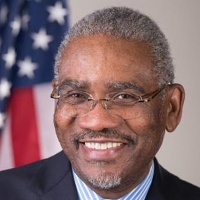
Gregory Meeks
Representative
NY
Gregory Meeks
Representative
NY
The Saving Lives and Taxpayer Dollars Act aims to ensure that U.S. foreign assistance commodities, such as food and medicine, are delivered to those in need rather than being destroyed. This legislation mandates that aid supplies must be distributed before they expire or spoil, thereby maximizing the humanitarian impact of U.S. aid. Furthermore, it establishes strict reporting requirements to track and prevent the waste of these vital resources. The bill highlights that effective foreign aid supports global health, strengthens the U.S. economy, and benefits American agriculture.
This bill prohibits U.S. Immigration and Customs Enforcement (ICE) from using federal funds to detain or transport U.S. citizens during civil immigration enforcement activities.

Pramila Jayapal
Representative
WA
Pramila Jayapal
Representative
WA
The Stop ICE from Kidnapping U.S. Citizens Act strictly prohibits U.S. Immigration and Customs Enforcement (ICE) from using any federal funds for civil immigration enforcement activities involving U.S. citizens. Specifically, this bill bans ICE from spending money to detain or transport any citizen of the United States. This measure ensures federal funds are not used to wrongfully target or remove American citizens.
This Act mandates federal standards requiring employers to implement comprehensive heat illness and injury prevention programs to protect workers from dangerous heat stress.
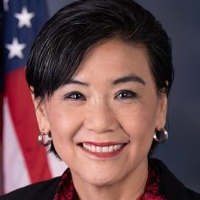
Judy Chu
Representative
CA
Judy Chu
Representative
CA
The Asunción Valdivia Heat Illness, Injury, and Fatality Prevention Act of 2025 mandates that employers protect workers from dangerous heat stress by establishing comprehensive safety standards. This Act requires the Secretary of Labor to create evidence-based rules covering engineering controls, administrative procedures, required training, and paid rest breaks to prevent heat-related illness. Furthermore, the law establishes strict enforcement mechanisms, whistleblower protections, and specific timelines for the implementation of these new federal heat protection standards.
This resolution urges Congress to prioritize the rapid and equitable development of solutions that address the unique health vulnerabilities of children facing extreme weather and poor air quality.
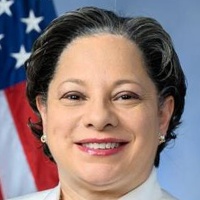
Jennifer McClellan
Representative
VA
Jennifer McClellan
Representative
VA
This resolution expresses the sense of Congress that extreme weather poses unique and severe threats to the health and well-being of children. It urges that solutions to address these escalating dangers must be rapidly and equitably developed and deployed with children's specific vulnerabilities in mind. The bill calls for prioritizing the physical and mental health needs of children in all future climate adaptation and air quality planning efforts.
This comprehensive act establishes federal entitlements and grants to ensure access to affordable, high-quality child care and universal preschool for young children while significantly increasing compensation for early childhood educators.
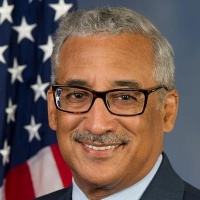
Robert Scott
Representative
VA
Robert Scott
Representative
VA
The Child Care for Working Families Act establishes comprehensive federal programs to ensure access to high-quality, affordable child care and universal preschool for young children. The legislation creates an entitlement program for child care, mandates that provider reimbursement rates cover actual costs and ensure living wages for staff, and establishes free, universal preschool for 3- and 4-year-olds. Additionally, it provides dedicated funding to stabilize childcare providers and extend the operating hours and compensation for Head Start staff.