Legislative Activity
Track Jim's sponsored bills, co-sponsored legislation, and voting record
This bill mandates that federally funded higher education institutions update their harassment policies to explicitly cover technology-facilitated harassment and establishes a competitive grant program to fund anti-harassment initiatives.
Mark Pocan
Representative
WI
Mark Pocan
Representative
WI
The Tyler Clementi Higher Education Anti-Harassment Act of 2025 mandates that colleges receiving federal funds update their policies to explicitly prohibit and detail procedures for addressing harassment based on protected characteristics, including technology-facilitated abuse. The bill also establishes a competitive grant program, funded up to $50 million annually, to support campus efforts in harassment prevention, training, and support services. This legislation adds new requirements without superseding existing civil rights protections.
This bill amends the Social Security Act to provide Medicare coverage for FDA-approved multi-cancer early detection screening tests starting in 2028.
Jodey Arrington
Representative
TX
Jodey Arrington
Representative
TX
The Nancy Gardner Sewell Medicare Multi-Cancer Early Detection Screening Coverage Act amends the Social Security Act to provide Medicare Part B coverage for multi-cancer early detection screening tests starting January 1, 2028. This legislation establishes clear criteria for qualifying tests and outlines payment structures to ensure beneficiaries have access to these advanced diagnostic tools. Importantly, this coverage is designed to complement, rather than replace, existing Medicare-covered cancer screenings.
This bill mandates dedicated, funded resources for specialized 988 Suicide Prevention Lifeline services for LGBTQ+ youth.
Raja Krishnamoorthi
Representative
IL
Raja Krishnamoorthi
Representative
IL
The **988 LGBTQ+ Youth Access Act of 2025** addresses the high rates of suicide risk among LGBTQ youth by strengthening specialized support through the national crisis hotline. This bill mandates that dedicated resources and services, such as a specific dialing option, must be maintained for LGBTQ individuals contacting 988. Furthermore, it requires that at least 9 percent of appropriated funds for the hotline be specifically reserved to ensure these specialized services for LGBTQ youth remain fully operational.
The FAMILY Act establishes a national paid family and medical leave insurance program administered by the Social Security Administration, providing benefits for caregiving related to serious health conditions or victims of violence.

Rosa DeLauro
Representative
CT
Rosa DeLauro
Representative
CT
The FAMILY Act establishes a national Paid Family and Medical Leave Insurance program administered by a new office within the Social Security Administration. This program provides monthly benefits to eligible individuals who take time off for qualified caregiving reasons, including serious health conditions or victims of violence. The Act also sets forth detailed eligibility requirements, benefit calculation formulas, and job protection guarantees for employees utilizing the leave. Finally, it creates a funding mechanism to support existing state-level paid leave programs that meet federal standards.
This Act ensures the automatic continuation of pay for active duty military personnel and essential civilian support staff if Congress fails to pass a budget for fiscal year 2026.
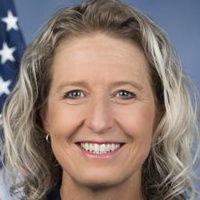
Jennifer Kiggans
Representative
VA
Jennifer Kiggans
Representative
VA
The Pay Our Troops Act of 2026 ensures that active duty military personnel and essential civilian support staff continue to receive their pay if Congress has not yet passed the full budget for fiscal year 2026. This act provides automatic continuing appropriations from the Treasury to prevent a lapse in military salaries due to budget delays. The funding automatically terminates once a new budget or continuing resolution is passed, or on January 1, 2027, whichever comes first.
This bill posthumously awards a Congressional Gold Medal to honor the groundbreaking civil rights achievements of Constance Baker Motley and authorizes the production and sale of bronze duplicates.
Rosa DeLauro
Representative
CT
Rosa DeLauro
Representative
CT
This bill, the Congressional Tribute to Constance Baker Motley Act of 2025, posthumously awards the Congressional Gold Medal to the pioneering civil rights attorney and federal judge, Constance Baker Motley. The legislation recognizes her historic achievements, including her role in *Brown v. Board of Education* and her service as the first African-American woman appointed as a federal judge. The Secretary of the Treasury is authorized to strike the medal, and provisions are made for selling bronze duplicates to cover production costs.
The UNLOCK Act amends federal housing law to allow local governments to directly use certain federal funds for the construction of new low- and moderate-income housing.
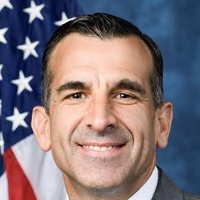
Sam Liccardo
Representative
CA
Sam Liccardo
Representative
CA
The UNLOCK Act amends the Housing and Community Development Act of 1974 to expand how federal housing funds can be used. This legislation now allows local entities to directly use these funds for the construction of new housing specifically for low- and moderate-income residents. The bill removes the requirement for these entities to partner with a nonprofit organization to carry out the new construction projects.
This Act establishes a multi-sector Task Force, led by the Treasury Secretary, to study, recommend strategies for, and report on preventing evolving electronic payment scams.
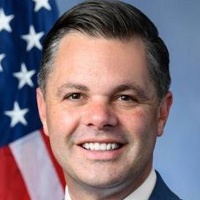
Zachary (Zach) Nunn
Representative
IA
Zachary (Zach) Nunn
Representative
IA
The Taskforce for Recognizing and Averting Payment Scams Act (TRAPS Act) establishes a new Task Force led by the Secretary of the Treasury. This diverse group, including federal agencies, industry experts, and consumer advocates, will study evolving payment scams. The Task Force is charged with developing cross-sector prevention strategies and submitting comprehensive recommendations for new laws and improved coordination to combat these fraudulent activities.
This bill repeals specific prior health reconciliation provisions and expands eligibility for the Premium Tax Credit by removing the 400% income cap and adjusting the subsidy calculation formula.
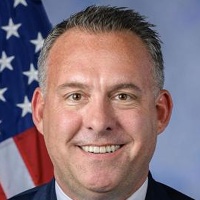
Adam Gray
Representative
CA
Adam Gray
Representative
CA
The Protecting Health Care and Lowering Costs Act of 2025 repeals specific prior reconciliation health provisions. This bill significantly expands eligibility for the Premium Tax Credit by eliminating the 400% Federal Poverty Level income cap. It also updates the subsidy calculation formula to ensure a smoother, linear adjustment of assistance across various income levels.
This resolution celebrates the 100th anniversary of Pratt & Whitney, recognizing its century of innovation in aviation engineering and its vital contribution to the Connecticut workforce and national defense.

John Larson
Representative
CT
John Larson
Representative
CT
This resolution celebrates the 100th anniversary of Pratt & Whitney, recognizing its century of innovation in designing and manufacturing aircraft engines. It honors the company's profound impact on aviation, national defense, and safe air travel since its founding in 1925. Furthermore, the bill acknowledges the vital contributions of the Connecticut workforce to Pratt & Whitney's enduring success and leadership in the aerospace industry.
This act authorizes $50 million annually from 2026 through 2031 for the CDC to conduct research on firearms safety and gun violence prevention.
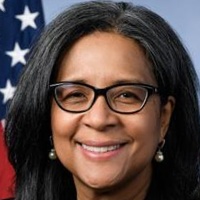
Marilyn Strickland
Representative
WA
Marilyn Strickland
Representative
WA
The Gun Violence Prevention Research Act of 2025 authorizes $50 million annually for the Centers for Disease Control and Prevention (CDC) to conduct or support research on firearms safety and gun violence prevention. This dedicated funding is authorized for each fiscal year from 2026 through 2031. This new allocation is separate from and in addition to any existing CDC research funding.
This act repeals the prohibition on Medicaid payments to certain healthcare entities and mandates retroactive payment for services already rendered under the repealed ban.
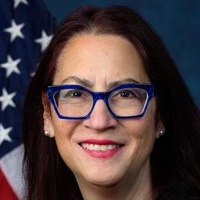
Laura Friedman
Representative
CA
Laura Friedman
Representative
CA
The Restoring Essential Healthcare Act repeals an outdated ban that prevented Medicaid from making payments to certain healthcare providers. This legislation ensures that these previously prohibited entities will now be reimbursed for medical services rendered between the enactment of the original ban and the passage of this Act. In short, it restores payment eligibility and retroactively covers past services.
This bill establishes a new system for distributing up to 2,000 additional Medicare-funded residency positions annually from 2026 through 2032, prioritizing hospitals serving underserved areas, and mandates a study on strategies to increase workforce diversity.
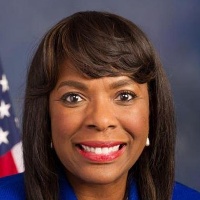
Terri Sewell
Representative
AL
Terri Sewell
Representative
AL
The Resident Physician Shortage Reduction Act of 2025 establishes a structured process for distributing up to 2,000 additional, federally funded residency positions annually between fiscal years 2026 and 2032. This distribution prioritizes hospitals serving in underserved areas, those already training above their limit, and those committed to primary care and general surgery training. The bill also mandates a study and report by the Comptroller General on effective strategies to increase diversity within the health professional workforce.
This bill amends the Family and Medical Leave Act to explicitly qualify time taken for an employee's own organ donation surgery as a serious health condition.
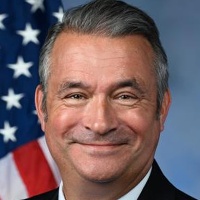
Don Bacon
Representative
NE
Don Bacon
Representative
NE
This bill amends the Family and Medical Leave Act (FMLA) to explicitly clarify that time taken off for an employee's own organ donation surgery qualifies as a serious health condition. This ensures both private and federal sector workers receive FMLA protection for recovery from organ donation. The legislation also specifies how federal employees must substitute existing paid leave when taking FMLA time for this purpose.
This Act prohibits insurance companies from discriminating against living organ donors when issuing life, disability, or long-term care policies and mandates the updating of educational materials regarding donation risks and insurance implications.
Don Bacon
Representative
NE
Don Bacon
Representative
NE
The Living Donor Protection Act of 2025 prohibits life, disability, and long-term care insurance companies from denying coverage or increasing premiums solely because an individual is a living organ donor. This legislation ensures that living donors are not financially penalized for their altruistic act. Additionally, the bill requires the Secretary of HHS to update educational materials to accurately reflect the insurance protections afforded to living donors.
This constitutional amendment prohibits immunity from criminal prosecution for federal officials based on their official duties and bars the President from self-pardoning.
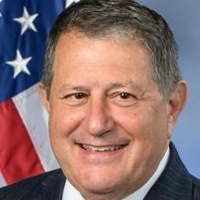
Joseph Morelle
Representative
NY
Joseph Morelle
Representative
NY
This proposed constitutional amendment would eliminate immunity from criminal prosecution for federal officials, including the President, based on their official duties. It also explicitly prohibits the President from issuing a self-pardon for any federal crimes. If ratified, these changes would take effect immediately.
The EACH Act of 2025 mandates that all federally funded health programs and facilities must cover and provide abortion services, while also prohibiting federal interference with private insurance coverage.
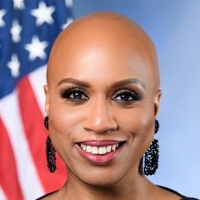
Ayanna Pressley
Representative
MA
Ayanna Pressley
Representative
MA
The EACH Act of 2025 aims to ensure equal access to abortion coverage by requiring all federally funded health programs and facilities to cover abortion services. This legislation prohibits federal interference with state or private insurance coverage of abortion and repeals Section 1303 of the Affordable Care Act. Ultimately, the bill seeks to eliminate financial and insurance barriers to abortion care, particularly for low-income individuals relying on programs like Medicaid.
This Act establishes a working group to study and propose regulations against the illicit use of financial technology by criminals and terrorists, and mandates a report on preventing sanctions evasion using digital assets.
Zachary (Zach) Nunn
Representative
IA
Zachary (Zach) Nunn
Representative
IA
The Financial Technology Protection Act of 2025 establishes an Independent Financial Technology Working Group to research and recommend regulations combating the illicit use of digital assets by terrorists and criminals. The bill also mandates a presidential report detailing strategies to prevent foreign actors from evading U.S. sanctions using emerging technologies. This legislation aims to secure the financial system against modern threats posed by new financial technologies.
This bill mandates the SEC to study, report on, and update its definition of "small entity" to ensure it accurately reflects current market conditions and covers a meaningful number of businesses.
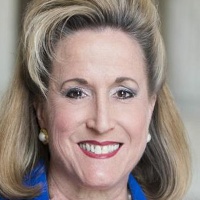
Ann Wagner
Representative
MO
Ann Wagner
Representative
MO
The Small Entity Update Act mandates that the Securities and Exchange Commission (SEC) periodically study and update its definition of "small entity" for regulatory purposes. This process requires the SEC to report findings and recommendations to Congress to ensure the definition aligns with market growth and covers a meaningful number of businesses. Following these studies, the SEC must revise its rules and periodically adjust any associated dollar thresholds for inflation.
The NOPAIN for Veterans Act mandates the Department of Veterans Affairs to promptly add specific non-opioid pain medications to its National Formulary.
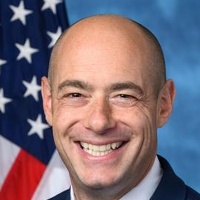
Greg Landsman
Representative
OH
Greg Landsman
Representative
OH
The NOPAIN for Veterans Act mandates that the Department of Veterans Affairs (VA) must promptly add specific, FDA-approved non-opioid pain medications to its National Formulary. This ensures veterans have access to alternative pain management options that do not rely on opioids. The VA is required to implement these changes within 90 days of the Act becoming law.