
Legislative Activity
Track Mazie's sponsored bills, co-sponsored legislation, and voting record
This bill streamlines the Public Safety Officers' Benefits program by establishing stricter processing timelines, mandating interim payments for delayed claims, and simplifying the approval process for 9/11-related benefits.

Kirsten Gillibrand
Senator
NY
Kirsten Gillibrand
Senator
NY
The Officer John Barnes and Chief Michael Ansbro Public Safety Officers' Benefit Program Expansion Act of 2026 streamlines the federal benefits process for public safety officers and their families by establishing strict processing timelines and mandatory interim payments for delayed claims. The bill improves transparency through enhanced reporting and annual audits, while simplifying eligibility for 9/11-related claims by leveraging existing certifications from the VCF and WTCHP. Additionally, it mandates proactive outreach and requires the Bureau of Justice Assistance to implement key GAO recommendations to improve overall program management.
The Momnibus Act is a comprehensive legislative package designed to end preventable maternal mortality, close racial and ethnic disparities in maternal health outcomes, and improve care for pregnant and postpartum individuals through targeted federal investments, community-based support, and expanded research.
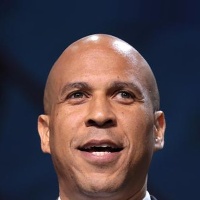
Cory Booker
Senator
NJ
Cory Booker
Senator
NJ
The Momnibus Act is a comprehensive legislative package designed to end preventable maternal mortality and close racial and ethnic disparities in maternal health outcomes. By investing in social determinants of health, expanding nutritional support, diversifying the perinatal workforce, and improving data collection, the bill seeks to provide holistic, equitable care for all pregnant and postpartum individuals. It also addresses critical gaps in maternal health for veterans, incarcerated individuals, and those impacted by climate change and public health emergencies.
The Native American Housing Assistance and Self-Determination Modernization Act of 2026 streamlines environmental reviews, expands housing eligibility and procurement flexibility, and establishes new grant programs to address homelessness and veteran housing needs for Native American, Alaska Native, and Native Hawaiian communities.

Lisa Murkowski
Senator
AK
Lisa Murkowski
Senator
AK
The **Native American Housing Assistance and Self-Determination Modernization Act of 2026** updates and streamlines federal housing programs for Native American, Alaska Native, and Native Hawaiian communities. The bill simplifies environmental review processes, expands eligibility for homeownership and student housing assistance, and increases the maximum leasehold interest on trust lands to 99 years. Additionally, it establishes new grant programs to address homelessness among veterans and tribal populations while strengthening tribal self-determination in housing administration and procurement.
The Bring Our Heroes Home Act establishes a process, overseen by a Review Board, to transfer and publicly disclose federal government records concerning U.S. military and civilian personnel missing in action since December 7, 1941, to the National Archives.

Michael Crapo
Senator
ID
Michael Crapo
Senator
ID
The Bring Our Heroes Home Act mandates the collection and prompt public disclosure of all U.S. government records concerning Armed Forces and civilian personnel missing since December 7, 1941. It establishes an independent Review Board to oversee the transfer of these records to the National Archives and to rule on any proposed postponements of disclosure. The Act aims to provide the fullest possible accounting to the American public and the families of the missing, with only narrow, clearly defined exceptions to release.
The Honoring the Sacrifice of Troops in War Act of 2026 prevents the Department of Defense from reclassifying military operations to obscure casualty statistics or deny service members and their families earned benefits and recognition.

Tammy Duckworth
Senator
IL
Tammy Duckworth
Senator
IL
The **Honoring the Sacrifice of Troops in War Act of 2026** ensures transparency and accountability by preventing the Department of Defense from using administrative reclassifications to obscure the human cost of war or deny service members their earned benefits. The bill mandates that casualty records remain accurate and permanent, regardless of changes to an operation's name or status. Additionally, it requires the restoration of records and benefits for personnel affected by recent reclassifications related to Operation Epic Fury.
This resolution designates August 22–30, 2026, as "National Park Week" to celebrate the history, economic impact, and preservation of the National Park System.
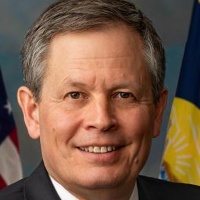
Steve Daines
Senator
MT
Steve Daines
Senator
MT
This resolution designates August 22 through August 30, 2026, as "National Park Week" to honor the National Park Service’s history and ongoing contributions. It recognizes the vital role these parks play in recreation, education, and the economy while encouraging the public to celebrate and support the preservation of our national treasures.
This resolution designates August 16, 2026, as "National Airborne Day" to honor the historic contributions and sacrifices of United States airborne forces.
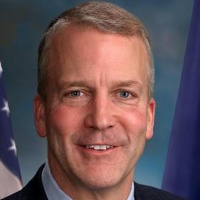
Dan Sullivan
Senator
AK
Dan Sullivan
Senator
AK
This resolution designates August 16, 2026, as "National Airborne Day" to honor the historic contributions and sacrifices of United States airborne forces. It recognizes the anniversary of the first official Army parachute jump and pays tribute to the bravery of airborne units serving from World War II to the present day.
This bill designates the United States Postal Service facility at 86-014 Farrington Highway in Waianae, Hawaii, as the "United States Representative Colleen Hanabusa Post Office Building."
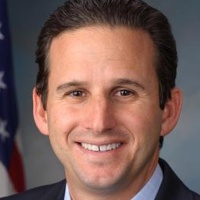
Brian Schatz
Senator
HI
Brian Schatz
Senator
HI
This bill designates the United States Postal Service facility located at 86-014 Farrington Highway in Waianae, Hawaii, as the "United States Representative Colleen Hanabusa Post Office Building."
This bill establishes a federal duty of care and safety requirements for online platforms regarding minors, mandates algorithmic transparency and user choice regarding content personalization, and sets enforcement mechanisms.

Marsha Blackburn
Senator
TN
Marsha Blackburn
Senator
TN
The Kids Online Safety Act establishes a comprehensive "duty of care" requiring online platforms to design features that mitigate specific harms to minors, such as those related to mental health and exploitation. It mandates that platforms provide minors with default, restrictive safety settings and robust parental controls over data sharing and recommendations. Furthermore, the legislation demands significant transparency regarding algorithmic ranking systems and grants the FTC enforcement authority.
The Abuse of the Pardon Prevention Act of 2026 mandates oversight and financial disclosures for presidential pardons, prohibits self-pardons, and expands federal bribery laws to include presidential pardon actions.

Catherine Cortez Masto
Senator
NV
Catherine Cortez Masto
Senator
NV
The Abuse of the Pardon Prevention Act of 2026 establishes stricter oversight and transparency requirements for presidential pardons involving political associates or investigations into the President. The bill mandates comprehensive documentation disclosures to Congress and the DOJ Inspector General, explicitly prohibits presidential self-pardons, and expands federal bribery laws to include the exchange of pardons for value. Additionally, it requires pardon recipients to publicly disclose any financial gifts provided to the President.
The DRIVE Across America Act of 2026 establishes the Cleaner TRAILS Initiative to expand zero-emission vehicle infrastructure and promote sustainable transportation options across National Forest and National Park System lands.
Catherine Cortez Masto
Senator
NV
Catherine Cortez Masto
Senator
NV
The **DRIVE Across America Act of 2026** establishes the "Cleaner TRAILS" initiative to expand zero-emission vehicle infrastructure and fleet adoption across National Forest and National Park System lands. The bill provides $200 million in annual funding to support sustainable transportation, including charging stations, electric shuttles, and workforce development for federal land agencies. Additionally, it mandates that the Department of Transportation prioritize traveler-focused electrification at airports and popular tourist destinations while permanently extending HOV lane access for clean vehicles.
The No Payoffs for Pardons Act mandates public disclosure of financial benefits provided to the President by clemency recipients and strengthens federal bribery laws to explicitly prohibit the exchange of pardons for personal gain.

Charles Schumer
Senator
NY
Charles Schumer
Senator
NY
The "No Payoffs for Pardons Act" aims to prevent the corruption of the presidential pardon power by requiring recipients of executive clemency to publicly disclose any significant financial benefits provided to the President or their associates. The bill also updates federal bribery statutes to explicitly include the President and Vice President, clarifying that exchanging clemency for anything of value is a federal crime. These measures seek to ensure transparency and accountability in the use of presidential clemency.
This resolution designates July 2026 as "American Grown Flower and Foliage Month" to celebrate domestic farmers and encourage the purchase of U.S.-grown floral products.

Alejandro Padilla
Senator
CA
Alejandro Padilla
Senator
CA
This resolution designates July 2026 as "American Grown Flower and Foliage Month" to celebrate the vital contributions of domestic floral farmers to the U.S. economy. It encourages consumers to support local agriculture and small businesses by choosing flowers and foliage grown within the United States.
This Act strengthens federal protections for domestic violence survivors by closing loopholes to prevent abusive dating partners and individuals subject to temporary restraining orders from purchasing or possessing firearms.

Richard Blumenthal
Senator
CT
Richard Blumenthal
Senator
CT
The Lori Jackson-Nicolette Elias Domestic Violence Survivor Protection Act strengthens federal law by closing loopholes that allow abusive dating partners and individuals subject to emergency protective orders to possess firearms. The bill expands the definition of prohibited domestic abusers and establishes a federal grant program to assist state, tribal, and local governments in the safe removal and storage of firearms from those under domestic violence restraining orders. By setting a national standard, this legislation aims to reduce intimate partner homicides and enhance protections for survivors of domestic violence.
This resolution designates August 2–8, 2026, as "National Farmers Market Week" to celebrate the vital economic, health, and community contributions of farmers markets across the United States.
Alejandro Padilla
Senator
CA
Alejandro Padilla
Senator
CA
This resolution designates August 2 through August 8, 2026, as "National Farmers Market Week." It recognizes the vital role these markets play in supporting local economies, promoting sustainable agriculture, and improving community access to fresh, healthy food.
This resolution designates July 30, 2026, as "National Whistleblower Appreciation Day" to honor the vital role whistleblowers play in promoting government accountability and protecting the public interest.
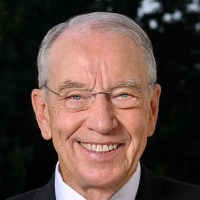
Charles Grassley
Senator
IA
Charles Grassley
Senator
IA
This resolution designates July 30, 2026, as "National Whistleblower Appreciation Day" to honor the historical importance of whistleblowers in protecting the public interest. It reaffirms the federal government's commitment to encouraging the reporting of waste, fraud, and abuse while recognizing the vital contributions whistleblowers make to government accountability.
The Restoring Justice for Workers Act prohibits employers from forcing workers into mandatory arbitration or class-action waivers, ensuring employees retain their right to pursue legal claims in court.
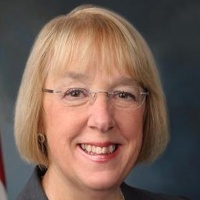
Patty Murray
Senator
WA
Patty Murray
Senator
WA
The Restoring Justice for Workers Act prohibits employers from forcing workers to sign away their right to pursue legal claims in court or join class-action lawsuits as a condition of employment. The bill bans mandatory pre-dispute arbitration agreements and ensures that any agreement to arbitrate or waive collective action rights made after a dispute arises is strictly voluntary and informed. By amending the National Labor Relations Act and the Federal Arbitration Act, this legislation protects workers' rights to act collectively and seek justice for workplace violations.
This resolution designates July 2026 as "National Anti-Counterfeiting and Consumer Education and Awareness Month" to highlight the importance of trademarks and educate the public on the safety risks posed by counterfeit goods.
Charles Grassley
Senator
IA
Charles Grassley
Senator
IA
This resolution designates July 2026 as "National Anti-Counterfeiting and Consumer Education and Awareness Month" to highlight the critical role trademarks play in protecting consumer safety and the economy. It emphasizes the growing dangers posed by counterfeit goods—ranging from unsafe electronics to illicit pharmaceuticals—and underscores the need for robust public education to combat these threats. The bill affirms a national commitment to supporting federal, state, and private sector efforts to reduce the demand for and supply of illegal counterfeit products.
This resolution commemorates June 19, 2026, as Juneteenth National Independence Day, honoring the historical significance of the end of slavery in the United States.

John Cornyn
Senator
TX
John Cornyn
Senator
TX
This resolution commemorates June 19, 2026, as "Juneteenth National Independence Day," honoring the historical significance of the end of slavery in the United States. It celebrates the resilience of African Americans and encourages nationwide reflection on the history and heritage that have shaped our democracy.
The CORE Pacific Act mandates a feasibility report on embedding Department of State consular officers within U.S. Coast Guard and Navy missions to improve consular service delivery across Pacific Island nations.
Brian Schatz
Senator
HI
Brian Schatz
Senator
HI
The CORE Pacific Act aims to strengthen U.S. relations with Pacific Island nations by exploring more efficient ways to deliver consular services. The bill mandates a comprehensive report evaluating the feasibility of embedding State Department consular officers onto U.S. Coast Guard and Navy vessels operating in the region. This initiative seeks to improve access to essential services for citizens in areas currently underserved by U.S. embassies.