The NO FAKES Act of 2026 establishes a federal property right for individuals and right holders to control the use of their voice or visual likeness in unauthorized computer-generated digital replicas, creating liability for infringement.
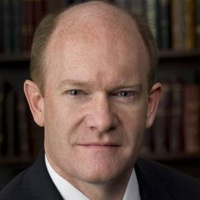
Christopher Coons
Senator
DE
The NO FAKES Act of 2026 establishes a federal property right for individuals and right holders to control the use of their voice or visual likeness in unauthorized, highly realistic computer-generated digital replicas. This grants the right to authorize or prohibit such uses, both during life and for a term following death, creating civil liability for unauthorized distribution or the provision of tools primarily designed for creating such replicas. The Act includes specific liability standards, exclusions for uses like news and parody, and detailed safe harbor provisions for online services that comply with notification and removal procedures.
NO FAKES Act of 2026 Establishes Federal Rights to Voice and Likeness: 180-Day Countdown to New Deepfake Protections.
The NO FAKES Act of 2026 creates a federal property right over your own voice and visual likeness, specifically targeting the rise of computer-generated 'digital replicas.' This means that if someone uses AI or other tech to make a highly realistic version of you saying or doing something you didn't actually do, they could be held legally liable. The bill applies to everyone—living or dead—and sets up a system where you (or your heirs) have the exclusive power to authorize these digital clones. It’s not just about celebrities; if a scammer uses a digital replica of a local contractor to 'endorse' a shady business, or if a student's likeness is used in an unauthorized AI video, this law provides a direct path to sue for damages starting at $5,000 per violation.
Your Face, Your Rules
Under this bill, your voice and likeness are treated as personal property that you can license out, but with some strict guardrails to prevent people from signing away their digital souls forever. For instance, any license you sign while alive is generally capped at 10 years (or just 5 years for minors). This prevents a 19-year-old aspiring singer from signing a 'forever' deal that lets a studio use their AI voice for the next 60 years. After someone passes away, the rights don't just vanish; they stay with the estate for at least 10 years and can be renewed for up to 70 years if the family is actually using the likeness commercially. This means the estate of a beloved local radio host could stop a third party from using an AI version of that host’s voice to sell insurance without permission.
The 'Notice and Takedown' Shuffle
For the digital platforms we use every day—like social media sites or music streaming apps—the bill creates a 'safe harbor' system similar to how copyright works now. If a platform hosts an unauthorized digital replica, they aren't immediately on the hook for millions in damages as long as they play by the rules. They must register a 'designated agent' with the Copyright Office and move quickly to pull down the content once they get a formal notice from the victim. However, there’s a catch: the bill doesn't require these companies to proactively scan for deepfakes. It puts the burden on you to find the fake and report it. If you’re a small business owner who discovers a fake version of yourself is being used in a predatory ad, you’ll have to file a formal notification to get it removed.
Fine Print and Free Speech
Because we live in a world of memes and news, the bill carves out several 'fair use' style exceptions. You won't get sued for using a digital replica in a bona fide news broadcast, a documentary, or for the purposes of satire and parody—think late-night comedy sketches or political cartoons. However, these protections disappear instantly if the replica is used for sexually explicit content. There are also some gray areas that might keep lawyers busy: the bill exempts 'fleeting or negligible' uses, but it doesn't strictly define what that means. Whether a three-second AI cameo in a YouTube vlog counts as 'negligible' might depend on which judge you get. Additionally, while the bill tries to stop 'digital clone' apps, it clarifies that it isn't trying to kill off basic tools like Photoshop or standard audio remixing software used by creators every day.