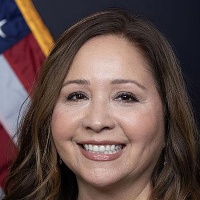
Legislative Activity
Track Adelita's sponsored bills, co-sponsored legislation, and voting record
The Youth Workforce Readiness Act of 2025 establishes grants for out-of-school programs run by community organizations to prepare eligible youth (ages 6-18) for employment through work experience, training, and mentorship, while also strengthening local Youth Councils.
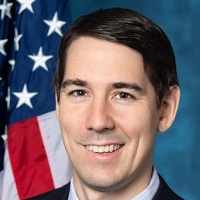
Josh Harder
Representative
CA
Josh Harder
Representative
CA
The Youth Workforce Readiness Act of 2025 establishes a competitive grant program to fund national organizations in developing comprehensive, out-of-school workforce readiness programs for youth aged 6 to 18. This Act aims to boost employment opportunities by connecting youth education and training with employer needs through community partnerships. Furthermore, it strengthens youth voices by mandating the reestablishment and integration of Youth Councils within local workforce boards to advise on training and readiness initiatives.
This Act improves early childhood nutrition programs by revising eligibility certification for proprietary centers, streamlining serious deficiency reviews, adjusting meal reimbursement limits, updating inflation calculations, and establishing an advisory committee to reduce paperwork burdens.
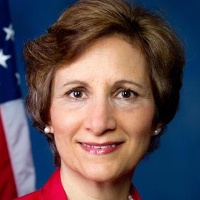
Suzanne Bonamici
Representative
OR
Suzanne Bonamici
Representative
OR
The Early Childhood Nutrition Improvement Act aims to strengthen federal nutrition programs for children by clarifying eligibility rules for for-profit childcare centers and mandating a comprehensive review of serious deficiency processes to ensure fairness and reduce unnecessary state-level burdens. The bill also adjusts meal reimbursement limits, updates inflation tracking for program costs, and establishes an advisory committee to drastically reduce paperwork and modernize administrative requirements for providers. These changes seek to streamline operations, improve consistency, and better support child care providers participating in federal meal programs.
This bill establishes the American Family Act, which revamps the Child Tax Credit into a system of refundable monthly advance payments for qualifying children and a separate credit for other dependents.

Rosa DeLauro
Representative
CT
Rosa DeLauro
Representative
CT
The American Family Act fundamentally overhauls the Child Tax Credit by replacing the annual lump sum with a system of advance, refundable monthly payments delivered directly to families. These monthly allowances vary based on the child's age, with higher amounts provided for younger children. The bill also establishes a separate, smaller credit for other dependents and outlines procedures for annual renewal and reconciliation of advance payments when filing taxes.
The Bolstering Research And Innovation Now (BRAIN) Act aims to accelerate brain tumor research, improve patient access to clinical trials and specialized care, and enhance long-term survivor support through new funding, transparency requirements, and public awareness campaigns.
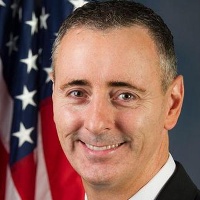
Brian Fitzpatrick
Representative
PA
Brian Fitzpatrick
Representative
PA
The Bolstering Research And Innovation Now (BRAIN) Act aims to significantly advance the fight against brain tumors by increasing research funding and improving patient access to care. This legislation establishes new networks for glioblastoma research, creates a public database for tracking biospecimens, and launches a national awareness campaign about clinical trials. Furthermore, the Act funds pilot programs to improve long-term care for survivors and directs the FDA to ensure brain tumor patients are not unfairly excluded from relevant clinical trials.
This bill overhauls federal workforce and adult education programs to integrate digital literacy, establish career navigators, and enhance accountability across training services.
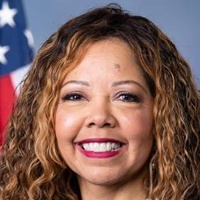
Lucy McBath
Representative
GA
Lucy McBath
Representative
GA
The Adult Education Workforce Opportunity and Reskilling for Knowledge and Success Act overhauls existing workforce and adult education laws to better connect Americans with modern job opportunities. It achieves this by integrating digital literacy training, establishing new "College and Career Navigators" for personalized guidance, and authorizing increased federal funding for these services. The bill also modernizes adult education goals to emphasize full civic participation and requires greater transparency in state workforce planning.
The Raise the Wage Act of 2025 gradually increases the federal minimum wage to \$17.00, phases out subminimum wages for tipped employees and workers with disabilities, and eliminates the subminimum wage for young workers.
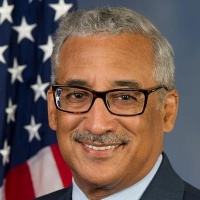
Robert Scott
Representative
VA
Robert Scott
Representative
VA
The Raise the Wage Act of 2025 establishes a phased increase of the federal minimum wage, culminating in a \$17.00 per hour rate five years after enactment, followed by automatic annual adjustments tied to median wage growth. This bill also phases out the lower minimum wage for tipped employees and workers under 20, ensuring they eventually earn the standard federal minimum wage. Furthermore, it sets a schedule to eliminate subminimum wages for individuals with disabilities and prohibits the issuance of new special certificates allowing for lower pay.
This bill withdraws federal land in the Pecos Watershed from mineral entry and leasing while simultaneously designating a portion of it as the Thompson Peak Wilderness Area.
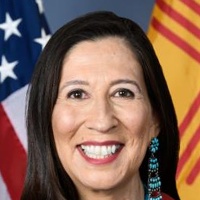
Teresa Leger Fernandez
Representative
NM
Teresa Leger Fernandez
Representative
NM
The Pecos Watershed Protection Act withdraws specific federal lands in New Mexico from future mining and leasing to protect the watershed. It also officially designates approximately 11,599 acres of Forest Service land as the Thompson Peak Wilderness Area, managed under the Wilderness Act. Existing valid rights, including pre-existing grazing, are preserved within both the withdrawn area and the new wilderness.
This Act establishes federal minimum standards for public employee collective bargaining rights, allowing states to maintain their own laws if they meet or exceed these standards, otherwise the Federal Labor Relations Authority will enforce federal rules.
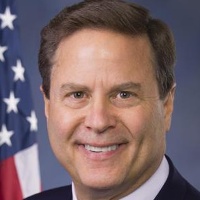
Donald Norcross
Representative
NJ
Donald Norcross
Representative
NJ
The Public Service Freedom to Negotiate Act of 2025 establishes federal minimum standards for collective bargaining rights for public employees across the nation. It requires the Federal Labor Relations Authority (FLRA) to review state laws to ensure they substantially provide these minimum rights, including the right to organize and bargain collectively. If a state fails to meet these standards, the FLRA will administer federal labor relations rules for the uncovered employees. The Act also prohibits strikes or lockouts that would measurably disrupt emergency or public safety services.
This bill eliminates reduced-price school meals while expanding eligibility for free meals by raising the income threshold and allowing direct certification for children receiving Medicaid.
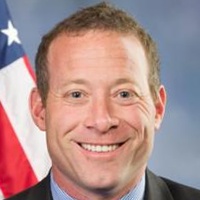
Josh Gottheimer
Representative
NJ
Josh Gottheimer
Representative
NJ
The Expanding Access to School Meals Act of 2025 aims to simplify school meal programs by eliminating the "reduced-price" meal category for both breakfast and lunch. It significantly expands eligibility for free school meals by raising the federal poverty level threshold to 224% and allowing automatic certification for children receiving Medicaid benefits. Additionally, the bill enhances financial support for schools by allowing retroactive reimbursement claims and increasing the multiplier for the Community Eligibility Program.
The No Tax Breaks for Union Busting Act denies businesses tax deductions for expenses incurred while influencing employees regarding union organization and activities.
Donald Norcross
Representative
NJ
Donald Norcross
Representative
NJ
The No Tax Breaks for Union Busting (NTBUB) Act aims to disallow businesses from deducting federal income taxes for expenses incurred while attempting to influence employees regarding union organization or activities. This change is intended to stop companies from subsidizing anti-union campaigns through tax write-offs. The bill also establishes new, significant reporting requirements and penalties for businesses and third-party consultants who engage in these influence expenditures.
This Act allows employees to fully deduct union dues above the line and restores the itemized deduction for certain other job-related business expenses.
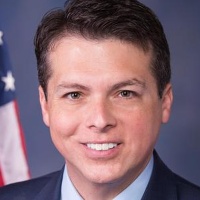
Brendan Boyle
Representative
PA
Brendan Boyle
Representative
PA
The Tax Fairness for Workers Act restores key federal tax deductions for employees, effective after 2024. This legislation makes union dues fully deductible "above the line," meaning they reduce Adjusted Gross Income without itemizing. Additionally, it allows itemizers to deduct certain other job-related business expenses that were previously limited.
The IDEA Full Funding Act establishes mandatory, increasing funding levels for the Individuals with Disabilities Education Act (IDEA) from 2026 through 2035, contingent upon offsetting budget cuts.
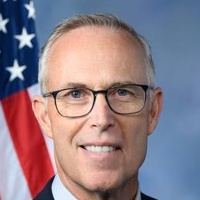
Jared Huffman
Representative
CA
Jared Huffman
Representative
CA
The IDEA Full Funding Act establishes mandatory, increasing funding levels for the Individuals with Disabilities Education Act (IDEA) programs through fiscal year 2035. This legislation sets specific appropriation targets based on student counts and national average spending to ensure greater financial support for special education services. Furthermore, the bill requires that these new IDEA appropriations adhere to "cut-as-you-go" budget offset rules.
This Act mandates the Department of Labor to establish and enforce comprehensive workplace violence prevention standards for healthcare and social service workers, while also tying compliance to Medicare funding for certain facilities.
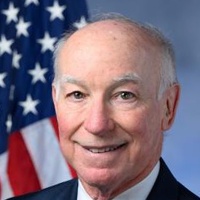
Joe Courtney
Representative
CT
Joe Courtney
Representative
CT
This Act mandates the Secretary of Labor to establish an interim and then a final standard requiring comprehensive workplace violence prevention plans for employers in the healthcare and social service sectors. These plans must be developed with employee input and detail risk assessments, hazard controls, reporting procedures, and annual training. Furthermore, the bill amends the Social Security Act to require Medicare-funded hospitals and skilled nursing facilities not covered by OSHA to comply with these new federal workplace violence prevention standards. The legislation also establishes clear definitions for workplace violence and includes strong anti-retaliation protections for employees who exercise their rights under the Act.
This Act establishes federal grant programs to improve medical education, expand community health center capacity, and increase rural provider training in gender-affirming care for transgender individuals.
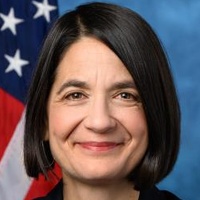
Becca Balint
Representative
VT
Becca Balint
Representative
VT
The Transgender Health Care Access Act aims to improve access to gender-affirming care by addressing critical gaps in medical education and provider capacity. The bill establishes grant programs to develop and implement comprehensive training curricula for medical professionals across various settings, including rural areas. Furthermore, it provides funding to expand the ability of community health centers to deliver culturally competent and necessary care to transgender individuals. Ultimately, this legislation seeks to ensure that healthcare providers are adequately trained and equipped to meet the medical needs of the transgender population.
This Act expands and reforms the Low-Income Home Energy Assistance Program (LIHEAP) to increase funding, simplify eligibility, mandate energy efficiency upgrades, and protect low-income families from high utility costs and shutoffs.
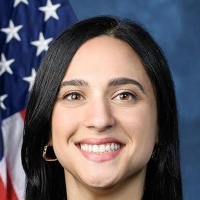
Yassamin Ansari
Representative
AZ
Yassamin Ansari
Representative
AZ
The Heating and Cooling Relief Act aims to significantly expand and modernize energy assistance for low-income families facing high utility costs and extreme weather. It increases funding for the Low-Income Home Energy Assistance Program (LIHEAP), streamlines eligibility requirements, and mandates that energy suppliers take steps to prevent shutoffs and eliminate late fees for recipients. Furthermore, the bill prioritizes using funds for weatherization and home retrofitting to reduce fossil fuel dependence and improve climate resilience for vulnerable households.
The Arts Education for All Act mandates the integration, reporting, and research of arts education across early childhood, K-12, and correctional systems to ensure comprehensive access and measure its impact on student development and offender reentry.
Suzanne Bonamici
Representative
OR
Suzanne Bonamici
Representative
OR
The Arts Education for All Act aims to elevate the status and accessibility of arts education across the entire educational spectrum. It mandates evidence-based training for early childhood providers, requires states to integrate arts education into core academic planning and public reporting, and authorizes the use of the arts in juvenile and adult offender reentry programs. Furthermore, the bill directs federal research agencies to study the impact of the arts and restores arts assessment to the national testing schedule.
The AID Youth Employment Act establishes competitive grant programs to fund subsidized summer and year-round employment opportunities for eligible youth aged 14 to 24 under the Workforce Innovation and Opportunity Act.
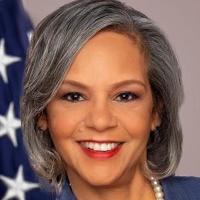
Robin Kelly
Representative
IL
Robin Kelly
Representative
IL
The AID Youth Employment Act establishes a new structure within federal law to create subsidized summer and year-round employment opportunities for eligible youth aged 14 to 24. It authorizes competitive grants for state, local, and community organizations to run these programs, emphasizing strong local partnerships and skill development. The bill also mandates performance measurement and annual reporting to Congress on program effectiveness and outcomes.
The HERO for Youth Act of 2025 expands the Work Opportunity Tax Credit to encourage employers to hire students part-time year-round and introduces a new credit category for hiring "disconnected youth."
Robin Kelly
Representative
IL
Robin Kelly
Representative
IL
The HERO for Youth Act of 2025 modifies the Work Opportunity Tax Credit (WOTC) to encourage the employment of young people. This bill expands the existing credit to cover part-time, year-round student employment and introduces a new credit category for hiring "disconnected youth." The new category specifically targets young individuals facing educational or employment barriers, or those transitioning out of foster care.
This bill excludes certain veterinary student loan repayments and forgiveness amounts from taxable income to encourage veterinarians to practice in rural areas.

Adrian Smith
Representative
NE
Adrian Smith
Representative
NE
The Rural Veterinary Workforce Act aims to encourage more veterinarians to serve in underserved rural areas by making participation in certain loan repayment or forgiveness programs more financially appealing. This bill amends the tax code to exclude amounts received through qualifying state or federal veterinary student loan repayment programs from being counted as taxable income. This tax benefit applies to amounts received for taxable years beginning after December 31, 2025.
This bill authorizes specific funding levels for the United States to support the United Nations Population Fund (UNFPA) in its global efforts to improve sexual and reproductive health, reduce maternal mortality, and combat gender-based violence.
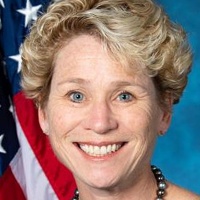
Chrissy Houlahan
Representative
PA
Chrissy Houlahan
Representative
PA
The Support UNFPA Funding Act authorizes specific funding levels for the United Nations Population Fund (UNFPA) for fiscal years 2026 and 2027. This legislation affirms that supporting UNFPA is in the U.S. strategic interest because it advances global health, reduces preventable maternal deaths, and combats gender-based violence. The bill emphasizes that UNFPA's work on voluntary family planning promotes stability and economic growth worldwide.