Legislative Activity
Track Craig's sponsored bills, co-sponsored legislation, and voting record
This bill mandates the establishment of facilities to rear and release sterile New World screwworm flies to combat agricultural threats, supported by mandatory reporting and funding.
Ernest Gonzales
Representative
TX
Ernest Gonzales
Representative
TX
The STOP Screwworms Act mandates the establishment of facilities to rear and release sterile New World screwworm flies in high-risk areas to combat infestations. The Secretary of Agriculture must build these modular facilities within 180 days of enactment and provide annual public reports on the threat and control efforts. The bill authorizes up to $300 million to fund these necessary actions.
This Act enhances the FAA's Collegiate Training Initiative, establishes new grant programs, funds training equipment, creates retention incentives for air traffic controllers, and mandates improvements to mental health support and airport radar safety reporting.
Nicholas Begich
Representative
AK
Nicholas Begich
Representative
AK
The Air Traffic Control Workforce Development Act of 2025 aims to strengthen the air traffic control pipeline by improving the Collegiate Training Initiative (CTI) program and establishing new grants for participating colleges. The bill also funds new training equipment and creates financial incentives to both encourage trainees to complete their certification and retain experienced controllers. Finally, it mandates improvements to mental health support for controllers and requires a report on the future of airport radar safety systems.
This bill significantly increases mandatory minimum prison sentences for non-citizens who commit crimes after entering the U.S. illegally or after previous removal.
Brad Knott
Representative
NC
Brad Knott
Representative
NC
The Punishing Illegal Immigrant Felons Act of 2025 significantly increases prison sentences for non-citizens who commit crimes after entering the U.S. illegally or after being previously removed. This legislation mandates substantial minimum prison terms—including an additional five years for illegal entry followed by a felony conviction and a new ten-year minimum for re-entry after deportation coupled with a crime. The bill aims to impose much harsher penalties on undocumented immigrants who commit serious offenses.
The CHOICE for Veterans Act of 2025 establishes new federal standards, oversight, and penalties for agents and attorneys who assist veterans in filing Department of Veterans Affairs benefit claims while extending certain pension payment limitations.
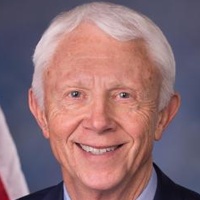
Jack Bergman
Representative
MI
Jack Bergman
Representative
MI
The CHOICE for Veterans Act of 2025 aims to overhaul how veterans receive assistance with their Department of Veterans Affairs (VA) benefit claims. It establishes new rules for the recognition, fees, and conduct of agents and attorneys who represent veterans. The bill also mandates increased transparency regarding available assistance and requires a review of the entire representative recognition process.
The LOCOMOTIVES Act centralizes federal authority over emission standards for existing locomotives and engines, limiting the ability of states to impose their own regulations on this equipment.
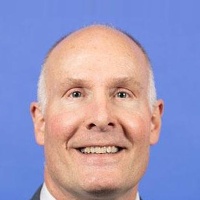
John Moolenaar
Representative
MI
John Moolenaar
Representative
MI
The Lifting Overburdensome Commerce Obstructions and Motives (LOCOMOTIVES) Act clarifies and strengthens federal authority over emission standards for existing locomotives and engines. This legislation limits the ability of states to set their own pollution control standards for certain railroad equipment. Specifically, it expands federal preemption to cover more nonroad engines and locomotives engaged in commerce.
The SALUTE Act establishes a pilot program allowing certain active military members and their dependents to purchase supplemental, self-funded insurance to cover out-of-pocket cancer-related medical expenses not covered by TRICARE.
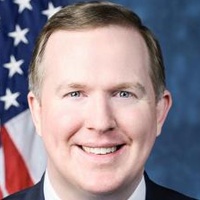
Brian Jack
Representative
GA
Brian Jack
Representative
GA
The SALUTE Act establishes a pilot program to allow certain active-duty service members and their dependents to purchase supplemental private insurance for uncovered cancer-related medical expenses. This optional coverage will be offered through agreements with selected insurance companies, with participants paying the full premium cost. The Department of Defense must report on the program's success after three years to determine if it should become permanent.
The TICKET Act mandates upfront disclosure of all-inclusive ticket prices, bans the sale of speculative tickets, clarifies resale disclosures, establishes refund requirements for cancellations, and directs the FTC to report on BOTS Act enforcement.

Gus Bilirakis
Representative
FL
Gus Bilirakis
Representative
FL
The TICKET Act mandates transparent, all-inclusive pricing for event tickets, requiring sellers to display the total cost upfront. It bans the speculative sale of tickets that sellers do not yet possess and establishes clear refund requirements for canceled or postponed events. Furthermore, the bill enforces disclosures for resale tickets and directs the FTC to report on existing BOTS Act enforcement.
This Act mandates the CPSC to quickly establish federal safety standards for lithium-ion batteries used in small electric vehicles and personal mobility devices based on existing industry guidelines.
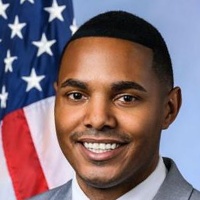
Ritchie Torres
Representative
NY
Ritchie Torres
Representative
NY
The Setting Consumer Standards for Lithium-Ion Batteries Act mandates the Consumer Product Safety Commission (CPSC) to rapidly adopt key industry standards as federal safety rules for lithium-ion batteries in small electric vehicles and personal mobility devices. This legislation ensures these standards automatically update to the newest industry revisions unless the CPSC finds a revision compromises safety. Furthermore, the CPSC must report to Congress five years after enactment regarding battery hazards and compliance.
This Act mandates that hotels and short-term rentals must clearly display the total, all-inclusive price upfront in all advertisements to prevent hidden fees.
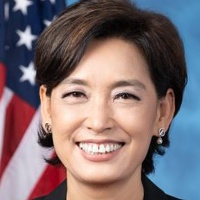
Young Kim
Representative
CA
Young Kim
Representative
CA
The Hotel Fees Transparency Act of 2025 mandates that hotels and short-term rentals must prominently display the total, all-inclusive price upfront in all advertisements, excluding only government taxes and optional fees. This new federal standard is designed to eliminate hidden fees by requiring the advertised price to reflect the base rate plus all mandatory service charges. The Federal Trade Commission (FTC) and State Attorneys General will enforce these rules against deceptive pricing practices.
This Act clarifies the duty treatment of whiskies by updating the Harmonized Tariff Schedule and requiring the USITC to add statistical tracking codes for imported whiskies.
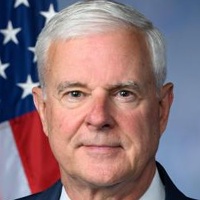
Steve Womack
Representative
AR
Steve Womack
Representative
AR
The Duty Drawback Clarification Act updates the U.S. tariff schedule to standardize the classification of whiskies under Chapter 22. This legislation removes an outdated whiskey classification code and requires the U.S. International Trade Commission to add new statistical tracking codes for imports. These changes will take effect 15 days after the Act is officially enacted.
This resolution strongly supports the Second Amendment right to keep and bear arms while commending President Trump for working to reverse recent Biden administration infringements on those freedoms.
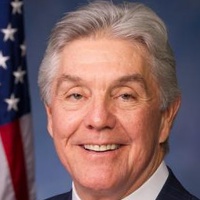
Roger Williams
Representative
TX
Roger Williams
Representative
TX
This resolution strongly affirms the constitutional right to keep and bear arms under the Second Amendment. It criticizes recent actions by the Biden administration and federal agencies, such as the ATF, for implementing what are viewed as infringements on these freedoms. The resolution commends former President Trump for his past efforts to protect Second Amendment rights against such measures.
The Safeguard American Voter Eligibility (SAVE) Act mandates that individuals registering to vote in federal elections must present documentary proof of U.S. citizenship.
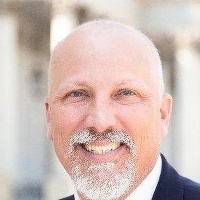
Chip Roy
Representative
TX
Chip Roy
Representative
TX
The Safeguard American Voter Eligibility Act (SAVE Act) significantly amends federal law to require individuals registering to vote in federal elections to present documentary proof of U.S. citizenship. This legislation mandates that states actively clean their voter rolls and cooperate with federal agencies to verify citizenship status. It establishes new criminal penalties for officials who fail to enforce these documentation requirements.
This Act terminates the transferability of certain non-renewable portions of clean electricity credits and phases out the production and investment tax credits for solar and wind energy over four years.
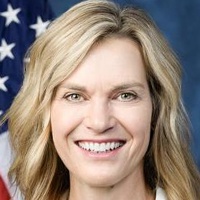
Julie Fedorchak
Representative
ND
Julie Fedorchak
Representative
ND
The Ending Intermittent Energy Subsidies Act of 2025 aims to significantly reduce federal support for wind and solar energy production. This bill terminates the transferability of certain non-renewable portions of clean electricity tax credits. Furthermore, it institutes a four-year phase-out, ultimately eliminating both the clean electricity production and investment tax credits specifically for solar and wind power generation.
The End Driving While Intoxicated Act of 2025 establishes a national standard requiring states to mandate ignition interlock devices for DWI offenders or face federal highway funding penalties.
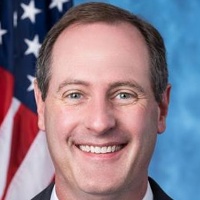
Tracey Mann
Representative
KS
Tracey Mann
Representative
KS
The End Driving While Intoxicated Act of 2025 aims to combat rising drunk driving fatalities by establishing a national standard for ignition interlock devices (IIDs). This bill mandates that states require DWI offenders to use IIDs for a minimum of 180 days or face penalties involving the withholding of federal highway funds. The legislation seeks to leverage the proven effectiveness of IIDs in reducing repeat offenses across the country.
This act prohibits the destruction of broadband internet access service facilities by expanding federal law to protect all such infrastructure, regardless of who operates it.
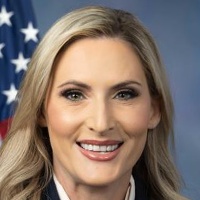
Laurel Lee
Representative
FL
Laurel Lee
Representative
FL
The Stopping the Theft and Destruction of Broadband Act of 2025 strengthens federal law to explicitly prohibit the destruction of broadband internet access service facilities. This update broadens protection beyond defense-related infrastructure to cover any privately or publicly operated broadband service. The Act provides a clear definition of what constitutes broadband internet access service under federal protection.
This bill establishes pilot projects for the Department of Homeland Security to test advanced technologies, including AI, to improve the detection of contraband like fentanyl at U.S. land ports of entry.
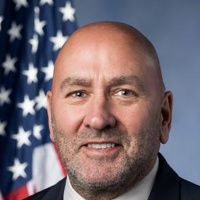
Clay Higgins
Representative
LA
Clay Higgins
Representative
LA
The CATCH Fentanyl Act mandates the Department of Homeland Security to establish pilot projects at land ports of entry to test advanced inspection technologies, including those utilizing Artificial Intelligence. These tests aim to improve the detection of contraband like fentanyl while increasing inspection efficiency. The Secretary must report on the effectiveness of these technologies and provide recommendations for nationwide deployment within five years of enactment.
This resolution encourages the Department of State and civil society to advance the Abraham Accords by promoting peace and tolerance through educational reform.
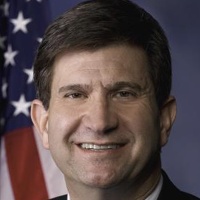
Bradley Schneider
Representative
IL
Bradley Schneider
Representative
IL
This resolution strongly supports the Abraham Accords as a foundation for broader peace and security cooperation in the Middle East. It specifically encourages the Department of State and civil society groups to promote peace and tolerance through educational reforms in partner nations. The bill advocates for expanding normalization efforts and ensuring these agreements deliver tangible security and economic benefits across the region.
The TAKE IT DOWN Act establishes federal criminal penalties for sharing nonconsensual intimate images (real or digitally forged) and mandates that covered online platforms remove such content within 48 hours of receiving a valid request.
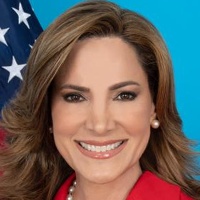
Maria Salazar
Representative
FL
Maria Salazar
Representative
FL
The TAKE IT DOWN Act establishes federal criminal penalties for the intentional sharing of both real and digitally forged nonconsensual intimate images, with stricter penalties for images involving minors. It mandates that covered online platforms create a clear process for victims to request the removal of such content within 48 hours. Failure by platforms to reasonably comply with these removal requests will be treated as an unfair or deceptive practice enforced by the Federal Trade Commission (FTC).
This bill repeals the requirement for financial institutions to collect and report specific data on small business loans to reduce compliance costs and improve small business access to credit.
Roger Williams
Representative
TX
Roger Williams
Representative
TX
The 1071 Repeal to Protect Small Business Lending Act aims to eliminate the mandatory data collection and reporting requirements for small business loans previously established under Section 704B of the Equal Credit Opportunity Act. Proponents argue that these regulations impose unnecessary compliance costs on lenders, potentially hindering small business access to credit. This bill repeals those specific reporting mandates to reduce regulatory burdens on financial institutions.
This bill rescinds specific financial waivers and licenses related to Iran and prohibits the President from reauthorizing similar permissions for accessing certain Iranian funds.
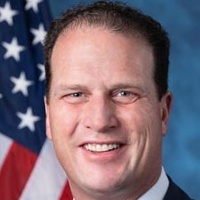
August Pfluger
Representative
TX
August Pfluger
Representative
TX
This bill mandates the immediate rescission of specific waivers and licenses that previously allowed certain international money transfers related to Iran. It explicitly prohibits the President from reissuing similar permissions or granting new licenses that would allow the Iranian government access to restricted financial accounts. In essence, this legislation closes specific financial pathways previously opened concerning Iran.