Legislative Activity
Track Craig's sponsored bills, co-sponsored legislation, and voting record
This bill prohibits non-citizens from voting in District of Columbia elections and repeals the Local Resident Voting Rights Amendment Act of 2022.
August Pfluger
Representative
TX
August Pfluger
Representative
TX
This bill prohibits non-U.S. citizens from voting in any election in the District of Columbia. It also repeals the Local Resident Voting Rights Amendment Act of 2022, effectively reverting D.C. voting eligibility rules to their pre-2022 status.
This bill mandates the deportation and permanent inadmissibility of non-citizens who commit acts of violence against law enforcement or public property during civil unrest, with enhanced enforcement during declared emergencies.

Dan Crenshaw
Representative
TX
Dan Crenshaw
Representative
TX
The Returning Illegals over Turmoil Act establishes new grounds for the deportation and permanent inadmissibility of non-citizens who incite or participate in violent acts against law enforcement or public property during civil unrest. This legislation mandates strict enforcement during declared emergencies and grants the Secretary of Homeland Security expedited removal authority under those conditions. Furthermore, individuals removed under these provisions are permanently barred from receiving any form of immigration relief or future DACA eligibility.
This resolution strongly condemns the rise in ideologically motivated attacks against Jewish individuals in the U.S., including the recent Boulder assault, and reaffirms the House's commitment to combating antisemitism and political violence.
Jefferson Van Drew
Representative
NJ
Jefferson Van Drew
Representative
NJ
This resolution strongly condemns the recent rise in ideologically motivated attacks targeting Jewish individuals and institutions across the United States, including the violent assault in Boulder, Colorado. The House of Representatives reaffirms its commitment to combating antisemitism and politically motivated violence in all its forms. It calls for thorough investigation and prosecution of such incidents and urges all sectors of society to speak out against hate.
This bill directs the Coast Guard to update its policy on providing and tracking the use of overdose reversal medication like naloxone while also clarifying drug offense jurisdiction on covered vessels.
Addison McDowell
Representative
NC
Addison McDowell
Representative
NC
This bill directs the Commandant of the Coast Guard to update policies ensuring overdose reversal medication, like naloxone, is readily available across all Coast Guard installations and operational environments. It also clarifies federal drug crime jurisdiction aboard covered vessels. Furthermore, the Commandant must brief Congress on naloxone use, substance abuse trends, and enforcement efforts within the Coast Guard.
This Act prohibits the retirement or fuel source conversion of certain dispatchable power plants in areas deemed at high or elevated risk of electricity supply shortfalls, while providing a pathway for financial relief or exemptions under specific reliability and financial hardship criteria.
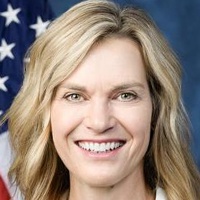
Julie Fedorchak
Representative
ND
Julie Fedorchak
Representative
ND
The Baseload Reliability Protection Act prohibits owners of certain dispatchable power plants in areas facing high or elevated risk of electricity shortages from retiring those units or switching their fuel source. Owners can seek an exemption from this ban from FERC, which must grant it if continued operation causes financial hardship or if retirement does not harm grid reliability. The Department of Energy may offer financial assistance to keep essential, money-losing plants operational.
This Act mandates a comprehensive study and report on U.S. preparedness for the reintroduction of the devastating New World Screwworm pest.
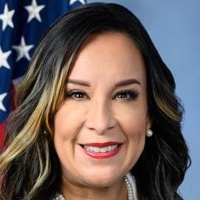
Mónica De La Cruz
Representative
TX
Mónica De La Cruz
Representative
TX
The New World Screwworm Preparedness Act of 2025 mandates a comprehensive study on the United States' readiness to combat the reintroduction of the New World screwworm, a devastating parasite of warm-blooded animals. This study, led by the Secretary of Agriculture, must assess current threat levels, sterile fly production capacity, surveillance systems, and emergency response plans. The resulting report will provide Congress with critical recommendations to strengthen national preparedness against this costly agricultural and wildlife pest.
This resolution formally recognizes and celebrates the life, achievements, and public service of former First Lady Barbara Pierce Bush on the occasion of her 100th birthday.
August Pfluger
Representative
TX
August Pfluger
Representative
TX
This resolution formally recognizes and celebrates the life, achievements, and public service of former First Lady Barbara Pierce Bush on the occasion of her 100th birthday. It highlights her dedication to her family, her tireless advocacy for national literacy, and her compassionate service as Second Lady and First Lady. Congress commends her enduring legacy as a model citizen for the nation.
This resolution strongly condemns the antisemitic terrorist attack in Boulder, Colorado, addresses the rise of antisemitism, and calls for accountability for the attacker and stronger immigration enforcement.
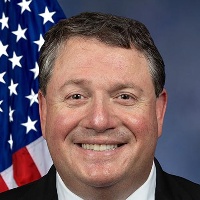
Randall Fine
Representative
FL
Randall Fine
Representative
FL
This resolution strongly condemns the antisemitic terrorist attack in Boulder, Colorado, and expresses solidarity with the victims and first responders. It highlights the alarming rise of antisemitism across the nation and calls for the perpetrator to be prosecuted to the fullest extent of the law. Furthermore, the bill urges immediate action to secure the border and address visa overstays.
This bill restricts the Secretary of Homeland Security's authority to grant immigration parole to a case-by-case basis for urgent humanitarian reasons or significant public benefit, imposes annual caps, and allows states to sue over perceived abuses.
Addison McDowell
Representative
NC
Addison McDowell
Representative
NC
This bill, the Preventing the Abuse of Immigration Parole Act, aims to drastically restrict the Secretary of Homeland Security's authority to grant immigration parole. It mandates that parole decisions must be made strictly on a case-by-case basis for urgent humanitarian reasons or significant public benefit. Furthermore, the legislation imposes an annual cap on parole grants starting in FY 2029 and grants states the authority to sue the Secretary over perceived misuse of this authority.
This Act standardizes the gaming regulations for the Ysleta del Sur Pueblo and Alabama-Coushatta Tribes in Texas to align them fully with the federal Indian Gaming Regulatory Act.
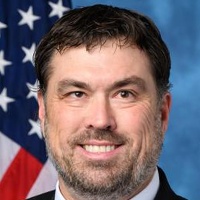
Morgan Luttrell
Representative
TX
Morgan Luttrell
Representative
TX
The Tribal Gaming Regulatory Compliance Act aims to standardize gaming regulations for the Ysleta del Sur Pueblo and the Alabama-Coushatta Indian Tribes in Texas. This bill ensures these two Tribes are regulated consistently under the federal Indian Gaming Regulatory Act, just like all other Tribes nationwide. It achieves this by removing confusing, outdated language specific to Texas and fully applying existing federal gaming laws to their operations.
This resolution expresses support for designating the month of July as "American Patriotism Month" to honor the nation's history, values, and sacrifices.
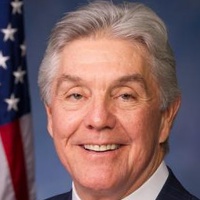
Roger Williams
Representative
TX
Roger Williams
Representative
TX
This resolution expresses support for officially designating the month of July as "American Patriotism Month." It recognizes the historical significance of American patriotism and encourages citizens and groups to observe the month with appropriate ceremonies celebrating U.S. history and values. The bill further asks the President to issue a yearly proclamation supporting this designation.
This bill directs the FDA to establish modern, science-based standards for evaluating the safety and effectiveness of sunscreen active ingredients, including alternatives to animal testing, and mandates transparency regarding this process.
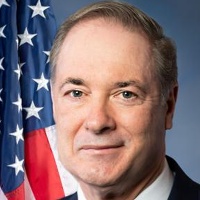
John Joyce
Representative
PA
John Joyce
Representative
PA
The SAFE Sunscreen Standards Act aims to modernize how the FDA evaluates sunscreen active ingredients by prioritizing consumer safety through scientifically sound evidence, including real-world data and alternatives to animal testing. This legislation directs the FDA to finalize long-pending rules for over-the-counter sunscreen ingredients, emphasizing their role in skin cancer prevention. Furthermore, it mandates annual public reporting to Congress on the progress of implementing these new testing standards and reviewing ingredient applications.
This resolution expresses Congressional support for designating May 2025 as Progressive Supranuclear Palsy Awareness Month to promote awareness, support patients, and encourage research for this devastating brain disease.
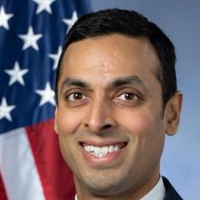
Suhas Subramanyam
Representative
VA
Suhas Subramanyam
Representative
VA
This resolution expresses the support of Congress for designating May 2025 as Progressive Supranuclear Palsy (PSP) Awareness Month. The designation aims to bring national attention to the serious, progressive brain disease that currently has no cure. By raising awareness, the bill seeks to support patients, improve diagnosis, and boost research efforts for better treatments.
This bill establishes a Select Committee to investigate alleged cover-ups regarding President Biden's cognitive and physical health, past cancer diagnosis, and related matters, with a final report due by December 31, 2025.
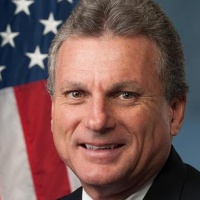
Earl Carter
Representative
GA
Earl Carter
Representative
GA
This bill establishes a Select Committee tasked with investigating allegations of a cover-up regarding President Biden's cognitive and physical health decline. The committee will examine the President's health status, past cancer diagnosis, the role of key individuals in any alleged concealment, and media influence. This investigative body has no legislative authority and must submit its final report, findings, and recommendations by December 31, 2025.
The Patriots Over Politics Act creates a special 90-day window for service members separated solely for refusing the COVID-19 vaccine between August 2021 and January 2023 to transfer their VA education benefits to an eligible dependent.
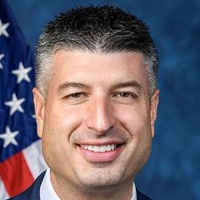
Tom Barrett
Representative
MI
Tom Barrett
Representative
MI
The Patriots Over Politics Act creates a special, limited window for certain service members separated for refusing the COVID-19 vaccine between August 2021 and January 2023 to transfer their unused VA education benefits to an eligible dependent. This transfer option is available for 90 days following the bill's enactment. If transferred to a child, the benefit use is contingent upon the service member having completed at least six years of service.
This resolution strongly condemns the rise of antisemitism in the United States and honors the memory of Yaron Lischinsky and Sarah Milgrim, who were murdered while promoting peace.
Addison McDowell
Representative
NC
Addison McDowell
Representative
NC
This resolution strongly condemns the rise of antisemitism in the United States and around the world. It specifically honors the memory of Yaron Lischinsky and Sarah Milgrim, who were tragically murdered while promoting peace. Ultimately, Congress reaffirms its commitment to combating all forms of hate and ensuring the vigorous enforcement of laws protecting religious freedom.
This bill establishes a new excise tax on proceeds received by parties from third-party litigation financing agreements, effective after 2025.
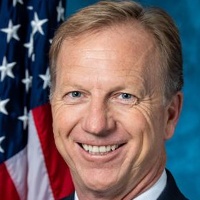
Kevin Hern
Representative
OK
Kevin Hern
Representative
OK
The Tackling Predatory Litigation Funding Act establishes a new federal excise tax on proceeds received from third-party litigation financing agreements. This tax is calculated at the highest income tax rate plus an additional 3.8 percentage points, applied annually to the proceeds received by a "covered party." The bill also institutes specific withholding requirements on payments made to financiers and reclassifies litigation funding proceeds to ensure this new tax structure is applied.
This Act establishes federal grant funds within DHS and DOJ to assist states with border security reinforcement and the prosecution and detention of criminal aliens, including reimbursement for eligible past expenditures.

Chip Roy
Representative
TX
Chip Roy
Representative
TX
The State Border Security Assistance Act establishes two new federal grant programs to support state and local efforts along the southern border. The first fund provides billions for physical barriers, surveillance technology, and border reinforcement activities. The second fund allocates resources for the investigation, prosecution, and detention of criminal non-citizens. Both programs offer reimbursement for eligible expenses dating back to January 20, 2021, and are scheduled to sunset in January 2029.
This resolution expresses the House's strong support for the enduring U.S.-Israel alliance and calls for expanding defense cooperation to counter evolving regional threats.
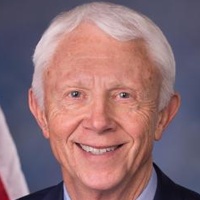
Jack Bergman
Representative
MI
Jack Bergman
Representative
MI
This resolution expresses the strong sense of the House of Representatives affirming the enduring U.S.-Israel alliance based on shared democratic values. It emphasizes the necessity of expanding defense cooperation to address evolving regional threats and maintain Israel's qualitative military edge. The bill calls for continued joint efforts in missile defense, technology sharing, and intelligence to ensure the security of both nations.
This Act establishes robust federal protections and enforcement mechanisms against discrimination for healthcare entities that decline to participate in abortion, sterilization, or assisted suicide procedures, while also granting individuals a private right of action to sue for violations.
August Pfluger
Representative
TX
August Pfluger
Representative
TX
The Conscience Protection Act of 2025 aims to strengthen federal protections for healthcare providers and entities that refuse to participate in abortion, sterilization, or assisted suicide based on moral or religious objections. It prohibits discrimination against these entities by any recipient of federal funding, including state and local governments. Furthermore, the bill establishes stronger enforcement mechanisms within HHS and grants individuals and entities a private right of action to sue for violations of these conscience laws in federal court.