Legislative Activity
Track Lance's sponsored bills, co-sponsored legislation, and voting record
The Fair and Open Competition Act of 2025 prohibits the federal government from requiring or penalizing bidders or contractors on federally funded construction projects based on their agreement or non-agreement with labor unions.
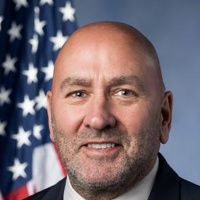
Clay Higgins
Representative
LA
Clay Higgins
Representative
LA
The Fair and Open Competition Act of 2025 ensures fair competition on federally funded construction projects by prohibiting the government from requiring or penalizing bidders based on union agreements. This legislation aims to keep federal agencies neutral in labor relations while promoting cost savings and opening opportunities for all businesses. Exceptions to this neutrality rule are strictly limited to specific public health, safety, or national security emergencies.
The Major Richard Star Act ensures that military retirees with combat-related disabilities can concurrently receive their full military retirement pay and VA disability compensation without reduction.

Gus Bilirakis
Representative
FL
Gus Bilirakis
Representative
FL
The Major Richard Star Act ensures that military retirees with combat-related disabilities can receive both their military retirement pay and VA disability compensation concurrently without reduction. This law removes previous restrictions that caused military retirement pay to be offset by VA disability payments for these specific cases. The changes take effect on the first day of the month following the Act's enactment.
This Act prevents the President and the Secretary of HHS from using emergency declarations to impose gun control measures and prohibits federal disaster rules from restricting the possession or transfer of firearms, ammunition, and related accessories.
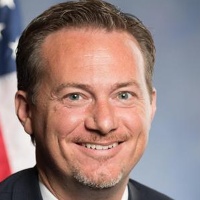
Michael Cloud
Representative
TX
Michael Cloud
Representative
TX
The Protecting the Right to Keep and Bear Arms Act of 2025 restricts the President and the Secretary of Health and Human Services from using emergency declarations to enact gun control measures. This bill specifically prevents the use of the National Emergencies Act and the Public Health Service Act for imposing new firearm restrictions. Furthermore, it amends disaster relief law to prohibit federal disaster declarations from banning the possession, sale, or transfer of firearms, ammunition, or related accessories.
The Credit for Caring Act of 2025 establishes a new, partially refundable federal income tax credit for working family caregivers covering qualified expenses exceeding \$2,000, up to a \$5,000 annual limit.
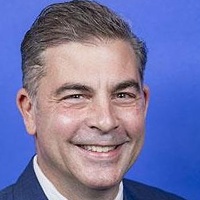
Mike Carey
Representative
OH
Mike Carey
Representative
OH
The Credit for Caring Act of 2025 establishes a new, non-refundable federal income tax credit for working family caregivers who incur significant expenses caring for a relative with long-term care needs. Eligible caregivers can claim a credit equal to 30% of qualified expenses exceeding \$2,000, up to a maximum annual credit of \$5,000. The bill specifies detailed requirements for the care recipient's needs, the types of allowable expenses, and includes income phase-out limits for claiming the benefit.
This bill officially designates the United States Postal Service facility at 620 East Pecan Boulevard in McAllen, Texas, as the "Agent Raul H. Gonzalez Jr. Memorial Post Office Building."
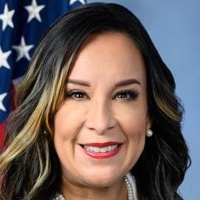
Mónica De La Cruz
Representative
TX
Mónica De La Cruz
Representative
TX
This bill officially designates the United States Postal Service facility located at 620 East Pecan Boulevard in McAllen, Texas, as the "Agent Raul H. Gonzalez Jr. Memorial Post Office Building." The legislation ensures that all official records and documents reflect this new memorial name for the building.
The Choice in Affordable Housing Act of 2025 aims to increase landlord participation in the Housing Choice Voucher program, particularly in high-opportunity areas, through new financial incentives and streamlined quality inspections.
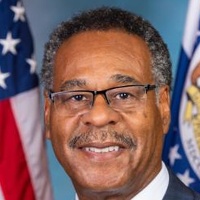
Emanuel Cleaver
Representative
MO
Emanuel Cleaver
Representative
MO
The Choice in Affordable Housing Act of 2025 aims to increase landlord participation in the Housing Choice Voucher (Section 8) program, especially in high-opportunity neighborhoods. It establishes new financial incentives for landlords, streamlines housing quality inspections, and mandates the use of localized fair market rents for voucher calculations. The Act also requires annual reporting on its effectiveness in expanding housing choice for voucher holders.
This bill censures Representative Al Green for disrupting the President's address to Congress and requires him to receive a formal reprimand before the House.
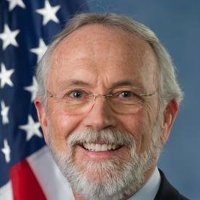
Dan Newhouse
Representative
WA
Dan Newhouse
Representative
WA
This bill censures Representative Al Green of Texas for disrupting the President's address to Congress on March 4, 2025. It condemns his actions and orders him to appear before the House of Representatives to receive a formal reprimand. During this time the Speaker of the House will publicly read the resolution of censure.
This act allows U.S. citizens to sue local governments defined as "sanctuary jurisdictions" for crimes committed by undocumented aliens due to failures in immigration enforcement.
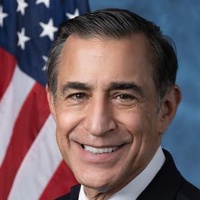
Darrell Issa
Representative
CA
Darrell Issa
Representative
CA
The Sanctuary City Accountability Act establishes a new private right of action allowing U.S. citizens to sue local governments defined as "sanctuary jurisdictions" for crimes committed against them by undocumented aliens. This allows citizens to seek injunctive relief or compensatory damages in federal court if local policies obstruct federal immigration enforcement. A local government is protected from these lawsuits if its actions are mandated by state law.
The CLEAR Act of 2025 aims to enhance state and local law enforcement's role in federal immigration enforcement by providing them with more authority, resources, training, and federal support for detaining and transferring undocumented immigrants.
Darrell Issa
Representative
CA
Darrell Issa
Representative
CA
The CLEAR Act of 2025 aims to enhance immigration law enforcement by empowering state and local law enforcement to assist in the investigation, apprehension, and detention of undocumented immigrants. It encourages cooperation through financial incentives, mandates information sharing between state/local agencies and federal authorities, and expands detention facilities. The Act also provides training and immunity to state and local officers and continues the Institutional Removal Program to remove criminal immigrants from prisons. Additionally, it ensures that states are reimbursed for costs associated with detaining and transporting undocumented immigrants.
The "Pay Our Troops Act of 2025" ensures continued pay and allowances for members of the Armed Forces, essential DOD civilians, and contractors during funding gaps until January 1, 2026, or when regular appropriations are enacted.
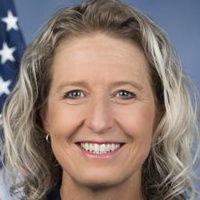
Jennifer Kiggans
Representative
VA
Jennifer Kiggans
Representative
VA
The "Pay Our Troops Act of 2025" ensures that members of the Armed Forces, essential Department of Defense civilians, and contractors continue to receive pay and allowances during periods when regular funding is disrupted. This act provides necessary appropriations to cover these costs for fiscal year 2025. The Act's provisions will terminate upon the enactment of regular appropriations, a continuing resolution that provides funding for the same purpose, or on January 1, 2026.
This bill ensures that U.S. Border Patrol agents and Customs and Border Protection officers are paid during any government shutdown in fiscal year 2025.
Mónica De La Cruz
Representative
TX
Mónica De La Cruz
Representative
TX
The "Pay Our Border Patrol and Customs Agents Act of 2025" ensures that U.S. Border Patrol agents and Customs and Border Protection officers are paid during any government shutdown in fiscal year 2025. The bill appropriates the necessary funds to cover the salaries and expenses of these essential employees, guaranteeing they continue to receive paychecks even when the government is shut down.
This bill allows homeowners to exclude from their gross income any payments they receive from state programs designed to help them improve their property to mitigate damage from disasters like windstorms, earthquakes, or wildfires.
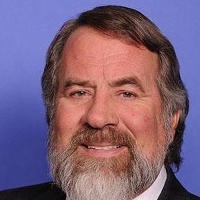
Doug LaMalfa
Representative
CA
Doug LaMalfa
Representative
CA
The Disaster Mitigation and Tax Parity Act of 2025 allows individuals to exclude from their gross income any payments or benefits they receive from state-based catastrophe loss mitigation programs designed to help homeowners protect their properties from disasters such as windstorms, earthquakes, or wildfires. These payments will not affect the property's basis, and the exclusion is applicable retroactively for taxable years starting after December 31, 2020, allowing individuals to claim the exclusion retroactively.
Censures Representative Al Green for disrupting President Trump's address to Congress, violating decorum, and bringing disrepute to the House.
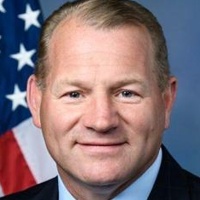
Troy Nehls
Representative
TX
Troy Nehls
Representative
TX
This resolution censures Representative Al Green for disrupting President Trump's address to Congress, violating decorum, and bringing disrepute to the House. It mandates that Representative Green present himself to the House for a public reading of the censure resolution by the Speaker.
This bill revokes the tax-exempt status for government bonds issued by jurisdictions designated as "sanctuary cities" for failing to cooperate with federal immigration enforcement.
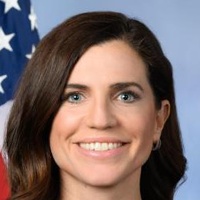
Nancy Mace
Representative
SC
Nancy Mace
Representative
SC
The No Tax Breaks for Sanctuary Cities Act proposes to revoke the tax-exempt status for bonds issued by state or local governments designated as "sanctuary jurisdictions." A sanctuary jurisdiction is defined as one that restricts its officials from sharing immigration status information or complying with federal detainers/release notifications from Homeland Security. This change would apply to bonds issued after the date the Act becomes law.
This resolution expresses formal condolences to the families and loved ones of the 67 victims of the January 2025 collision between American Eagle Flight 5342 and a U.S. Army flight, while honoring the victims and commending the first responders.
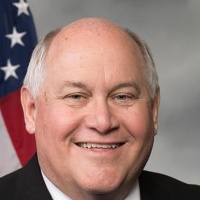
Ron Estes
Representative
KS
Ron Estes
Representative
KS
This resolution expresses the House of Representatives' deepest condolences to the families and loved ones of the 67 individuals who lost their lives in the January 29, 2025, collision of American Eagle Flight 5342 and a U.S. Army flight. It honors the victims, many of whom had strong ties to Wichita, Kansas, and commends the heroic efforts of the first responders and emergency personnel who managed the recovery.
The "Federal Firearms Licensee Protection Act of 2025" increases penalties for stealing firearms from licensed dealers, manufacturers, or importers, especially during burglaries or robberies, and clarifies related definitions.
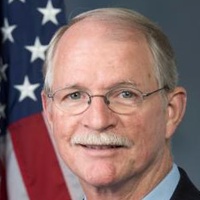
John Rutherford
Representative
FL
John Rutherford
Representative
FL
The "Federal Firearms Licensee Protection Act of 2025" increases penalties for stealing firearms from licensed dealers. It sets stricter punishments, including up to 20 years in prison, for violating laws related to firearm theft. The act also mandates minimum prison sentences of 3 years for burglaries and 5 years for robberies targeting licensed firearm businesses.
The Law Enforcement Protection and Privacy Act of 2025 protects law enforcement and firearm licensee information by amending FOIA, penalizing unauthorized disclosures, and allowing private lawsuits for damages.
Clay Higgins
Representative
LA
Clay Higgins
Representative
LA
The Law Enforcement Protection and Privacy Act of 2025 amends FOIA to protect sensitive firearms data, penalizes unauthorized disclosures of protected information by non-federal entities, and grants licensees the right to sue for damages resulting from such disclosures. It establishes financial penalties for improper disclosures and allows harmed parties to seek compensation in court. The act defines key terms and ensures that other legal remedies remain available.
The "Forest Service Accountability Act" mandates presidential appointment of the Forest Service Chief with Senate approval, choosing someone experienced in forest and natural resources management, and requires a nomination within 30 days of enactment.
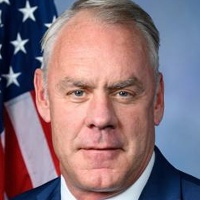
Ryan Zinke
Representative
MT
Ryan Zinke
Representative
MT
The Forest Service Accountability Act mandates that the President, with Senate approval, appoint the Chief of the Forest Service, choosing someone with expertise in forest and natural resources management. The Senate Committees on Agriculture, Nutrition, and Forestry, and Energy and Natural Resources will jointly review the nomination. Within 30 days of the Act's enactment, the President must submit a nomination for the Chief of the Forest Service to the Senate.
The PAST Act of 2025 significantly strengthens the Horse Protection Act by increasing penalties, banning specific action devices, and mandating licensed inspectors to combat the practice of horse soring.
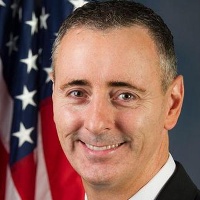
Brian Fitzpatrick
Representative
PA
Brian Fitzpatrick
Representative
PA
The PAST Act of 2025 significantly strengthens the Horse Protection Act to combat the painful practice of soring in specific horse breeds. This bill increases penalties for violations, establishes stricter licensing and oversight for inspectors, and explicitly bans the use of "action devices" designed to cause unnatural gaits. The legislation aims to enhance enforcement, ensure fairer competition, and hold violators accountable through increased fines and disqualifications.
To award a Congressional Gold Medal to the 761st Tank Battalion, the first Black soldiers to serve in an American armored unit, for their valor and crucial contributions to the Allied victory in Europe.
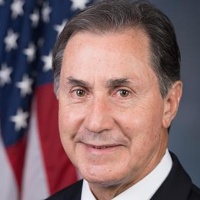
Gary Palmer
Representative
AL
Gary Palmer
Representative
AL
This bill authorizes the Speaker of the House and the President pro tempore of the Senate to award a Congressional Gold Medal to the 761st Tank Battalion, also known as the "Black Panthers," in recognition of their courageous service and crucial contributions during World War II. The medal will be given to the National Museum of African American History and Culture for display, honoring the 761st as the first Black soldiers to serve in an American armored unit and their significant role in the Allied victory in Europe. The bill also allows for the creation and sale of bronze duplicates of the medal to support the United States Mint Public Enterprise Fund.