Legislative Activity
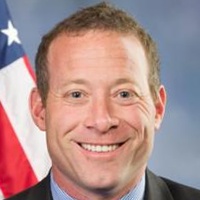
Track Josh's sponsored bills, co-sponsored legislation, and voting record
This bill officially renames the United States Postal Service facility in Spring Lake, New Jersey, as the James J. Howard Post Office.

Frank Pallone
Representative
NJ
Frank Pallone
Representative
NJ
This bill officially renames the United States Postal Service facility located at 2407 State Route 71, Suite 1, in Spring Lake, New Jersey. The facility will now be known as the James J. Howard Post Office. This designation will apply to all future official federal references to the location.
This resolution supports the goals of Glisten’s 2026 Day of Silence by advocating for inclusive, safe, and anti-discriminatory K-12 school policies that protect LGBTQI+ students from bullying and harassment.
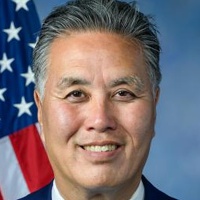
Mark Takano
Representative
CA
Mark Takano
Representative
CA
This resolution supports the goals and ideals of Glisten’s 2026 Day of Silence, which seeks to highlight and combat the bullying, harassment, and discrimination faced by LGBTQI+ students in K-12 schools. It calls on communities and policymakers nationwide to demand equal educational opportunities and the implementation of inclusive policies that ensure all students can learn in a safe, affirming environment.
The SACRED Act establishes federal criminal penalties and civil remedies for the intimidation, harassment, or obstruction of individuals accessing places of religious worship.
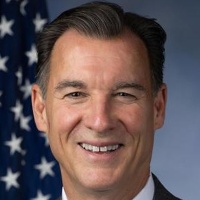
Thomas Suozzi
Representative
NY
Thomas Suozzi
Representative
NY
The SACRED Act establishes federal criminal penalties and civil remedies for individuals who intimidate, harass, or obstruct those attempting to enter or exit places of religious worship. By creating a 100-foot protected zone, the bill aims to safeguard the First Amendment right to religious freedom while ensuring the physical safety of congregants.
This resolution seeks to nullify the Department of Education’s recent rule regarding the William D. Ford Federal Direct Loan Program.

Joe Courtney
Representative
CT
Joe Courtney
Representative
CT
This resolution seeks to exercise congressional disapproval of the Department of Education’s recent rule regarding the William D. Ford Federal Direct Loan Program. If passed, the resolution would nullify the rule, rendering it without force or effect.
This resolution commemorates the 205th anniversary of Greek Independence Day while reaffirming the enduring democratic partnership and strategic alliance between the United States and Greece.

Gus Bilirakis
Representative
FL
Gus Bilirakis
Representative
FL
This resolution commemorates the 205th anniversary of Greek Independence Day, celebrating the enduring democratic values and historical ties shared between the United States and Greece. It reaffirms the strong strategic, security, and economic partnership between the two nations while honoring the contributions of the Greek-American community.
The Maternal Vaccination Act establishes a federal awareness and equity campaign to increase vaccination rates among pregnant and postpartum individuals and their children.
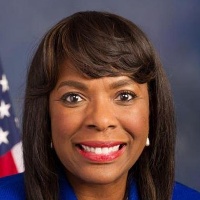
Terri Sewell
Representative
AL
Terri Sewell
Representative
AL
The Maternal Vaccination Act establishes a dedicated awareness and equity campaign to increase vaccination rates among pregnant and postpartum individuals. By providing targeted funding and expanding immunization program grants, the bill ensures that healthcare providers are better equipped to support maternal health, with a specific focus on reaching underserved and minority communities.
This Act mandates the implementation of security mechanisms on advanced integrated circuit products before export to protect U.S. technology and enhance national security.
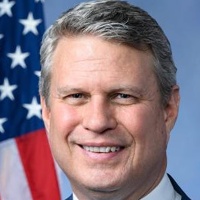
Bill Huizenga
Representative
MI
Bill Huizenga
Representative
MI
The Chip Security Act mandates the installation of security mechanisms on advanced integrated circuit products before they are exported from the United States. These requirements aim to verify chip location, prevent diversion, and protect U.S. technological leadership. The Secretary of Commerce must also study and implement additional security features to enhance export control enforcement and national security.
The Mental Health Access and Provider Support Act of 2026 increases Medicare reimbursement rates for mental health services to 85 percent of the physician fee schedule to improve patient access to care.
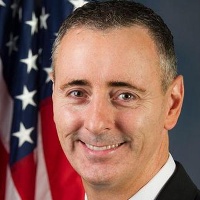
Brian Fitzpatrick
Representative
PA
Brian Fitzpatrick
Representative
PA
The Mental Health Access and Provider Support Act of 2026 aims to improve patient access to care by increasing Medicare reimbursement rates for specific mental health services. Starting January 1, 2027, the payment rate for these services will rise from 75 percent to 85 percent of the physician fee schedule.
The Kira Johnson Act establishes grant programs and research initiatives to advance maternal health equity, reduce bias and discrimination in maternity care, and improve health outcomes for high-risk demographic groups.
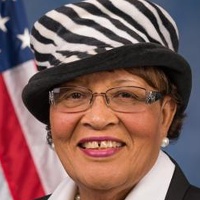
Alma Adams
Representative
NC
Alma Adams
Representative
NC
The Kira Johnson Act aims to eliminate maternal health disparities by funding community-based organizations that provide evidence-based support to high-risk populations. The legislation also establishes grant programs to implement anti-bias training for maternity care providers and creates compliance programs to address racism and discrimination in clinical settings. Through these initiatives, the bill seeks to ensure respectful, culturally congruent care and improve health outcomes for pregnant and postpartum individuals.
This bill mandates federal serialization for 3D-printed and unserialized firearms, classifies assembly kits as firearms, and provides tax credits to licensed dealers to offset compliance costs.
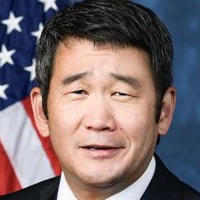
Dave Min
Representative
CA
Dave Min
Representative
CA
The Unserialized Firearm Harm Oversight and Serialization Act of 2026 classifies firearm assembly kits as firearms and mandates the serialization of 3D-printed and other non-traditionally manufactured firearms. The bill requires licensed dealers to serialize any unserialized firearms they take into inventory while establishing a federal tax credit to help offset the associated compliance costs. These measures aim to improve firearm tracking and oversight without overriding existing state laws.
This bill designates November 7th annually as Shwachman Diamond Syndrome Awareness Day to raise public awareness and support research for this rare genetic disorder.
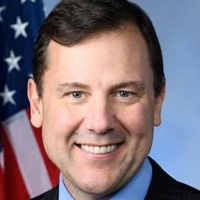
Thomas Kean
Representative
NJ
Thomas Kean
Representative
NJ
This bill officially designates November 7th of each year as Shwachman-Diamond Syndrome Awareness Day. The resolution aims to raise public awareness about this rare genetic disorder affecting the bone marrow, pancreas, and skeleton. By promoting understanding, the bill encourages support for those affected and advocates for increased research into treatments for Shwachman-Diamond Syndrome.
This bill extends WIC eligibility and enhanced food benefits for postpartum and breastfeeding mothers from one year to 24 months.
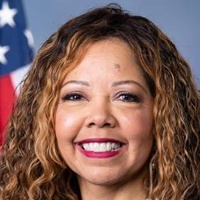
Lucy McBath
Representative
GA
Lucy McBath
Representative
GA
The Extending WIC for New Moms Act increases the duration of WIC eligibility for postpartum mothers from six months to 24 months. It also extends the period for receiving enhanced breastfeeding food packages to 24 months. Additionally, the bill mandates a comprehensive report to Congress evaluating the impact of these extensions on maternal and infant health outcomes.
The Supporting VA Families Act provides Department of Veterans Affairs employees with four additional weeks of unpaid parental leave following the birth, adoption, or foster placement of a child.

Janelle Bynum
Representative
OR
Janelle Bynum
Representative
OR
The Supporting VA Families Act establishes a supplemental parental leave program for Department of Veterans Affairs employees. This legislation provides eligible staff with four additional administrative weeks of unpaid leave following the birth, adoption, or foster care placement of a child. This benefit is designed to supplement, rather than replace, existing family and medical leave entitlements.
This bill requires Medicare to provide separate payments for certain high-cost cancer drugs in hospital outpatient departments rather than bundling them into a single service fee.
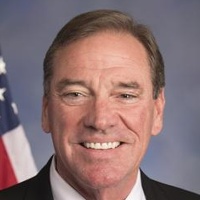
Neal Dunn
Representative
FL
Neal Dunn
Representative
FL
The Facilitating Access to Innovation in Cancer Care (FAIC) Act mandates that Medicare provide separate payments for high-cost cancer drugs administered in hospital outpatient departments, rather than bundling them into general service fees. By establishing a specific cost threshold for these treatments, the bill aims to improve reimbursement accuracy for innovative cancer therapies. To maintain fiscal responsibility, the legislation requires that these payment adjustments remain budget-neutral within the outpatient system.
The Momnibus Act is a comprehensive legislative package designed to improve maternal health outcomes and reduce racial disparities by addressing social determinants, expanding nutritional and mental health support, diversifying the perinatal workforce, and investing in data-driven, community-based care.

Lauren Underwood
Representative
IL
Lauren Underwood
Representative
IL
The Momnibus Act is a comprehensive legislative package designed to end preventable maternal mortality and close racial and ethnic disparities in maternal health outcomes. By addressing social determinants of health, expanding nutritional and mental health support, and investing in a diverse, culturally competent workforce, the bill provides a holistic framework for improving care. Through targeted federal grants, enhanced data collection, and innovative technology, the Act aims to ensure that all pregnant and postpartum individuals receive the equitable, high-quality care they deserve.
The Small AI Innovators Empowerment Act mandates a comprehensive study to identify and address the unique funding, regulatory, and operational challenges faced by small U.S.-based artificial intelligence businesses.
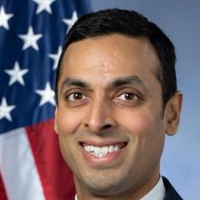
Suhas Subramanyam
Representative
VA
Suhas Subramanyam
Representative
VA
The Small AI Innovators Empowerment Act mandates a comprehensive study to identify the unique challenges faced by small U.S.-based artificial intelligence businesses. This study will analyze critical barriers—including funding, regulatory uncertainty, talent acquisition, and infrastructure access—to provide actionable recommendations for supporting their growth and competitiveness.
This bill exempts H-1B healthcare workers from a $100,000 entry fee to help address workforce shortages.
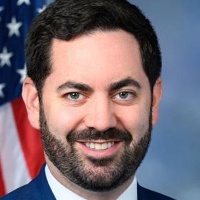
Michael Lawler
Representative
NY
Michael Lawler
Representative
NY
The H-1Bs for Physicians and the Healthcare Workforce Act exempts healthcare workers from a $100,000 entry fee requirement currently imposed on certain H-1B nonimmigrant visa petitions. This legislation aims to remove financial barriers for medical professionals, ensuring they are not subject to fees exceeding standard immigration costs.
The Enhanced Iran Sanctions Act of 2025 mandates broad economic and immigration sanctions on foreign individuals, entities, and financial institutions that support Iran’s nuclear, missile, drone, or terrorist activities, while specifically targeting the country's petroleum and petrochemical sectors.
Michael Lawler
Representative
NY
Michael Lawler
Representative
NY
The Enhanced Iran Sanctions Act of 2025 strengthens U.S. policy by imposing mandatory sanctions on foreign persons and financial institutions that support Iran’s nuclear, ballistic missile, drone, and terrorist activities. The bill specifically targets Iran’s petroleum and petrochemical sectors to cut off funding for these malign programs. Additionally, it expands the State Department’s "Rewards for Justice" program to incentivize the reporting of individuals who evade these sanctions.
The ACTION for National Service Act establishes the AmeriCorps Administration as a new Executive department, increases educational awards and participant living allowances, and sets a goal to expand national service positions to one million by 2036.

John Larson
Representative
CT
John Larson
Representative
CT
The ACTION for National Service Act restructures the existing national service agency by establishing the **AmeriCorps Administration** as a new Executive department, replacing the Corporation for National and Community Service. The bill significantly expands national service by increasing educational award amounts, raising participant living allowances, and setting a goal to serve one million participants by 2036. It also creates an outreach program to inform young adults about service opportunities and makes national service educational awards and living allowances tax-exempt.
The Shane DiGiovanna Act establishes a nationwide Medicaid demonstration program to provide mandatory coverage for essential wound care supplies and treatments for individuals with epidermolysis bullosa.
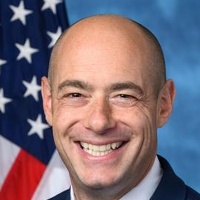
Greg Landsman
Representative
OH
Greg Landsman
Representative
OH
The Shane DiGiovanna Act establishes a two-year nationwide Medicaid demonstration program to provide mandatory coverage for essential wound care supplies and treatments for individuals with epidermolysis bullosa. This initiative aims to improve patient health outcomes and reduce hospitalizations by ensuring access to necessary medical items. Following the program, the Secretary of Health and Human Services will report to Congress on its effectiveness and cost impact.