Legislative Activity
Track Josh's sponsored bills, co-sponsored legislation, and voting record
This bill amends the Social Security Act to allow skilled nursing facilities to provide intravenous immune globulin (IVIG) treatment for primary immune deficiency disease to Medicare beneficiaries starting October 1, 2026.

Adrian Smith
Representative
NE
Adrian Smith
Representative
NE
The PI Post Acute Access Act aims to improve healthcare access for patients with primary immunodeficiency disease. This legislation amends the Social Security Act to allow skilled nursing facilities to provide intravenous immune globulin (IVIG) treatments and related services to Medicare beneficiaries. This change is set to take effect starting October 1, 2026.
The American Leadership in AI Act aims to strengthen U.S. leadership in artificial intelligence by establishing new standards, boosting research infrastructure, modernizing federal governance, protecting workers and small businesses, safeguarding against deepfakes, and expanding AI education and literacy.
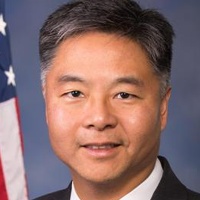
Ted Lieu
Representative
CA
Ted Lieu
Representative
CA
The American Leadership in AI Act aims to secure U.S. leadership in artificial intelligence by strengthening safety standards, boosting federal research infrastructure, and modernizing government use of AI. The bill also focuses on protecting workers and small businesses from AI disruption while expanding education and penalizing harmful AI-enabled misuse like deepfakes. Overall, it establishes a comprehensive framework to foster innovation while mitigating risks associated with advanced AI.
This bill establishes grant programs to fund data-driven suicide prevention outreach for the general public and the development of AI-powered predictive models for veteran suicide risk assessment.
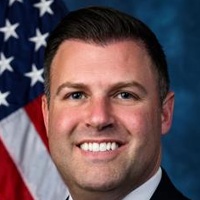
Ryan Mackenzie
Representative
PA
Ryan Mackenzie
Representative
PA
This act establishes grant programs to enhance suicide prevention efforts using data and technology. It directs HHS to fund agencies using data analysis for targeted outreach to at-risk individuals across the general population. Additionally, the VA must create a grant program for organizations to develop AI-driven predictive models to identify suicide risk factors among veterans.
This bill designates April as Community College Month to recognize the vital role of over 1,000 community colleges in advancing accessible higher education, workforce training, and national economic prosperity.
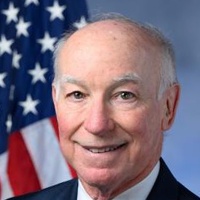
Joe Courtney
Representative
CT
Joe Courtney
Representative
CT
This resolution officially designates April as Community College Month to celebrate the vital role of over 1,000 community colleges nationwide. It recognizes these institutions for providing accessible higher education, workforce training, and significant contributions to the U.S. economy. The bill highlights their affordability, local presence, and impact on student success across the country.
This bill establishes the Federal and State Food Safety Information Sharing Act of 2026 to allow the HHS Secretary to share critical FDA food safety data with state and local authorities and extends the duration of certain food safety grants.
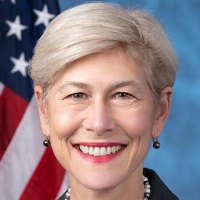
Deborah Ross
Representative
NC
Deborah Ross
Representative
NC
This bill establishes the Federal and State Food Safety Information Sharing Act of 2026 to enhance public health protection. It allows the Secretary of Health and Human Services to share critical, non-public food safety data with state, local, Tribal, and Territorial authorities. The legislation also extends the maximum duration of certain food safety grants from three to five years.
This Act establishes penalties and restrictions to deter foreign adversaries from stealing proprietary, closed-source artificial intelligence models owned by U.S. entities through model extraction attacks.
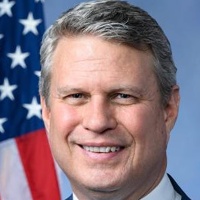
Bill Huizenga
Representative
MI
Bill Huizenga
Representative
MI
The Deterring American AI Model Theft Act of 2026 aims to protect proprietary, closed-source Artificial Intelligence models owned by U.S. entities from theft by foreign adversaries. It establishes new legal restrictions and penalties targeting "model extraction attacks" used by designated "entities of concern" to replicate advanced AI capabilities. The bill mandates government assessments, public reporting, and grants the President authority to impose sanctions against those found violating these provisions.
This bill establishes a whistleblower incentive and protection program within the Department of Commerce to encourage reporting of violations of U.S. export control laws, particularly concerning advanced AI chips.
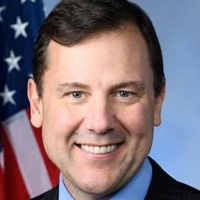
Thomas Kean
Representative
NJ
Thomas Kean
Representative
NJ
This bill, the "Stop Stealing our Chips Act," establishes a new whistleblower incentive and protection program within the Department of Commerce. It rewards individuals who provide original information leading to successful enforcement actions against violations of U.S. export control laws, particularly concerning advanced AI chips. The legislation also prohibits employers from retaliating against whistleblowers who report these violations.
This act establishes an Office of Energy Affordability within the Department of Energy to review energy regulations for their impact on consumer costs and reliability.
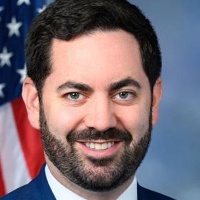
Michael Lawler
Representative
NY
Michael Lawler
Representative
NY
The Energy Affordability and Reliability Act of 2026 establishes the Office of Energy Affordability within the Department of Energy. This new office is tasked with reviewing proposed DOE regulations to ensure they transparently analyze the short- and long-term impacts on consumer energy costs. The Office will provide guidance to prevent negative effects on energy affordability and support reliable, cost-effective energy access.
This Act mandates a comprehensive report to Congress detailing emerging military, cyber, and political threats to the Baltic states and recommending strategies to enhance their security and U.S. partnership.
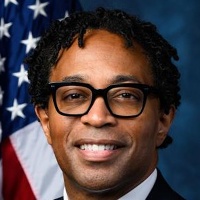
Wesley Bell
Representative
MO
Wesley Bell
Representative
MO
The Baltic Security Assessment Act of 2025 affirms the critical importance of Estonia, Latvia, and Lithuania to U.S. national security amidst Russian aggression. This bill mandates that the Secretary of State and Secretary of Defense deliver a comprehensive report to Congress detailing emerging military, cyber, and political threats to the Baltic states. The report must also recommend specific actions to enhance U.S. and NATO defense cooperation and bolster Baltic resilience.
This act extends eligibility for various Department of Veterans Affairs benefits to former service members discharged solely due to their sexual orientation or gender identity.

Chris Pappas
Representative
NH
Chris Pappas
Representative
NH
The Securing the Rights our Veterans Earned Act (SERVE Act) extends eligibility for key Department of Veterans Affairs (VA) benefits to former service members who were discharged based on their sexual orientation or gender identity. This includes access to hospital care, mental health services, national cemetery burial, Post-9/11 GI Bill education assistance, and housing loans. The bill also mandates the VA Secretary to conduct outreach regarding these newly available benefits.
This bill phases in new manufacturing date requirements for railroad freight cars placed into service in the United States over a four-year period.

John Moolenaar
Representative
MI
John Moolenaar
Representative
MI
The Keeping China Off the Rails Act amends federal law to phase in new requirements for railroad freight cars based on their manufacturing date. This phased approach gradually expands the scope to include older cars over a four-year period. Ultimately, the bill mandates that all railroad freight cars operating in the U.S. must comply with these standards, regardless of when they were produced.
This act establishes and expands a federal grant program to improve civics education in K-12 schools, emphasizing hands-on learning and the history of the civil rights movement.
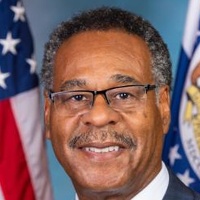
Emanuel Cleaver
Representative
MO
Emanuel Cleaver
Representative
MO
The Civics Learning Act of 2026 aims to combat political polarization and strengthen democracy by improving civics education nationwide. This bill amends existing law to expand a federal grant program, prioritizing funding for innovative, hands-on civics learning in high-need schools. Funds will support activities covering the Constitution, the Bill of Rights, and the history of the civil rights movement. The legislation authorizes $70 million for fiscal year 2027 to support these essential educational efforts.
This Act prohibits most pet restrictions, fees, and breed bans in federally assisted housing while allowing for reasonable pet rules.
Michael Lawler
Representative
NY
Michael Lawler
Representative
NY
The Pets Belong with Families Act aims to ensure that pets can remain with their families by removing unnecessary barriers in federally assisted housing. This legislation prohibits most pet bans, fees, and breed restrictions in these housing situations. Housing providers can still enforce reasonable rules regarding pet behavior and safety, but cannot charge deposits beyond a specified limit or deny pets based on breed.
This resolution expresses support for recognizing open water lifeguards as first responders and emergency response providers.
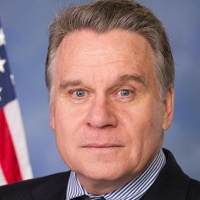
Christopher Smith
Representative
NJ
Christopher Smith
Representative
NJ
This resolution expresses strong support for open water lifeguards, recognizing their critical role as first responders and emergency response providers. It urges federal agencies to formally acknowledge the essential, lifesaving work these individuals perform, often at great personal risk. The bill calls for lifeguards to be treated as emergency responders, including eligibility for priority access to resources during public health emergencies.
This bill designates April 19 through April 25, 2026, as National Crime Victims' Rights Week to honor victims, survivors, and the organizations that support them.

Jim Costa
Representative
CA
Jim Costa
Representative
CA
This resolution officially designates April 19 through April 25, 2026, as National Crime Victims' Rights Week. It recognizes the lasting impact of crime on victims and survivors while honoring the efforts of organizations that support them. The bill reaffirms Congress's commitment to strengthening victims' rights and services nationwide.
This bill supports designating "Black Maternal Health Week" to highlight the urgent need to address and reduce the severe maternal mortality and morbidity crisis disproportionately affecting Black women and birthing people in the United States.
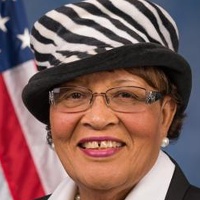
Alma Adams
Representative
NC
Alma Adams
Representative
NC
This bill supports designating a week in April 2026 as "Black Maternal Health Week" to focus national attention on the severe maternal health crisis facing Black women. It highlights the unacceptable and unjust disparities in maternal mortality and morbidity rates among Black women due to structural racism and inequities. The legislation urges Congress to invest in comprehensive maternal care and pass legislation, like the Momnibus Act, grounded in human rights and reproductive justice.
This bill establishes federal restrictions on when financial institutions can turn over certain securities, digital assets, or investment accounts to state governments under unclaimed property laws.
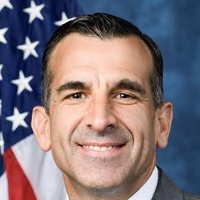
Sam Liccardo
Representative
CA
Sam Liccardo
Representative
CA
The Safeguarding Americans’ Fairly Earned Retirement Act of 2026 (SAFER Act) establishes strict new federal rules governing when financial institutions must turn over certain unclaimed assets, including securities and digital assets, to state governments. This bill mandates specific waiting periods and confirmation of death before assets belonging to individuals or entities can be escheated under state unclaimed property laws. Furthermore, it requires enhanced death record checks for accounts held by retirees before any transfer of assets occurs.
This bill reauthorizes the Breast Cancer Research Stamp program, extending the authority to issue the special postage stamp through 2037.
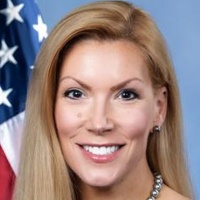
Beth Van Duyne
Representative
TX
Beth Van Duyne
Representative
TX
This bill reauthorizes the popular Breast Cancer Research Stamp program, extending the authority to issue the special postage stamp until 2037. This ensures continued funding for breast cancer research through stamp sales.
This resolution commemorates the 5-year remembrance of the Indianapolis FedEx mass shooting, denounces all forms of anti-Asian hate, and calls for enhanced federal support to combat hate crimes and protect targeted communities.

Pramila Jayapal
Representative
WA
Pramila Jayapal
Representative
WA
This resolution commemorates the five-year remembrance of the 2021 Indianapolis FedEx mass shooting, which tragically killed eight people, many of whom were Sikh. It strongly denounces all forms of anti-Asian hate, discrimination, and violence targeting South Asian communities. Furthermore, the resolution calls for strengthening federal programs to combat hate crimes and reaffirms the commitment to protecting the civil rights of all communities.
This act establishes a federal crime with severe penalties for knowingly misrepresenting the source of DNA used in assisted reproductive technology or artificial insemination.
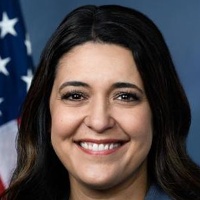
Stephanie Bice
Representative
OK
Stephanie Bice
Representative
OK
The Protecting Families from Fertility Fraud Act of 2026 establishes a new federal crime for knowingly misrepresenting the source of DNA used in assisted reproductive technology (ART) or artificial insemination. This offense, which applies when interstate or foreign commerce is involved, carries penalties of a fine and up to 10 years in prison. The bill also extends the statute of limitations for prosecution once the perpetrator is identified.