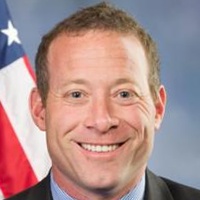
Legislative Activity
Track Josh's sponsored bills, co-sponsored legislation, and voting record
The "Doctors in our Borders Act" increases the number of Conrad 30 waivers from 30 to 100, allowing more foreign doctors to work in underserved areas of the United States.
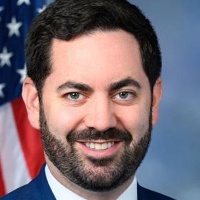
Michael Lawler
Representative
NY
Michael Lawler
Representative
NY
The "Doctors in our Borders Act" aims to increase the availability of medical care in underserved areas by raising the number of Conrad 30 waivers from 30 to 100 per state. These waivers allow international medical graduates to remain in the United States after completing their residency, provided they work in underserved communities. This expansion seeks to bring more doctors to areas with limited access to healthcare.
The Freight RAILCAR Act of 2025 incentivizes freight railcar modernization by establishing a tax credit for qualified newly built replacement railcars and qualified railcar modernization expenditures.
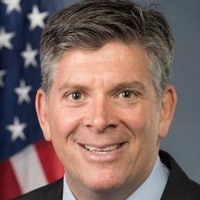
Darin LaHood
Representative
IL
Darin LaHood
Representative
IL
The "Freight RAILCAR Act of 2025" introduces a tax credit for modernizing freight railcars, encouraging investments in newer, more efficient railcars. Taxpayers can claim a credit equal to 10% of their freight railcar fleet modernization expenses, with a limit of 1,000 qualified freight railcars per year. The credit applies to railcars that increase capacity, improve fuel efficiency, or meet updated performance standards, and is available for three years after the Act's enactment. The Secretary of the Treasury is required to submit a report to Congress detailing the credit's usage and impact on railcar modernization and scrapping.
The "National Plan for Epilepsy Act" aims to create a comprehensive national strategy to improve epilepsy prevention, diagnosis, treatment, and research through coordinated federal efforts and an advisory council.
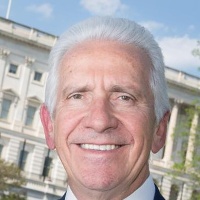
Jim Costa
Representative
CA
Jim Costa
Representative
CA
The "National Plan for Epilepsy Act" aims to address the significant impact of epilepsy by establishing a comprehensive national plan for its prevention, diagnosis, treatment, and cure. This act mandates the creation of an Advisory Council on Epilepsy Research, Care, and Services, composed of federal and non-federal experts, to evaluate and improve federally funded epilepsy efforts. The council will provide recommendations to enhance coordination, diagnosis, treatment, research, and public awareness, and reduce the financial burden of epilepsy on families. Ultimately, the act seeks to improve the lives of individuals with epilepsy and their caregivers through coordinated research, improved access to care, and enhanced public awareness.
This bill excludes certain veterans’ disability benefits from income calculations for HUD-VASH and other housing assistance programs to increase eligibility for unhoused disabled veterans.
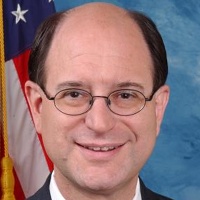
Brad Sherman
Representative
CA
Brad Sherman
Representative
CA
The Housing Unhoused Disabled Veterans Act aims to increase housing accessibility for veterans by excluding VA disability benefits from income calculations for HUD-VASH and other specific housing programs. By disregarding these benefits when determining eligibility, the bill ensures that disabled veterans can more easily qualify for essential housing assistance.
This bill would recognize alpha-gal as a major food allergen, requiring food labels to disclose its presence.
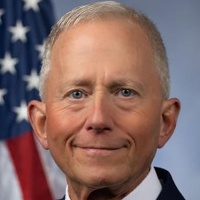
Jefferson Van Drew
Representative
NJ
Jefferson Van Drew
Representative
NJ
The Alpha-gal Allergen Inclusion Act amends the Federal Food, Drug, and Cosmetic Act to include alpha-gal, a sugar found in non-catarrhine primate mammals and red algae, as a major food allergen. This will require food labels to clearly identify the presence of alpha-gal. The amendment will take effect 18 months after the enactment of this Act, with an exception for mammal-derived ingredients where alpha-gal is below a detectable limit as determined by the Secretary.
The SAFE Act amends the Social Security Act to include physical and occupational therapy benefits in Medicare annual wellness visits and initial preventive physical exams and requires the Secretary of Health and Human Services to submit an annual report to Congress regarding falls experienced by individuals aged 65 and older.
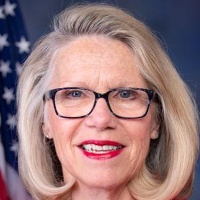
Carol Miller
Representative
WV
Carol Miller
Representative
WV
The SAFE Act amends the Social Security Act to include physical and occupational therapy benefits in Medicare annual wellness visits and initial preventive physical exams starting in 2026 for individuals determined to have fallen in the previous year. It mandates that these individuals receive falls risk assessments, fall prevention services, and outpatient therapy services. Additionally, the Act requires the Secretary of Health and Human Services to submit annual reports to Congress on falls experienced by individuals aged 65 and older.
The "Freedom First Lend Lease Act" authorizes the U.S. President to lend or lease defense articles to Ukraine and Eastern European countries for fiscal years 2026 and 2027, streamlining the process for timely delivery.
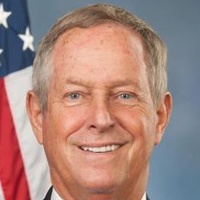
Joe Wilson
Representative
SC
Joe Wilson
Representative
SC
The "Freedom First Lend Lease Act" empowers the President to lend or lease defense articles to Ukraine and Eastern European countries impacted by Russia's invasion, for fiscal years 2026 and 2027, temporarily waiving certain restrictions related to foreign assistance and arms export control for Ukraine. The bill requires expedited procedures for the delivery of defense articles and stipulates that standard laws regarding return, reimbursement, and repayment will apply. Presidential authority can only be delegated to Senate-confirmed officials.
This bill creates a 20-year demonstration project waiving certain Social Security disability benefit rules for blind Americans to encourage their return to work.
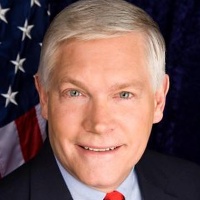
Pete Sessions
Representative
TX
Pete Sessions
Representative
TX
The Blind Americans Return to Work Act of 2025 initiates a 20-year demonstration project aimed at helping blind Americans receiving Social Security disability benefits return to work. For the first 10 years, eligibility for benefits will be determined without considering substantial gainful activity, and benefits will be reduced based on earnings above a set amount, incentivizing employment without immediate loss of support. The project waives certain benefit requirements to facilitate successful employment, with participants having the option to opt out after the initial 10-year period. This act aims to support blind individuals in their transition back to the workforce while maintaining a safety net.
The "Freedom to Invest in Tomorrow's Workforce Act" expands the use of 529 savings accounts to cover expenses related to postsecondary credentialing programs, including tuition, fees, books, supplies, equipment, and testing fees.

Robert Wittman
Representative
VA
Robert Wittman
Representative
VA
The "Freedom to Invest in Tomorrow's Workforce Act" amends Section 529 savings accounts to include expenses related to postsecondary credentialing programs. This allows 529 funds to cover costs like tuition, fees, books, supplies, and testing fees for recognized programs and credentials, as defined by the bill. These changes would apply to distributions made after the bill is enacted.
The Payment Choice Act of 2025 ensures that retail businesses accepting in-person payments cannot refuse cash for transactions under $500, with certain exceptions and enforcement mechanisms.
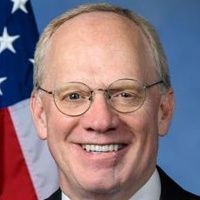
John Rose
Representative
TN
John Rose
Representative
TN
The Payment Choice Act of 2025 ensures that retail businesses accepting in-person payments cannot refuse cash for transactions under $500, preventing them from charging cash-paying customers more. It outlines specific exceptions, such as temporary system failures or providing fee-free cash-to-prepaid card converters, and allows for inactivity fees on prepaid cards under certain conditions. The bill also includes enforcement mechanisms, allowing customers to take legal action against businesses in violation and establishing penalties for non-compliance. For the first 5 years, businesses are only required to accept bills up to $20.
This resolution condemns the wrongful detention and mistreatment of Dr. Gubad Ibadoghlu by the Azerbaijani government and calls for his immediate and unconditional release.
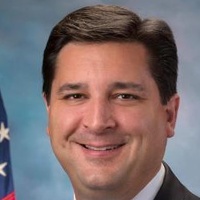
David Rouzer
Representative
NC
David Rouzer
Representative
NC
This resolution condemns the Government of Azerbaijan for the wrongful detention, abuse, and suppression of academic freedom regarding Dr. Gubad Ibadoghlu. It demands his immediate and unconditional release, the provision of necessary medical care, and an end to the harassment of his family. Furthermore, it urges the U.S. Secretary of State to prioritize Dr. Ibadoghlu’s well-being and release in all diplomatic engagements.
The "Protecting Sensitive Locations Act" restricts immigration enforcement actions at sensitive locations like schools and places of worship, requiring discretion and oversight.
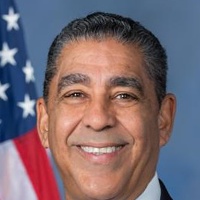
Adriano Espaillat
Representative
NY
Adriano Espaillat
Representative
NY
The "Protecting Sensitive Locations Act" amends the Immigration and Nationality Act to restrict immigration enforcement actions within 1,000 feet of sensitive locations like schools, hospitals, and places of worship, except in exigent circumstances. It mandates training, reporting, and oversight for enforcement activities near these locations, and invalidates evidence obtained in violation of the Act. The Act aims to ensure discretion and limit enforcement impact on sensitive community spaces, while also requiring annual reports to Congress on enforcement actions taken in sensitive locations.
Establishes a commission to study the feasibility of creating a National Museum of Italian American History and Culture in Washington, D.C., funded through private contributions.
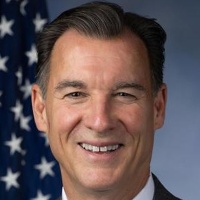
Thomas Suozzi
Representative
NY
Thomas Suozzi
Representative
NY
This bill establishes a commission to study the feasibility of creating a National Museum of Italian American History and Culture in Washington, D.C. The commission will develop recommendations for a plan of action, including a fundraising plan to support the museum's establishment, operation, and maintenance without federal funds. The commission will submit reports to the President and Congress, and will conclude 30 days after submitting its final reports. No federal funds will be used for the commission's work.
The Marc Fischer Memorial Act mandates the implementation of a comprehensive digital mail scanning strategy across all federal prisons to detect and interdict synthetic drugs like fentanyl.
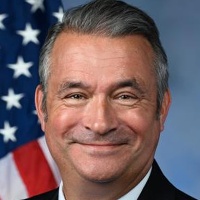
Don Bacon
Representative
NE
Don Bacon
Representative
NE
The Marc Fischer Memorial Act mandates that the Bureau of Prisons implement a comprehensive strategy to achieve 100% digital scanning of all inmate mail to interdict fentanyl and other synthetic drugs. By transitioning to digital mail processing, the Act aims to protect staff and inmates from lethal exposure, improve institutional security, and alleviate the administrative burden on correctional personnel.
The Scientific Integrity Act mandates federal agencies to establish and enforce scientific integrity policies that protect scientific research from political interference, ensure open communication of scientific findings, and provide whistleblower protection for scientists.
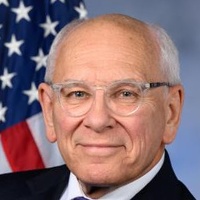
Paul Tonko
Representative
NY
Paul Tonko
Representative
NY
The Scientific Integrity Act mandates that federal agencies that fund, conduct, or oversee scientific research establish and enforce scientific integrity policies. These policies aim to protect scientists from political interference, ensure the open communication of scientific findings, and establish clear processes for reporting and addressing scientific misconduct. The Act requires agencies to appoint Scientific Integrity Officers, provide regular training, and report on misconduct complaints, with oversight from the Office of Science and Technology Policy and Congress. It also protects the rights of federal employees and contractors to share their findings and prevents the suppression or distortion of scientific data.
The "Taxpayer Data Protection Act" limits access to the Treasury Department's payment systems to authorized personnel and requires investigation and reporting of unauthorized access.
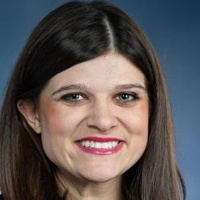
Haley Stevens
Representative
MI
Haley Stevens
Representative
MI
The Taxpayer Data Protection Act limits access to the Treasury Department's payment systems to Treasury employees or contractors with satisfactory performance reviews and security clearances. It sets specific criteria for individuals accessing the system, including conflict of interest restrictions, training, and ethics agreements. The Act also mandates the Treasury Department's Inspector General to investigate and report to Congress on any unauthorized system use.
The WARN Act directs the Comptroller General to study and report on the effectiveness of weather alert systems to improve community emergency response plans and public safety.
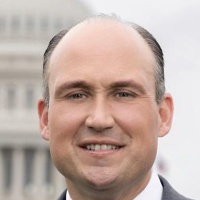
Nicholas Langworthy
Representative
NY
Nicholas Langworthy
Representative
NY
The WARN Act aims to improve community safety during weather emergencies by directing the Comptroller General to study the effectiveness of local, state, territory, and federal emergency alert systems. The study will assess alert dissemination methods, evaluate the clarity and actionability of alert content, and explore improvements to public alerting systems. A report on the study's findings will be submitted to Congress within 18 months, with the goal of enhancing emergency response plans and public safety.
The Protect Our Letter Carriers Act of 2025 authorizes $7 billion to upgrade postal security infrastructure while mandating dedicated federal prosecutors for postal crimes and increasing sentencing guidelines for assaults against postal employees.
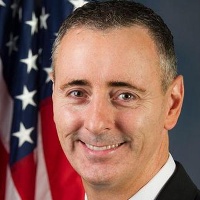
Brian Fitzpatrick
Representative
PA
Brian Fitzpatrick
Representative
PA
The Protect Our Letter Carriers Act of 2025 aims to enhance the safety of postal workers by funding high-security infrastructure upgrades, including electronic mailbox keys. The bill also mandates the appointment of dedicated federal prosecutors for postal crimes in every judicial district and requires stricter sentencing guidelines for those who assault or rob postal employees.
The Right to Contraception Act establishes a federal right to obtain and use contraception and prohibits government interference with access to contraceptive services and information.
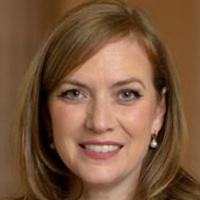
Lizzie Fletcher
Representative
TX
Lizzie Fletcher
Representative
TX
The Right to Contraception Act establishes a federal right for individuals to access and use contraception without government interference. It prohibits federal and state governments from enacting laws that restrict access to contraceptives or the provision of related services. The Act provides clear enforcement mechanisms, allowing individuals and the Attorney General to sue to strike down any rule that violates these protections.
This resolution expresses the House of Representatives' formal disapproval of granting pardons to individuals convicted of assaulting Capitol Police officers.
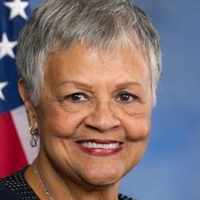
Bonnie Watson Coleman
Representative
NJ
Bonnie Watson Coleman
Representative
NJ
This resolution expresses the formal disapproval of the House of Representatives regarding the granting of pardons to individuals convicted of assaulting Capitol Police officers. It serves as a clear statement of opposition toward clemency for those who committed violent acts against law enforcement during the attack on the U.S. Capitol.