Legislative Activity
Track Josh's sponsored bills, co-sponsored legislation, and voting record
This act establishes and funds a national information clearinghouse to help schools and organizations access federal child nutrition programs and find resources for hunger prevention.
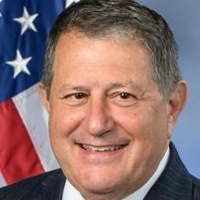
Joseph Morelle
Representative
NY
Joseph Morelle
Representative
NY
The Hunger Clearinghouse Enhancement Act of 2025 establishes a national information clearinghouse to assist schools and organizations in accessing federal child nutrition programs. This clearinghouse will also provide resources on utilizing trained volunteers to combat child hunger. The bill significantly increases the authorized funding for this clearinghouse through fiscal year 2032.
This Act establishes grants for public transit safety improvements and mandates a study on effective crime prevention tactics for transit agencies.
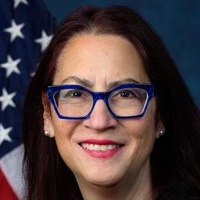
Laura Friedman
Representative
CA
Laura Friedman
Representative
CA
The Safe and Affordable Transit Act establishes a new grant program to fund public transportation safety improvements, including hiring additional security personnel and upgrading infrastructure. It also mandates a comprehensive study on effective crime prevention tactics for transit agencies. These measures aim to enhance security for both passengers and transit workers.
This bill amends House rules to require a 60% supermajority vote of those present and voting to censure, disapprove of, or remove a Member, Delegate, or Resident Commissioner from committee.
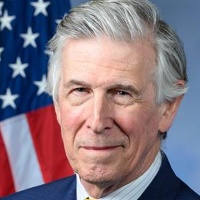
Donald Beyer
Representative
VA
Donald Beyer
Representative
VA
This bill proposes amending the House Rules to increase the threshold required for disciplinary action against a Member, Delegate, or Resident Commissioner. Specifically, it mandates that a supermajority of at least 60% of votes cast must support any resolution for censure, disapproval, or removal from committee membership. This change establishes a higher bar for imposing these specific forms of House discipline.
This bill repeals tariffs imposed on goods from 40 Indo-Pacific partners and allies to better counter Chinese economic coercion.
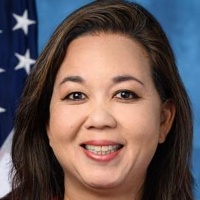
Jill Tokuda
Representative
HI
Jill Tokuda
Representative
HI
This Act, the Indo-Pacific Partner and Ally Tariff Repeal Act, terminates tariffs imposed on goods from 40 specific Indo-Pacific allies and partners. Congress finds that these tariffs undermine collective efforts against the Chinese Communist Party's coercive actions. The bill immediately repeals the tariffs established under Executive Orders 14257 and 14326.
This bill establishes Medicare coverage for genetic counseling services provided by licensed or certified genetic counselors starting in 2027.

Adrian Smith
Representative
NE
Adrian Smith
Representative
NE
The Access to Genetic Counselor Services Act of 2025 aims to expand healthcare access by establishing Medicare coverage for genetic counseling services starting in 2027. This legislation defines qualified genetic counselors and sets specific payment rules for these covered services under Medicare. The bill ensures that Medicare beneficiaries can receive essential genetic counseling from licensed or certified professionals.
The Healthy MOM Act establishes special enrollment periods for pregnancy across various health plans, mandates maternity coverage for dependents, and ensures continuous 12-month Medicaid and CHIP coverage for pregnant and postpartum individuals.
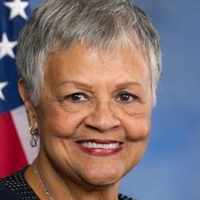
Bonnie Watson Coleman
Representative
NJ
Bonnie Watson Coleman
Representative
NJ
The Healthy Maternity and Obstetric Medicine Act, or Healthy MOM Act, aims to improve maternal and newborn health outcomes by ensuring comprehensive maternity coverage is accessible. It establishes special enrollment periods for pregnant individuals across various health plans and mandates that dependent coverage must include maternity care. Furthermore, the bill secures continuous 12-month postpartum coverage under Medicaid and CHIP and adjusts federal employee health benefit rules regarding pregnancy.
This Act expands access to lung cancer screening under Medicaid and Medicare without cost-sharing or prior authorization, broadens tobacco cessation coverage for all Medicaid individuals, and mandates public education and a demographic report on screening.
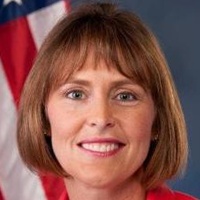
Kathy Castor
Representative
FL
Kathy Castor
Representative
FL
The Increasing Access to Lung Cancer Screening Act aims to expand access to crucial preventative care by mandating that Medicaid and Medicare cover annual lung cancer screenings without cost-sharing or prior authorization for eligible individuals. The bill also expands Medicaid coverage for tobacco cessation services to all beneficiaries and prohibits private health insurance plans from imposing prior authorization for recommended screenings. Finally, it authorizes funding for a national education campaign and requires a report on lung cancer screening demographics.
This bill officially recognizes the service of World War II-era U.S. Cadet Nurse Corps members by granting them an honorable discharge and veteran status for specific burial benefits.
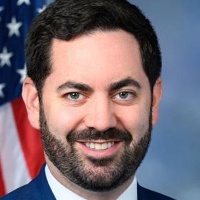
Michael Lawler
Representative
NY
Michael Lawler
Representative
NY
This bill officially recognizes the service of individuals who served in the United States Cadet Nurse Corps during World War II. It mandates the Secretary of Defense to issue an honorable discharge to eligible former nurses, thereby honoring them as veterans. This recognition primarily grants eligibility for specific burial and memorial benefits related to their service.
This bill extends enhanced premium tax credits through 2027, establishes new anti-fraud measures for health insurance enrollment, and extends the 2026 open enrollment period.
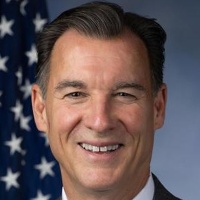
Thomas Suozzi
Representative
NY
Thomas Suozzi
Representative
NY
The Bipartisan Healthcare Optimization, Protection, and Extension (HOPE) Act extends enhanced premium tax credits for health insurance through 2027, making coverage more affordable for eligible individuals. The bill also establishes significant new guardrails and penalties to prevent fraud in health insurance enrollment through the Exchanges. Finally, it extends the annual open enrollment period for the 2026 plan year.
The Find It Early Act mandates no-cost coverage for additional, recommended breast cancer screenings for high-risk individuals across private insurance, Medicare, Medicaid, TRICARE, and VA health programs starting in 2026.
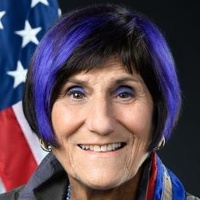
Rosa DeLauro
Representative
CT
Rosa DeLauro
Representative
CT
The Find It Early Act mandates that certain individuals at increased risk for breast cancer receive additional, recommended screenings with no out-of-pocket costs. This coverage requirement applies across private health plans, Medicare, Medicaid, TRICARE, and the Department of Veterans Affairs. These provisions are set to take effect starting January 1, 2026.
This Act prohibits discrimination based on religion, sex, or marital status in federally funded child welfare services to improve outcomes for all children, especially LGBTQ youth.
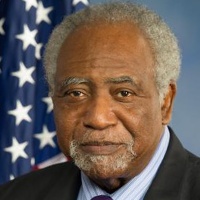
Danny Davis
Representative
IL
Danny Davis
Representative
IL
The John Lewis Every Child Deserves a Family Act prohibits discrimination based on religion, sex, or marital status in federally funded child welfare services. This aims to increase the number of stable, family-like placements for children, especially for LGBTQ youth who are overrepresented in foster care. The bill mandates federal guidance, training, and data collection to improve safety and well-being outcomes for all children involved in the system.
This bill extends and significantly enhances the Work Opportunity Tax Credit through 2030, increases credit amounts, adjusts for inflation, removes the age limit for SNAP recipients, and adds military spouses as an eligible group.
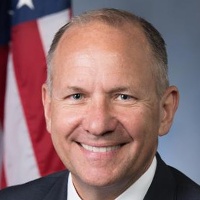
Lloyd Smucker
Representative
PA
Lloyd Smucker
Representative
PA
This bill extends and significantly enhances the Work Opportunity Tax Credit (WOTC) for employers hiring from targeted groups, increasing the credit amount and adjusting it for inflation through 2031. It also removes the age limit for SNAP recipients claiming the credit and adds qualified military spouses as an eligible group. Furthermore, the legislation mandates an inter-agency initiative to promote the hiring of targeted workers in key industries like manufacturing and healthcare.
This bill expands eligibility for airport-related projects to receive Transportation Infrastructure Finance and Innovation Act (TIFIA) financing and adjusts related program rules.
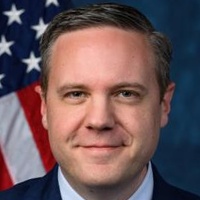
Jeff Hurd
Representative
CO
Jeff Hurd
Representative
CO
This bill, the Airport TIFIA Financing Certainty Act, expands eligibility for Transportation Infrastructure Finance and Innovation Act (TIFIA) credit assistance to a wider range of airport-related projects. It broadens the types of aviation facilities and equipment that can qualify for federal financing, regardless of revenue generation or public accessibility. Additionally, the legislation adjusts project selection criteria and raises the threshold for streamlined program administration.
This act exempts small businesses from duties imposed under Executive Order 14257 and mandates refunds for any such duties already paid.
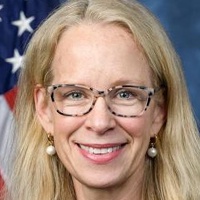
Kelly Morrison
Representative
MN
Kelly Morrison
Representative
MN
The Small Business RELIEF Act exempts qualified small businesses from duties imposed under Executive Order 14257. It also mandates that the President refund any such duties already paid by small businesses within 90 days of enactment. This legislation aims to provide economic fairness and relief to small importers.
This act establishes the National Strategy for School Security Act of 2025, requiring the Secretary of Homeland Security to develop and annually update a national strategy to secure schools from terrorism threats.
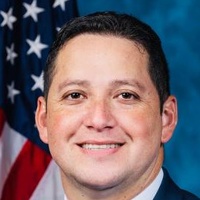
Ernest Gonzales
Representative
TX
Ernest Gonzales
Representative
TX
The National Strategy for School Security Act of 2025 mandates the creation of a comprehensive national strategy to secure K-12 schools from terrorism threats. This strategy, developed by the Secretary of Homeland Security in collaboration with the Secretary of Education, must detail all federal security programs, identify vulnerabilities, and outline goals for improvement. The strategy must be submitted to Congress within one year and updated annually through 2033.
This bill creates a Medicare buy-in option for first responders aged 50 to 64 who retired or became disabled, allowing them to access Medicare coverage early.
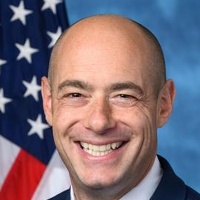
Greg Landsman
Representative
OH
Greg Landsman
Representative
OH
The Expanding Health Care Options for First Responders Act creates a new Medicare buy-in option for qualified first responders aged 50 to 64 who retired or became disabled. This allows eligible individuals to enroll in Medicare Parts A, B, and D, or Medicare Advantage plans, before reaching age 65. The bill establishes premium calculations, coordinates coverage with the Affordable Care Act, and creates an oversight board to monitor the program.
This Act establishes grant programs and student loan repayment to increase the number of mental health service providers working in low-income schools.
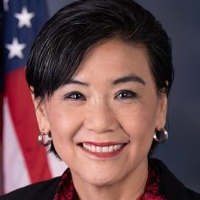
Judy Chu
Representative
CA
Judy Chu
Representative
CA
The Increasing Access to Mental Health in Schools Act establishes grant programs to build pipelines that train and place more mental health providers in low-income schools. It also creates a student loan repayment program for providers who commit to working in these underserved districts for five years. The bill aims to improve student support ratios by increasing the number of school counselors, psychologists, and social workers in high-need areas. Finally, it mandates a study to develop future criteria for identifying areas with mental health provider shortages.
This act mandates Medicare coverage for FDA-approved early detection screening tests for Alzheimer's disease and related dementias beginning in 2028.

Vern Buchanan
Representative
FL
Vern Buchanan
Representative
FL
The Alzheimer’s Screening and Prevention Act of 2025 (ASAP Act) amends Medicare to cover early detection screening tests for Alzheimer's disease and related dementias starting in 2028. This coverage applies to FDA-cleared tests, including genomic sequencing and other equivalent diagnostic methods, designed to detect pre-symptomatic or early-stage conditions. The bill ensures these screenings are added to the list of covered medical services under Medicare.
This bill mandates the revision of the Standard Occupational Classification system to establish a distinct code for Direct Support Professionals to better recognize their critical role in supporting individuals with disabilities.
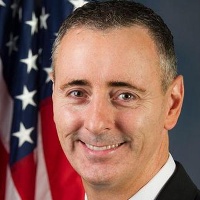
Brian Fitzpatrick
Representative
PA
Brian Fitzpatrick
Representative
PA
The Recognizing the Role of Direct Support Professionals Act aims to address the critical shortage and high turnover among Direct Support Professionals (DSPs) who assist individuals with intellectual and developmental disabilities. The bill mandates that the Office of Management and Budget review and revise the Standard Occupational Classification system to establish a distinct code for DSPs. This change will allow for more accurate labor market data collection to better support these essential workers. The Act does not authorize any new funding.
This bill establishes sanctions against foreign individuals responsible for human rights violations against LGBTQI people and mandates enhanced tracking and reporting of such abuses in annual human rights reports.
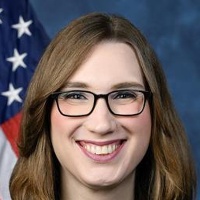
Sarah McBride
Representative
DE
Sarah McBride
Representative
DE
The Global Respect Act aims to promote and protect the human rights of LGBTQI individuals worldwide. It mandates the President to identify and report foreign persons responsible for human rights violations against LGBTQI people, leading to their inadmissibility to the United States. Furthermore, the Act requires enhanced tracking and reporting of violence and discrimination targeting individuals based on sexual orientation, gender identity, or sex characteristics in the annual human rights reports.