This Act expands access to lung cancer screening under Medicaid and Medicare without cost-sharing or prior authorization, broadens tobacco cessation coverage for all Medicaid individuals, and mandates public education and a demographic report on screening.
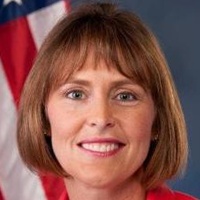
Kathy Castor
Representative
FL-14
The Increasing Access to Lung Cancer Screening Act aims to expand access to crucial preventative care by mandating that Medicaid and Medicare cover annual lung cancer screenings without cost-sharing or prior authorization for eligible individuals. The bill also expands Medicaid coverage for tobacco cessation services to all beneficiaries and prohibits private health insurance plans from imposing prior authorization for recommended screenings. Finally, it authorizes funding for a national education campaign and requires a report on lung cancer screening demographics.
No-Cost Lung Cancer Screening and Smoking Cessation Services Mandated for Medicaid, Medicare, and Private Insurance Starting 2026
This bill, the Increasing Access to Lung Cancer Screening Act, is a major push to remove the financial and administrative roadblocks that keep people from getting two critical health services: annual lung cancer screening and help quitting smoking. Starting January 1, 2026, if you have Medicaid, Medicare, or private health insurance, this legislation mandates that your plan must cover annual lung cancer screenings, without requiring you to pay a deductible, copay, or coinsurance. Crucially, it also bans the frustrating requirement for prior authorization for these screenings across the board.
Clearing the Smoke: No-Cost Cessation Help for All Medicaid Users
One of the most significant changes here is the expansion of tobacco cessation services under Medicaid (SEC. 3). Currently, federal law often limits comprehensive coverage for counseling and pharmacotherapy (medication) to only pregnant women on Medicaid. This bill removes that limitation entirely. If this passes, every eligible Medicaid individual—whether they are a construction worker, a student, or a retiree—will be able to access counseling and prescription drugs to help them quit smoking, and they won't need prior authorization to get started. This is a huge win for public health, making it easier for millions of low-income Americans to access necessary, life-saving support.
The Screening Mandate: Zero Dollars, Zero Paperwork
If you are an individual at high risk for lung cancer, based on the published guidelines from the United States Preventive Services Task Force (USPSTF), getting screened is about to get much simpler and cheaper (SEC. 2 & SEC. 4). The bill mandates that Medicare Part B, Medicare Advantage, Medicaid, and private group and individual health plans must cover the annual screening. The key phrase here is no utilization management requirements.
For the busy person, this means two things: First, no more surprise bills or high out-of-pocket costs for this specific preventive service. Second, no more waiting for your insurance company to approve the procedure before you can schedule it. If you meet the criteria—typically based on age, smoking history, and time since quitting—you can get the screening without the administrative headache. This streamlined process should dramatically increase screening rates, leading to earlier detection and better outcomes, especially for those who might have skipped the test due to cost or complexity.
The Cost and Compliance Catch
While the benefits are clear, there are real-world costs involved. State Medicaid programs and health insurance companies are the ones bearing the immediate financial burden of these new coverage mandates. For states, this means increased expenditures for both the lung cancer screening and the expanded tobacco cessation services. While federal funding helps, states that need to pass new legislation to comply have a grace period until the end of their first regular legislative session after the bill is enacted (SEC. 2 & SEC. 3). This exception could mean a delay of several months or even a year in some states before these benefits actually kick in.
To ensure the public is aware of these new benefits, the bill authorizes $10 million annually from 2026 through 2030 for the Secretary of Health and Human Services to run an education and outreach campaign specifically targeting high-risk individuals and healthcare providers (SEC. 5). Finally, the bill requires the Comptroller General to study the demographics of who is getting screened versus who is being diagnosed, ensuring that existing guidelines aren't leaving out populations that need help the most (SEC. 6). This is a smart move to make sure the policy is actually reaching the people it’s intended to serve.