This bill creates a Medicare buy-in option for first responders aged 50 to 64 who retired or became disabled, allowing them to access Medicare coverage early.
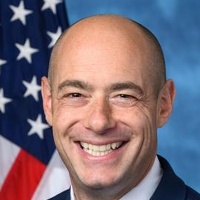
Greg Landsman
Representative
OH-1
The Expanding Health Care Options for First Responders Act creates a new Medicare buy-in option for qualified first responders aged 50 to 64 who retired or became disabled. This allows eligible individuals to enroll in Medicare Parts A, B, and D, or Medicare Advantage plans, before reaching age 65. The bill establishes premium calculations, coordinates coverage with the Affordable Care Act, and creates an oversight board to monitor the program.
Medicare Buy-In Option Opens for Retired First Responders Aged 50-64, But Watch Out for Cost-Sharing Limits
The Expanding Health Care Options for First Responders Act is pretty straightforward: it creates a new option allowing certain first responders—specifically qualified law enforcement officers and firefighters—to buy into Medicare coverage years before the usual age 65 cutoff. This new option is only available to those aged 50 to 64 who separated from service because of retirement or disability. If you’re eligible, you get the full Medicare package: Parts A, B, and D, plus the ability to enroll in a Medicare Advantage plan, with coverage starting on January 1 of the first year that begins at least one year after the bill is enacted.
Closing the Coverage Gap
This bill targets a major pain point for people in physically demanding jobs: the health coverage gap after an early retirement or career-ending disability. If a first responder retires at 55, they’re looking at a decade of expensive private insurance before traditional Medicare kicks in. This new option, established under Section 1899D of Title XVIII of the Social Security Act, solves that by letting them purchase the same comprehensive coverage as those over 65. The Secretary determines the monthly premium based on the estimated average annual cost for benefits and administrative expenses for this specific group, ensuring the program is intended to be self-sustaining.
The ACA Crossover and Subsidies
Here’s where it gets interesting for your wallet: the bill makes sure this coverage plays nice with the Affordable Care Act (ACA). The Medicare buy-in counts as “minimum essential coverage.” Crucially, for purposes of premium tax credits (Section 36B) and cost-sharing reductions (ACA Section 1402), this coverage is treated as if it were a qualified health plan purchased on the Exchange. This means that if your income qualifies, you could potentially use ACA subsidies to help pay for the premium, making this option much more affordable than COBRA or a standard individual market plan. The Secretary will even determine the applicable second lowest cost silver plan to calculate those subsidies.
The Fine Print: Where the Costs Hit Hardest
While the buy-in and subsidies are great news, there’s a significant catch for lower-income eligible individuals. The bill explicitly states that individuals enrolled under this section are not eligible for medical assistance for Medicare cost-sharing under Title XIX (Medicaid). What does that mean in plain English? If you’re a lower-income senior on standard Medicare, Medicaid often helps pay for your deductibles, copayments, and premiums—the “cost-sharing.” Under this new buy-in, that safety net is gone. You’ll have to pay your cost-sharing expenses out-of-pocket, even if you qualify for ACA cost-sharing reductions. Furthermore, if you are currently enrolled in a State Medicaid plan, you are prohibited from enrolling in this new Medicare option altogether, unless your Medicaid doesn't meet the minimum essential coverage definition. This provision (found in the “Relationship to the Affordable Care Act” section) essentially forces low-income, disabled first responders to choose between their current Medicaid coverage and the new Medicare buy-in, potentially locking out those who need the most financial assistance.
Oversight and Outreach
To keep an eye on how this new program rolls out, the bill establishes a Medicare Buy In Oversight Board. This board will include representatives from insurers, consumers, and first responders to monitor the program and make recommendations. To ensure people actually know about this option, the bill also provides grants from 2027 through 2029 for outreach and enrollment assistance. These grants are specifically targeted toward helping eligible entities—like nonprofit first responder organizations—educate and enroll people, including helping them understand the available ACA premium tax credits. The Secretary is required to consult with interested parties, including first responder organizations, when creating the necessary regulations to implement this new section.