Legislative Activity
Track Glenn's sponsored bills, co-sponsored legislation, and voting record
This act mandates the continued implementation of anti-trafficking programs for children based on specific GAO recommendations and requires a progress report to Congress.
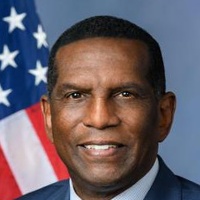
Clarence Owens
Representative
UT
Clarence Owens
Representative
UT
The Preventing Child Trafficking Act of 2025 mandates the continuation and enhancement of federal anti-trafficking programs specifically for children. This law requires key Justice Department and Health and Human Services offices to implement recommendations from a 2023 Government Accountability Office report. Furthermore, the responsible office must establish measurable performance goals for these programs and report on their progress to Congress.
This act establishes a special registration process allowing physicians to administer certain unapproved, Schedule I investigational drugs to terminally ill patients under Right to Try laws.
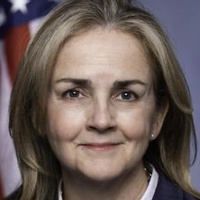
Madeleine Dean
Representative
PA
Madeleine Dean
Representative
PA
The Freedom to Heal Act of 2025 establishes a special registration process for physicians to administer certain unapproved, experimental Schedule I investigational drugs to terminally ill patients under existing "Right to Try" laws. This process, overseen by the Attorney General, requires physicians to meet specific criteria regarding state compliance, manufacturer agreements, and drug handling to prevent diversion. The Act mandates a swift approval timeline for these applications, enabling terminally ill patients greater access to promising treatments.
This act prohibits state and local governments from enacting regulations that restrict energy service based on the type or source of energy sold in interstate commerce.
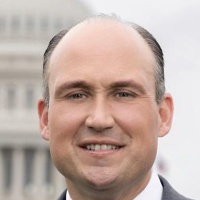
Nicholas Langworthy
Representative
NY
Nicholas Langworthy
Representative
NY
The Energy Choice Act places federal restrictions on state and local governments, preventing them from enacting regulations that prohibit or limit energy service based on its type or source. This means local governments cannot ban or restrict access to energy services sold in interstate commerce. The legislation aims to ensure consistent access to various energy sources across jurisdictions.
This act mandates the inclusion of a citizenship question on future decennial censuses and requires that only U.S. citizens be counted when apportioning congressional representation and electoral votes.
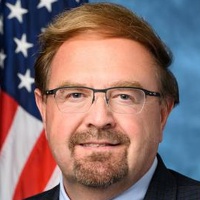
Charles (Chuck) Edwards
Representative
NC
Charles (Chuck) Edwards
Representative
NC
The Equal Representation Act of 2025 mandates the inclusion of a citizenship question on the decennial census starting in 2030. This legislation requires that the population counts used for apportioning seats in the House of Representatives and determining electoral votes exclude non-citizens. The bill ensures that representation is based solely on the count of U.S. citizens within each state.
The Mikaela Naylon Give Kids a Chance Act primarily focuses on enhancing pediatric drug research, ensuring completion of pediatric study requirements, extending incentives for rare pediatric disease treatments, and making targeted updates to FDA and organ transplant network operations.
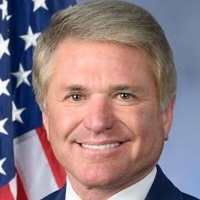
Michael McCaul
Representative
TX
Michael McCaul
Representative
TX
The Mikaela Naylon Give Kids a Chance Act focuses primarily on improving pediatric drug development and ensuring patient access to necessary treatments. This legislation mandates new research requirements for molecularly targeted pediatric cancer drugs, strengthens FDA enforcement of pediatric study completion, and extends incentives for developing drugs for rare pediatric diseases. Additionally, the bill updates organ transplant network functions and establishes an Abraham Accords Office within the FDA to enhance international regulatory cooperation.
This bill denies immigration benefits and makes inadmissible to the U.S. any alien who participated in, financed, or facilitated Hamas attacks against Israel beginning October 7, 2023.
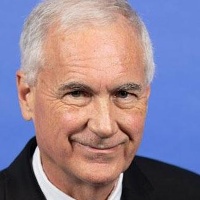
Tom McClintock
Representative
CA
Tom McClintock
Representative
CA
This bill, the "No Immigration Benefits for Hamas Terrorists Act of 2025," makes any alien who participated in or supported the Hamas attacks against Israel on or after October 7, 2023, inadmissible to the United States. This legislation bars such individuals from receiving any form of U.S. immigration relief, including asylum or withholding of removal. Furthermore, it establishes grounds for their deportation and requires an annual report to Congress on enforcement actions taken under this new law.
This resolution honors the victims and recognizes the resilience of the Waukesha community following the devastating 2021 Christmas parade attack.
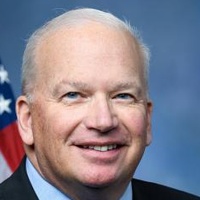
Scott Fitzgerald
Representative
WI
Scott Fitzgerald
Representative
WI
This resolution formally honors the six individuals killed in the tragic 2021 Waukesha Christmas parade attack and recognizes the 62 injured. It acknowledges the Waukesha community's resilience and ongoing efforts to memorialize the victims. The resolution also commends the dedicated work of first responders and health professionals following the devastating event.
This Act establishes the Floodplain Enhancement and Recovery Act to promote ecosystem restoration projects by exempting them from certain map change fees and streamlining approval processes within regulatory floodways.
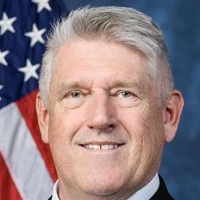
Troy Downing
Representative
MT
Troy Downing
Representative
MT
The Floodplain Enhancement and Recovery Act aims to promote ecosystem restoration projects in floodplains by streamlining regulatory processes. This bill exempts such projects from certain map change fees and allows for conditional approval within regulatory floodways under specific engineering and safety criteria. Ultimately, it directs FEMA to issue guidance to facilitate these beneficial restoration efforts.
This act redefines a tipped employee based on the combined total of their tips and cash wages meeting the federal minimum wage over an employer-defined work period.
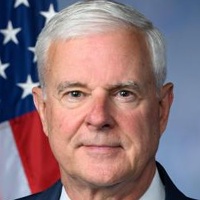
Steve Womack
Representative
AR
Steve Womack
Representative
AR
The Tipped Employee Protection Act updates the definition of a "tipped employee" under federal law. It requires that the combined total of an employee's tips and cash wages must meet the federal minimum wage over an employer-defined work period. This change removes the previous $30 monthly tip threshold and applies regardless of the employee's specific duties.
This bill prohibits the use of federal funds to cover any expenses related to abortion services for individuals unlawfully present in the United States.
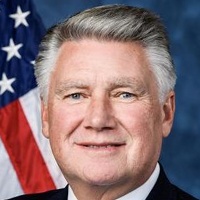
Mark Harris
Representative
NC
Mark Harris
Representative
NC
This bill, the "No Taxpayer Funded Abortion Travel for Illegal Aliens Act," prohibits the use of federal funds to cover any expenses related to abortion services for individuals unlawfully present in the United States. These prohibited expenses include travel, lodging, meals, and related support services. The legislation specifically targets federal funding for aiding unlawful immigrants in accessing abortion care.
This Act prohibits foreign states and sovereign wealth funds from funding U.S. litigation unless they are a party, and mandates disclosure of all foreign third-party litigation funding in civil actions.
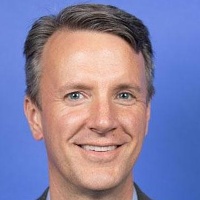
Ben Cline
Representative
VA
Ben Cline
Representative
VA
This Act prohibits foreign states and sovereign wealth funds from funding U.S. civil litigation where they are not a party. It mandates strict disclosure requirements for any foreign third-party litigation funding in federal cases. Failure to comply can result in the dismissal of the case and other sanctions. The Attorney General must also report annually to Congress on the use of such foreign funding.
This Act establishes a study on job training programs for foster youth and creates a grant program to expand their access to apprenticeships and technical training.
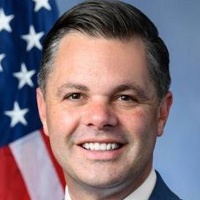
Zachary (Zach) Nunn
Representative
IA
Zachary (Zach) Nunn
Representative
IA
The Fostering the Future for American Children and Families Act aims to improve career readiness for current and former foster youth. It mandates a comprehensive study on existing job training and apprenticeship programs serving this population. Furthermore, the bill establishes a grant program to expand access to industry-aligned technical training and modernizes how existing education vouchers can be used for short-term, credential-granting opportunities.
This act mandates Medicare coverage for FDA-approved early detection screening tests for Alzheimer's disease and related dementias beginning in 2028.
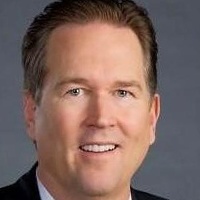
Vern Buchanan
Representative
FL
Vern Buchanan
Representative
FL
The Alzheimer’s Screening and Prevention Act of 2025 (ASAP Act) amends Medicare to cover early detection screening tests for Alzheimer's disease and related dementias starting in 2028. This coverage applies to FDA-cleared tests, including genomic sequencing and other equivalent diagnostic methods, designed to detect pre-symptomatic or early-stage conditions. The bill ensures these screenings are added to the list of covered medical services under Medicare.
This bill mandates the Congressional Budget Office (CBO) to annually publish a public schedule detailing the expected release dates for its major recurring reports.
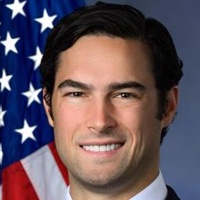
Brandon Gill
Representative
TX
Brandon Gill
Representative
TX
The Congressional Budget Office Scheduling Reform Act mandates that the Director of the CBO publish an annual schedule of major recurring reports on the CBO's public website by December 31st of each year. This schedule must detail the expected publication dates for key documents, including budget baselines and deficit reduction reports. The Director retains the ability to update this schedule as necessary throughout the following year.
This bill officially renames the U.S. Postal Service facility at 202 South Chestnut Avenue in Marshfield, Wisconsin, as the "Army Corporal Gordon Gordy Richard Schmoll Post Office Building."
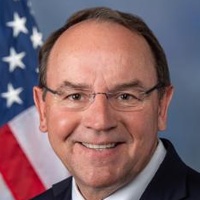
Thomas Tiffany
Representative
WI
Thomas Tiffany
Representative
WI
This bill officially designates the United States Postal Service facility at 202 South Chestnut Avenue in Marshfield, Wisconsin, as the "Army Corporal Gordon 'Gordy' Richard Schmoll Post Office Building." This action ensures the facility will be known by this name in all official records and documents.
This act mandates that all national cemeteries remain open to visitors on legal public holidays.
Troy Downing
Representative
MT
Troy Downing
Representative
MT
The National Cemetery Access Act mandates that all national cemeteries managed by the Department of Defense, the Department of Veterans Affairs, or the National Park Service must remain open to the public on all federal legal public holidays. This ensures continuous access for visitors to honor veterans and their families throughout the year.
This resolution commends President Trump for redesignating Nigeria as a Country of Particular Concern due to severe religious freedom violations and calls for specific U.S. policy actions, including aid conditioning and targeted sanctions.
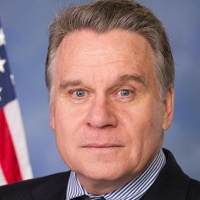
Christopher Smith
Representative
NJ
Christopher Smith
Representative
NJ
This resolution commends President Trump for redesignating Nigeria as a Country of Particular Concern due to severe and ongoing religious freedom violations. It details extensive violence against religious minorities, primarily Christians, by extremist groups and highlights the Nigerian government's failure to act. The bill calls for specific U.S. foreign policy actions, including conditioning aid and imposing targeted sanctions on responsible individuals and groups.
This bill ensures that essential firearm-related government operations, such as background checks and export license processing, continue during a government shutdown.
Ben Cline
Representative
VA
Ben Cline
Representative
VA
The Firearm Access During Shutdowns Act ensures that essential firearm-related government operations continue without interruption during a federal shutdown. This legislation specifically mandates the continuation of the FBI's NICS background check system and related processing at the ATF, Department of Commerce, and Department of State. By deeming these functions essential for protecting life and property, the bill prevents delays in firearm transfers and export licensing during lapses in appropriations.
This resolution urges the FDA Director to reevaluate the safety of chemical abortion drugs based on recent independent studies and to publicly release a comprehensive safety review.
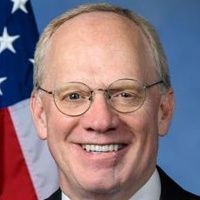
John Rose
Representative
TN
John Rose
Representative
TN
This resolution urges the Director of the Food and Drug Administration (FDA) to immediately reevaluate the safety of all chemical abortion drugs based on recent independent studies. It highlights concerns that expanded access, including mail distribution, may increase risks of abuse and serious complications. The measure specifically calls for the FDA to publicly release a comprehensive safety review incorporating real-world complication data.
This Act automatically provides 14-day continuing appropriations for federal programs at the previous funding level until Congress passes a new budget, effective September 30, 2025.
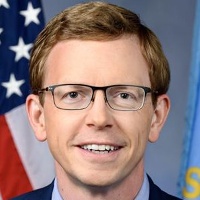
Dusty Johnson
Representative
SD
Dusty Johnson
Representative
SD
The Eliminate Shutdowns Act establishes an automatic, 14-day continuing appropriation mechanism to keep federal programs operational if Congress fails to pass a new budget by the start of the fiscal year. This funding continues to renew every 14 days until a full appropriation is enacted, ensuring essential services remain active. The Act also includes specific budgetary rules for counting this funding and sets an effective date of September 30, 2025.