Legislative Activity
Track Randy's sponsored bills, co-sponsored legislation, and voting record
This bill mandates annual, detailed public reporting from prosecutors receiving violence against women grants regarding their handling of serious sex and domestic violence offenses, with penalties for noncompliance.
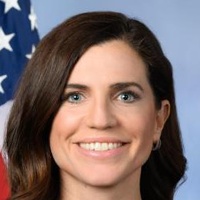
Nancy Mace
Representative
SC
Nancy Mace
Representative
SC
The Preventing Prosecutors from Protecting Predators Act of 2026 mandates annual, detailed public reporting from prosecutors' offices that receive federal grant funds. These reports must itemize data on how they handle cases involving serious violent and sex offenses, including declinations, bail decisions, and case outcomes. Failure to comply with reporting requirements can result in the withholding of grant funds.
Alyssa's Act of 2025 establishes grants for schools to create emergency response maps and master plans for school shooting prevention, while also expanding the Federal Clearinghouse on School Safety to enhance resources, technology development, and data collection.
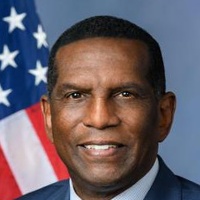
Clarence Owens
Representative
UT
Clarence Owens
Representative
UT
Alyssa's Act of 2025 establishes a grant program to help schools develop emergency response maps and comprehensive master plans for preventing and responding to school shootings. The bill also significantly expands the Federal Clearinghouse on School Safety Evidence-based Practices to enhance research, technical assistance, and the development of new safety technologies like panic alarms. Furthermore, it mandates the creation of a National School Safety Data Center to analyze nationwide school safety issues and trends. Finally, the Act sets technical standards for federally funded emergency response maps and requires ongoing reporting on national planning efforts.
This bill establishes TRICARE coverage for fertility treatments, including IVF, for active duty service members and their dependents beginning October 1, 2027.
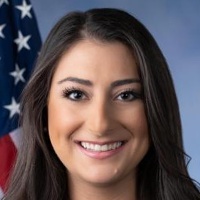
Sara Jacobs
Representative
CA
Sara Jacobs
Representative
CA
This bill, the Bipartisan IVF for Military Families Act, mandates that TRICARE provide coverage for fertility treatments, including IVF, for active duty service members and their dependents starting in late 2027. The legislation outlines specific coverage limits for egg retrievals and embryo transfers while prohibiting the use of DoD funds for certain procedures like preimplantation genetic screening. It also requires the establishment of a program to coordinate this specialized fertility care for military families.
The Essential Caregivers Act of 2025 guarantees nursing home and long-term care residents the right to designate an essential caregiver who maintains access to them even during public health emergencies.
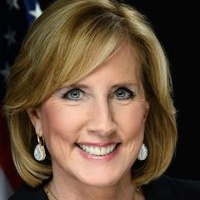
Claudia Tenney
Representative
NY
Claudia Tenney
Representative
NY
The Essential Caregivers Act of 2025 protects the rights of residents in long-term care facilities to designate an essential caregiver who can provide support and companionship. This legislation ensures that these caregivers maintain in-person access to residents even during public health emergencies when general visitation is restricted. By establishing clear protocols and an appeals process, the bill aims to prevent the harmful effects of isolation and ensure residents continue to receive vital care and advocacy.
This bill establishes the Professional Student Degree Act to define "professional degree" for student loan purposes, including specific advanced degrees required for professional practice.
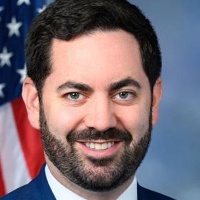
Michael Lawler
Representative
NY
Michael Lawler
Representative
NY
The Professional Student Degree Act seeks to amend the Higher Education Act by formally defining what constitutes a "professional degree" for student loan purposes. This definition specifies degrees that prepare students to immediately begin practicing in a profession and require a skill level beyond a standard bachelor's degree. The bill explicitly lists numerous professional degrees, such as Law, Medicine, and specialized health fields, under this new classification.
This bill repeals the restriction on U.S. assistance to Azerbaijan, citing its status as a steadfast ally and its commitment to peace in the South Caucasus.
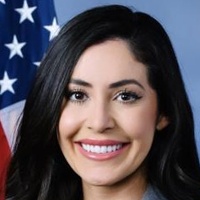
Anna Luna
Representative
FL
Anna Luna
Representative
FL
This bill proposes to repeal Section 907 of the FREEDOM Support Act, which currently restricts United States assistance to Azerbaijan. The repeal is supported by findings that Azerbaijan has been a steadfast ally offering critical cooperation and demonstrating a commitment to peace in the South Caucasus. By removing this restriction, the legislation aims to allow for full U.S. assistance to the nation.
This bill mandates the addition of a question to the decennial census starting in 2030 requiring individuals to disclose any dual United States and foreign citizenship status.
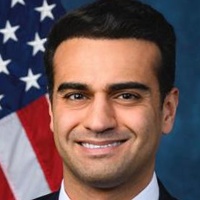
Abraham Hamadeh
Representative
AZ
Abraham Hamadeh
Representative
AZ
The MACA Act mandates the addition of a new question to the decennial census starting in 2030. This question will require respondents to disclose whether they or any household member hold dual citizenship with the United States and another country, and to specify that country. This aims to collect specific data on dual citizenship status during the population count.
This resolution denounces six Members of Congress for allegedly using dangerous rhetoric that attempts to sow disallegiance and encourage insubordination within the U.S. military and intelligence community against the Commander in Chief.
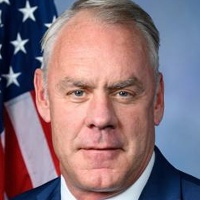
Ryan Zinke
Representative
MT
Ryan Zinke
Representative
MT
This resolution denounces the rhetoric of six specific Members of Congress for allegedly sowing disallegiance within the U.S. military and intelligence community. It condemns their actions for encouraging service members to potentially violate the Uniform Code of Military Justice by suggesting they defy orders without evidence of illegality. The bill asserts that this rhetoric undermines the President's role as Commander in Chief and compromises national security.
This bill establishes a federal crime and civil cause of action against anyone who knowingly administers an abortion-inducing drug to a woman without her informed consent.
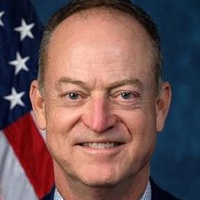
Mark Messmer
Representative
IN
Mark Messmer
Representative
IN
The Forced Abortion Prevention and Accountability Act establishes a new federal crime prohibiting the knowing and intentional administration of abortion-inducing drugs to a pregnant woman without her informed consent. This legislation creates severe criminal penalties, including up to 25 years in prison, for those who violate this prohibition or attempt to do so. Furthermore, it grants victims the right to file a civil lawsuit to recover damages for physical and psychological injuries resulting from forced abortions.
The HELP Copays Act mandates that financial assistance from non-profits and drug manufacturers must count toward a patient's deductible, copay, and out-of-pocket maximum for prescription drugs.
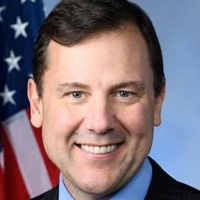
Thomas Kean
Representative
NJ
Thomas Kean
Representative
NJ
The HELP Copays Act requires that financial assistance provided by non-profit organizations and drug manufacturers must count toward a patient's deductible, copayments, and out-of-pocket maximums for prescription drugs. This change ensures that patient assistance dollars directly reduce the amount a patient must pay before their coverage fully kicks in. The legislation specifically applies to specialty drugs and those subject to utilization management. These provisions will take effect for plan years beginning on or after January 1, 2026.
This bill imposes sanctions and visa restrictions on Chinese individuals and entities significantly involved in the theft of U.S. intellectual property.
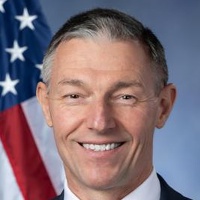
Mike Kennedy
Representative
UT
Mike Kennedy
Representative
UT
The Combatting Chinas Pilfering of Intellectual Property Act (CCP IP Act) imposes sanctions on Chinese individuals and entities significantly involved in the theft of U.S. intellectual property. It mandates asset blocking and immigration bans for sanctioned parties. Additionally, the bill restricts U.S. visa issuance for senior Chinese Communist Party officials and military personnel, with a potential waiver based on presidential certification regarding China's IP practices.
This bill designates the Muslim Brotherhood and its affiliates as terrorist organizations, imposing strict prohibitions and immigration consequences for its members.
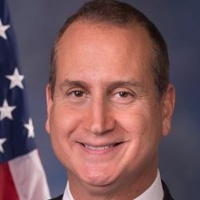
Mario Diaz-Balart
Representative
FL
Mario Diaz-Balart
Representative
FL
The Muslim Brotherhood Terrorist Designation Act of 2025 seeks to formally prohibit the operations of the Muslim Brotherhood and its affiliates within the United States by applying existing anti-terrorism restrictions. This legislation mandates the Secretary of State to annually report on all Muslim Brotherhood branches globally, leading to the imposition of sanctions by the President on those entities. Furthermore, the bill establishes immigration consequences, including visa cancellation, for members of the organization.
This act prohibits state and local governments from enacting regulations that restrict energy service based on the type or source of energy sold in interstate commerce.
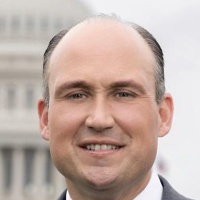
Nicholas Langworthy
Representative
NY
Nicholas Langworthy
Representative
NY
The Energy Choice Act places federal restrictions on state and local governments, preventing them from enacting regulations that prohibit or limit energy service based on its type or source. This means local governments cannot ban or restrict access to energy services sold in interstate commerce. The legislation aims to ensure consistent access to various energy sources across jurisdictions.
This bill authorizes the awarding of the Congressional Gold Medal to Charles "Charlie" James Kirk in recognition of his life, service, and dedication to the United States.
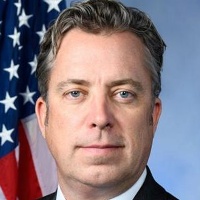
Andrew Ogles
Representative
TN
Andrew Ogles
Representative
TN
The Charlie Kirk Congressional Gold Medal Act authorizes the posthumous award of the Congressional Gold Medal to Charles "Charlie" Kirk in recognition of his life, service, and dedication to the United States. The bill honors his legacy as the founder of Turning Point USA and his commitment to promoting traditional American values, faith, and civil discourse.
This bill expands the expedited removal and mandatory detention of noncitizens convicted of specific crimes or affiliated with criminal gangs and terrorist organizations, while restricting their eligibility for asylum and other forms of immigration relief.
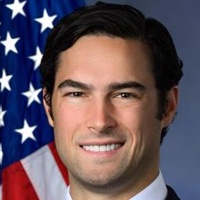
Brandon Gill
Representative
TX
Brandon Gill
Representative
TX
The Expedited Removal of Criminal Aliens Act expands the authority of the Department of Homeland Security to streamline the removal of noncitizens convicted of specific crimes or associated with criminal gangs and terrorist organizations. The bill mandates the detention of these individuals, restricts their eligibility for asylum and other forms of immigration relief, and creates new exceptions to existing protections against removal to countries where they may face persecution.
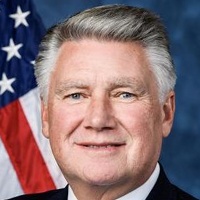
This bill prohibits the use of federal funds to cover any expenses related to abortion services for individuals unlawfully present in the United States.
Mark Harris
Representative
NC
Mark Harris
Representative
NC
This bill, the "No Taxpayer Funded Abortion Travel for Illegal Aliens Act," prohibits the use of federal funds to cover any expenses related to abortion services for individuals unlawfully present in the United States. These prohibited expenses include travel, lodging, meals, and related support services. The legislation specifically targets federal funding for aiding unlawful immigrants in accessing abortion care.
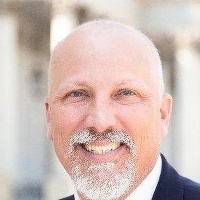
The PAUSE Act of 2025 immediately halts most new immigration and status adjustments until sweeping changes are made to immigration law, while also imposing a massive fee on H-1B petitions and terminating the OPT and Diversity Visa programs.
Chip Roy
Representative
TX
Chip Roy
Representative
TX
The PAUSE Act of 2025 immediately halts the issuance of most new visas and immigration statuses until significant changes are made to U.S. immigration law. These required changes include restricting birthright citizenship, eliminating status adjustments for temporary visa holders, and imposing severe restrictions on who can immigrate. Furthermore, the bill imposes a massive new fee on certain H-1B petitions and terminates both the Optional Practical Training (OPT) program and the Diversity Immigrant Visa Program.
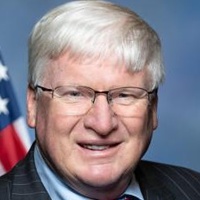
The Ensuring Workers Get PAID Act of 2025 establishes a voluntary Payroll Audit Independent Determination (PAID) program allowing employers to self-audit and correct minimum wage or overtime violations under the FLSA in exchange for limited penalty relief and employee waiver of private suit rights.
Glenn Grothman
Representative
WI
Glenn Grothman
Representative
WI
The Ensuring Workers Get PAID Act of 2025 establishes a voluntary Payroll Audit Independent Determination (PAID) program within the Department of Labor. This program allows employers in good faith to self-audit and correct unintentional minimum wage or overtime violations under the Fair Labor Standards Act. Upon full payment of back wages, employers receive limited liability protection, and employees who accept the payment waive their right to sue for those specific claims. The program is set to terminate after five years.
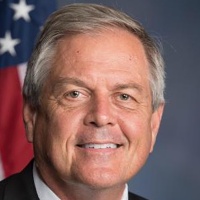
This resolution censures Delegate Stacey Plaskett and removes her from the House Intelligence Committee for allegedly colluding with convicted sex offender Jeffrey Epstein during a congressional hearing.
Ralph Norman
Representative
SC
Ralph Norman
Representative
SC
This resolution censures and condemns Delegate Stacey Plaskett for allegedly colluding with convicted sex offender Jeffrey Epstein during a 2019 congressional hearing. It cites evidence suggesting Plaskett coordinated her line of questioning with Epstein in real-time via text message. Consequently, the bill removes Delegate Plaskett from the House Permanent Select Committee on Intelligence and directs an ethics investigation into her conduct.
This bill requires labor unions to poll their members before endorsing a presidential candidate and disclose the results of that poll.
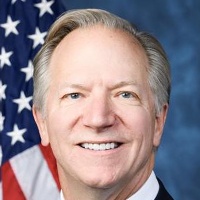
Robert Onder
Representative
MO
Robert Onder
Representative
MO
This bill, the Endorsement Transparency Act, amends existing labor law to mandate that labor unions must poll their members before officially endorsing a presidential candidate. The union must also disclose the results of that internal poll to its membership. This measure aims to increase transparency regarding major political endorsements within labor organizations.