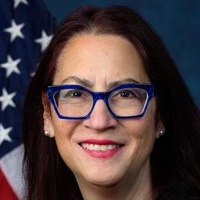
Legislative Activity
Track Laura's sponsored bills, co-sponsored legislation, and voting record
The Endometriosis CARE Act establishes a comprehensive program to advance research, improve awareness, analyze access barriers, and study disparities related to endometriosis.
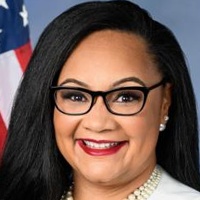
Nikema Williams
Representative
GA
Nikema Williams
Representative
GA
The Endometriosis CARE Act aims to improve the understanding and management of endometriosis through increased research funding and data collection at the NIH. The bill also mandates studies to identify barriers to treatment access and requires the development of public education campaigns and provider information resources. Furthermore, it calls for a comprehensive study on disparities in endometriosis prevalence, detection, and treatment outcomes.
This resolution commends state and local governments for championing reproductive rights as human rights while condemning abortion restrictions and criminalization following the *Dobbs* decision.
Nikema Williams
Representative
GA
Nikema Williams
Representative
GA
This concurrent resolution commends state and local governments for championing reproductive rights as human rights following the overturning of *Roe v. Wade*. It declares that denying abortion care leads to severe health risks and highlights the criminalization of pregnancy outcomes across the U.S. The resolution urges states to repeal abortion restrictions and affirm that reproductive rights are fundamental human rights.
This bill officially designates the U.S. Postal Service facility at 130 South Patterson Avenue in Santa Barbara, California, as the Brigadier General Frederick R. Lopez Post Office Building.
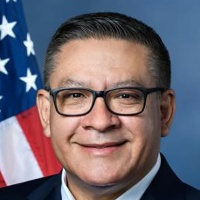
Salud Carbajal
Representative
CA
Salud Carbajal
Representative
CA
This bill officially designates the United States Postal Service facility located at 130 South Patterson Avenue in Santa Barbara, California, as the **Brigadier General Frederick R. Lopez Post Office Building**. This change ensures all federal records and documents will use the new name for this specific post office.
This bill officially names the World War II Women's Memorial at Arlington National Cemetery and adjusts location restrictions for a related commemorative work in Washington, D.C.

Debbie Dingell
Representative
MI
Debbie Dingell
Representative
MI
This Act officially names the memorial at the entrance to Arlington National Cemetery as the "World War II Women's Memorial." It also designates this memorial as a "commemorative work" under existing federal law. Furthermore, the bill allows a specific World War II home front women's commemorative work to be placed in designated areas within Washington, D.C., overriding standard location restrictions.
The Dignity for Detained Immigrants Act establishes comprehensive standards, rigorous oversight, and new custody procedures to ensure humane treatment and due process for all noncitizens detained by the Department of Homeland Security, while phasing out for-profit detention facilities.
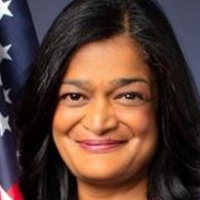
Pramila Jayapal
Representative
WA
Pramila Jayapal
Representative
WA
The Dignity for Detained Immigrants Act aims to overhaul immigration detention by establishing mandatory, high standards based on ABA guidelines and increasing transparency through rigorous, unannounced inspections. The bill prohibits the use of private, for-profit detention facilities within three years and ends the mandatory detention of most noncitizens, prioritizing release or community-based alternatives. Furthermore, it establishes new due process rights, including timely custody hearings, a presumption of release, and prohibitions on detaining children or using solitary confinement.
This bill establishes a federal grant program to provide transportation assistance to state, local, Tribal, and territorial governments hosting major international sporting events like the Olympics and World Cup.
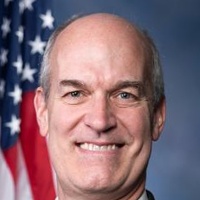
Rick Larsen
Representative
WA
Rick Larsen
Representative
WA
This bill establishes the Transportation Assistance for Olympic and World Cup Cities Act of 2025 to create a new federal grant program supporting transportation needs for hosting major international sporting events. The program provides funding to state, local, Tribal, and territorial governments for eligible transportation projects within 100 miles of the event site. It also authorizes the Secretary of Transportation to provide technical and planning assistance to ensure smooth movement of people and goods during these covered events.
This resolution celebrates the 50th anniversary of the Individuals with Disabilities Education Act (IDEA) and recognizes its profound, transformative impact on ensuring a free, appropriate public education for children with disabilities.
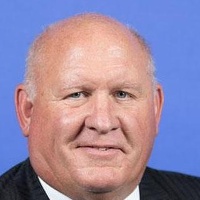
Glenn Thompson
Representative
PA
Glenn Thompson
Representative
PA
This resolution celebrates the 50th anniversary of the Individuals with Disabilities Education Act (IDEA), recognizing its landmark achievement in guaranteeing a free, appropriate public education for every child with a disability. It honors the law's transformative impact since 1975, which ensured access, protected rights, and established critical early intervention services. The resolution reaffirms the commitment to fully implementing IDEA so all students with disabilities have the opportunity to thrive.
The Mikaela Naylon Give Kids a Chance Act primarily focuses on enhancing pediatric drug research, ensuring completion of pediatric study requirements, extending incentives for rare pediatric disease treatments, and making targeted updates to FDA and organ transplant network operations.
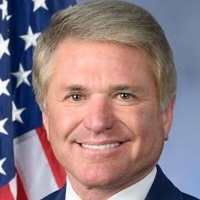
Michael McCaul
Representative
TX
Michael McCaul
Representative
TX
The Mikaela Naylon Give Kids a Chance Act focuses primarily on improving pediatric drug development and ensuring patient access to necessary treatments. This legislation mandates new research requirements for molecularly targeted pediatric cancer drugs, strengthens FDA enforcement of pediatric study completion, and extends incentives for developing drugs for rare pediatric diseases. Additionally, the bill updates organ transplant network functions and establishes an Abraham Accords Office within the FDA to enhance international regulatory cooperation.
The ROTOR Act mandates increased transparency for sensitive government flights by narrowing ADS-B exception rules, requires ADS-B In equipment on certain aircraft, and establishes safety reviews for military and civilian operations near major airports.
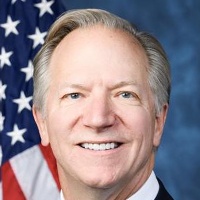
Robert Onder
Representative
MO
Robert Onder
Representative
MO
The ROTOR Act aims to enhance aviation safety and transparency, primarily by narrowing exceptions for disabling ADS-B tracking on government aircraft and mandating that aircraft equipped with ADS-B Out must also install ADS-B In technology. The bill further requires the FAA to conduct comprehensive safety reviews of military and civilian operations in complex airspace, such as around Reagan National Airport. Finally, it mandates formal agreements for the FAA and the Department of the Army to share critical aviation safety data.
This bill expands Medicare drug price negotiation to private insurance, applies inflation rebates to commercial drugs, and establishes annual out-of-pocket limits for prescription drugs under private health insurance.
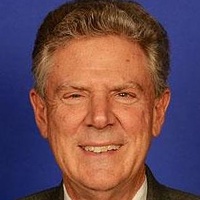
Frank Pallone
Representative
NJ
Frank Pallone
Representative
NJ
The Lowering Drug Costs for American Families Act aims to significantly reduce prescription drug expenses for consumers. It expands the federal drug price negotiation program to cover more drugs and extends negotiated prices to most private health insurance plans. Furthermore, the bill applies inflation rebates to the commercial market and establishes new annual out-of-pocket spending caps for prescription drugs under private insurance starting in 2027. It also sets specific, lower cost-sharing requirements for covered insulin products.
This Act prohibits discrimination based on religion, sex, or marital status in federally funded child welfare services to improve outcomes for all children, especially LGBTQ youth.
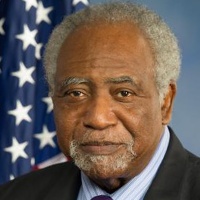
Danny Davis
Representative
IL
Danny Davis
Representative
IL
The John Lewis Every Child Deserves a Family Act prohibits discrimination based on religion, sex, or marital status in federally funded child welfare services. This aims to increase the number of stable, family-like placements for children, especially for LGBTQ youth who are overrepresented in foster care. The bill mandates federal guidance, training, and data collection to improve safety and well-being outcomes for all children involved in the system.
This Act prohibits rental property owners from engaging in coordinated activities that effectively fix or influence rental prices, treating such coordination as an illegal restraint of trade under existing antitrust laws.
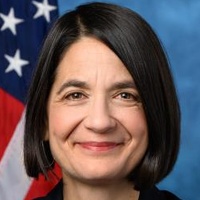
Becca Balint
Representative
VT
Becca Balint
Representative
VT
The End Rent Fixing Act of 2025 prohibits rental property owners from hiring coordinators or engaging in activities that involve collecting, analyzing, or recommending rental prices or terms across multiple properties. This coordinated activity is deemed an unlawful restraint of trade under existing antitrust laws. The bill grants enforcement power to the FTC, the Attorney General, and State Attorneys General, while also allowing injured persons to sue for treble damages. Furthermore, it lowers the pleading standard for civil lawsuits brought under this Act and related antitrust claims.
This bill officially renames the United States Postal Service facility at 28201 Franklin Parkway in Santa Clarita, California, as the "Deputy Ryan Clinkunbroomer Post Office Building."
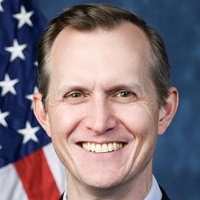
George Whitesides
Representative
CA
George Whitesides
Representative
CA
This bill officially designates the United States Postal Service facility at 28201 Franklin Parkway in Santa Clarita, California, as the "Deputy Ryan Clinkunbroomer Post Office Building." The legislation ensures that all future official references to this location will use the new name.
This act mandates Medicare coverage for FDA-approved early detection screening tests for Alzheimer's disease and related dementias beginning in 2028.
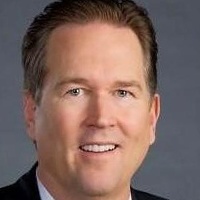
Vern Buchanan
Representative
FL
Vern Buchanan
Representative
FL
The Alzheimer’s Screening and Prevention Act of 2025 (ASAP Act) amends Medicare to cover early detection screening tests for Alzheimer's disease and related dementias starting in 2028. This coverage applies to FDA-cleared tests, including genomic sequencing and other equivalent diagnostic methods, designed to detect pre-symptomatic or early-stage conditions. The bill ensures these screenings are added to the list of covered medical services under Medicare.
This act repeals specific sections of a prior reconciliation act to restore previous laws affecting American families and farmers.
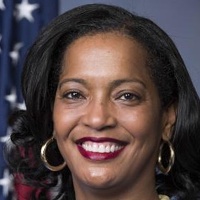
Jahana Hayes
Representative
CT
Jahana Hayes
Representative
CT
The Restoring Food Security for American Families and Farmers Act of 2025 aims to strengthen domestic food security by repealing specific sections of a prior reconciliation act. This action effectively revives the original laws that were previously amended by the repealed provisions. The bill seeks to revert existing agricultural and food-related statutes to their pre-amendment status.
This bill amends the Revised Statutes to redefine the scope of civil actions that can be brought against individuals acting under the authority of the United States.
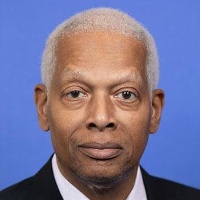
Henry Johnson
Representative
GA
Henry Johnson
Representative
GA
The Bivens Act of 2025 amends existing law to redefine the scope of civil actions that can be brought against individuals acting under federal authority. This legislation specifically revises Section 1979 of the Revised Statutes concerning such lawsuits. The core change narrows the focus of these civil actions to exclusively target persons acting under the authority of the United States.
This bill authorizes federal grants for public transit systems to hire unarmed "transit support specialists" to enhance rider safety and deter disruptive behavior.
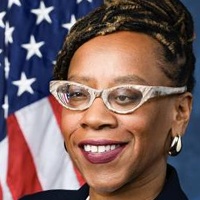
Lateefah Simon
Representative
CA
Lateefah Simon
Representative
CA
The RIDER Safety Act authorizes federal grants for public transit systems to hire unarmed "Transit Support Specialists." These specialists are tasked with increasing rider security through their visible presence, engaging with the public, and handling minor conflicts. Their role is to deter disruptive behavior and connect riders with necessary services, allowing law enforcement to focus on critical incidents.
This Act establishes strict standards, training, and reporting requirements for federal immigration enforcement personnel regarding the use of force, identification, and equipment.
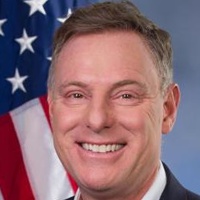
Scott Peters
Representative
CA
Scott Peters
Representative
CA
The Stop Excessive Force in Immigration Act of 2025 establishes strict new standards for the use of non-deadly force by federal immigration personnel, requiring proportionality and de-escalation efforts. The bill mandates identification requirements, restricts the use of certain crowd-control equipment, and imposes new body camera and detailed reporting mandates. Furthermore, it creates affirmative duties for officers to intervene against excessive force and requires annual training on these new policies.
This bill mandates the restoration of free telephone services and communication access for individuals in immigration detention, ensuring contact with family and legal counsel.
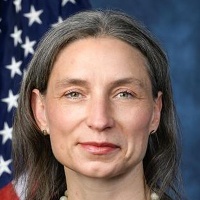
Maxine Dexter
Representative
OR
Maxine Dexter
Representative
OR
The Restoring Access for Detainees Act aims to reinstate and expand free communication services for individuals in civil immigration detention. It mandates the provision of free phone calls, including 200 free outgoing minutes monthly, specifically for contacting family and legal counsel. Furthermore, the bill ensures private, unmonitored communication opportunities with attorneys and certain government officials upon arrival in custody.
This act mandates that all states allow eligible individuals to register and vote on the same day during federal elections, beginning in November 2026.
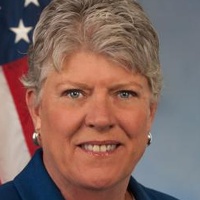
Julia Brownley
Representative
CA
Julia Brownley
Representative
CA
The Same Day Registration Act of 2025 mandates that all states allow eligible individuals to register to vote and cast a ballot on the same day during any federal election, including early voting periods. This requirement applies starting with the November 2026 general election. States without any voter registration requirement for federal elections are exempt from this mandate.