Legislative Activity
Track John's sponsored bills, co-sponsored legislation, and voting record
The Fair Day in Court for Kids Act of 2025 mandates government-funded legal representation for unaccompanied children in immigration proceedings, ensures timely access to case files, and guarantees counsel access to detained noncitizens.

Mazie Hirono
Senator
HI
Mazie Hirono
Senator
HI
The Fair Day in Court for Kids Act of 2025 aims to improve efficiency and fairness in immigration courts by significantly increasing access to legal representation for unaccompanied children. This bill mandates the government to provide counsel for these children at no cost through all stages of removal proceedings. Furthermore, it ensures noncitizens receive their case files promptly and establishes new standards for lawyer access to detention facilities and required annual reporting on legal representation outcomes.
The BOP SCAN Mail Act mandates the Bureau of Prisons to develop and implement a strategy to digitize mail processing to interdict synthetic drugs like fentanyl entering federal correctional facilities.

Jim Justice
Senator
WV
Jim Justice
Senator
WV
The BOP SCAN Mail Act mandates the Bureau of Prisons (BOP) to develop and implement a comprehensive strategy to stop synthetic drugs, like fentanyl, from entering federal facilities via mail. This strategy requires digitizing mail delivery so inmates receive digital copies within 24 hours, while physical mail is delivered later if cleared of contraband. The ultimate goal is to achieve 100% scanning capacity to enhance security and alleviate staffing burdens within the BOP.
The Housing Supply Frameworks Act directs the federal government to create guidelines for state and local governments to reform restrictive zoning rules to increase housing supply for all income levels.
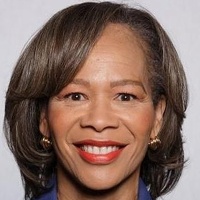
Lisa Blunt Rochester
Senator
DE
Lisa Blunt Rochester
Senator
DE
The Housing Supply Frameworks Act aims to address the severe national housing shortage by encouraging states and localities to reform restrictive zoning and land-use regulations. It directs the federal government to develop and publish best-practice guidelines for updating state and local zoning frameworks to promote housing construction across all income levels. The bill also establishes reporting requirements to track the adoption of these new guidelines and authorizes funding for the Act's implementation.
This Act restores the full deductibility of union dues above-the-line and brings back the itemized deduction for certain other employee business expenses through 2025.

Tina Smith
Senator
MN
Tina Smith
Senator
MN
The Tax Fairness for Workers Act aims to restore certain federal tax deductions for employees. This bill makes union dues fully deductible "above-the-line," meaning they can be claimed without itemizing. Additionally, it temporarily allows employees to itemize specific work-related business expenses through the end of 2025.
The DETERRENT Act mandates increased federal and institutional transparency regarding foreign gifts and contracts for colleges, bans certain contracts with "countries of concern," and establishes strict enforcement penalties for non-compliance.
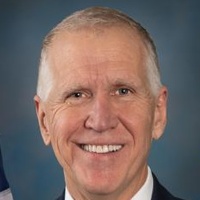
Thom Tillis
Senator
NC
Thom Tillis
Senator
NC
The DETERRENT Act significantly tightens reporting requirements for colleges and universities regarding foreign gifts and contracts, mandating public disclosure databases and imposing strict new prohibitions on agreements with "foreign countries or entities of concern." It establishes severe financial penalties and potential ineligibility for federal aid for institutions that knowingly violate these transparency and compliance rules. The bill also requires institutions to implement internal policies and designate compliance officers to manage risks associated with foreign influence.
This bill mandates specific, increasing federal funding levels for IDEA programs (excluding preschool) from fiscal year 2026 through 2035 and beyond, based on student counts and average per-pupil spending.

Chris Van Hollen
Senator
MD
Chris Van Hollen
Senator
MD
The IDEA Full Funding Act mandates specific federal funding levels for the Individuals with Disabilities Education Act (IDEA) programs, excluding preschool services, starting in fiscal year 2026 through 2035 and beyond. This legislation establishes a formula that requires the government to allocate the greater of a set dollar amount or a percentage of a calculated amount based on the number of students served and average per-pupil spending. The goal is to significantly increase and stabilize federal contributions to special education services over the next decade.
The Rural Housing Service Reform Act of 2025 modernizes rural housing programs by streamlining foreclosure rules, preserving existing affordable rentals, establishing new lending programs for Native CDFIs, increasing loan limits for minor repairs, and setting efficiency goals for application processing.
Tina Smith
Senator
MN
Tina Smith
Senator
MN
The Rural Housing Service Reform Act of 2025 is a comprehensive bill designed to modernize and strengthen federal rural housing programs. It streamlines foreclosure processes, establishes a permanent program to preserve existing affordable rental housing, and creates new lending pathways for Native CDFIs to boost rural homeownership. Furthermore, the Act increases financial assistance limits for minor home repairs and mandates significant technology upgrades and increased transparency across the Rural Housing Service.
The CONNECT for Health Act of 2025 permanently removes geographic barriers to Medicare telehealth, enhances program integrity through targeted oversight, and establishes new supports to improve quality and access for beneficiaries.
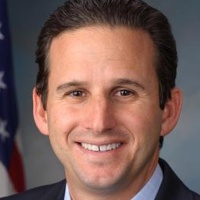
Brian Schatz
Senator
HI
Brian Schatz
Senator
HI
The CONNECT for Health Act of 2025 aims to significantly expand access to telehealth services under Medicare by permanently removing outdated geographic restrictions and broadening provider eligibility. The bill also enhances program integrity by dedicating new funding to oversight and establishing educational outreach for providers with unusual billing patterns. Finally, it mandates new resources, training, and public data reporting to ensure the quality and accessibility of virtual care for all beneficiaries.
The Sanctioning Russia Act of 2025 imposes sweeping economic and financial penalties on the Russian Federation and its affiliates, contingent upon Russia's failure to negotiate peace with Ukraine.
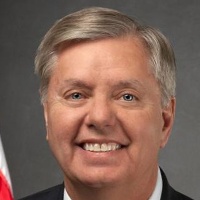
Lindsey Graham
Senator
SC
Lindsey Graham
Senator
SC
The Sanctioning Russia Act of 2025 mandates sweeping economic penalties against the Russian Federation and its affiliates for actions against Ukraine. This legislation requires the President and Treasury Secretary to impose escalating sanctions on Russian officials, financial institutions, and energy sector entities. Furthermore, the Act prohibits U.S. persons from investing in Russian debt, bans the trading of Russian securities on U.S. exchanges, and imposes a massive 500% import duty on Russian goods. Sanctions can only be terminated if Russia agrees to a verifiable peace deal with Ukraine.
This resolution designates March 27, 2025, as "National Women in Agriculture Day" to recognize and celebrate the vital contributions of women across the U.S. agricultural sector.

Joni Ernst
Senator
IA
Joni Ernst
Senator
IA
This resolution officially designates March 27, 2025, as "National Women in Agriculture Day." It recognizes the vital and substantial contributions of the over 1.2 million female agricultural producers to the U.S. economy and global food supply. The measure encourages citizens to acknowledge the leadership, mentorship, and economic impact women have across the entire agricultural sector.
This Act mandates the Department of Labor to establish comprehensive, enforceable workplace violence prevention standards for healthcare and social service workers, including required written plans, risk assessments, and rigorous training.

Tammy Baldwin
Senator
WI
Tammy Baldwin
Senator
WI
This Act mandates the Department of Labor to establish comprehensive, enforceable standards for preventing workplace violence in healthcare and social service settings. It requires covered employers to develop and implement written prevention plans, conduct risk assessments, provide thorough training, and maintain detailed incident logs. The legislation also amends the Social Security Act to ensure facilities receiving Medicare funds comply with these new federal workplace safety requirements.
This resolution designates April 2025 as "Preserving and Protecting Local News Month" to recognize the critical importance and alarming decline of local journalism across the United States.
Brian Schatz
Senator
HI
Brian Schatz
Senator
HI
This resolution officially designates April 2025 as "Preserving and Protecting Local News Month" to recognize the critical importance of local journalism. It highlights the severe decline of local news outlets across the country, which has created numerous "news deserts." The measure affirms that local news is vital for a healthy democracy and community engagement.
The Hot Foods Act of 2025 generally permits the purchase of hot, ready-to-eat foods with SNAP benefits while limiting retailers' gross sales of such items to 50% to remain eligible for the program.

Michael Bennet
Senator
CO
Michael Bennet
Senator
CO
The Hot Foods Act of 2025 amends the rules for the Supplemental Nutrition Assistance Program (SNAP) to generally allow beneficiaries to purchase hot, ready-to-eat foods. This legislation removes the previous general ban on buying such items with SNAP benefits. However, retailers participating in SNAP will now face a limit, as hot, ready-to-eat food sales cannot exceed 50% of their total gross sales.
This concurrent resolution formally supports the goals and ideals of the International Transgender Day of Visibility by recognizing the community's achievements while acknowledging ongoing discrimination.
Brian Schatz
Senator
HI
Brian Schatz
Senator
HI
This concurrent resolution formally supports the goals and ideals of the International Transgender Day of Visibility. It recognizes the achievements of the transgender community while acknowledging the ongoing discrimination and violence they face. The resolution encourages public observance of the day and celebrates the progress and leadership within the transgender community.
This resolution honors the life, distinguished public service, and enduring legacy of former Wyoming Senator Alan K. Simpson.
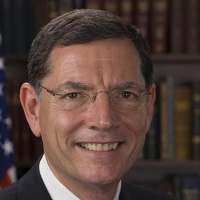
John Barrasso
Senator
WY
John Barrasso
Senator
WY
This resolution formally honors the life and distinguished public service career of the Honorable Alan K. Simpson, former U.S. Senator for Wyoming. It celebrates his extensive tenure in both state and federal government, highlighting his focus on fiscal responsibility and support for veterans. The Senate expresses its deep sorrow at his passing and directs that the day's adjournment serve as a final tribute to his memory.
This Act establishes mandatory tenant protections for manufactured home community residents tied to federally backed loans and creates a commission to develop enhanced lending standards.
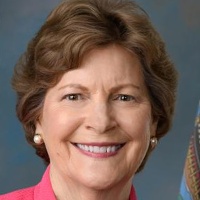
Jeanne Shaheen
Senator
NH
Jeanne Shaheen
Senator
NH
The Manufactured Housing Tenants Bill of Rights Act of 2025 establishes minimum tenant protections for residents in manufactured home communities that utilize federally backed loans. Borrowers must incorporate these protections, such as guaranteed lease lengths and specific rules for rent increases, into their leases to qualify for financing. The Act also creates a commission to develop stronger consumer protection standards for future lending programs. Failure to comply with these new rules can result in significant financial penalties for property owners.
This joint resolution proposes a constitutional amendment granting Congress and states the authority to regulate campaign contributions and expenditures to protect election integrity.
Jeanne Shaheen
Senator
NH
Jeanne Shaheen
Senator
NH
This joint resolution proposes a constitutional amendment granting Congress and the states the explicit authority to regulate campaign contributions and expenditures. If ratified, it would allow for setting reasonable limits on spending intended to influence elections to protect democratic fairness. The amendment also specifically empowers regulators to treat corporations and other entities differently than individuals regarding election spending, while explicitly protecting the freedom of the press.
This act excludes certain student loan repayments received through programs designed to increase veterinary services in rural areas from taxable income.

Michael Crapo
Senator
ID
Michael Crapo
Senator
ID
The Rural Veterinary Workforce Act makes student loan repayment or forgiveness amounts received by veterinarians participating in state-based programs tax-free. This exclusion applies to funds received through programs designed to increase veterinary services in underserved areas. This tax benefit will take effect for amounts received in taxable years beginning after December 31, 2025.
This resolution urges the U.S. government to protect Iranian political refugees, particularly former female prisoners at Ashraf-3 in Albania, from Iranian regime threats while supporting their fundamental rights and security.
Thom Tillis
Senator
NC
Thom Tillis
Senator
NC
This resolution strongly condemns the Iranian regime's regional aggression and domestic brutality while focusing on the protection of Iranian political refugees at Ashraf-3 in Albania. It urges the U.S. government to uphold the fundamental rights of these dissidents, including former political prisoners and key witnesses to past atrocities. Furthermore, the resolution calls for opposing Iranian threats and extradition attempts against these refugees residing in Albania.
The FRIDGE Act of 2025 authorizes funding and technical assistance to improve foreign refrigeration and supply chain infrastructure to boost U.S. agricultural exports.
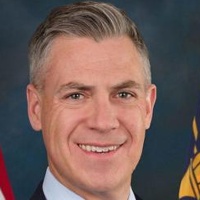
Jim Banks
Senator
IN
Jim Banks
Senator
IN
The FRIDGE Act of 2025 aims to boost U.S. agricultural exports by addressing critical infrastructure gaps in foreign markets. This legislation authorizes dedicated funding and technical assistance to help developing nations improve their cold storage and supply chain capabilities. By fortifying this global infrastructure, the bill seeks to reduce spoilage of American food products and open new international trade opportunities.