Legislative Activity
Track Michelle's sponsored bills, co-sponsored legislation, and voting record
The Life at Conception Act declares that the constitutional right to life begins at the moment of fertilization and applies to every member of the species *homo sapiens* at all stages of development.
Eric Burlison
Representative
MO
Eric Burlison
Representative
MO
The Life at Conception Act declares that the constitutional right to life begins at the moment of fertilization, defining all human beings as persons from that point forward. The bill establishes legal personhood for every member of the species *homo sapiens* at all stages of development. Additionally, it explicitly prohibits the prosecution of any woman for the death of her unborn child.
The Born-Alive Abortion Survivors Protection Act requires health care practitioners to provide the same level of care to infants born alive after an abortion attempt as they would to any other newborn, mandating immediate hospitalization and imposing penalties for violations, while protecting the mother from prosecution. It also allows the mother of a child born alive to file a civil action against anyone who violated the act.

Ann Wagner
Representative
MO
Ann Wagner
Representative
MO
The "Born-Alive Abortion Survivors Protection Act" ensures that infants born alive after an abortion receive the same medical care as any other newborn, mandating immediate hospitalization and requiring healthcare practitioners to report any failures to comply. Violators face fines, imprisonment, and potential prosecution for homicide or attempted homicide, while the mother of the child cannot be prosecuted. The bill also allows the woman who had the abortion to file a civil action against anyone who violated the act. It defines abortion and attempts at abortion, and renames "Partial-Birth Abortions" to "Abortions" in relevant sections of the U.S. Code.
The SAVE Moms and Babies Act of 2025 prohibits the FDA from approving new abortion drugs and imposes strict federal restrictions on the distribution, usage, and reporting requirements for existing abortion medications.
Robert Latta
Representative
OH
Robert Latta
Representative
OH
The SAVE Moms and Babies Act of 2025 prohibits the FDA from approving new abortion drugs and restricts the use of existing ones. The bill mandates strict safety protocols, including in-person administration requirements, expanded adverse event reporting, and limitations on gestational age for drug use.
The Main Street Tax Certainty Act makes the 20% pass-through business income deduction permanent by removing its scheduled expiration after 2025.
Lloyd Smucker
Representative
PA
Lloyd Smucker
Representative
PA
The Main Street Tax Certainty Act makes the 20% pass-through business income deduction permanent. By removing the current 2025 expiration date, this legislation ensures long-term tax relief for owners of qualified pass-through entities.
This bill proposes a constitutional amendment to permanently set the number of Supreme Court justices at nine, requiring ratification by three-fourths of the states within seven years.

Dusty Johnson
Representative
SD
Dusty Johnson
Representative
SD
This bill proposes a constitutional amendment to fix the number of Supreme Court justices at nine. For this amendment to be valid, three-fourths of the state legislatures must ratify it within seven years of its submission.
This bill prohibits federal funding for abortions and for health insurance plans that cover abortions, clarifies these prohibitions under the Affordable Care Act, and requires health plans to disclose the extent of their abortion coverage and any related surcharges.
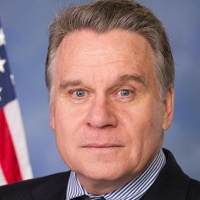
Christopher Smith
Representative
NJ
Christopher Smith
Representative
NJ
The "No Taxpayer Funding for Abortion and Abortion Insurance Full Disclosure Act of 2025" seeks to prohibit the use of federal funds for abortions and for health plans that cover abortions, while allowing individuals and entities to purchase separate abortion coverage with non-federal funds. It clarifies that premium tax credits and cost-sharing reductions under the Affordable Care Act (ACA) cannot be used for health plans that include abortion coverage. The Act also revises notice requirements for health plans, mandating clear disclosure of abortion coverage and any associated premium surcharges to enrollees. Exceptions to the funding restrictions are included for cases of rape, incest, or when the mother's life is in danger.
This Act authorizes the Secretary of Agriculture to exchange approximately 17.5 acres of Federal land in Itasca County, Minnesota, for approximately 36.7 acres of private land owned by Big Winnie Land and Timber, LLC, to be added to the Chippewa National Forest.
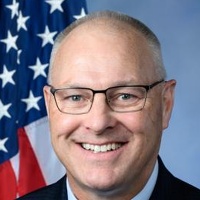
Pete Stauber
Representative
MN
Pete Stauber
Representative
MN
This Act authorizes the Secretary of Agriculture to execute a land exchange between the United States and Big Winnie Land and Timber, LLC (BWLT) involving parcels in Itasca County, Minnesota. The exchange requires BWLT to transfer approximately 36.7 acres of private land to the U.S. for addition to the Chippewa National Forest. In return, the U.S. will transfer approximately 17.5 acres of Federal land to BWLT, subject to a reserved road access easement. The transaction must be for equal value, potentially requiring a cash payment from BWLT if the Federal land is appraised as more valuable.
The Defending American Jobs and Investment Act establishes a retaliatory tax and enforcement framework to penalize foreign countries that impose extraterritorial or discriminatory taxes on U.S. businesses and individuals.
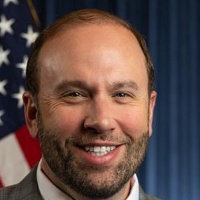
Jason Smith
Representative
MO
Jason Smith
Representative
MO
The Defending American Jobs and Investment Act establishes a formal enforcement mechanism to counter foreign taxes that are extraterritorial or discriminatory toward U.S. interests. The bill mandates that the Treasury Secretary identify offending countries and engage in bilateral negotiations to seek the repeal of these taxes. Should these policies persist, the Act authorizes escalating retaliatory measures, including increased U.S. tax rates for citizens and corporations of the offending nation, as well as potential federal procurement restrictions.
This legislation permanently increases the standard deduction for head of household and single filers while establishing a new formula for annual inflation adjustments.

Max Miller
Representative
OH
Max Miller
Representative
OH
The Permanent Tax Cuts for American Families Act of 2025 permanently increases the standard deduction for head of household and single filers. This legislation also establishes a new formula for annual inflation adjustments to ensure these deduction amounts remain current. These changes take effect for taxable years beginning after the date of enactment.
This bill amends federal law to require express Congressional authorization for the establishment or expansion of national monuments, effectively removing the President’s unilateral authority to designate them.

Celeste Maloy
Representative
UT
Celeste Maloy
Representative
UT
The Ending Presidential Overreach on Public Lands Act seeks to remove the President’s unilateral authority to establish or expand national monuments. Under this legislation, any new national monument designation or extension would require express authorization and a direct vote from Congress.
This bill increases the railroad track maintenance tax credit, introduces annual inflation adjustments, and extends the eligibility period for qualifying expenditures.

Mike Kelly
Representative
PA
Mike Kelly
Representative
PA
This bill amends the Internal Revenue Code to expand the railroad track maintenance credit by increasing the per-mile tax credit to $6,100 and implementing annual inflation adjustments starting in 2026. It also extends the eligibility window for qualifying maintenance expenditures to include costs incurred through 2023. These updates aim to provide greater financial support for ongoing railroad infrastructure improvements.
* **Title I:** Reduces taxes on Taiwanese residents and businesses operating in the U.S., contingent upon Taiwan offering reciprocal benefits to U.S. individuals and companies. * **Title II:** Authorizes the President to negotiate a tax agreement with Taiwan to avoid double taxation, subject to Congressional approval and adherence to U.S. tax laws.
Jason Smith
Representative
MO
Jason Smith
Representative
MO
The United States-Taiwan Expedited Double-Tax Relief Act aims to reduce double taxation and encourage economic activity between the U.S. and Taiwan by lowering tax rates on certain income for Taiwanese residents and businesses in the U.S., contingent upon Taiwan offering reciprocal benefits to U.S. individuals and companies. Additionally, the United States-Taiwan Tax Agreement Authorization Act outlines the process for establishing a tax agreement with Taiwan, ensuring congressional oversight and adherence to existing U.S. tax laws, to further reduce double taxation.
This bill reclassifies silencers under federal tax law, removes federal registration requirements for legally transferred silencers, preempts state taxation and registration of silencers in commerce, and mandates the destruction of existing federal silencer registration records.

Ben Cline
Representative
VA
Ben Cline
Representative
VA
The Hearing Protection Act aims to remove silencers from the purview of the National Firearms Act (NFA) by treating them similarly to standard firearms under federal tax law. This legislation preempts certain state and local taxes and registration requirements related to silencers involved in interstate commerce. Furthermore, the bill mandates the destruction of existing federal silencer registration records and updates federal marking requirements for manufacturers.
The REMAIN in Mexico Act of 2025 mandates the implementation of the Migrant Protection Protocols, requiring asylum seekers to wait in Mexico while their claims are processed.

Brandon Gill
Representative
TX
Brandon Gill
Representative
TX
The REMAIN in Mexico Act of 2025 mandates that the Secretary of Homeland Security reinstate the Migrant Protection Protocols (MPP). This legislation requires that asylum seekers be returned to Mexico to await their U.S. immigration proceedings, effectively codifying the 2019 policy guidance into law.
The Sunset Chevron Act mandates a systematic review and staggered expiration of federal rules previously upheld under the *Chevron* deference doctrine.

Mark Green
Representative
TN
Mark Green
Representative
TN
The Sunset Chevron Act mandates that the Government Accountability Office identify and catalog federal rules previously upheld under the *Chevron* deference doctrine. The bill establishes a rolling expiration schedule for these rules, effectively sunsetting them over time unless reauthorized. Additionally, it streamlines the Congressional review process, allowing Congress to disapprove these specific rules without being restricted by standard legislative deadlines.
The Laken Riley Act mandates the detention of certain undocumented immigrants charged with theft-related crimes and empowers state attorneys general to sue federal officials for failures in enforcing immigration laws.
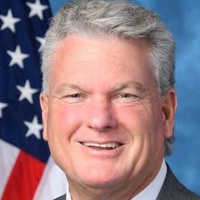
Mike Collins
Representative
GA
Mike Collins
Representative
GA
The Laken Riley Act mandates the detention of undocumented immigrants who are charged with or convicted of theft-related offenses. Additionally, the bill empowers state attorneys general to sue federal officials for failures in enforcing immigration detention, removal, and parole laws.
This bill proposes a constitutional amendment to limit members of the House of Representatives to three terms and Senators to two terms, with specific provisions for partial terms. Terms served before the amendment's ratification would not be counted towards these limits, and the amendment must be ratified within seven years to be valid.

Ralph Norman
Representative
SC
Ralph Norman
Representative
SC
This bill proposes a constitutional amendment to limit the number of terms a member of Congress can serve. Representatives would be limited to 3 terms and Senators to 2 terms, with specific rules for partial terms. Terms served before the amendment's ratification would not be counted. The amendment must be ratified by three-fourths of the states within seven years to be valid.
The FIND Act prohibits federal agencies from contracting with entities that discriminate against the firearm and ammunition industry, ensuring fair access to government contracts for these businesses. Contractors must certify they do not discriminate against firearm entities, with violations leading to contract termination.

Jack Bergman
Representative
MI
Jack Bergman
Representative
MI
The FIND Act prohibits federal agencies from contracting with entities that discriminate against the firearm and ammunition industry. It requires federal contractors to certify they do not discriminate against firearm entities and prohibits them from awarding subcontracts to entities that do not provide a similar certification. Violations of these clauses will result in contract termination. The act defines "discriminate" as making judgments or refusing/limiting services based on biased criteria, rather than case-by-case evaluations, empirical data, financial risk, or legal non-compliance.
This bill proposes a constitutional amendment mandating a balanced federal budget, requiring congressional supermajorities to raise the debt limit or increase revenue, and tasking the President with submitting a balanced budget to Congress annually. These rules can be waived during declared wars or serious military conflicts.

Zachary (Zach) Nunn
Representative
IA
Zachary (Zach) Nunn
Representative
IA
This bill proposes a constitutional amendment mandating a balanced federal budget, requiring that government spending not exceed income unless a supermajority in Congress approves. It also necessitates a supermajority to increase the national debt and a majority vote to raise revenue. The amendment includes exceptions for declared wars or serious military threats and would take effect five years after ratification, tasking Congress with its enforcement.