
Legislative Activity
Track Lizzie's sponsored bills, co-sponsored legislation, and voting record
The EATS Act of 2025 expands eligibility for SNAP benefits by removing previous restrictions for students enrolled at least half-time in recognized educational programs.
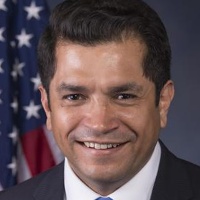
Jimmy Gomez
Representative
CA
Jimmy Gomez
Representative
CA
The EATS Act of 2025 significantly updates eligibility for the Supplemental Nutrition Assistance Program (SNAP) by removing previous restrictions that often disqualified students. This legislation explicitly includes bona fide students enrolled at least half-time in recognized educational programs as eligible participants for food assistance. These changes take effect on January 2, 2026.
This act restores previous state Medicaid provider tax rules by repealing Section 71115 of Public Law 11921.
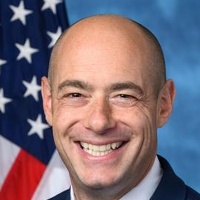
Greg Landsman
Representative
OH
Greg Landsman
Representative
OH
The Protect Our Hospitals Act aims to restore previous regulations concerning Medicaid provider taxes by repealing a specific section of Public Law 11921. This action effectively nullifies recent changes, returning the rules governing how states tax Medicaid providers to their original status.
This act authorizes $50 million annually from 2026 through 2031 for the CDC to conduct research on firearms safety and gun violence prevention.

Marilyn Strickland
Representative
WA
Marilyn Strickland
Representative
WA
The Gun Violence Prevention Research Act of 2025 authorizes $50 million annually for the Centers for Disease Control and Prevention (CDC) to conduct or support research on firearms safety and gun violence prevention. This dedicated funding is authorized for each fiscal year from 2026 through 2031. This new allocation is separate from and in addition to any existing CDC research funding.
The Keep Kids Covered Act extends continuous Medicaid and CHIP coverage for children and former foster youth to ensure longer periods without re-enrollment.

Kathy Castor
Representative
FL
Kathy Castor
Representative
FL
The Keep Kids Covered Act aims to ensure children maintain continuous health coverage under Medicaid and CHIP for longer periods. This legislation extends continuous eligibility for children under age 19, significantly increasing the duration they remain covered without needing to re-enroll. Furthermore, it grants former foster youth continuous Medicaid eligibility until they turn 26.
This resolution reaffirms the constitutional principles of separation of powers and the rule of law while condemning any efforts to undermine the authority of Congress or the judiciary.

John Garamendi
Representative
CA
John Garamendi
Representative
CA
This resolution reaffirms the fundamental principles of the U.S. Constitution, emphasizing the separation of powers among the legislative, executive, and judicial branches. It stresses Congress's exclusive authority over federal spending and condemns any efforts by public officials to undermine the rule of law or the independence of the other branches. Ultimately, the bill serves as a strong statement against the consolidation of power and for upholding constitutional checks and balances.
This bill establishes a new system for distributing up to 2,000 additional Medicare-funded residency positions annually from 2026 through 2032, prioritizing hospitals serving underserved areas, and mandates a study on strategies to increase workforce diversity.
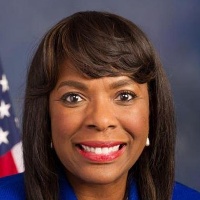
Terri Sewell
Representative
AL
Terri Sewell
Representative
AL
The Resident Physician Shortage Reduction Act of 2025 establishes a structured process for distributing up to 2,000 additional, federally funded residency positions annually between fiscal years 2026 and 2032. This distribution prioritizes hospitals serving in underserved areas, those already training above their limit, and those committed to primary care and general surgery training. The bill also mandates a study and report by the Comptroller General on effective strategies to increase diversity within the health professional workforce.
The Hands Off Our Social Security Act prohibits unauthorized tampering with benefits, data mining, privatization, workforce reductions, and office closures without explicit Congressional approval.

Melanie Stansbury
Representative
NM
Melanie Stansbury
Representative
NM
The Hands Off Our Social Security Act is designed to safeguard the functionality and integrity of the Social Security Administration (SSA). This bill prohibits the SSA from tampering with benefits, engaging in unauthorized data mining, or privatizing services. Furthermore, it prevents the agency from closing local offices or reducing staff without explicit approval from Congress. Ultimately, the Act ensures that essential services and communication channels remain accessible to beneficiaries.
This Act appropriates \$15 billion in emergency supplemental funding to FEMA for Texas flood disaster relief through September 30, 2028, and mandates regular spending reports.

Marc Veasey
Representative
TX
Marc Veasey
Representative
TX
This Act appropriates **$15 billion** in supplemental emergency funding to the Federal Emergency Management Agency (FEMA) to cover costs associated with the major flooding events that occurred in Texas during 2025. The funds are designated for disaster response and recovery efforts under the Stafford Act. Furthermore, the bill mandates regular reporting from FEMA to Congress detailing how these emergency funds are obligated and spent across Texas.
This constitutional amendment prohibits immunity from criminal prosecution for federal officials based on their official duties and bars the President from self-pardoning.
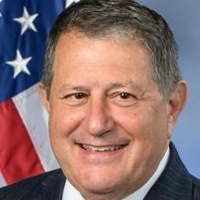
Joseph Morelle
Representative
NY
Joseph Morelle
Representative
NY
This proposed constitutional amendment would eliminate immunity from criminal prosecution for federal officials, including the President, based on their official duties. It also explicitly prohibits the President from issuing a self-pardon for any federal crimes. If ratified, these changes would take effect immediately.
The EACH Act of 2025 mandates that all federally funded health programs and facilities must cover and provide abortion services, while also prohibiting federal interference with private insurance coverage.
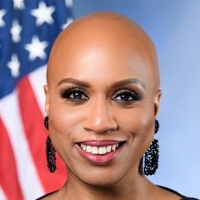
Ayanna Pressley
Representative
MA
Ayanna Pressley
Representative
MA
The EACH Act of 2025 aims to ensure equal access to abortion coverage by requiring all federally funded health programs and facilities to cover abortion services. This legislation prohibits federal interference with state or private insurance coverage of abortion and repeals Section 1303 of the Affordable Care Act. Ultimately, the bill seeks to eliminate financial and insurance barriers to abortion care, particularly for low-income individuals relying on programs like Medicaid.
This bill amends the Family and Medical Leave Act to explicitly qualify time taken for an employee's own organ donation surgery as a serious health condition.
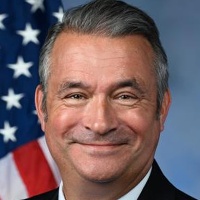
Don Bacon
Representative
NE
Don Bacon
Representative
NE
This bill amends the Family and Medical Leave Act (FMLA) to explicitly clarify that time taken off for an employee's own organ donation surgery qualifies as a serious health condition. This ensures both private and federal sector workers receive FMLA protection for recovery from organ donation. The legislation also specifies how federal employees must substitute existing paid leave when taking FMLA time for this purpose.
This Act prohibits insurance companies from discriminating against living organ donors when issuing life, disability, or long-term care policies and mandates the updating of educational materials regarding donation risks and insurance implications.
Don Bacon
Representative
NE
Don Bacon
Representative
NE
The Living Donor Protection Act of 2025 prohibits life, disability, and long-term care insurance companies from denying coverage or increasing premiums solely because an individual is a living organ donor. This legislation ensures that living donors are not financially penalized for their altruistic act. Additionally, the bill requires the Secretary of HHS to update educational materials to accurately reflect the insurance protections afforded to living donors.
This bill places a temporary moratorium on the closure or restriction of access to National Oceanic and Atmospheric Administration (NOAA) facilities until 180 days after a required justification report is submitted to Congress.
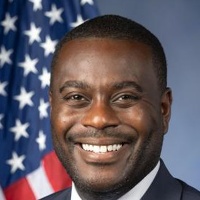
Gabe Amo
Representative
RI
Gabe Amo
Representative
RI
The Stop NOAA Closures Act places a temporary moratorium on the closure or restriction of access to any National Oceanic and Atmospheric Administration (NOAA) facilities. This freeze remains in effect until 180 days after key officials submit a required report to Congress detailing the criteria and process for any future facility changes. After the moratorium lifts, any major facility action will still require a 30-day advance notice and justification report to Congress, except in cases of immediate emergency threatening staff safety.
This Act prohibits the destruction of U.S. foreign aid supplies like food and medicine, mandating their delivery or donation to intended recipients before expiration to save lives and taxpayer dollars.

Gregory Meeks
Representative
NY
Gregory Meeks
Representative
NY
The Saving Lives and Taxpayer Dollars Act aims to ensure that U.S. foreign assistance commodities, such as food and medicine, are delivered to those in need rather than being destroyed. This legislation mandates that aid supplies must be distributed before they expire or spoil, thereby maximizing the humanitarian impact of U.S. aid. Furthermore, it establishes strict reporting requirements to track and prevent the waste of these vital resources. The bill highlights that effective foreign aid supports global health, strengthens the U.S. economy, and benefits American agriculture.
This Act guarantees individuals the right to obtain and receive information about FDA-approved medicines and protects healthcare providers who offer them from restrictive government rules.
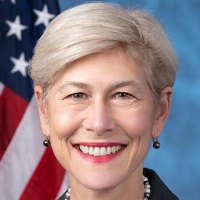
Deborah Ross
Representative
NC
Deborah Ross
Representative
NC
The Right to FDA-Approved Medicines Act guarantees individuals the right to obtain and receive information about medicines already approved by the FDA. This law preempts and overrides conflicting federal and state regulations that restrict access to or the provision of these approved drugs by healthcare providers. It establishes strong enforcement mechanisms, allowing both the Attorney General and private citizens to sue states that violate these protections.
This bill mandates comprehensive online and label disclosure of all cosmetic ingredients, especially fragrances and flavors, while preserving stronger state regulations.

Janice Schakowsky
Representative
IL
Janice Schakowsky
Representative
IL
The Cosmetic Hazardous Ingredient Right to Know Act of 2025 significantly updates cosmetic regulation by mandating comprehensive ingredient disclosure, especially for fragrances and flavors, on both product labels and brand owner websites. This law requires detailed, machine-readable online ingredient lists and specific hazard warnings on packaging if certain harmful chemicals are present. Importantly, this federal act preserves the authority of states to enact stricter ingredient bans or transparency requirements.
The Toxic-Free Beauty Act of 2025 bans the intentional use of specific harmful chemicals and limits certain contaminants in cosmetic products sold in the U.S., effective January 1, 2027, while preserving states' rights to enact stricter regulations.
Janice Schakowsky
Representative
IL
Janice Schakowsky
Representative
IL
The Toxic-Free Beauty Act of 2025 establishes new federal standards for cosmetic safety by banning the intentional addition of specific harmful chemicals, such as formaldehyde and certain parabens, in products sold in the U.S. It also sets maximum allowable limits for certain contaminants like 1,4 dioxane and lead. Importantly, this federal legislation does not preempt stricter state laws regarding cosmetic ingredients. These new requirements will take effect for products shipped interstate starting January 1, 2027.
This Act mandates research into cosmetic health disparities affecting communities of color and salon workers, funds safer alternative development, establishes resource centers for beauty justice and worker safety, and requires translated safety data sheets for professional products, while also regulating synthetic braids.
Janice Schakowsky
Representative
IL
Janice Schakowsky
Representative
IL
The Cosmetic Safety for Communities of Color and Professional Salon Workers Act of 2025 aims to enhance cosmetic safety through targeted research into health disparities affecting communities of color and salon workers. The bill mandates improved access to safety data sheets in multiple languages for professional products and establishes two new National Resource Centers to empower these communities and workers. Finally, it brings synthetic hair braids under FDA cosmetic regulation, requiring new safety standards and labeling.
This Act mandates federal standards requiring employers to implement comprehensive heat illness and injury prevention programs to protect workers from dangerous heat stress.
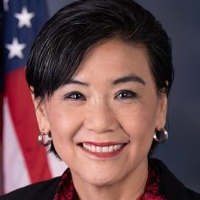
Judy Chu
Representative
CA
Judy Chu
Representative
CA
The Asunción Valdivia Heat Illness, Injury, and Fatality Prevention Act of 2025 mandates that employers protect workers from dangerous heat stress by establishing comprehensive safety standards. This Act requires the Secretary of Labor to create evidence-based rules covering engineering controls, administrative procedures, required training, and paid rest breaks to prevent heat-related illness. Furthermore, the law establishes strict enforcement mechanisms, whistleblower protections, and specific timelines for the implementation of these new federal heat protection standards.
This Act mandates increased ingredient and supply chain transparency for cosmetics, establishes federal standards while preserving stricter state regulations, and requires the FDA to maintain a public list of harmful trace constituents.
Janice Schakowsky
Representative
IL
Janice Schakowsky
Representative
IL
The Cosmetic Supply Chain Transparency Act of 2025 enhances cosmetic regulation by requiring detailed ingredient and supply chain information sharing between brand owners and suppliers. This law mandates the FDA to create a public list of harmful, nonfunctional chemical traces that suppliers must eventually test for and certify. Importantly, this federal legislation preserves the right of states to enact stricter ingredient or transparency rules than those established here.