Legislative Activity
Track Bill's sponsored bills, co-sponsored legislation, and voting record
The Captive Primate Safety Act of 2025 bans the interstate commerce, breeding, and possession of most nonhuman primates, with limited exceptions for existing registered owners and research facilities.
Mike Quigley
Representative
IL
Mike Quigley
Representative
IL
The Captive Primate Safety Act of 2025 amends the Lacey Act to prohibit the importation, sale, breeding, and possession of most nonhuman primates across state lines. This sweeping ban includes species like monkeys and lemurs, with limited exceptions for registered research facilities and existing owners who register their animals promptly. The law establishes immediate prohibitions, even before the Secretary of the Interior finalizes all associated regulations.
This resolution urges the Secretary of Health and Human Services to withdraw any reduction in public notice and comment opportunities during the rulemaking process.

Lizzie Fletcher
Representative
TX
Lizzie Fletcher
Representative
TX
This House resolution urges the Secretary of Health and Human Services (HHS) to withdraw a recent notice that would reduce opportunities for public comment on new regulations. It affirms the importance of robust public input in the rulemaking process, which directly affects millions of Americans. The resolution calls for HHS to maintain its existing, open procedures for gathering feedback before finalizing any policy changes.
The Better CARE for Animals Act of 2025 strengthens the enforcement of the Animal Welfare Act by expanding investigative authority, establishing new civil penalties up to \$10,000 per day, and explicitly granting the Attorney General power to file civil actions, including seeking seizure and forfeiture of animals.
Nicole Malliotakis
Representative
NY
Nicole Malliotakis
Representative
NY
The Better CARE for Animals Act of 2025 significantly strengthens enforcement of the Animal Welfare Act by clarifying definitions and expanding the scope of investigations. It grants the Attorney General explicit authority to file civil actions seeking penalties up to $10,000 per day, and mandates that collected fines help cover temporary animal care costs. The bill also requires the Secretary of Agriculture and the Attorney General to establish a formal agreement for coordinated enforcement.
This bill bans the manufacture, sale, and transfer of specific semiautomatic assault weapons and large-capacity ammunition feeding devices while grandfathering existing possessions and establishing new transfer requirements.
Lucy McBath
Representative
GA
Lucy McBath
Representative
GA
The Assault Weapons Ban of 2025 comprehensively defines and bans the manufacture, sale, and transfer of specific semiautomatic assault weapons and large capacity ammunition feeding devices. The bill grandfathers existing weapons but imposes new requirements for their secure storage and mandates dealer involvement for future private transfers. It also allows federal grant money to be used by states for buy-back programs targeting these banned items.
This bill repeals the Arctic National Wildlife Refuge oil and gas program and designates over 1.5 million acres of the refuge as protected wilderness.
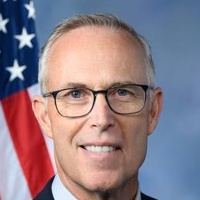
Jared Huffman
Representative
CA
Jared Huffman
Representative
CA
The Arctic Refuge Protection Act officially repeals the previous law authorizing oil and gas leasing in the Arctic National Wildlife Refuge. This legislation simultaneously designates approximately 1.56 million acres within the Refuge as protected wilderness under the National Wilderness Preservation System. The Secretary of the Interior is now required to manage this newly designated land according to strict wilderness preservation standards.
The Equality Act comprehensively prohibits discrimination based on sex, sexual orientation, and gender identity across key areas including public accommodations, employment, housing, credit, and jury service.
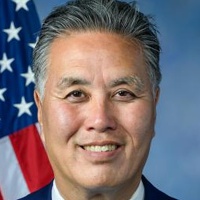
Mark Takano
Representative
CA
Mark Takano
Representative
CA
The Equality Act comprehensively expands federal civil rights protections against discrimination based on sex, sexual orientation, and gender identity across key areas of American life. It amends existing laws to prohibit discrimination in public accommodations, housing, credit, employment, and federal funding. The purpose of the bill is to provide consistent, explicit, and comprehensive remedies for individuals facing bias in these essential sectors.
The RESEARCHER Act establishes new federal guidelines to address the financial instability of graduate and postdoctoral researchers by improving stipends, benefits, and support services, while mandating new data collection and studies on the issue.
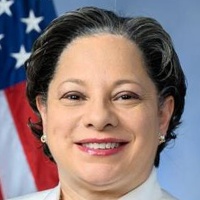
Jennifer McClellan
Representative
VA
Jennifer McClellan
Representative
VA
The RESEARCHER Act establishes new federal guidelines to address the financial instability faced by graduate and postdoctoral researchers supported by federal funding. It mandates agencies to improve stipends, healthcare access, and support for housing and family care for these essential researchers. Furthermore, the bill requires comprehensive data collection and studies by the National Academies and GAO to assess and report on the effectiveness of these new financial support measures.
This Act authorizes the President to impose sanctions, including asset freezes and visa bans, on foreign individuals involved in violence, property destruction, or displacement in the West Bank.
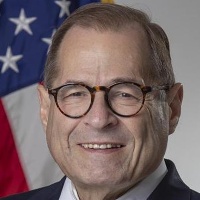
Jerrold Nadler
Representative
NY
Jerrold Nadler
Representative
NY
The West Bank Violence Prevention Act of 2025 declares extreme settler violence and displacement in the West Bank a threat to U.S. national security interests. This Act mandates the President to impose sanctions, including asset freezes and visa bans, on foreign individuals responsible for undermining peace and stability in the region. The Treasury Department must report to Congress on the implementation of these sanctions every 90 days.
This act increases the maximum loan amounts available to small businesses under certain SBA programs and mandates annual reporting on the distribution of those enhanced loans.
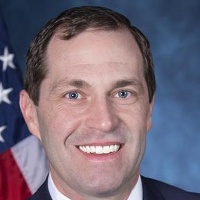
Jason Crow
Representative
CO
Jason Crow
Representative
CO
The Small Business Energy Loan Enhancement Act significantly increases the maximum loan amounts available to eligible small businesses under specific Small Business Administration (SBA) programs, raising the limit from $\$5.5$ million to $\$10$ million. This legislation also mandates that the SBA report annually to Congress detailing the industries and geographic areas benefiting from these enhanced loan categories. The goal is to provide greater financial resources for small businesses through SBA lending.
This bill establishes the American Family Act, which revamps the Child Tax Credit into a system of refundable monthly advance payments for qualifying children and a separate credit for other dependents.

Rosa DeLauro
Representative
CT
Rosa DeLauro
Representative
CT
The American Family Act fundamentally overhauls the Child Tax Credit by replacing the annual lump sum with a system of advance, refundable monthly payments delivered directly to families. These monthly allowances vary based on the child's age, with higher amounts provided for younger children. The bill also establishes a separate, smaller credit for other dependents and outlines procedures for annual renewal and reconciliation of advance payments when filing taxes.
This act bans bump stocks and similar devices that increase the firing rate of semi-automatic firearms, requiring registration for any previously modified weapons.
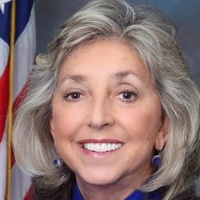
Dina Titus
Representative
NV
Dina Titus
Representative
NV
The Closing the Bump Stock Loophole Act of 2025 seeks to amend federal gun laws by banning devices and modifications that significantly increase the rate of fire of semiautomatic firearms, effectively treating them like machineguns. The bill specifically prohibits the manufacture, sale, or possession of such accessories and modified firearms after 120 days of enactment. Existing owners of previously modified firearms must register them under the National Firearms Act within that same timeframe to legally keep them.
The Affordable Housing Credit Improvement Act of 2025 updates state allocation formulas, reforms tenant eligibility and credit determination rules, and enhances assistance for Native American and rural housing projects.
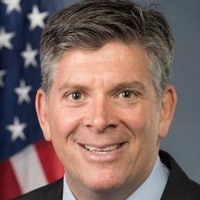
Darin LaHood
Representative
IL
Darin LaHood
Representative
IL
The Affordable Housing Credit Improvement Act of 2025 updates federal housing tax credit allocations to reflect current economic realities and boosts minimum state allotments. It reforms tenant eligibility rules to stabilize tenancy and enhance protections for vulnerable residents, including victims of abuse. The bill also provides disaster relief for property owners, increases incentives for housing the extremely low-income, and directs greater resources toward Native American and rural housing needs. Finally, it streamlines administrative processes and signals a future focus on data transparency and discouraging restrictive local zoning.
The Raise the Wage Act of 2025 gradually increases the federal minimum wage to \$17.00, phases out subminimum wages for tipped employees and workers with disabilities, and eliminates the subminimum wage for young workers.
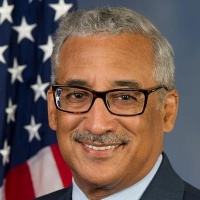
Robert Scott
Representative
VA
Robert Scott
Representative
VA
The Raise the Wage Act of 2025 establishes a phased increase of the federal minimum wage, culminating in a \$17.00 per hour rate five years after enactment, followed by automatic annual adjustments tied to median wage growth. This bill also phases out the lower minimum wage for tipped employees and workers under 20, ensuring they eventually earn the standard federal minimum wage. Furthermore, it sets a schedule to eliminate subminimum wages for individuals with disabilities and prohibits the issuance of new special certificates allowing for lower pay.
This Act establishes federal minimum standards for public employee collective bargaining rights, allowing states to maintain their own laws if they meet or exceed these standards, otherwise the Federal Labor Relations Authority will enforce federal rules.
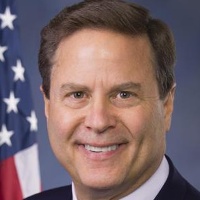
Donald Norcross
Representative
NJ
Donald Norcross
Representative
NJ
The Public Service Freedom to Negotiate Act of 2025 establishes federal minimum standards for collective bargaining rights for public employees across the nation. It requires the Federal Labor Relations Authority (FLRA) to review state laws to ensure they substantially provide these minimum rights, including the right to organize and bargain collectively. If a state fails to meet these standards, the FLRA will administer federal labor relations rules for the uncovered employees. The Act also prohibits strikes or lockouts that would measurably disrupt emergency or public safety services.
The No Tax Breaks for Union Busting Act denies businesses tax deductions for expenses incurred while influencing employees regarding union organization and activities.
Donald Norcross
Representative
NJ
Donald Norcross
Representative
NJ
The No Tax Breaks for Union Busting (NTBUB) Act aims to disallow businesses from deducting federal income taxes for expenses incurred while attempting to influence employees regarding union organization or activities. This change is intended to stop companies from subsidizing anti-union campaigns through tax write-offs. The bill also establishes new, significant reporting requirements and penalties for businesses and third-party consultants who engage in these influence expenditures.
This Act allows employees to fully deduct union dues above the line and restores the itemized deduction for certain other job-related business expenses.
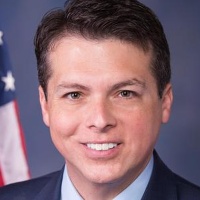
Brendan Boyle
Representative
PA
Brendan Boyle
Representative
PA
The Tax Fairness for Workers Act restores key federal tax deductions for employees, effective after 2024. This legislation makes union dues fully deductible "above the line," meaning they reduce Adjusted Gross Income without itemizing. Additionally, it allows itemizers to deduct certain other job-related business expenses that were previously limited.
The Impact Aid Infrastructure Partnership Act establishes federal and local partnerships to provide formula and competitive grants for urgently needed facility repairs and modernization in federally impacted school districts.
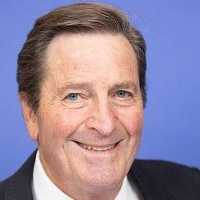
John Garamendi
Representative
CA
John Garamendi
Representative
CA
The Impact Aid Infrastructure Partnership Act establishes a four-year, \$250 million federal partnership to address critical facility needs in school districts heavily impacted by federal land. This bill creates competitive and formula grants prioritized by facility condition and local financial capacity, aiming to repair or modernize aging and unsafe school buildings. Funds are designed to supplement local efforts, with specific rules governing matching requirements and payment schedules based on a district's ability to borrow money.
The IDEA Full Funding Act establishes mandatory, increasing funding levels for the Individuals with Disabilities Education Act (IDEA) from 2026 through 2035, contingent upon offsetting budget cuts.
Jared Huffman
Representative
CA
Jared Huffman
Representative
CA
The IDEA Full Funding Act establishes mandatory, increasing funding levels for the Individuals with Disabilities Education Act (IDEA) programs through fiscal year 2035. This legislation sets specific appropriation targets based on student counts and national average spending to ensure greater financial support for special education services. Furthermore, the bill requires that these new IDEA appropriations adhere to "cut-as-you-go" budget offset rules.
This Act mandates the Department of Labor to establish and enforce comprehensive workplace violence prevention standards for healthcare and social service workers, while also tying compliance to Medicare funding for certain facilities.
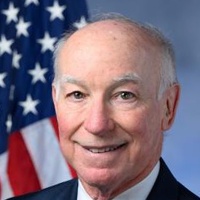
Joe Courtney
Representative
CT
Joe Courtney
Representative
CT
This Act mandates the Secretary of Labor to establish an interim and then a final standard requiring comprehensive workplace violence prevention plans for employers in the healthcare and social service sectors. These plans must be developed with employee input and detail risk assessments, hazard controls, reporting procedures, and annual training. Furthermore, the bill amends the Social Security Act to require Medicare-funded hospitals and skilled nursing facilities not covered by OSHA to comply with these new federal workplace violence prevention standards. The legislation also establishes clear definitions for workplace violence and includes strong anti-retaliation protections for employees who exercise their rights under the Act.
This Act establishes a program, managed by the Librarian of Congress, to create and disseminate educational resources countering denial of the Armenian Genocide.
Dina Titus
Representative
NV
Dina Titus
Representative
NV
The Armenian Genocide Education Act establishes a program managed by the Librarian of Congress to develop and share educational resources combating denial of the 1915-1923 Armenian Genocide. This initiative will create online materials, train educators, and encourage the integration of accurate history into school curricula. The Act authorizes $2 million annually for five years to support these educational efforts aimed at promoting awareness and preventing future atrocities.