Legislative Activity
Track Bill's sponsored bills, co-sponsored legislation, and voting record
The Pride In Mental Health Act of 2025 establishes grants and federal initiatives to improve mental health services and research specifically for LGBTQ+ youth while explicitly prohibiting the use of funds for conversion therapy.
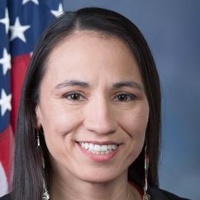
Sharice Davids
Representative
KS
Sharice Davids
Representative
KS
The Pride In Mental Health Act of 2025 establishes a new grant program to improve mental health and substance abuse outcomes for LGBTQ+ youth through culturally competent care and resource development. These grants strictly prohibit funding for conversion therapy practices. The bill also mandates federal data collection on LGBTQ+ youth mental health and requires a report on the needs of those in foster care.
The Forage Fish Conservation Act of 2025 establishes a formal definition for forage fish, mandates scientific advice and management plan updates to protect their role in the marine food web, and specifically addresses the management and monitoring of river herring and shad.

Debbie Dingell
Representative
MI
Debbie Dingell
Representative
MI
The Forage Fish Conservation Act of 2025 aims to strengthen the management of small, schooling fish that form the base of the marine food web. This bill mandates the official definition of "forage fish" and requires fishery councils to prioritize their conservation in management plans. Furthermore, it establishes new rules for setting catch limits based on the dietary needs of dependent predators and enhances monitoring for certain Atlantic fisheries. Ultimately, the Act seeks to ensure the sustainability of the entire ocean ecosystem by protecting these critical prey species.
This resolution urgently calls for the immediate delivery of humanitarian aid to address the severe hunger crisis in Gaza and demands the administration use all diplomatic means to secure hostage release and end the fighting.
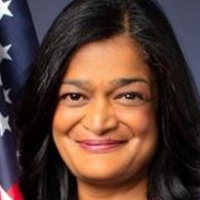
Pramila Jayapal
Representative
WA
Pramila Jayapal
Representative
WA
This resolution formally expresses the House of Representatives' grave concern over the severe humanitarian crisis and widespread suffering of civilians in Gaza, alongside the plight of hostages. It urgently calls on the Administration to use all diplomatic tools to secure the release of all hostages. Furthermore, the bill demands the immediate delivery and secure distribution of essential humanitarian aid to address the catastrophic hunger crisis in Gaza.
This bill restricts the transfer of specific offensive military articles and defense services to Israel until Congress authorizes their use for specified purposes and Israel provides written assurances of compliance with international law.
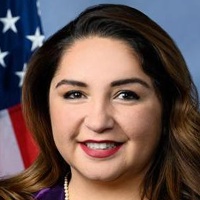
Delia Ramirez
Representative
IL
Delia Ramirez
Representative
IL
This bill imposes significant restrictions on the transfer of specific defense articles and services to Israel. Transfers of listed military equipment, such as certain bombs and ammunition, are prohibited unless Congress first passes a law detailing their specific authorized use. Furthermore, Israel must provide satisfactory written assurances that the items will only be used for those stated purposes and in compliance with international law.
The Fit to Serve Act prohibits discrimination against service members and recruits in the Armed Forces based on their gender identity.
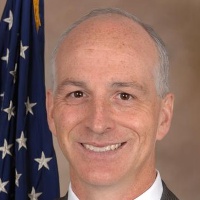
Adam Smith
Representative
WA
Adam Smith
Representative
WA
The Fit to Serve Act prohibits the U.S. Armed Forces from discriminating against service members based on their gender identity. This means military branches cannot set different standards, involuntarily discharge personnel, or deny medically necessary healthcare due to a service member's gender identity. The bill ensures equal opportunity for joining, serving, and receiving care regardless of one's internal sense of self.
This bill reauthorizes and expands federal grant programs supporting formerly incarcerated individuals with reentry, substance use disorder treatment, and career training through 2030.
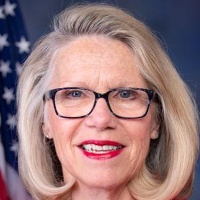
Carol Miller
Representative
WV
Carol Miller
Representative
WV
The Second Chance Reauthorization Act of 2025 extends and improves key federal grant programs designed to support successful reentry for formerly incarcerated individuals. This legislation shifts the authorization window for several demonstration projects to run from 2026 through 2030. It also specifically broadens the scope of reentry demonstration projects to explicitly fund substance use disorder treatment, including peer recovery services and reentry housing. Overall, the bill ensures continued federal support for vital reentry, education, and substance abuse collaboration initiatives through the end of the decade.
This bill prohibits high-ranking government officials and their families from trading, profiting from, or controlling digital assets while in office to prevent conflicts of interest.
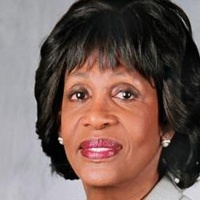
Maxine Waters
Representative
CA
Maxine Waters
Representative
CA
The Stop TRUMP in Crypto Act of 2025 prohibits covered government officials and their immediate families from trading, owning, or profiting from digital assets while in office. This legislation specifically bans insider trading of crypto and prevents officials from using intermediaries or complex ownership structures to bypass these restrictions. The Act aims to eliminate conflicts of interest by ensuring high-ranking officials cannot benefit financially from involvement with cryptocurrencies.
This Act restricts the use of federal funds for a U.S. nuclear first strike unless the President deems it necessary and Congress is notified seven days prior, except in cases of declared war, prior nuclear attack, or launch-on-warning scenarios.

Scott Peters
Representative
CA
Scott Peters
Representative
CA
The Nuclear First-Strike Security Act of 2025 places strict limitations on the use of federal funds to initiate a nuclear attack. Under this Act, a first-use nuclear strike requires a presidential determination that it is in the U.S. best interest, followed by a mandatory seven-day notification to top Congressional leaders. This notification requirement is waived only in cases of a formal declaration of war, a prior nuclear attack on the U.S. or an ally, or during a confirmed launch-on-warning scenario.
This Act establishes mandatory ethics codes, recusal standards, and enhanced financial disclosure requirements for Supreme Court Justices and federal judges.

Henry Johnson
Representative
GA
Henry Johnson
Representative
GA
The Supreme Court Ethics, Recusal, and Transparency Act of 2025 establishes a mandatory, public code of conduct and a formal complaint process for Supreme Court Justices, modeled after procedures for lower federal judges. The bill also institutes stricter disclosure requirements for gifts and financial ties, and mandates judicial disqualification in cases involving recent lobbying contact or significant financial relationships with involved parties. Furthermore, it creates new review panels for disqualification motions and requires parties and *amici* to disclose financial supporters connected to the case.
This act modifies federal securities laws to establish specific fiduciary and investment approval requirements for certain 403(b) retirement plans offered by charities and educational institutions to maintain their exemptions from registration.

Frank Lucas
Representative
OK
Frank Lucas
Representative
OK
The Retirement Fairness for Charities and Educational Institutions Act of 2025 modifies federal securities laws to update exemptions for 403(b) retirement plans. This legislation clarifies requirements under the Investment Company Act, the Securities Act, and the Securities Exchange Act. The changes generally condition these exemptions on the employer taking on specific fiduciary responsibilities regarding the selection and approval of investment options offered to participants.
This act increases the penalty-free withdrawal limit from retirement accounts for first-time homebuyers from $\$10,000$ to $\$50,000$.
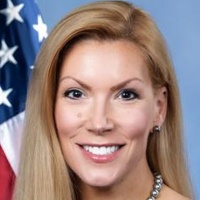
Beth Van Duyne
Representative
TX
Beth Van Duyne
Representative
TX
The Uplifting First-Time Homebuyers Act of 2025 significantly increases the penalty-free withdrawal limit from retirement accounts for first-time homebuyers. This legislation raises the maximum allowable distribution from $\$10,000$ to $\$50,000$. This change is designed to provide greater financial flexibility for individuals purchasing their first home, taking effect for tax years beginning after December 31, 2024.
This resolution commemorates the National Science Foundation's 75th anniversary by recognizing its vital contributions to U.S. science, engineering, and education while reaffirming Congress's commitment to its future support.
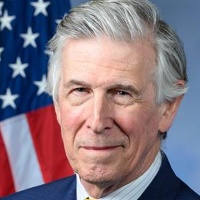
Donald Beyer
Representative
VA
Donald Beyer
Representative
VA
This resolution commemorates the 75th anniversary of the National Science Foundation (NSF), recognizing its vital role in advancing U.S. science, engineering, and education since 1950. Congress acknowledges the NSF's foundational support for groundbreaking innovations, including the internet and advancements in medical technology. The bill reaffirms Congress's commitment to ensuring the NSF continues to lead in scientific discovery for decades to come.
This Act establishes a new federal grant program to provide operating support for high-quality public transit that prioritizes service improvements in underserved communities, while also increasing the federal share for rural transit operating costs.
Henry Johnson
Representative
GA
Henry Johnson
Representative
GA
The Stronger Communities through Better Transit Act establishes a new federal grant program to provide operating support for high-quality public transit services. This funding is specifically targeted to improve mobility and environmental outcomes, with a requirement that the majority of funds benefit underserved communities or areas of persistent poverty. The Act also increases the federal share for rural transit operating assistance up to 80%.
This resolution expresses the House's view that President Trump must immediately submit plans to Congress for accepting a jumbo jet gift from Qatar to comply with the Foreign Emoluments Clause.
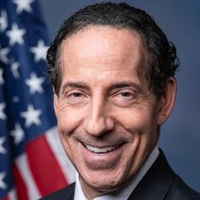
Jamie Raskin
Representative
MD
Jamie Raskin
Representative
MD
This resolution expresses the sense of the House that President Trump must comply with the Foreign Emoluments Clause regarding a reported gift of a jumbo jet from Qatar. It calls on the President to immediately submit all plans for accepting this significant gift to Congress. The bill emphasizes that the Constitution requires Congressional consent before the President can accept valuable items from foreign governments.
This bill establishes mandatory minimum registered nurse-to-patient staffing ratios in hospitals to enhance patient safety, enforces these standards across federal healthcare programs, and funds initiatives to support the nursing workforce.

Janice Schakowsky
Representative
IL
Janice Schakowsky
Representative
IL
The Nurse Staffing Standards for Hospital Patient Safety and Quality Care Act of 2025 establishes mandatory minimum registered nurse-to-patient ratios across various hospital units to enhance patient safety and care quality. This legislation requires hospitals to implement detailed staffing plans, ensures enforcement through federal programs like Medicare and Medicaid, and supports the nursing workforce through expanded financial aid and retention initiatives. Furthermore, the bill protects nurses who refuse unsafe assignments and establishes clear mechanisms for reporting violations.
This bill prohibits the use of federal funds to implement Executive Order 14160, which sought to limit birthright citizenship guaranteed by the Fourteenth Amendment.
Delia Ramirez
Representative
IL
Delia Ramirez
Representative
IL
The Born in the USA Act of 2025 declares that Executive Order 14160, which attempted to restrict birthright citizenship, is unconstitutional and contrary to the 14th Amendment. This Act prohibits the use of any federal funds to implement or enforce that Executive Order. It affirms the established constitutional right to birthright citizenship for nearly everyone born on U.S. soil.
The Water Affordability, Transparency, Equity, and Reliability Act of 2025 establishes a dedicated trust fund financed by a corporate tax increase to improve water infrastructure, mandate affordability and equity reporting, and expand job training and assistance for underserved communities.
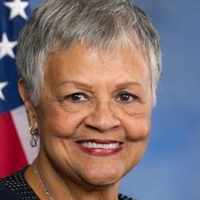
Bonnie Watson Coleman
Representative
NJ
Bonnie Watson Coleman
Representative
NJ
The Water Affordability, Transparency, Equity, and Reliability Act of 2025 establishes a dedicated federal Trust Fund, financed by an increase in the corporate tax rate, to support water infrastructure and affordability programs nationwide. The bill mandates a comprehensive EPA report analyzing water affordability, civil rights compliance, and public participation in water planning. It also significantly increases funding for household water well systems and revises state revolving loan fund rules to expand eligible projects, including lead line replacement and PFAS contamination cleanup. Finally, the Act creates new job training grants for the water sector and enhances drinking water assistance for colonias.
The American Ownership and Resilience Act establishes a Department of Commerce-run facility to leverage government backing for investment companies that finance the sale of businesses to Employee Stock Ownership Plans (ESOPs) or worker-owned cooperatives.
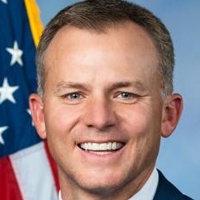
Blake Moore
Representative
UT
Blake Moore
Representative
UT
The American Ownership and Resilience Act establishes an Ownership Investment Facility within the Department of Commerce to provide government-backed leverage to investment companies. This facility is designed to encourage capital investments that support the sale of businesses to Employee Stock Ownership Plans (ESOPs) or worker-owned cooperatives. The bill sets strict oversight, fairness, and control requirements for these employee-centric transactions while establishing licensing and capital standards for the participating investment companies.
This Act prohibits the advertising and provision of paid conversion therapy intended to change an individual's sexual orientation or gender identity, empowering the FTC and State Attorneys General to enforce these prohibitions.
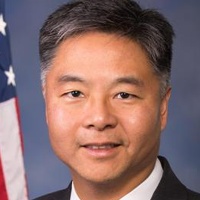
Ted Lieu
Representative
CA
Ted Lieu
Representative
CA
The Therapeutic Fraud Prevention Act of 2025 declares that practices attempting to change an individual's sexual orientation or gender identity for payment constitute an unfair and deceptive business practice. Citing professional consensus on the ineffectiveness and harm of such "conversion therapy," the bill prohibits its provision and advertising. Enforcement authority is granted to the Federal Trade Commission (FTC), and the law allows both the U.S. Attorney General and State Attorneys General to file civil actions against violators.
The VA Employee Fairness Act of 2025 streamlines collective bargaining rules for Veterans Health Administration employees by modifying existing statutes while preserving the Secretary's authority regarding incentive pay and expedited hiring.
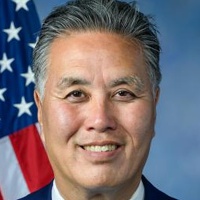
Mark Takano
Representative
CA
Mark Takano
Representative
CA
The VA Employee Fairness Act of 2025 modifies the collective bargaining rules for employees of the Veterans Health Administration (VHA) by streamlining existing statutes. This act removes outdated subsections related to bargaining and renumbers the remaining relevant section. Importantly, these changes do not affect the Secretary of Veterans Affairs' existing authority regarding incentive pay or expedited hiring processes.