Legislative Activity
Track Pat's sponsored bills, co-sponsored legislation, and voting record
The Born-Alive Abortion Survivors Protection Act requires health care practitioners to provide the same level of care to infants born alive after an abortion attempt as they would to any other newborn, mandating immediate hospitalization and imposing penalties for violations, while protecting the mother from prosecution. It also allows the mother of a child born alive to file a civil action against anyone who violated the act.

Ann Wagner
Representative
MO
Ann Wagner
Representative
MO
The "Born-Alive Abortion Survivors Protection Act" ensures that infants born alive after an abortion receive the same medical care as any other newborn, mandating immediate hospitalization and requiring healthcare practitioners to report any failures to comply. Violators face fines, imprisonment, and potential prosecution for homicide or attempted homicide, while the mother of the child cannot be prosecuted. The bill also allows the woman who had the abortion to file a civil action against anyone who violated the act. It defines abortion and attempts at abortion, and renames "Partial-Birth Abortions" to "Abortions" in relevant sections of the U.S. Code.
The Main Street Tax Certainty Act makes the 20% pass-through business income deduction permanent by removing its scheduled expiration after 2025.
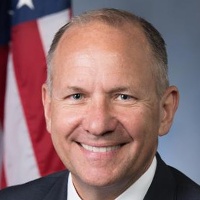
Lloyd Smucker
Representative
PA
Lloyd Smucker
Representative
PA
The Main Street Tax Certainty Act makes the 20% pass-through business income deduction permanent. By removing the current 2025 expiration date, this legislation ensures long-term tax relief for owners of qualified pass-through entities.
The National Constitutional Carry Act prohibits state and local governments from restricting the public carry of firearms by individuals who are legally eligible to possess them under federal law.

Thomas Massie
Representative
KY
Thomas Massie
Representative
KY
The National Constitutional Carry Act seeks to protect the Second Amendment right of law-abiding citizens to carry firearms in public for self-defense. The bill prohibits state and local governments from imposing criminal or civil penalties on individuals who are legally eligible to possess firearms. By overriding restrictive local regulations, the legislation aims to ensure a uniform standard for the right to bear arms across the United States.
The BNA Fairness Act ensures that the Basic Needs Allowance for active-duty service members is exempt from federal income tax.
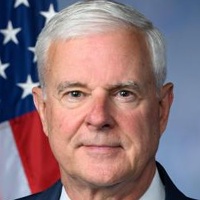
Steve Womack
Representative
AR
Steve Womack
Representative
AR
The BNA Fairness Act ensures that the Basic Needs Allowance (BNA) provided to eligible active-duty service members is exempt from federal income tax. By classifying this support as a qualified military benefit, the bill prevents these essential payments from being reduced by tax obligations.
This bill amends the Internal Revenue Code to allow corporations to deduct intangible drilling and development costs when calculating adjusted financial statement income for the corporate alternative minimum tax.

Mike Carey
Representative
OH
Mike Carey
Representative
OH
The Promoting Domestic Energy Production Act revises corporate tax accounting rules to incentivize domestic energy investment. By allowing corporations to deduct intangible drilling and development costs when calculating their alternative minimum tax, the bill aims to reduce the tax burden on energy producers.
The Heartbeat Protection Act of 2025 prohibits physicians from performing abortions once a fetal heartbeat is detectable, subject to specific exceptions and federal penalties.

Mike Kelly
Representative
PA
Mike Kelly
Representative
PA
The Heartbeat Protection Act of 2025 prohibits physicians from performing an abortion if a fetal heartbeat is detectable, subject to specific exceptions for medical emergencies, rape, and incest. Physicians who knowingly violate this federal law face potential fines and imprisonment, though the legislation explicitly protects the mother from prosecution. The bill also mandates strict documentation and record-keeping requirements for all heartbeat determinations and exception claims.
The FARM Act strengthens national security by bringing U.S. agricultural systems under the review of the Committee on Foreign Investment in the United States (CFIUS) and mandating regular reporting on foreign influence in the agricultural sector.
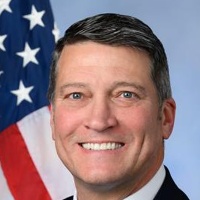
Ronny Jackson
Representative
TX
Ronny Jackson
Representative
TX
The Foreign Adversary Risk Management (FARM) Act strengthens national security by bringing U.S. agriculture and its supply chains under the oversight of the Committee on Foreign Investment in the United States (CFIUS). By adding the Secretary of Agriculture to the committee and classifying agricultural systems as critical infrastructure, the bill ensures foreign investments in the sector undergo rigorous security reviews. Additionally, the Act mandates annual reporting to Congress to monitor foreign influence, espionage, and potential threats to the U.S. agricultural industry.
The PARTS Act of 2025 amends the definition of "firearm silencer" and "firearm muffler" to include certain parts and devices used to diminish the sound of a firearm.
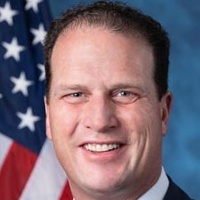
August Pfluger
Representative
TX
August Pfluger
Representative
TX
The "Protecting Americans Right To Silence Act of 2025" or the "PARTS Act of 2025" amends the definition of "firearm silencer" and "firearm muffler" under federal law. The updated definition includes any device designed to silence or muffle a portable firearm, whether attached directly or through other devices. It also includes the primary housing or structure for sound-reduction components of such devices.
The Reining In Federal Licensing Enforcement (RIFLE) Act of 2025 reforms federal firearms licensing by establishing graduated penalty structures, enhancing due process protections for dealers, and limiting the Attorney General's authority in enforcement and revocation proceedings.
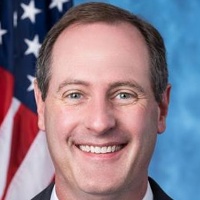
Tracey Mann
Representative
KS
Tracey Mann
Representative
KS
The Reining In Federal Licensing Enforcement (RIFLE) Act of 2025 reforms the federal firearms licensing system by establishing a graduated penalty structure that distinguishes between unintentional and willful violations. The bill mandates increased procedural protections for licensees, including expanded notice requirements, opportunities to cure violations, and the right to formal administrative hearings and judicial review. Additionally, it sets stricter standards for proving "willful" violations, provides a 90-day window for inventory liquidation upon license termination, and requires the Attorney General to establish formal, public standards for inspections and enforcement actions.
This bill prohibits federal funding for abortions and for health insurance plans that cover abortions, clarifies these prohibitions under the Affordable Care Act, and requires health plans to disclose the extent of their abortion coverage and any related surcharges.
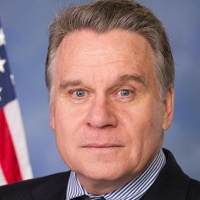
Christopher Smith
Representative
NJ
Christopher Smith
Representative
NJ
The "No Taxpayer Funding for Abortion and Abortion Insurance Full Disclosure Act of 2025" seeks to prohibit the use of federal funds for abortions and for health plans that cover abortions, while allowing individuals and entities to purchase separate abortion coverage with non-federal funds. It clarifies that premium tax credits and cost-sharing reductions under the Affordable Care Act (ACA) cannot be used for health plans that include abortion coverage. The Act also revises notice requirements for health plans, mandating clear disclosure of abortion coverage and any associated premium surcharges to enrollees. Exceptions to the funding restrictions are included for cases of rape, incest, or when the mother's life is in danger.
The Birthright Citizenship Act of 2025 limits automatic birthright citizenship to children born in the U.S. to at least one parent who is a U.S. citizen, a lawful permanent resident, or an alien serving in the U.S. armed forces.
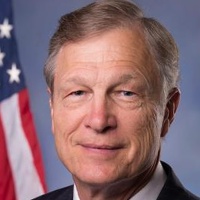
Brian Babin
Representative
TX
Brian Babin
Representative
TX
The Birthright Citizenship Act of 2025 proposes to limit automatic birthright citizenship to children born in the United States who have at least one parent who is a U.S. citizen, a lawful permanent resident, or an alien serving in the U.S. armed forces. This legislation would exclude children born to parents without legal status or those on temporary visas from receiving automatic citizenship. These changes would apply only to individuals born on or after the date of the Act's enactment.
The ALIGN Act permanently establishes 100 percent bonus depreciation for qualified business property, eliminating scheduled phase-downs to encourage long-term capital investment.
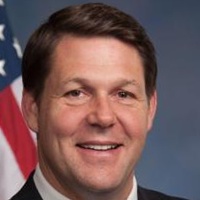
Jodey Arrington
Representative
TX
Jodey Arrington
Representative
TX
The ALIGN Act makes 100% "bonus depreciation" permanent for qualified business property, eliminating scheduled phase-downs to encourage long-term capital investment. By allowing businesses to fully expense these investments immediately, the bill provides a consistent tax incentive for growth. These changes apply retroactively to ensure stability for businesses that have invested in equipment and property since 2017.
This bill mandates the destruction of existing firearm transaction records from closed businesses and prohibits the ATF from collecting such records in the future.
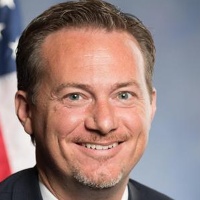
Michael Cloud
Representative
TX
Michael Cloud
Representative
TX
The "No Retaining Every Gun In a System That Restricts Your Rights Act" mandates the destruction of all firearm transaction records currently held by the ATF from discontinued businesses. Furthermore, it amends federal law to prohibit the future collection and transfer of these records to the government when a firearms business ceases operations. The bill also requires the ATF to submit a formal report to Congress confirming the number of records destroyed.
This bill mandates the implementation of the Migrant Protection Protocols, requiring the Secretary of Homeland Security to return qualifying noncitizens arriving from contiguous countries to Mexico or Canada during their immigration proceedings.
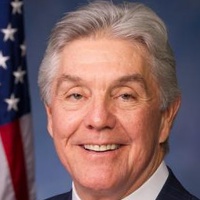
Roger Williams
Representative
TX
Roger Williams
Representative
TX
The Make the Migrant Protection Protocols Mandatory Act of 2025 amends the Immigration and Nationality Act to require, rather than permit, the return of certain noncitizens to Mexico or Canada while their immigration proceedings are pending. This legislation removes discretionary authority from the Department of Homeland Security, effectively mandating the implementation of the "Remain in Mexico" policy.
Affirms states' rights to defend against invasion, citing the influx of cartels and criminal elements across the southern border and criticizing the Biden administration's border security policies.
Jodey Arrington
Representative
TX
Jodey Arrington
Representative
TX
This bill asserts the constitutional right of states to defend themselves against invasion, citing the situation at the southern border from 2021-2024 as an invasion by cartels, terrorists, and criminal elements. It criticizes the Biden administration's border policies and claims the federal government failed to protect southern border states, thus empowering states to take defensive action.
The FAITH in Small Business Act codifies equal access for faith-based organizations to participate in Small Business Administration loan and disaster assistance programs.
Tracey Mann
Representative
KS
Tracey Mann
Representative
KS
The FAITH in Small Business Act codifies into law the Small Business Administration’s 2021 rule ensuring equal access to loan and disaster assistance programs for faith-based organizations. This legislation guarantees that these entities can participate in federal support programs without compromising their religious character or independence.
This bill increases the railroad track maintenance tax credit, introduces annual inflation adjustments, and extends the eligibility period for qualifying expenditures.
Mike Kelly
Representative
PA
Mike Kelly
Representative
PA
This bill amends the Internal Revenue Code to expand the railroad track maintenance credit by increasing the per-mile tax credit to $6,100 and implementing annual inflation adjustments starting in 2026. It also extends the eligibility window for qualifying maintenance expenditures to include costs incurred through 2023. These updates aim to provide greater financial support for ongoing railroad infrastructure improvements.
The SHOW UP Act of 2025 mandates that executive agencies revert to pre-pandemic telework policies and requires rigorous certification before any future expansion of remote work.

James Comer
Representative
KY
James Comer
Representative
KY
The SHOW UP Act of 2025 requires executive agencies to revert their telework policies to pre-pandemic levels by December 31, 2019. Any future expansion of telework must be supported by a comprehensive impact study and certified by the Office of Personnel Management to ensure it improves mission performance and reduces agency costs.
This bill mandates federal reimbursement for states that have spent over $2.5 billion on border security and enforcement efforts over the preceding decade.

Dan Crenshaw
Representative
TX
Dan Crenshaw
Representative
TX
The State Border Security Reimbursement Act of 2025 mandates that the federal government reimburse states for significant expenditures made on border security and enforcement. This legislation aims to alleviate the financial burden on states that have spent over $2.5 billion on these federal responsibilities over the preceding decade. Eligible states may apply for full reimbursement of these non-federally funded costs within a specified timeframe.
This bill reclassifies silencers under federal tax law, removes federal registration requirements for legally transferred silencers, preempts state taxation and registration of silencers in commerce, and mandates the destruction of existing federal silencer registration records.

Ben Cline
Representative
VA
Ben Cline
Representative
VA
The Hearing Protection Act aims to remove silencers from the purview of the National Firearms Act (NFA) by treating them similarly to standard firearms under federal tax law. This legislation preempts certain state and local taxes and registration requirements related to silencers involved in interstate commerce. Furthermore, the bill mandates the destruction of existing federal silencer registration records and updates federal marking requirements for manufacturers.