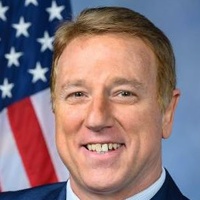
Legislative Activity
Track Pat's sponsored bills, co-sponsored legislation, and voting record
This resolution formally recognizes the 250th anniversary of the United States Marine Corps, honoring its legacy, service, and core values.
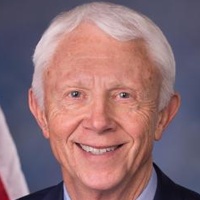
Jack Bergman
Representative
MI
Jack Bergman
Representative
MI
This resolution formally recognizes the upcoming 250th anniversary of the United States Marine Corps in 2025. Congress is honoring the Corps' long history, core values of honor, courage, and commitment, and its consistent readiness to defend the nation. The bill encourages the public to join in celebrating this significant milestone and acknowledging the service and sacrifice of all Marines.
The PHIT Act of 2025 allows taxpayers to deduct up to \$1,000 annually for qualified expenses related to physical fitness, gym memberships, and exercise instruction to promote healthier lifestyles.
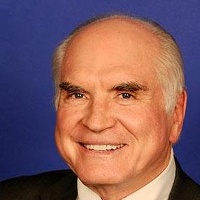
Mike Kelly
Representative
PA
Mike Kelly
Representative
PA
The Personal Health Investment Today Act of 2025 (PHIT Act) aims to improve public health by incentivizing healthier lifestyles, particularly to combat obesity. This bill allows taxpayers to treat certain qualified sports and fitness expenses, such as gym memberships and instruction fees, as deductible medical expenses. Deductions are capped annually at \$1,000 per individual or \$2,000 for joint filers.
This bill establishes national reciprocity for concealed carry permits, allowing individuals legally permitted to carry in their home state to carry a handgun in any other state that allows concealed carry.
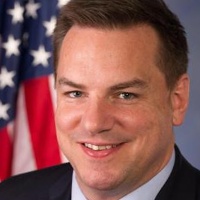
Richard Hudson
Representative
NC
Richard Hudson
Representative
NC
The Constitutional Concealed Carry Reciprocity Act of 2025 establishes a national standard for carrying concealed handguns across state lines. This act allows individuals legally permitted to carry in their home state to carry concealed in any other state that allows its residents to carry concealed firearms. The law does not override private property restrictions or prohibitions on government property, but it provides protections and legal recourse for those traveling in compliance with the new federal standard.
This act updates executive branch reorganization authority by expanding presidential objectives, redefining covered entities, removing certain restrictions, and extending the relevant deadlines to 2026.

James Comer
Representative
KY
James Comer
Representative
KY
The Reorganizing Government Act of 2025 updates the laws governing presidential executive reorganization plans. This bill expands the objectives for these plans to include reducing federal employees and eliminating burdensome regulations. It also extends the authority for the President to submit reorganization plans to Congress until the end of 2026.
The Air America Act of 2025 authorizes one-time monetary awards to former Air America employees or their survivors for service supporting the CIA between 1950 and 1976.
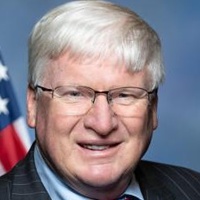
Glenn Grothman
Representative
WI
Glenn Grothman
Representative
WI
The Air America Act of 2025 recognizes the sacrifices of former Air America employees who served the U.S. Government between 1950 and 1976. This Act authorizes a one-time monetary award, up to $40,000 plus potential additional amounts, for qualifying service members or their survivors. The CIA Director is responsible for administering these payments, which are capped at a total of $60 million, and establishing the application procedures. Decisions made by the Director regarding these awards are final and not subject to judicial review.
The Major Richard Star Act ensures that military retirees with combat-related disabilities can concurrently receive their full military retirement pay and VA disability compensation without reduction.

Gus Bilirakis
Representative
FL
Gus Bilirakis
Representative
FL
The Major Richard Star Act ensures that military retirees with combat-related disabilities can receive both their military retirement pay and VA disability compensation concurrently without reduction. This law removes previous restrictions that caused military retirement pay to be offset by VA disability payments for these specific cases. The changes take effect on the first day of the month following the Act's enactment.
The Fair and Open Competition Act of 2025 prohibits the federal government from requiring or penalizing bidders or contractors on federally funded construction projects based on their agreement or non-agreement with labor unions.
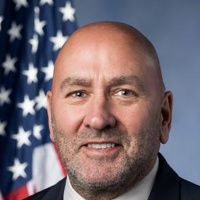
Clay Higgins
Representative
LA
Clay Higgins
Representative
LA
The Fair and Open Competition Act of 2025 ensures fair competition on federally funded construction projects by prohibiting the government from requiring or penalizing bidders based on union agreements. This legislation aims to keep federal agencies neutral in labor relations while promoting cost savings and opening opportunities for all businesses. Exceptions to this neutrality rule are strictly limited to specific public health, safety, or national security emergencies.
This bill grants U.S. Armed Forces members serving in Kenya, Mali, Burkina Faso, and Chad the same tax benefits as those serving in designated combat zones.
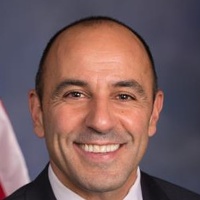
Jimmy Panetta
Representative
CA
Jimmy Panetta
Representative
CA
This bill extends combat zone tax benefits to members of the Armed Forces serving in Kenya, Mali, Burkina Faso, and Chad. It treats these locations as "qualified hazardous duty areas" for tax purposes, applying the same favorable rules used for official combat zones. This change impacts filing deadlines, income exclusions, and tax liability for service members in these specific regions.
This Act prevents the President and the Secretary of HHS from using emergency declarations to impose gun control measures and prohibits federal disaster rules from restricting the possession or transfer of firearms, ammunition, and related accessories.
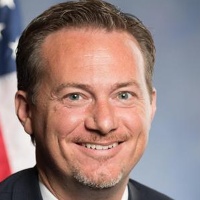
Michael Cloud
Representative
TX
Michael Cloud
Representative
TX
The Protecting the Right to Keep and Bear Arms Act of 2025 restricts the President and the Secretary of Health and Human Services from using emergency declarations to enact gun control measures. This bill specifically prevents the use of the National Emergencies Act and the Public Health Service Act for imposing new firearm restrictions. Furthermore, it amends disaster relief law to prohibit federal disaster declarations from banning the possession, sale, or transfer of firearms, ammunition, or related accessories.
This bill prohibits federal funding or support for research using human fetal tissue obtained from induced abortions while permitting research using tissue from miscarriages or stillbirths under updated guidelines.
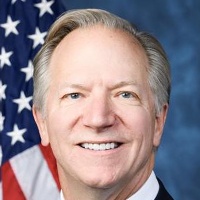
Robert Onder
Representative
MO
Robert Onder
Representative
MO
The Protecting Life and Integrity in Research Act of 2025 bans all federal funding or support for research utilizing human fetal tissue obtained specifically from an induced abortion. The bill permits federal research on tissue derived from miscarriages or stillbirths, provided it adheres to updated Public Health Service Act guidelines. Furthermore, it prohibits the solicitation or knowing acceptance of human fetal tissue donations if the donor knows the tissue resulted from an induced abortion or was procured for that purpose. This legislation also repeals an existing law concerning NIH revitalization.
This bill allows investors to defer taxes on capital gain dividends from mutual funds when those dividends are automatically reinvested until the shares are sold or the investor passes away.

Beth Van Duyne
Representative
TX
Beth Van Duyne
Representative
TX
This bill, the Generating Retirement Ownership through Long-Term Holding Act, allows individual investors to defer paying taxes on capital gain dividends from mutual funds if those dividends are automatically reinvested into more fund shares. Taxes on these deferred gains are only due when the investor sells the shares or upon death. This provision aims to encourage long-term investment in mutual funds by providing immediate tax relief on reinvested earnings.
Recognizes and honors National Board Certified Teachers for their positive impact on student learning and encourages support for the growth of new certified teachers.

Julia Letlow
Representative
LA
Julia Letlow
Representative
LA
This resolution recognizes and honors teachers who have achieved or maintained National Board Certification as of March 2025, acknowledging their positive impact on student learning and potential lifetime earnings. It encourages the growth of new National Board Certified Teachers by urging educators, administrators, school districts, and States to provide candidates with incentives and support.
This bill officially designates the United States Postal Service facility at 620 East Pecan Boulevard in McAllen, Texas, as the "Agent Raul H. Gonzalez Jr. Memorial Post Office Building."
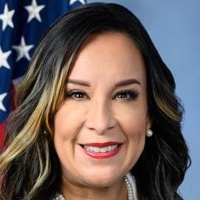
Mónica De La Cruz
Representative
TX
Mónica De La Cruz
Representative
TX
This bill officially designates the United States Postal Service facility located at 620 East Pecan Boulevard in McAllen, Texas, as the "Agent Raul H. Gonzalez Jr. Memorial Post Office Building." The legislation ensures that all official records and documents reflect this new memorial name for the building.
This bill authorizes the posthumous presentation of a Congressional Gold Medal to James Earl Jones, honoring his contributions to the United States and his work promoting inclusion in film and theatre.
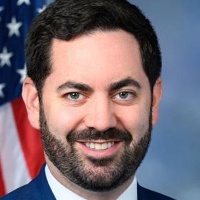
Michael Lawler
Representative
NY
Michael Lawler
Representative
NY
The James Earl Jones Congressional Gold Medal Act directs the Speaker of the House and the President pro tempore of the Senate to arrange for the posthumous presentation of a Congressional Gold Medal to James Earl Jones, honoring his contributions to the United States and his work promoting inclusion in film and theatre. The Secretary of the Treasury will create the gold medal, and bronze duplicates will be made available for sale to the public.
The CRUDE Act modifies the conditions for restricting crude oil exports, requiring a joint report from multiple secretaries to the President and Congress, a presidential declaration of a national emergency, and formal notification in the Federal Register to trigger export restrictions.
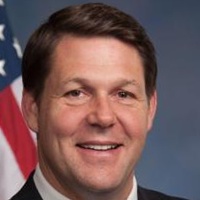
Jodey Arrington
Representative
TX
Jodey Arrington
Representative
TX
The CRUDE Act amends existing legislation to change the conditions under which crude oil exports can be restricted. It requires a joint report from the Secretaries of Defense, Energy, and Commerce to the President and Congress demonstrating that crude oil exports have caused sustained supply shortages, price increases, and adverse employment effects in the U.S. Only after this report and a presidential declaration of a national emergency can export restrictions be triggered.
Censures Representative Al Green for disrupting President Trump's address to Congress, violating decorum, and bringing disrepute to the House.
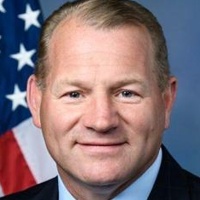
Troy Nehls
Representative
TX
Troy Nehls
Representative
TX
This resolution censures Representative Al Green for disrupting President Trump's address to Congress, violating decorum, and bringing disrepute to the House. It mandates that Representative Green present himself to the House for a public reading of the censure resolution by the Speaker.
The "Federal Firearms Licensee Protection Act of 2025" increases penalties for stealing firearms from licensed dealers, manufacturers, or importers, especially during burglaries or robberies, and clarifies related definitions.
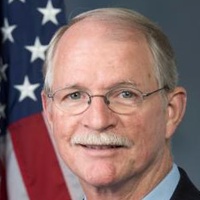
John Rutherford
Representative
FL
John Rutherford
Representative
FL
The "Federal Firearms Licensee Protection Act of 2025" increases penalties for stealing firearms from licensed dealers. It sets stricter punishments, including up to 20 years in prison, for violating laws related to firearm theft. The act also mandates minimum prison sentences of 3 years for burglaries and 5 years for robberies targeting licensed firearm businesses.
The "Justice for Vaccine Injured Veterans Act of 2025" presumes service-connection for specific diseases, like myocarditis and Guillain-Barre Syndrome, in veterans who received a COVID-19 vaccine during the DoD mandate period, entitling them to VA benefits.
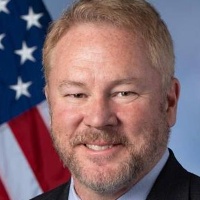
Warren Davidson
Representative
OH
Warren Davidson
Representative
OH
The Justice for Vaccine Injured Veterans Act of 2025 presumes service-connection for certain diseases, such as myocarditis and Guillain-Barre Syndrome, for veterans who were required to receive a COVID-19 vaccine between August 24, 2021, and January 10, 2023. It also requires the Secretary of Veterans Affairs to track and report on compensation claims related to COVID-19 vaccines and make these reports publicly available.
This bill requires covered agencies to more thoroughly consider and justify the impact of their regulations on small businesses, including potential credit costs, and explain why the size and resources of these entities should not influence the rule if alternatives aren't adopted.
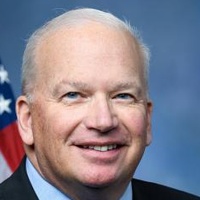
Scott Fitzgerald
Representative
WI
Scott Fitzgerald
Representative
WI
The "Making the CFPB Accountable to Small Businesses Act of 2025" requires covered agencies to consider the impact of proposed rules on small entities and provide detailed justifications if alternatives aren't adopted. It also requires agencies to describe steps taken to minimize credit costs for small entities.
This resolution condemns the Iranian regime’s terrorism and human rights abuses while affirming support for the Iranian people’s right to establish a democratic, secular, and non-nuclear republic.
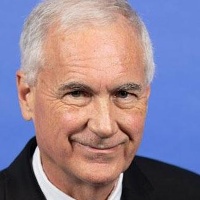
Tom McClintock
Representative
CA
Tom McClintock
Representative
CA
This resolution condemns the Iranian regime for its ongoing human rights abuses, state-sponsored terrorism, and regional instability. It expresses strong support for the Iranian people's struggle for a democratic, secular, and non-nuclear republic. Furthermore, the bill advocates for international accountability for the regime's crimes and calls for the protection of Iranian political refugees.