Legislative Activity
Track Jake's sponsored bills, co-sponsored legislation, and voting record
This Act authorizes the Secretary of the Interior to adjust the boundaries of Big Bend National Park by acquiring approximately 6,100 acres through donation or exchange only.
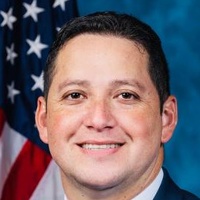
Ernest Gonzales
Representative
TX
Ernest Gonzales
Representative
TX
This Act officially authorizes the adjustment of the boundaries for Big Bend National Park. The Secretary of the Interior is permitted to acquire approximately 6,100 acres of land or rights through donation or exchange to expand the park. Crucially, this expansion explicitly prohibits the use of eminent domain to secure the additional property.
This bill establishes national reciprocity for concealed carry permits, allowing individuals legally permitted to carry in their home state to carry a handgun in any other state that allows concealed carry.
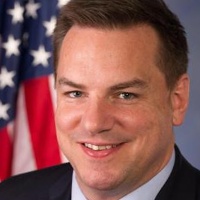
Richard Hudson
Representative
NC
Richard Hudson
Representative
NC
The Constitutional Concealed Carry Reciprocity Act of 2025 establishes a national standard for carrying concealed handguns across state lines. This act allows individuals legally permitted to carry in their home state to carry concealed in any other state that allows its residents to carry concealed firearms. The law does not override private property restrictions or prohibitions on government property, but it provides protections and legal recourse for those traveling in compliance with the new federal standard.
This act establishes a grant program to reimburse eligible U.S. communities within 200 miles of the U.S.-Mexico border for security-related costs, provided they are not designated as "sanctuary jurisdictions."
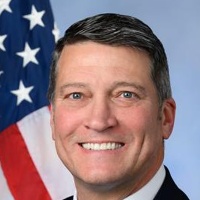
Ronny Jackson
Representative
TX
Ronny Jackson
Representative
TX
The Reimbursing Border Communities Act of 2025 establishes a grant program to help local governments within 200 miles of the U.S.-Mexico border cover specific security-related costs. To qualify, communities cannot be designated as "sanctuary jurisdictions" that limit cooperation with federal immigration enforcement. Grants are capped at $500,000 per year and strictly prohibit funding for non-citizen basic needs or legal representation.
The HELPER Act of 2025 establishes a new FHA mortgage insurance program offering 100% financing with an upfront premium and no monthly premiums for eligible first responders, educators, and law enforcement officers.
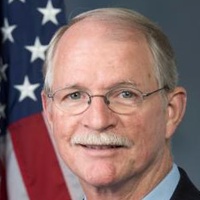
John Rutherford
Representative
FL
John Rutherford
Representative
FL
The HELPER Act of 2025 establishes a new FHA mortgage insurance program to assist first responders, educators, and law enforcement officers in purchasing homes. This program offers eligible first-time homebuyers 100% financing with no down payment required. Instead of monthly premiums, borrowers pay an upfront FHA insurance premium at closing.
This act establishes a mandatory, value-based case rate payment system for Medicare radiation oncology services to incentivize quality care and cost efficiency while protecting patient access and offering transportation assistance.
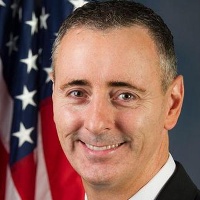
Brian Fitzpatrick
Representative
PA
Brian Fitzpatrick
Representative
PA
The Radiation Oncology Case Rate Value Based Program Act of 2025 establishes a new Medicare payment system that pays providers a single, set rate for an entire episode of radiation therapy care, rather than paying for individual services. This program aims to incentivize high-quality, efficient care while achieving cost savings for Medicare. It also includes specific provisions to support patient access, such as a health equity bonus for addressing transportation insecurity. Finally, the bill exempts the savings generated by this new payment structure from standard Medicare budget neutrality adjustments.
This bill reauthorizes funding for children's hospital graduate medical education programs through 2030 while restricting payments to hospitals that provide certain gender-affirming surgeries and medications to minors.
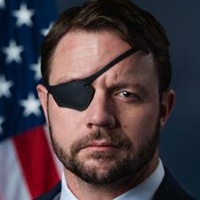
Dan Crenshaw
Representative
TX
Dan Crenshaw
Representative
TX
The Children’s Hospital GME Support Reauthorization Act of 2025 extends critical federal funding for graduate medical education programs at children's hospitals through fiscal year 2030. The bill increases annual funding allocations for the program during this extension period. Notably, it introduces a new restriction that prohibits payments to hospitals that provided certain gender-affirming surgeries and high-dose hormone treatments to minors in the preceding year, with specific exceptions for emergency care and treatment of certain medical conditions.
This bill prohibits federal funding or support for research using human fetal tissue obtained from induced abortions while permitting research using tissue from miscarriages or stillbirths under updated guidelines.
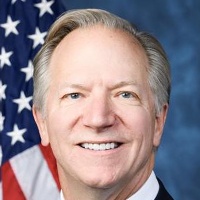
Robert Onder
Representative
MO
Robert Onder
Representative
MO
The Protecting Life and Integrity in Research Act of 2025 bans all federal funding or support for research utilizing human fetal tissue obtained specifically from an induced abortion. The bill permits federal research on tissue derived from miscarriages or stillbirths, provided it adheres to updated Public Health Service Act guidelines. Furthermore, it prohibits the solicitation or knowing acceptance of human fetal tissue donations if the donor knows the tissue resulted from an induced abortion or was procured for that purpose. This legislation also repeals an existing law concerning NIH revitalization.
This bill allows investors to defer taxes on capital gain dividends from mutual funds when those dividends are automatically reinvested until the shares are sold or the investor passes away.
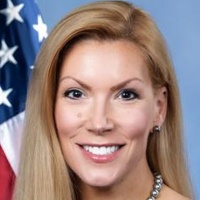
Beth Van Duyne
Representative
TX
Beth Van Duyne
Representative
TX
This bill, the Generating Retirement Ownership through Long-Term Holding Act, allows individual investors to defer paying taxes on capital gain dividends from mutual funds if those dividends are automatically reinvested into more fund shares. Taxes on these deferred gains are only due when the investor sells the shares or upon death. This provision aims to encourage long-term investment in mutual funds by providing immediate tax relief on reinvested earnings.
This bill officially designates the United States Postal Service facility at 620 East Pecan Boulevard in McAllen, Texas, as the "Agent Raul H. Gonzalez Jr. Memorial Post Office Building."
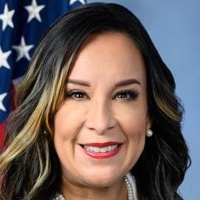
Mónica De La Cruz
Representative
TX
Mónica De La Cruz
Representative
TX
This bill officially designates the United States Postal Service facility located at 620 East Pecan Boulevard in McAllen, Texas, as the "Agent Raul H. Gonzalez Jr. Memorial Post Office Building." The legislation ensures that all official records and documents reflect this new memorial name for the building.
Censures Representative Al Green for disrupting President Trump's address to Congress, violating decorum, and bringing disrepute to the House.
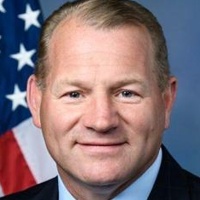
Troy Nehls
Representative
TX
Troy Nehls
Representative
TX
This resolution censures Representative Al Green for disrupting President Trump's address to Congress, violating decorum, and bringing disrepute to the House. It mandates that Representative Green present himself to the House for a public reading of the censure resolution by the Speaker.
This resolution expresses formal condolences to the families and loved ones of the 67 victims of the January 2025 collision between American Eagle Flight 5342 and a U.S. Army flight, while honoring the victims and commending the first responders.
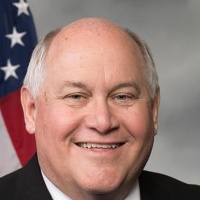
Ron Estes
Representative
KS
Ron Estes
Representative
KS
This resolution expresses the House of Representatives' deepest condolences to the families and loved ones of the 67 individuals who lost their lives in the January 29, 2025, collision of American Eagle Flight 5342 and a U.S. Army flight. It honors the victims, many of whom had strong ties to Wichita, Kansas, and commends the heroic efforts of the first responders and emergency personnel who managed the recovery.
The "Federal Firearms Licensee Protection Act of 2025" increases penalties for stealing firearms from licensed dealers, manufacturers, or importers, especially during burglaries or robberies, and clarifies related definitions.
John Rutherford
Representative
FL
John Rutherford
Representative
FL
The "Federal Firearms Licensee Protection Act of 2025" increases penalties for stealing firearms from licensed dealers. It sets stricter punishments, including up to 20 years in prison, for violating laws related to firearm theft. The act also mandates minimum prison sentences of 3 years for burglaries and 5 years for robberies targeting licensed firearm businesses.
The "Roberto Clemente Commemorative Coin Act" directs the Treasury to mint coins in 2027 honoring Roberto Clemente, with surcharges benefiting the Roberto Clemente Foundation.
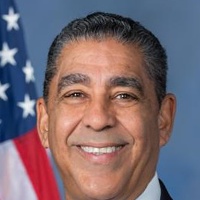
Adriano Espaillat
Representative
NY
Adriano Espaillat
Representative
NY
The Roberto Clemente Commemorative Coin Act directs the Department of Treasury to mint and issue gold, silver, and half-dollar coins in 2027 to commemorate the life and legacy of Roberto Clemente. The coins' designs will represent Clemente's life, including his baseball achievements and humanitarian work. Surcharges from the coin sales will benefit the Roberto Clemente Foundation, supporting their educational programs, youth sports initiatives, disaster relief efforts, and historic preservation projects. The Act ensures that the coin program will not incur any net cost to the United States government.
This resolution condemns the Iranian regime’s terrorism and human rights abuses while affirming support for the Iranian people’s right to establish a democratic, secular, and non-nuclear republic.
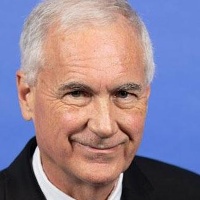
Tom McClintock
Representative
CA
Tom McClintock
Representative
CA
This resolution condemns the Iranian regime for its ongoing human rights abuses, state-sponsored terrorism, and regional instability. It expresses strong support for the Iranian people's struggle for a democratic, secular, and non-nuclear republic. Furthermore, the bill advocates for international accountability for the regime's crimes and calls for the protection of Iranian political refugees.
To award a Congressional Gold Medal to the 761st Tank Battalion, the first Black soldiers to serve in an American armored unit, for their valor and crucial contributions to the Allied victory in Europe.
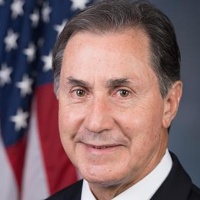
Gary Palmer
Representative
AL
Gary Palmer
Representative
AL
This bill authorizes the Speaker of the House and the President pro tempore of the Senate to award a Congressional Gold Medal to the 761st Tank Battalion, also known as the "Black Panthers," in recognition of their courageous service and crucial contributions during World War II. The medal will be given to the National Museum of African American History and Culture for display, honoring the 761st as the first Black soldiers to serve in an American armored unit and their significant role in the Allied victory in Europe. The bill also allows for the creation and sale of bronze duplicates of the medal to support the United States Mint Public Enterprise Fund.
This bill adds the Secretary of Agriculture to the Committee on Foreign Investment in the United States (CFIUS) and requires CFIUS to review agricultural land transactions, especially those involving entities from China, North Korea, Russia, or Iran.
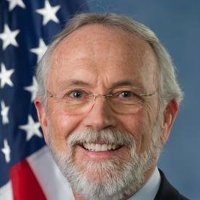
Dan Newhouse
Representative
WA
Dan Newhouse
Representative
WA
The "Protecting American Agriculture from Foreign Adversaries Act of 2025" adds the Secretary of Agriculture to the Committee on Foreign Investment in the United States (CFIUS) for agricultural matters. It mandates CFIUS review of agricultural land transactions, particularly those involving entities from China, North Korea, Russia, or Iran, to safeguard American agriculture. This ensures scrutiny of foreign investments in agricultural land and related industries, addressing potential threats to national security. The requirements for a specific country will end if that country is removed from the list of foreign adversaries in section 791.4 of title 15, Code of Federal Regulations.
Prohibits the purchase of real estate near U.S. federal lands by agents or businesses associated with the government of the People's Republic of China with 25% or more equity interest.
Dan Newhouse
Representative
WA
Dan Newhouse
Representative
WA
The "No American Land for Communist China Act" prohibits the President from allowing individuals or entities associated with the Chinese government from purchasing real estate near covered federal lands. Covered lands include those managed by the Departments of Interior, Defense, Agriculture (Forest Service), and Energy, as well as Indian country. This restriction applies to entities with at least 25% equity interest held by Chinese government-affiliated individuals or businesses. The Act defines "United States" broadly to include states, territories, and other U.S. possessions.
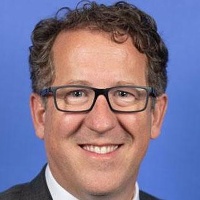
This bill authorizes the creation of a Congressional Gold Medal to honor the volunteers and communities involved with the North Platte Canteen during World War II.
Adrian Smith
Representative
NE
Adrian Smith
Representative
NE
The North Platte Canteen Congressional Gold Medal Act recognizes and honors the volunteers and donors of the North Platte Canteen in Nebraska during World War II with a Congressional Gold Medal. This medal will be presented by the Speaker of the House and the President pro tempore of the Senate, and then displayed at the Lincoln County Historical Museum. The Act also authorizes the creation and sale of bronze duplicates of the gold medal to cover production costs, with proceeds deposited into the Mint's Public Enterprise Fund.
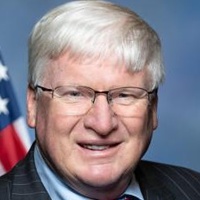
Prohibits the EPA from using its Integrated Risk Information System program to create regulations, carry out enforcement, or inform air toxics assessments.
Glenn Grothman
Representative
WI
Glenn Grothman
Representative
WI
The "No Industrial Restrictions in Secret Act of 2025" or "No IRIS Act of 2025" prevents the EPA Administrator from utilizing assessments produced by the EPA's Integrated Risk Information System program. This prohibition extends to developing regulations, enforcement actions, permitting, and informing air toxics assessments.
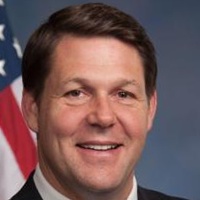
The "ELITE Vehicles Act" repeals tax credits for clean vehicles, previously-owned clean vehicles, and qualified commercial clean vehicles, and removes electric vehicle charging stations from eligibility for the alternative fuel vehicle refueling property credit.
Jodey Arrington
Representative
TX
Jodey Arrington
Representative
TX
The "Eliminate Lavish Incentives To Electric Vehicles Act" repeals tax credits for new and used clean vehicles, as well as for qualified commercial clean vehicles. It also removes electric vehicle charging stations from eligibility for the alternative fuel vehicle refueling property credit. These changes would take effect 30 days after the enactment of the Act.