Legislative Activity
Track Maxine's sponsored bills, co-sponsored legislation, and voting record
This bill prohibits the use of federal funds to implement Executive Order 14160, which sought to limit birthright citizenship guaranteed by the Fourteenth Amendment.
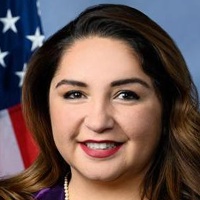
Delia Ramirez
Representative
IL
Delia Ramirez
Representative
IL
The Born in the USA Act of 2025 declares that Executive Order 14160, which attempted to restrict birthright citizenship, is unconstitutional and contrary to the 14th Amendment. This Act prohibits the use of any federal funds to implement or enforce that Executive Order. It affirms the established constitutional right to birthright citizenship for nearly everyone born on U.S. soil.
This Act prohibits the advertising and provision of paid conversion therapy intended to change an individual's sexual orientation or gender identity, empowering the FTC and State Attorneys General to enforce these prohibitions.
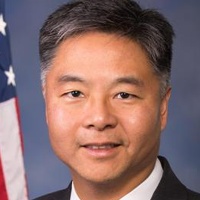
Ted Lieu
Representative
CA
Ted Lieu
Representative
CA
The Therapeutic Fraud Prevention Act of 2025 declares that practices attempting to change an individual's sexual orientation or gender identity for payment constitute an unfair and deceptive business practice. Citing professional consensus on the ineffectiveness and harm of such "conversion therapy," the bill prohibits its provision and advertising. Enforcement authority is granted to the Federal Trade Commission (FTC), and the law allows both the U.S. Attorney General and State Attorneys General to file civil actions against violators.
The VA Employee Fairness Act of 2025 streamlines collective bargaining rules for Veterans Health Administration employees by modifying existing statutes while preserving the Secretary's authority regarding incentive pay and expedited hiring.
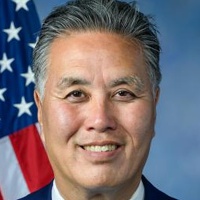
Mark Takano
Representative
CA
Mark Takano
Representative
CA
The VA Employee Fairness Act of 2025 modifies the collective bargaining rules for employees of the Veterans Health Administration (VHA) by streamlining existing statutes. This act removes outdated subsections related to bargaining and renumbers the remaining relevant section. Importantly, these changes do not affect the Secretary of Veterans Affairs' existing authority regarding incentive pay or expedited hiring processes.
This act establishes research grants and training programs to develop and implement PFAS-free, next-generation turnout gear to protect firefighters from occupational illness and injury.

Debbie Dingell
Representative
MI
Debbie Dingell
Representative
MI
The PFAS Alternatives Act aims to protect firefighters by funding research and development for next-generation turnout gear that eliminates harmful PFAS chemicals. The bill establishes grants through NIOSH to create safer, PFAS-free protective equipment and separate funding for training programs on the proper care of this new gear. Ultimately, this legislation seeks to reduce occupational illness and injury among fire and EMS personnel.
This bill bans the manufacture, sale, and transfer of specific semiautomatic assault weapons and large-capacity ammunition feeding devices while grandfathering existing possessions and establishing new transfer requirements.
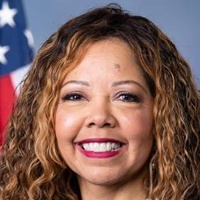
Lucy McBath
Representative
GA
Lucy McBath
Representative
GA
The Assault Weapons Ban of 2025 comprehensively defines and bans the manufacture, sale, and transfer of specific semiautomatic assault weapons and large capacity ammunition feeding devices. The bill grandfathers existing weapons but imposes new requirements for their secure storage and mandates dealer involvement for future private transfers. It also allows federal grant money to be used by states for buy-back programs targeting these banned items.
The Better CARE for Animals Act of 2025 strengthens the enforcement of the Animal Welfare Act by expanding investigative authority, establishing new civil penalties up to \$10,000 per day, and explicitly granting the Attorney General power to file civil actions, including seeking seizure and forfeiture of animals.
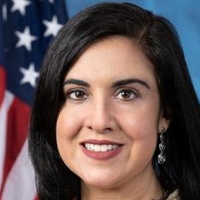
Nicole Malliotakis
Representative
NY
Nicole Malliotakis
Representative
NY
The Better CARE for Animals Act of 2025 significantly strengthens enforcement of the Animal Welfare Act by clarifying definitions and expanding the scope of investigations. It grants the Attorney General explicit authority to file civil actions seeking penalties up to $10,000 per day, and mandates that collected fines help cover temporary animal care costs. The bill also requires the Secretary of Agriculture and the Attorney General to establish a formal agreement for coordinated enforcement.
This resolution recognizes the 50th anniversary of the Fall of Saigon, honoring the history, service, and contributions of Vietnamese Americans while reaffirming U.S. commitment to democracy and human rights.
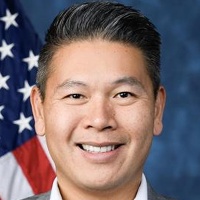
Derek Tran
Representative
CA
Derek Tran
Representative
CA
This resolution commemorates the 50th anniversary of the Fall of Saigon and recognizes the profound contributions of Vietnamese Americans to the United States. It honors those who fled the communist regime after April 30, 1975, and reaffirms American commitment to democracy and human rights. The bill encourages all citizens to observe this anniversary and remember the sacrifices made in the pursuit of freedom.
The Equality Act comprehensively prohibits discrimination based on sex, sexual orientation, and gender identity across key areas including public accommodations, employment, housing, credit, and jury service.
Mark Takano
Representative
CA
Mark Takano
Representative
CA
The Equality Act comprehensively expands federal civil rights protections against discrimination based on sex, sexual orientation, and gender identity across key areas of American life. It amends existing laws to prohibit discrimination in public accommodations, housing, credit, employment, and federal funding. The purpose of the bill is to provide consistent, explicit, and comprehensive remedies for individuals facing bias in these essential sectors.
This bill establishes a universal, comprehensive national health insurance program called "Medicare for All" that eliminates patient cost-sharing and transitions the nation away from private insurance duplication.
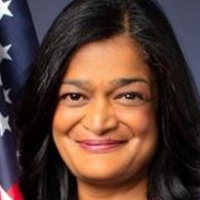
Pramila Jayapal
Representative
WA
Pramila Jayapal
Representative
WA
The Medicare for All Act establishes a universal, nationwide health insurance program providing comprehensive coverage for all U.S. residents with no out-of-pocket costs. It fundamentally restructures healthcare financing by implementing global budgets for institutions and a new fee schedule for individuals, while phasing out existing federal programs like Medicare and Medicaid. The legislation also sets strict quality standards for providers and creates a dedicated Trust Fund to manage the system's finances.
This bill repeals the Arctic National Wildlife Refuge oil and gas program and designates over 1.5 million acres of the refuge as protected wilderness.
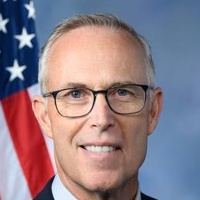
Jared Huffman
Representative
CA
Jared Huffman
Representative
CA
The Arctic Refuge Protection Act officially repeals the previous law authorizing oil and gas leasing in the Arctic National Wildlife Refuge. This legislation simultaneously designates approximately 1.56 million acres within the Refuge as protected wilderness under the National Wilderness Preservation System. The Secretary of the Interior is now required to manage this newly designated land according to strict wilderness preservation standards.
This Act authorizes the President to impose sanctions, including asset freezes and visa bans, on foreign individuals involved in violence, property destruction, or displacement in the West Bank.
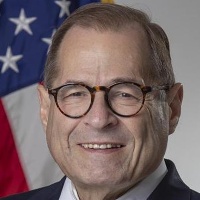
Jerrold Nadler
Representative
NY
Jerrold Nadler
Representative
NY
The West Bank Violence Prevention Act of 2025 declares extreme settler violence and displacement in the West Bank a threat to U.S. national security interests. This Act mandates the President to impose sanctions, including asset freezes and visa bans, on foreign individuals responsible for undermining peace and stability in the region. The Treasury Department must report to Congress on the implementation of these sanctions every 90 days.
This bill limits the Social Security Administration's recovery of benefit overpayments to a maximum of 10 percent of a monthly benefit unless the recipient agrees to a higher withholding rate.
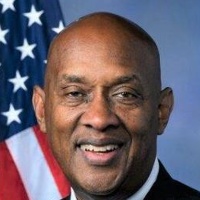
Dwight Evans
Representative
PA
Dwight Evans
Representative
PA
This bill amends the Social Security Act to limit the amount the Social Security Administration can withhold from a person's monthly benefit to recover an overpayment. Unless the individual agrees to a higher rate, the SSA can withhold no more than 10 percent of a monthly benefit payment to recoup accidental overpayments. This new limit applies to existing and future unrecovered overpayments under Title II benefits.
This bill increases the authorized funding for comprehensive service programs aimed at assisting homeless veterans through fiscal year 2024 and sets a specific funding level for 2025.
Delia Ramirez
Representative
IL
Delia Ramirez
Representative
IL
This bill aims to strengthen support for homeless veterans by increasing the authorization of appropriations for comprehensive service programs. It extends the funding authorization through fiscal year 2024 and sets a specific funding target of \$350 million for fiscal year 2025. Moving forward, the bill authorizes necessary funding for these vital services indefinitely.
This Act permanently prohibits new oil and gas exploration, development, and production on the Outer Continental Shelf off the coasts of California, Oregon, and Washington.
Jared Huffman
Representative
CA
Jared Huffman
Representative
CA
The West Coast Ocean Protection Act of 2025 permanently prohibits all new oil and gas exploration, development, and production on the Outer Continental Shelf off the coasts of California, Oregon, and Washington. This legislation specifically bans the Secretary of the Interior from issuing any new leases or permissions for drilling activities in designated planning areas. The goal is to secure long-term protection for these vital West Coast marine environments.
The Vote at Home Act of 2025 mandates that states mail federal election ballots to all registered voters two weeks before the election, provides free postage for these ballots, and establishes automatic voter registration through motor vehicle departments.
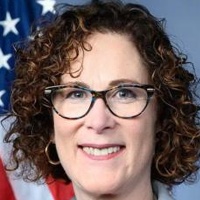
Valerie Hoyle
Representative
OR
Valerie Hoyle
Representative
OR
The Vote at Home Act of 2025 aims to expand access to federal elections by mandating that states mail ballots to all registered voters two weeks before election day and provide free return postage. It also modernizes voter registration by requiring motor vehicle departments to streamline registration forms and automatically register eligible citizens who provide proof of citizenship when obtaining or renewing a driver's license. These provisions are intended to increase voter turnout, reduce in-person lines, and lower administrative costs.
The SOAR Act of 2025 reforms Medicare oxygen benefits by removing competitive bidding, establishing specific supplier responsibilities, enhancing fraud protection through electronic documentation, and enshrining patient rights for supplemental oxygen recipients.
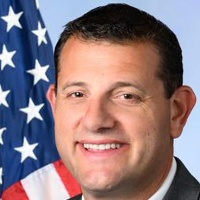
David Valadao
Representative
CA
David Valadao
Representative
CA
The SOAR Act of 2025 aims to significantly reform Medicare access to supplemental oxygen by removing it from the competitive bidding program and establishing new payment rates. The bill also mandates clearer documentation requirements for medical necessity using electronic templates and restores clinical judgment in claim audits. Finally, it establishes specific rights for oxygen beneficiaries and improves reimbursement for respiratory therapists.
This bill establishes the American Family Act, which revamps the Child Tax Credit into a system of refundable monthly advance payments for qualifying children and a separate credit for other dependents.
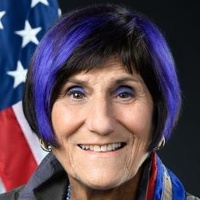
Rosa DeLauro
Representative
CT
Rosa DeLauro
Representative
CT
The American Family Act fundamentally overhauls the Child Tax Credit by replacing the annual lump sum with a system of advance, refundable monthly payments delivered directly to families. These monthly allowances vary based on the child's age, with higher amounts provided for younger children. The bill also establishes a separate, smaller credit for other dependents and outlines procedures for annual renewal and reconciliation of advance payments when filing taxes.
This resolution urges the United States to lead global efforts to halt the nuclear arms race, reduce existing stockpiles, and implement verifiable measures to prevent nuclear war.
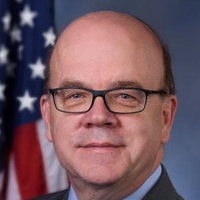
James McGovern
Representative
MA
James McGovern
Representative
MA
This resolution urges the United States to immediately prioritize global nuclear disarmament and lead the world back from the brink of nuclear war. It calls on the President to negotiate verifiable arms reduction treaties with all nuclear states to halt the arms race and prevent catastrophic conflict. Key actions include renouncing "first use," ending hair-trigger alert postures, and ceasing the development of new nuclear weapons. Furthermore, the bill demands comprehensive support, cleanup, and economic transition planning for communities and workers affected by past and present nuclear activities.
This act bans bump stocks and similar devices that increase the firing rate of semi-automatic firearms, requiring registration for any previously modified weapons.
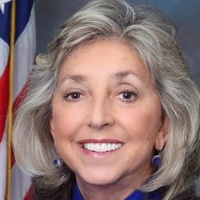
Dina Titus
Representative
NV
Dina Titus
Representative
NV
The Closing the Bump Stock Loophole Act of 2025 seeks to amend federal gun laws by banning devices and modifications that significantly increase the rate of fire of semiautomatic firearms, effectively treating them like machineguns. The bill specifically prohibits the manufacture, sale, or possession of such accessories and modified firearms after 120 days of enactment. Existing owners of previously modified firearms must register them under the National Firearms Act within that same timeframe to legally keep them.
This bill prevents Congress from using the reconciliation process to cut funding or eligibility for Medicaid and SNAP until January 20, 2029.
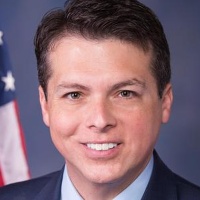
Brendan Boyle
Representative
PA
Brendan Boyle
Representative
PA
The Hands Off Medicaid and SNAP Act of 2025 prevents Congress from using the budget reconciliation process to cut funding or eligibility for Medicaid and the Supplemental Nutrition Assistance Program (SNAP). This protection establishes a significant procedural roadblock against reducing benefits for these essential social programs. However, this restriction is temporary and is set to expire on January 20, 2029.