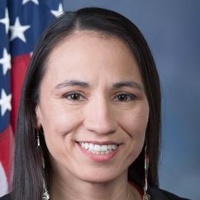
Legislative Activity
Track Sharice's sponsored bills, co-sponsored legislation, and voting record
This bill allows qualifying family caregivers to make additional catch-up contributions to retirement accounts and permits unpaid caregivers to contribute to Roth IRAs up to the standard earned income limit.
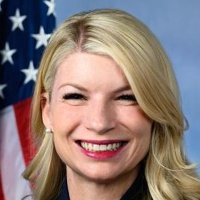
Brittany Pettersen
Representative
CO
Brittany Pettersen
Representative
CO
The Improving Retirement Security for Family Caregivers Act of 2026 aims to bolster retirement savings for individuals providing unpaid care to family members with impairments. It allows qualifying family caregivers to make significant additional catch-up contributions to their 401(k)s and IRAs beyond standard limits. Furthermore, the bill permits certain unpaid caregivers to contribute to Roth IRAs as if they had earned income.
This bill establishes the American Cowboy Commemorative Commission to plan and execute nationwide activities celebrating the cultural and historical legacy of the American cowboy in honor of the Nation's 250th anniversary.
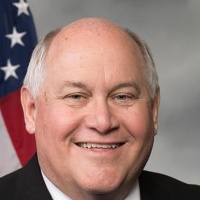
Ron Estes
Representative
KS
Ron Estes
Representative
KS
This bill establishes the American Cowboy Commemorative Commission to honor the historical and cultural contributions of the American cowboy and historic cattle trails. The Commission is tasked with planning and coordinating nationwide activities to celebrate this legacy in conjunction with the Nation’s 250th anniversary. Through these efforts, the legislation seeks to recognize the vital role cowboys played in shaping American history.
This resolution supports the goals and ideals of International Transgender Day of Visibility by celebrating the achievements of the transgender community and recognizing their ongoing fight for equality and dignity.

Sara Jacobs
Representative
CA
Sara Jacobs
Representative
CA
This resolution formally recognizes International Transgender Day of Visibility to celebrate the achievements and bravery of the transgender community. It highlights the ongoing challenges of discrimination and legislative threats faced by transgender individuals while honoring their significant historical and contemporary contributions to society. The bill encourages all Americans to observe the day and reaffirms a commitment to the fight for equal dignity and respect.
This bill establishes new federal tax credits for the production of and capital investment in facilities that manufacture qualified renewable materials from biomass.
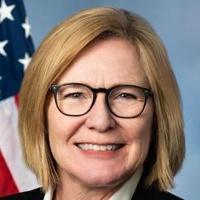
Michelle Fischbach
Representative
MN
Michelle Fischbach
Representative
MN
This bill amends the Internal Revenue Code to incentivize the domestic production of and investment in biobased renewable materials. It establishes a production tax credit of 10 cents per pound for qualified materials and a 30 percent investment tax credit for facilities dedicated to their manufacture. These measures aim to support sustainable supply chains by providing financial support for non-fuel, non-food biomass conversion projects.
This resolution supports the designation of 2026 as the "International Year of Rangelands and Pastoralists" to honor the economic, ecological, and cultural importance of rangelands and the stewards who manage them.
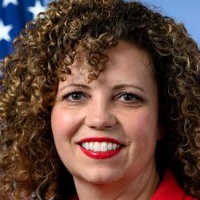
Celeste Maloy
Representative
UT
Celeste Maloy
Representative
UT
This resolution supports the United Nations' designation of 2026 as the "International Year of Rangelands and Pastoralists." It recognizes the vital economic, social, and ecological contributions of American rangelands and the dedicated land managers who steward them. Furthermore, it encourages national efforts to promote education, research, and sustainable management practices for these essential landscapes.
The Fertilizer Transparency Act of 2026 mandates weekly price and quantity reporting for fertilizer manufacturers and wholesalers to provide farmers with greater market transparency through a public USDA dashboard.
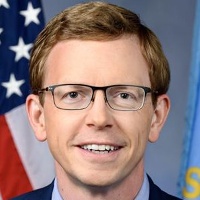
Dusty Johnson
Representative
SD
Dusty Johnson
Representative
SD
The Fertilizer Transparency Act of 2026 mandates weekly price and quantity reporting for fertilizer manufacturers and wholesalers to increase market transparency for farmers. The bill also establishes a public dashboard to track these reports alongside new weekly retail price surveys conducted by the USDA. These measures aim to provide clearer market data while protecting confidential business information and maintaining existing antitrust oversight.
The Native American Housing Assistance and Self-Determination Modernization Act of 2026 streamlines environmental reviews, reauthorizes critical housing funding, and expands support for tribal homeownership, veteran assistance, and infrastructure development.
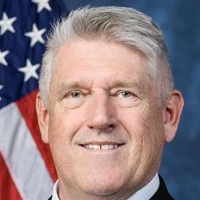
Troy Downing
Representative
MT
Troy Downing
Representative
MT
The Native American Housing Assistance and Self-Determination Modernization Act of 2026 streamlines federal housing programs to better support tribal communities. The bill simplifies environmental review processes, expands homeownership and rental assistance opportunities, and reauthorizes critical funding through 2032. Additionally, it enhances tribal authority over housing management, improves access to loan guarantees, and establishes new support programs for homeless or at-risk Native American veterans.
The Supersonic Aviation Modernization Act directs the FAA to establish regulatory frameworks for civil supersonic flight over the United States, provided that aircraft operate without producing ground-level sonic booms and meet stringent noise standards.
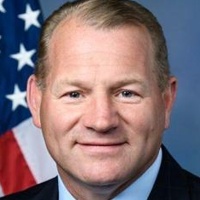
Troy Nehls
Representative
TX
Troy Nehls
Representative
TX
The Supersonic Aviation Modernization Act directs the FAA to establish regulations allowing civil supersonic flight over the United States, provided that no sonic booms reach the ground. The bill also mandates the implementation of strict noise standards for takeoff and landing to ensure supersonic aircraft remain as quiet as current subsonic models. Additionally, it requires a periodic review process to update these standards as noise-reduction technology advances.
The Recreational Drone Empowerment Act expands the types of airspace where recreational drone operators can fly without requiring specific FAA authorization.
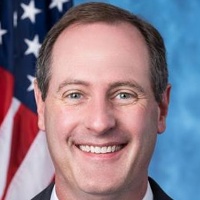
Tracey Mann
Representative
KS
Tracey Mann
Representative
KS
The Recreational Drone Empowerment Act expands the airspace available to hobbyist drone pilots by allowing operations in additional Class E areas without requiring prior FAA authorization. This legislation simplifies the regulatory process for recreational flyers, providing greater flexibility for drone use in controlled airspace extensions.
The Muhammad Ali American Boxing Revival Act of 2026 establishes unified boxing organizations and mandates enhanced safety, medical, anti-doping, and fair-contract standards to improve the well-being and professional opportunities of boxers.
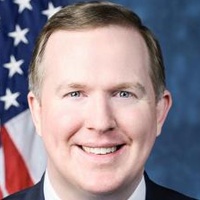
Brian Jack
Representative
GA
Brian Jack
Representative
GA
The Muhammad Ali American Boxing Revival Act of 2026 aims to modernize professional boxing by establishing "Unified Boxing Organizations" (UBOs) to provide boxers with improved safety standards, comprehensive medical support, and fair contract protections. The bill also mandates nationwide health and safety requirements, enforces stricter anti-doping protocols, and introduces measures to eliminate conflicts of interest within the sport. By standardizing regulations and championship titles, this legislation seeks to enhance boxer welfare and ensure greater accountability across the industry.
The Food and Nutrition Delivery Safety Act of 2026 mandates new federal safety, cybersecurity, and labor standards for SNAP-authorized online grocery and delivery services.
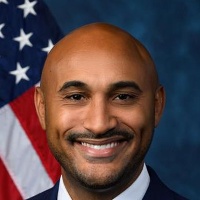
Shomari Figures
Representative
AL
Shomari Figures
Representative
AL
The Food and Nutrition Delivery Safety Act of 2026 mandates new federal safety, cybersecurity, and labor standards for SNAP-authorized retailers offering online ordering and delivery services. The bill requires stores to ensure secure digital transactions, maintain food safety during transport, and provide fair wages for delivery personnel. Retailers must demonstrate compliance with these standards to maintain their eligibility to accept SNAP benefits.
The Momnibus Act is a comprehensive legislative package designed to improve maternal health outcomes and reduce racial disparities by addressing social determinants, expanding nutritional and mental health support, diversifying the perinatal workforce, and investing in data-driven, community-based care.

Lauren Underwood
Representative
IL
Lauren Underwood
Representative
IL
The Momnibus Act is a comprehensive legislative package designed to end preventable maternal mortality and close racial and ethnic disparities in maternal health outcomes. By addressing social determinants of health, expanding nutritional and mental health support, and investing in a diverse, culturally competent workforce, the bill provides a holistic framework for improving care. Through targeted federal grants, enhanced data collection, and innovative technology, the Act aims to ensure that all pregnant and postpartum individuals receive the equitable, high-quality care they deserve.
The Energy Bills Relief Act aims to lower energy costs for families by reversing clean energy rollbacks, expanding assistance programs, streamlining grid upgrades, and increasing transparency in utility regulation.
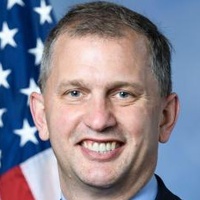
Sean Casten
Representative
IL
Sean Casten
Representative
IL
The Energy Bills Relief Act is a comprehensive bill designed to lower energy costs for American families, accelerate the deployment of low-cost, clean energy, and modernize the nation's electricity grid. It achieves this by reversing harmful policies against renewables, expanding energy assistance programs, streamlining grid connection processes, and increasing transparency in utility regulation. Ultimately, the legislation aims to create a more reliable, affordable, and cleaner energy system while ensuring communities have a stronger voice in energy development.
This Act requires the Treasury Department to annually assess and report on the financial risks to the federal government from major fiscal shocks like recessions, disasters, or crises.
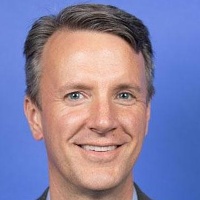
Ben Cline
Representative
VA
Ben Cline
Representative
VA
The Fiscal Contingency Preparedness Act mandates that the Treasury Department, in coordination with the OMB, include a new analysis of potential financial risks from major "fiscal shocks" in its annual report. This analysis must assess the short-term and long-term financial impacts of events like recessions, natural disasters, or cyber attacks on the federal government. The Government Accountability Office (GAO) will subsequently review the methodology and findings of this new fiscal assessment.
This Act establishes a Department of the Interior program to provide technical and financial assistance to Indian Tribes for the restoration, management, and cultural preservation of buffalo herds on Tribal lands.
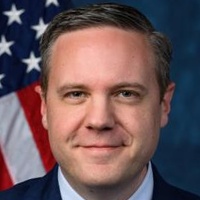
Jeff Hurd
Representative
CO
Jeff Hurd
Representative
CO
The Don Young Doug LaMalfa Indian Buffalo Management Act establishes a Department of the Interior program to support Indian Tribes in the restoration, management, and protection of buffalo herds on Tribal lands. Through grants, technical assistance, and the transfer of surplus buffalo from federal lands, the Act empowers Tribes to enhance their cultural, spiritual, and economic connections to the species. The program prioritizes the integration of traditional ecological knowledge while ensuring the protection of culturally sensitive information.
This bill protects the Chí’chil Biłdagoteel Historic District by prohibiting mineral extraction and land transfers to ensure the preservation of this sacred site for Native American tribes.
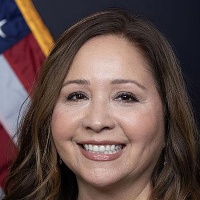
Adelita Grijalva
Representative
AZ
Adelita Grijalva
Representative
AZ
The Preserve the Traditional Cultural Place Chí’chil Biłdagoteel Historic District Act seeks to protect the sacred Oak Flat area by prohibiting all mineral exploration, development, and extraction activities on National Forest System land within the district. The bill mandates that the Secretary of Agriculture manage the area to preserve its cultural and historical integrity in consultation with affected Indian Tribes. Additionally, it prevents the transfer of these lands to Resolution Copper, ensuring the site remains protected from industrial development.
The Enhanced Iran Sanctions Act of 2025 mandates broad economic and immigration sanctions on foreign individuals, entities, and financial institutions that support Iran’s nuclear, missile, drone, or terrorist activities, while specifically targeting the country's petroleum and petrochemical sectors.
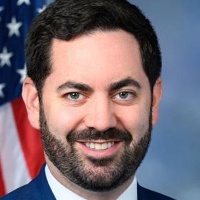
Michael Lawler
Representative
NY
Michael Lawler
Representative
NY
The Enhanced Iran Sanctions Act of 2025 strengthens U.S. policy by imposing mandatory sanctions on foreign persons and financial institutions that support Iran’s nuclear, ballistic missile, drone, and terrorist activities. The bill specifically targets Iran’s petroleum and petrochemical sectors to cut off funding for these malign programs. Additionally, it expands the State Department’s "Rewards for Justice" program to incentivize the reporting of individuals who evade these sanctions.
This bill establishes a $50 million grant program to provide stabilization payments to farm, meat processing, and grocery workers during times of disaster.
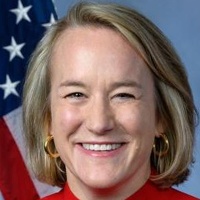
Nicole (Nikki) Budzinski
Representative
IL
Nicole (Nikki) Budzinski
Representative
IL
The Grocery, Farm, and Food Worker Stabilization Grant Program Act of 2026 establishes a $50 million grant program to provide financial stabilization payments to essential food, farm, and grocery workers during disasters. Administered by the Secretary of Agriculture, the program distributes funds through labor unions and membership organizations to support these workers when they are most vulnerable.
This act expands Medicaid recognition of podiatrists as physicians and streamlines Medicare documentation requirements for diabetic therapeutic shoes.
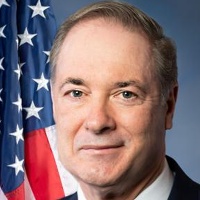
John Joyce
Representative
PA
John Joyce
Representative
PA
The Diabetes Foot Health Access and Modernization Act of 2026 improves patient care by officially recognizing doctors of podiatric medicine as physicians within the Medicaid program. Additionally, the bill streamlines Medicare documentation requirements to ensure patients with diabetes have better access to essential therapeutic footwear.
This bill establishes a federal tax credit covering 40% of the cost of purchasing zero-emission electric lawn and landscaping equipment.
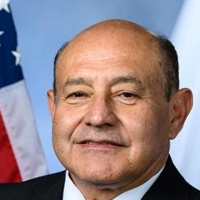
J. Correa
Representative
CA
J. Correa
Representative
CA
The Promoting Reduction of Emissions through Landscaping Equipment Act establishes a federal tax credit covering 40% of the cost of purchasing zero-emission electric landscaping equipment and related charging infrastructure. Designed to incentivize sustainable practices, the credit is available for equipment placed in service between 2025 and 2030, with options for direct payment or transferability.