This bill prohibits the use of federal funds to pay any claims submitted to the Anti-Weaponization Fund established by the Department of Justice.
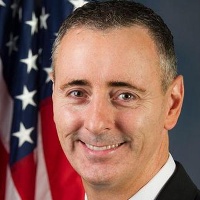
Brian Fitzpatrick
Representative
PA-1
The Bipartisan Transparency for American Taxpayers Act prohibits the use of any federal funds, including those from the Judgment Fund, to pay claims submitted to the Anti-Weaponization Fund. This measure ensures taxpayer money is not used to cover payments from the fund established by the Department of Justice.
Bipartisan Transparency Act Blocks Federal Payouts for DOJ Anti-Weaponization Claims
The Bipartisan Transparency for American Taxpayers Act introduces a hard stop on federal spending for a specific, newly created category of legal claims. Under Section 2, the bill prohibits any federal money—including the Judgment Fund, which is the government’s primary account for paying out legal settlements—from being used to satisfy claims submitted to the Anti-Weaponization Fund. This fund was established by the Department of Justice on May 18, 2026, and this legislation acts as a financial firewall to ensure taxpayer dollars aren't used to settle the specific types of grievances that land in that bucket.
Cutting Off the Cash Flow
Think of the Judgment Fund like the government’s emergency insurance policy; it’s usually there to pay for everything from slip-and-falls at the post office to major civil rights settlements. This bill changes the rules by telling the DOJ that if a claim is filed under the "Anti-Weaponization" banner, it can't dip into that shared pot of money. For a small business owner or an office worker, this means the bill is attempting to put a leash on how the executive branch handles specific, potentially politically charged legal payouts. By citing 31 U.S.C. §1304, the bill effectively locks the safe, preventing the DOJ from bypassing Congress to fund these specific settlements.
The Ambiguity of 'Weaponization'
One of the biggest hurdles here is that the bill doesn't actually define what qualifies as a claim for the "Anti-Weaponization Fund." In the real world, this vagueness is like a company saying they won’t pay for "unnecessary expenses" without explaining what counts as unnecessary. If you are an individual or an organization that believes you were unfairly targeted by a government agency and you were seeking a settlement through this DOJ fund, you might find yourself holding a valid claim with no way to get paid. Because the criteria are fuzzy, it could lead to a legal stalemate where the government admits a mistake but is legally barred from actually cutting the check.
Fiscal Guardrails or Legal Roadblocks?
The immediate effect is a tighter grip on the federal wallet, which aims to increase transparency by forcing these specific financial obligations to be scrutinized rather than paid out automatically. However, the long-term reality could be messy. If the government can’t use federal funds to pay these claims, it might face secondary lawsuits or constitutional challenges from people who feel their right to compensation is being blocked by a legislative technicality. For the average taxpayer, the bill promises that their money won't go toward these specific, undefined payouts, but it also leaves a bit of a question mark on how the government will resolve these disputes if the cash is off-limits.