Legislative Activity
Track Donald's sponsored bills, co-sponsored legislation, and voting record
Partisan Hack-O-Meter
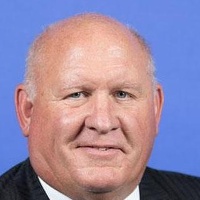
The Farm, Food, and National Security Act of 2026 extends and modifies major U.S. agricultural, conservation, trade, nutrition, and rural development programs through 2031, focusing on disaster relief, supply chain security, and resource management.
Glenn Thompson
Representative
PA
Glenn Thompson
Representative
PA
The **Farm, Food, and National Security Act of 2026** is a comprehensive bill that extends and modernizes major U.S. agricultural policy through 2031. It significantly expands disaster relief for farmers, increases funding for conservation efforts, and centralizes international food aid under the Department of Agriculture. The Act also reforms crop insurance, boosts rural broadband and infrastructure development, and tightens oversight on foreign ownership of American farmland.
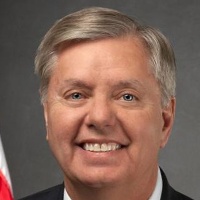
This concurrent resolution sets the US federal budget for fiscal year 2026 and establishes spending targets through 2035, while also outlining reconciliation processes and reserve fund procedures.
Lindsey Graham
Senator
SC
Lindsey Graham
Senator
SC
This concurrent resolution sets the proposed federal budget for fiscal year 2026 and outlines spending targets through 2035, projecting continued annual deficits and growth in the national debt. It directs committees to propose legislation affecting homeland security and the judiciary via a reconciliation process, while establishing flexible, deficit-neutral reserve funds for future policy adjustments. Finally, it solidifies the procedural rules for enforcing these budget allocations across both chambers of Congress.
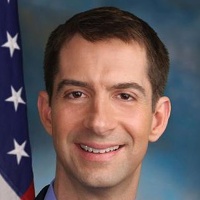
This bill extends specific surveillance authorities under Title VII of the Foreign Intelligence Surveillance Act (FISA) until June 12, 2026.
Tom Cotton
Senator
AR
Tom Cotton
Senator
AR
This bill proposes a short-term extension of specific surveillance authorities under Title VII of the Foreign Intelligence Surveillance Act (FISA). It moves the expiration date for these authorities from April 30, 2026, to June 12, 2026.
This bill funds the Department of Homeland Security for fiscal year 2026 while imposing strict oversight, accountability measures, and specific spending restrictions across its management, enforcement, and preparedness operations.
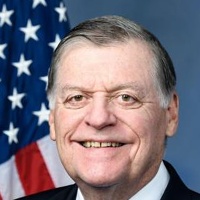
Tom Cole
Representative
OK
Tom Cole
Representative
OK
The Department of Homeland Security Appropriations Act, 2026 provides funding and sets strict operational rules for DHS agencies, including CBP, TSA, and FEMA, for the fiscal year 2026. The bill allocates over $60 billion while imposing significant oversight requirements on management, border enforcement, and disaster response activities. Key provisions focus on increasing accountability through body camera mandates, restricting new pilot programs without clear plans, and speeding up disaster aid processing. Division B of the act includes technical adjustments and extensions to ensure government funding remains continuous through various continuing resolutions.
This bill seeks to reform foreign intelligence surveillance by adding accountability measures while simultaneously prohibiting the Federal Reserve from issuing a central bank digital currency.

Jerry Moran
Senator
KS
Jerry Moran
Senator
KS
This bill combines two major components: the **Foreign Intelligence Accountability Act**, which reforms and extends key surveillance authorities like Section 702 of FISA with new privacy protections and criminal penalties for misuse, and the **Anti-CBDC Surveillance State Act**, which explicitly prohibits the Federal Reserve from creating or issuing a central bank digital currency (CBDC) to the public. In essence, the legislation tightens oversight on foreign intelligence gathering while blocking the creation of a government-controlled digital currency.
This resolution establishes the House procedures for considering five specific bills concerning agriculture reform, parental consent for student gender marker changes, the fiscal year 2026 budget, identifying Jewish servicemembers' graves, and Clean Air Act ethanol waivers.
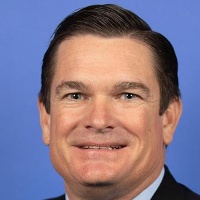
Austin Scott
Representative
GA
Austin Scott
Representative
GA
This resolution establishes the expedited House procedures for considering several key pieces of legislation, including a major multi-year farm bill (H.R. 7567) and bills related to parental consent in schools and correcting military grave markers. It sets strict debate limits and waives most procedural objections to ensure swift consideration of these measures. The resolution also outlines the process for considering the fiscal year 2026 budget resolution and a bill amending the Clean Air Act regarding ethanol waivers.
This Act clarifies that clergy are considered employees for Social Security and Medicare tax purposes, mandates employer withholding, and allows previously exempt clergy to revoke their opt-out status.
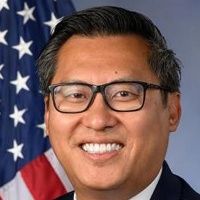
Vince Fong
Representative
CA
Vince Fong
Representative
CA
This bill amends federal law to reclassify clergy and religious workers as employees for Social Security and Medicare tax purposes, requiring churches to withhold these taxes. It also repeals the existing religious exemption that allows clergy to opt out of Social Security coverage. Furthermore, the Act establishes a process for currently exempt clergy to revoke their exemption and mandates the IRS to report on informing these workers of their new options.
This bill strengthens the IRS Whistleblower Program by improving award review standards, enhancing privacy protections, and mandating interest payments on delayed awards.
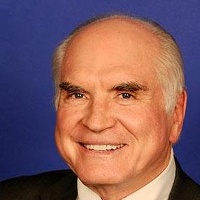
Mike Kelly
Representative
PA
Mike Kelly
Representative
PA
The IRS Whistleblower Program Improvement Act aims to strengthen protections and streamline processes for IRS whistleblowers. Key provisions include establishing a *de novo* review standard for award disputes in Tax Court and allowing whistleblowers to maintain anonymity during court proceedings. The bill also mandates interest payments on awards that are significantly delayed by the IRS.
This bill expresses congressional disapproval of the Bureau of Land Management's rule withdrawing federal lands in three Minnesota counties.
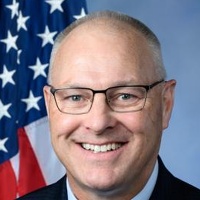
Pete Stauber
Representative
MN
Pete Stauber
Representative
MN
This bill expresses the disapproval of Congress regarding a Bureau of Land Management rule that withdrew federal lands in specific Minnesota counties under Public Land Order No. 7917. By disapproving the rule, Congress renders it legally void.
The HEATS Act streamlines geothermal energy development on certain lands by eliminating the federal drilling permit requirement when state permits are obtained and federal subsurface interest is below 50%.

Young Kim
Representative
CA
Young Kim
Representative
CA
The Harnessing Energy At Thermal Sources Act of 2026 (HEATS Act) streamlines geothermal energy development by eliminating the federal drilling permit requirement for activities on non-federal surface land when the U.S. ownership interest in the subsurface is less than 50%. This change exempts qualifying projects from major federal reviews under NEPA and the Endangered Species Act, allowing operations to commence shortly after state permit submission. The Act maintains federal oversight regarding royalty collection and excludes all activities on Indian lands.
The FIRE Act establishes new, clearer criteria for the EPA to exclude air quality monitoring data caused by wildfires and prescribed burns from regulatory decisions under the Clean Air Act.
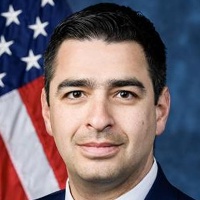
Gabe Evans
Representative
CO
Gabe Evans
Representative
CO
The FIRE Act reforms how the EPA handles air quality data affected by wildfires and prescribed burns under the Clean Air Act. It establishes clearer standards for states to exclude wildfire-related air quality data from regulatory decisions, focusing on causality rather than event predictability. The bill also updates regulations regarding air quality data influenced by actions taken to mitigate wildfire risk, such as prescribed fires.
This act revises federal building energy efficiency standards by prohibiting the denial of green building certifications based on fossil fuel use and repealing outdated regulations.
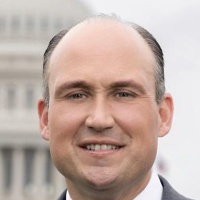
Nicholas Langworthy
Representative
NY
Nicholas Langworthy
Representative
NY
The Reliable Federal Infrastructure Act revises federal energy efficiency standards for government buildings. This bill ensures that the use of fossil fuels will not automatically disqualify a federal building from receiving a green building certification. It also repeals outdated energy efficiency regulations and sets a deadline for the Secretary of Energy to issue updated rules.
This bill expresses the House's support for rural communities by highlighting their vital roles in energy, food production, and the economy, and detailing legislative actions taken to bolster rural prosperity, healthcare, and infrastructure.

Clay Fuller
Representative
GA
Clay Fuller
Representative
GA
This resolution expresses the House of Representatives' strong support for rural communities as vital drivers of the U.S. economy, energy production, and food supply. It highlights recent legislative actions aimed at strengthening rural areas through energy independence, improved healthcare access, manufacturing growth, and expanded broadband connectivity. The bill affirms that a clean environment and a strong economy can coexist while supporting the prosperity of these essential communities.
This resolution sets the House floor procedures for considering bills related to repealing energy efficiency standards, supporting rural communities, amending the Endangered Species Act, and streamlining geothermal energy permitting.

Chip Roy
Representative
TX
Chip Roy
Representative
TX
This resolution sets the House floor schedule for considering four distinct legislative items. It establishes expedited procedures for bills related to repealing federal building efficiency standards, supporting rural communities, amending the Endangered Species Act, and streamlining geothermal energy permitting. The rules limit debate and motions for each measure to facilitate prompt votes.
This bill reauthorizes and updates key federal programs designed to support the financial stability and quality of healthcare services for rural Americans through fiscal year 2030.
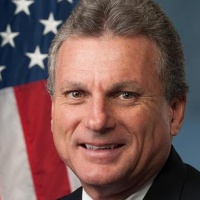
Earl Carter
Representative
GA
Earl Carter
Representative
GA
The Improving Care in Rural America Reauthorization Act of 2025 extends and updates critical federal support programs for rural healthcare providers through fiscal year 2030. This legislation reauthorizes key Medicare payment adjustments for small and low-volume rural hospitals, ensuring their continued operation. Furthermore, it refines grant programs supporting rural health services and networks, emphasizing that funds must directly benefit and involve rural underserved populations.
This act mandates the FCC to report on its enforcement of existing laws requiring multi-line phone systems to allow direct dialing to 911.

Doris Matsui
Representative
CA
Doris Matsui
Representative
CA
The Kari's Law Reporting Act mandates that the Federal Communications Commission (FCC) issue a public report detailing its enforcement of existing requirements for multi-line telephone systems. This report must assess manufacturer and vendor compliance with Section 721 of the Communications Act of 1934. Furthermore, the FCC is required to outline any compliance obstacles and suggest policy improvements or legislative recommendations.
This act mandates the FCC to hold public hearings and issue reports following activations of the Disaster Information Reporting System, while also improving network outage reporting procedures.
Doris Matsui
Representative
CA
Doris Matsui
Representative
CA
The Emergency Reporting Act mandates the FCC to hold annual public hearings and issue detailed reports following the activation of its Disaster Information Reporting System. This legislation also requires the FCC to investigate and recommend improvements for how network outages are reported to enhance public safety communications. The goal is to increase transparency and resilience of communications networks during emergencies.
This bill establishes an interagency strike force to prioritize and expedite federal reviews for communications use authorizations on public and national forest lands.
Gabe Evans
Representative
CO
Gabe Evans
Representative
CO
This bill establishes an interagency strike force to ensure federal land management agencies prioritize and expedite the review of requests for communications use authorizations. The strike force will set goals, monitor progress, and report to Congress on its effectiveness in speeding up broadband deployment reviews on federal lands.
This resolution sets the expedited House rules for considering a bill to extend key foreign intelligence surveillance authorities until October 20, 2027.
Austin Scott
Representative
GA
Austin Scott
Representative
GA
This bill establishes the procedural rules for the House to consider legislation extending key foreign intelligence surveillance authorities under Title VII of the FISA Amendments Act of 2008. If passed, the bill will extend these surveillance authorities until October 20, 2027. The resolution sets strict debate limits and waives certain procedural hurdles to expedite a final vote on the extension.
This resolution expresses support for the Working Families Tax Cuts law, highlighting its broad tax relief and benefits for working families.
Mike Kelly
Representative
PA
Mike Kelly
Representative
PA
This resolution expresses strong support for the Working Families Tax Cuts, a law enacted to provide significant tax relief to working families. It highlights key provisions that prevent broad tax increases, deliver substantial refunds, and lower the tax burden for lower and middle-income earners. The bill affirms the benefits of policies designed to help families keep more of their earnings.