Legislative Activity
Track Danny's sponsored bills, co-sponsored legislation, and voting record
This bill authorizes Congress to award Congressional Gold Medals to the 1980 U.S. Men's Olympic Ice Hockey team for their historic "Miracle on Ice" victory.
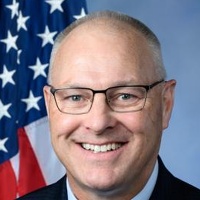
Pete Stauber
Representative
MN
Pete Stauber
Representative
MN
This bill, the Miracle on Ice Congressional Gold Medal Act, officially authorizes Congress to award Congressional Gold Medals to the 1980 U.S. Men's Olympic Ice Hockey Team for their historic "Miracle on Ice" victory. The medals will be struck by the Treasury and permanently displayed at specific national sports museums. The Act also permits the sale of duplicate bronze medals to cover production costs.
This act nullifies a recent Executive Order regarding federal labor relations and ensures existing collective bargaining agreements remain in effect.
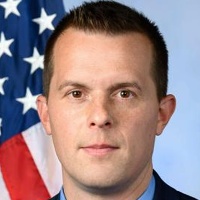
Jared Golden
Representative
ME
Jared Golden
Representative
ME
The Protect America's Workforce Act nullifies a specific Executive Order issued in March 2025 concerning exclusions from federal labor-management relations programs. This legislation ensures that any existing collective bargaining agreements between federal agencies and employee unions remain fully in effect until their stated expiration dates. The Act also prohibits the use of federal funds to implement the overturned Executive Order.
The Keeping All Students Safe Act strictly prohibits dangerous restraint and seclusion in federally funded schools while mandating comprehensive state reporting, staff training, and parental notification for any permissible physical restraint.
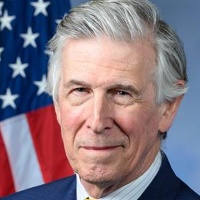
Donald Beyer
Representative
VA
Donald Beyer
Representative
VA
The Keeping All Students Safe Act strictly prohibits dangerous restraint and seclusion practices in federally funded schools, establishing national safety standards and requiring immediate parental notification after any restraint incident. It mandates that states create detailed plans, publicly report incident data broken down by student demographics, and utilize federal grants to fund training and prevention strategies. The bill creates a private right of action for families harmed by violations and ensures oversight across various federal school systems.
This bill significantly increases civil penalties across various federal labor laws, strengthens enforcement for health plan compliance, establishes penalties for employer unfair labor practices, and treats certain recordkeeping failures as continuing violations.
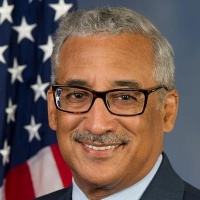
Robert Scott
Representative
VA
Robert Scott
Representative
VA
The Labor Enforcement to Securely Protect Workers (LETS Protect Workers) Act significantly increases civil penalties for violations across major federal labor laws, including child labor, wage and hour, and workplace safety standards. It strengthens enforcement mechanisms for mine safety violations and retaliation against miners, while also establishing new penalties for employer unfair labor practices under the National Labor Relations Act. Furthermore, the bill enhances enforcement for health plan parity and makes certain recordkeeping failures under OSHA and FLSA continuing violations.
This resolution commends state and local governments for championing reproductive rights as human rights while condemning abortion restrictions and criminalization following the *Dobbs* decision.
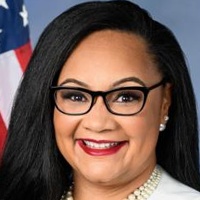
Nikema Williams
Representative
GA
Nikema Williams
Representative
GA
This concurrent resolution commends state and local governments for championing reproductive rights as human rights following the overturning of *Roe v. Wade*. It declares that denying abortion care leads to severe health risks and highlights the criminalization of pregnancy outcomes across the U.S. The resolution urges states to repeal abortion restrictions and affirm that reproductive rights are fundamental human rights.
This bill officially renames the United States Postal Service facility at 5225 Harrison Avenue in Rockford, Illinois, as the Jay P. Larson Post Office Building.
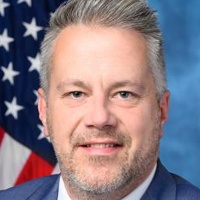
Eric Sorensen
Representative
IL
Eric Sorensen
Representative
IL
This bill officially designates the United States Postal Service facility located at 5225 Harrison Avenue in Rockford, Illinois, as the **Jay P. Larson Post Office Building**. The legislation ensures that all future official references to this specific location will use the newly established name.
This bill prohibits immigration enforcement officers from arresting or detaining individuals at or near immigration court facilities unless there is a judicial warrant or an imminent threat.

Dan Goldman
Representative
NY
Dan Goldman
Representative
NY
The Immigration Court Due Process Protection Act of 2025 restricts Department of Homeland Security (DHS) officers from arresting or detaining individuals attending or departing from immigration court proceedings or scheduled appointments, unless a judicial warrant is present or an imminent threat exists. The bill mandates specific supervisory approval for arrests during scheduled check-ins. Furthermore, it requires the DHS Inspector General to submit an annual report to Congress detailing compliance with these new protections.
This bill repeals harmful provisions of a previous act, exempts unaccompanied children from various immigration fees, and restricts the use of their sponsor information for enforcement purposes.
Dan Goldman
Representative
NY
Dan Goldman
Representative
NY
The Upholding Protections for Unaccompanied Children Act of 2025 seeks to reverse harmful provisions affecting unaccompanied children. This bill eliminates various immigration-related fees for current and former unaccompanied children, including those for asylum and employment authorization. It also prohibits physically intrusive medical examinations and restricts the sharing of sponsor information with immigration enforcement agencies. Furthermore, the Act mandates the refunding of previously paid fees.
The Dignity for Detained Immigrants Act establishes comprehensive standards, rigorous oversight, and new custody procedures to ensure humane treatment and due process for all noncitizens detained by the Department of Homeland Security, while phasing out for-profit detention facilities.
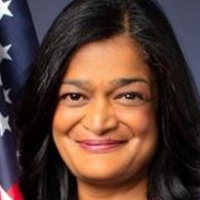
Pramila Jayapal
Representative
WA
Pramila Jayapal
Representative
WA
The Dignity for Detained Immigrants Act aims to overhaul immigration detention by establishing mandatory, high standards based on ABA guidelines and increasing transparency through rigorous, unannounced inspections. The bill prohibits the use of private, for-profit detention facilities within three years and ends the mandatory detention of most noncitizens, prioritizing release or community-based alternatives. Furthermore, it establishes new due process rights, including timely custody hearings, a presumption of release, and prohibitions on detaining children or using solitary confinement.
This Act officially recognizes the installation of mechanical insulation in federal buildings as a qualifying energy or water efficiency measure.
Randy Weber
Representative
TX
Randy Weber
Representative
TX
The Federal Mechanical Insulation Act officially recognizes the installation of mechanical insulation in federal buildings as a qualifying energy or water efficiency measure. This legislation defines compliant mechanical insulation as meeting or exceeding ASHRAE Standard 90.1 requirements and resulting in energy loss reduction. Furthermore, the Act mandates that comprehensive evaluations of federal buildings must identify these specific energy and water-saving insulation opportunities.
This act rescinds significant immigration enforcement funding while establishing multiple new tax credits aimed at increasing housing affordability for first-time buyers, builders of starter homes, and renters, alongside incentives for converting commercial buildings into affordable housing.
Jimmy Gomez
Representative
CA
Jimmy Gomez
Representative
CA
The Make Housing Affordable and Defend Democracy Act aims to increase housing accessibility through several tax incentives while simultaneously rescinding significant funding previously allocated for immigration enforcement. Key provisions establish new tax credits for first-time homebuyers, builders of starter homes, and the conversion of commercial buildings into affordable rentals. Additionally, the bill introduces a Renter Tax Credit for those spending over 30% of their income on rent, with an option for monthly advance payments.
This resolution commemorates World AIDS Day by recognizing global and domestic progress, highlighting ongoing challenges, and encouraging continued support for ending the HIV epidemic by 2030.
Mark Pocan
Representative
WI
Mark Pocan
Representative
WI
This resolution commemorates World AIDS Day and recognizes significant progress made in combating HIV/AIDS globally and domestically through programs like PEPFAR and the Ryan White Act. It highlights ongoing challenges, particularly disparities in impact, while encouraging continued robust funding for research, prevention, and treatment efforts worldwide. The resolution supports the goal of ending the HIV epidemic by 2030 through zero new transmissions and zero discrimination.
The Artificial Intelligence Civil Rights Act of 2025 establishes comprehensive federal rules to prevent algorithmic discrimination, mandate independent safety audits for high-risk AI systems, and grant individuals new rights to transparency and legal recourse against biased automated decisions.
Yvette Clarke
Representative
NY
Yvette Clarke
Representative
NY
The Artificial Intelligence Civil Rights Act of 2025 establishes comprehensive federal rules to prevent discrimination caused by automated decision-making systems in critical areas like employment, housing, and credit. It mandates independent safety checks, public reporting for high-risk findings, and clear contractual standards between algorithm creators and users. The law empowers the Federal Trade Commission (FTC) and grants individuals a private right of action to enforce these new civil rights protections against algorithmic bias.
The Mikaela Naylon Give Kids a Chance Act primarily focuses on enhancing pediatric drug research, ensuring completion of pediatric study requirements, extending incentives for rare pediatric disease treatments, and making targeted updates to FDA and organ transplant network operations.
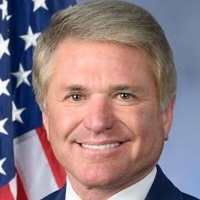
Michael McCaul
Representative
TX
Michael McCaul
Representative
TX
The Mikaela Naylon Give Kids a Chance Act focuses primarily on improving pediatric drug development and ensuring patient access to necessary treatments. This legislation mandates new research requirements for molecularly targeted pediatric cancer drugs, strengthens FDA enforcement of pediatric study completion, and extends incentives for developing drugs for rare pediatric diseases. Additionally, the bill updates organ transplant network functions and establishes an Abraham Accords Office within the FDA to enhance international regulatory cooperation.
This bill allows participants aged 50 and older to roll over employer contributions from a 401(k) plan into an individual retirement annuity before retirement and updates the required rollover explanation provided to taxpayers.
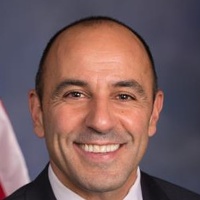
Jimmy Panetta
Representative
CA
Jimmy Panetta
Representative
CA
This bill, the Retirement Simplification and Clarity Act, amends tax code to allow participants aged 50 and older to roll over employer contributions from their 401(k) plan directly into an individual retirement annuity before retirement. It also updates the required written explanation provided to taxpayers regarding rollover rules to ensure it is concise and clearly outlines key tax implications and options. These provisions are set to take effect for taxable years beginning after December 31, 2025.
This resolution declares that reproductive justice and immigrant justice are inseparable and calls for ending discriminatory barriers to comprehensive reproductive healthcare for all immigrants.
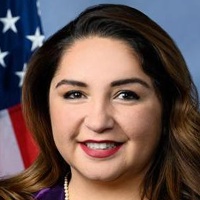
Delia Ramirez
Representative
IL
Delia Ramirez
Representative
IL
This resolution declares that immigrant justice and reproductive justice are inseparable, demanding that both movements be pursued together. It condemns systemic failures and policies that deny immigrants access to necessary reproductive health care while in custody or in the community. The resolution calls on Congress and federal agencies to eliminate barriers to health coverage and ensure equitable, comprehensive reproductive care for all individuals, regardless of immigration status.
The ADOPT Act of 2025 establishes federal crimes for unlawful adoption practices, such as using unlicensed intermediaries or making unauthorized payments, to protect families and prevent child commodification in private interstate adoptions.
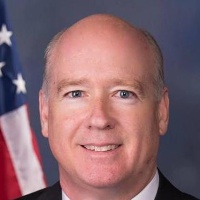
Robert Aderholt
Representative
AL
Robert Aderholt
Representative
AL
The ADOPT Act of 2025 aims to protect families and prevent the commodification of children in private domestic interstate adoptions. It establishes new federal crimes for unlicensed intermediaries who illegally solicit placements or make unauthorized payments to placing parents. The legislation ensures access to licensed and regulated adoption providers by creating clear exceptions for authorized professionals and agencies.
This bill invalidates predispute arbitration agreements and joint-action waivers for disputes involving race discrimination.
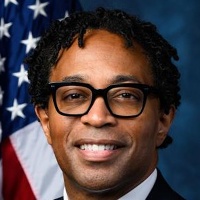
Wesley Bell
Representative
MO
Wesley Bell
Representative
MO
This bill, the "Ending Forced Arbitration of Race Discrimination Act of 2025," invalidates predispute arbitration agreements and joint-action waivers for disputes involving alleged race discrimination. It ensures that individuals alleging race discrimination can choose to pursue their claims in court rather than through mandatory arbitration. Federal courts will determine the applicability and enforceability of these arbitration agreements.
This act caps the interest rate at 6% for student loans servicemembers consolidate or refinance during their military service.
Delia Ramirez
Representative
IL
Delia Ramirez
Representative
IL
The Servicemember Student Loan Affordability Act of 2025 extends existing protections by imposing a 6% interest rate cap on new loans servicemembers take out to consolidate or refinance pre-existing student debt during their military service. This amendment specifically targets the refinancing of prior student loans, ensuring servicemembers do not face excessive interest rates on this debt while serving. The bill clarifies that this cap only applies when the refinancing exclusively covers eligible student loans.
This act establishes a grant program to fund diabetes treatment and prevention services in medically underserved urban and rural communities.
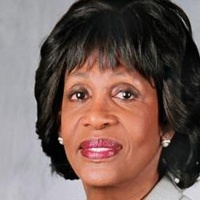
Maxine Waters
Representative
CA
Maxine Waters
Representative
CA
The Urban and Rural Diabetes Initiative Act establishes a new grant program to improve diabetes treatment access in medically underserved urban and rural areas. This funding supports eligible health providers in offering comprehensive diabetes care, including routine treatment, education, and specialized services like eye and foot care. The Secretary of Health and Human Services will award these grants, ensuring equitable distribution across both urban and rural communities.