Legislative Activity
Track Troy's sponsored bills, co-sponsored legislation, and voting record
The PRODUCE Act extends the authorization and significantly increases the funding for the Office of Urban Agriculture and Innovative Production through 2030.
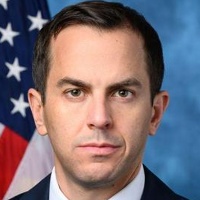
Robert Menendez
Representative
NJ
Robert Menendez
Representative
NJ
The PRODUCE Act reauthorizes and significantly increases funding for the USDA's Office of Urban Agriculture and Innovative Production through 2030. This legislation extends the office's authorization and boosts its annual budget cap from \$25 million to \$50 million. The goal is to strengthen support for urban agriculture initiatives.
This resolution expresses support for designating a week in October 2025 as "Careers in Energy Week" to recognize the energy workforce and promote career opportunities in the sector.
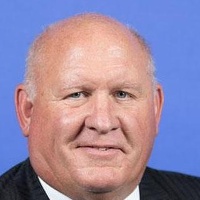
Glenn Thompson
Representative
PA
Glenn Thompson
Representative
PA
This resolution expresses strong support for designating a specific week in October 2025 as "Careers in Energy Week." It aims to honor the vital contributions of the energy workforce and highlight the numerous rewarding career opportunities available across the sector. Furthermore, the bill encourages educational partnerships to promote necessary skills and prepare the future workforce for the evolving energy industry.
This act ensures the Federal Emergency Management Agency (FEMA) can continue essential disaster relief operations and retain necessary staff using existing Disaster Relief Fund money during a government funding lapse.
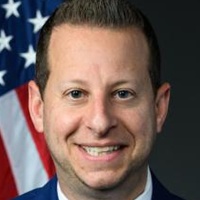
Jared Moskowitz
Representative
FL
Jared Moskowitz
Representative
FL
The Federal Emergency Management Continuity Act of 2025 ensures that the Federal Emergency Management Agency (FEMA) can continue essential disaster relief operations during a government funding lapse. This act authorizes the FEMA Administrator to use existing, previously appropriated funds from the Disaster Relief Fund (DRF) to maintain critical Stafford Act programs. Furthermore, necessary staff will be retained as "excepted employees" to manage these ongoing life-saving and property-protecting activities.
This bill, the Marine Fisheries Habitat Protection Act, establishes a streamlined process for converting inactive offshore oil and gas platforms and pipelines into artificial reefs, contingent upon state assumption of liability.
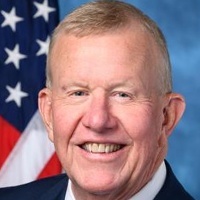
Mike Ezell
Representative
MS
Mike Ezell
Representative
MS
This bill, the Marine Fisheries Habitat Protection Act, establishes a streamlined process for converting inactive offshore oil and gas platforms and pipelines into artificial reefs. It defines key terms and outlines steps for applicants to seek approval to leave these structures in place, provided they meet environmental and safety criteria. The legislation also facilitates the transfer of long-term liability for these new reefs to participating state agencies. This process temporarily halts government removal orders while applications are under review.
This resolution formally recognizes the vital role of Spanish-language media in informing, connecting, and strengthening diverse communities across the United States.
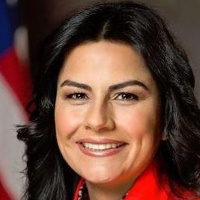
Nanette Barragán
Representative
CA
Nanette Barragán
Representative
CA
This resolution formally recognizes the vital role Spanish-language media plays in informing, educating, and connecting over 41 million Spanish speakers across the United States. It highlights how these outlets strengthen democracy by ensuring broad access to essential information and celebrate the rich cultural contributions of the Latino community. Ultimately, the bill encourages continued support for these crucial media sources nationwide.
This Act mandates that all states must operate the WIC program and guarantees necessary funding through permanent appropriation starting in fiscal year 2026.
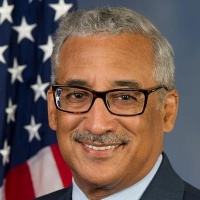
Robert Scott
Representative
VA
Robert Scott
Representative
VA
The WIC Benefits Protection Act mandates that all states must operate the Special Supplemental Nutrition Program for Women, Infants, and Children (WIC). This legislation also guarantees permanent, mandatory funding for WIC starting in fiscal year 2026, ensuring the program has the necessary resources annually. Furthermore, it clarifies eligibility language within the program's governing statute.
This Act ensures the Transportation Security Administration (TSA) can continue its operations during a government funding lapse by utilizing prior-year unobligated balances at the previous spending rate.

Debbie Dingell
Representative
MI
Debbie Dingell
Representative
MI
The Keep Air Travel Safe Act ensures the Transportation Security Administration (TSA) can continue all essential operations during a Congressional funding lapse. It allows the TSA Administrator to use unobligated prior-year funds to maintain activities at the previous year's spending rate. This temporary funding remains active until a new budget is passed or for a maximum of 180 days.
This Act establishes a grant program to fund the development and expansion of non-police mental health crisis response teams.
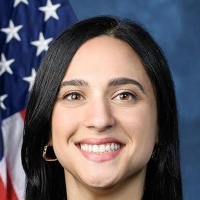
Yassamin Ansari
Representative
AZ
Yassamin Ansari
Representative
AZ
The Mental Health Emergency Responder Act establishes a new federal grant program to help communities develop or expand crisis response systems that prioritize mental health professionals over police involvement. These funds support hiring, training, and integrating specialized co-response teams into 911 and 988 dispatch systems. The program aims to divert individuals in mental health crises away from the criminal justice system, while respecting existing state laws regarding emergency detention.
This bill authorizes the Federal Government to reimburse states for using their own funds to maintain WIC program operations during a lapse in federal appropriations.
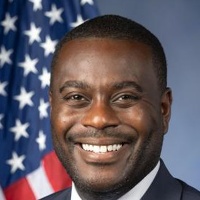
Gabe Amo
Representative
RI
Gabe Amo
Representative
RI
This bill ensures that states are reimbursed by the Federal Government for any state funds they use to maintain essential operations of the Special Supplemental Nutrition Program for Women, Infants, and Children (WIC) during a lapse in federal appropriations. It provides a mechanism for the Federal Government to pay back states that cover WIC costs during a government shutdown. This protects state budgets while keeping vital nutrition assistance running.
This Act establishes a grant program to fund community alternatives for mental health crisis response, focusing on health-centered dispatch and specialized response teams.
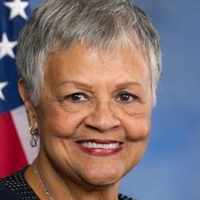
Bonnie Watson Coleman
Representative
NJ
Bonnie Watson Coleman
Representative
NJ
The Mental Health Crisis Response Act of 2025 establishes a new federal grant program to help local governments create health-centered alternatives for responding to mental health emergencies. These funds will support initiatives like integrating mental health professionals into 911 dispatch and streamlining transfers to crisis hotlines. Grantees must report annually on response times, use of force, and diversion to treatment, while the law explicitly preserves existing law enforcement roles.
This resolution declares the need for increased investment in youth mental health and officially recognizes "Youth Mental Health Day" and "Youth Suicide Prevention Day."
Yassamin Ansari
Representative
AZ
Yassamin Ansari
Representative
AZ
This resolution formally acknowledges the critical state of youth mental health in the U.S., citing alarming rates of anxiety, depression, and suicide. It calls for increased investment in mental health support and encourages the designation of specific days to raise awareness. Ultimately, the bill urges federal, state, and local entities to prioritize comprehensive mental health programs for young people.
The FARM SAFE Act ensures that essential Department of Agriculture employees continue working to administer agricultural disaster assistance programs during federal government shutdowns.
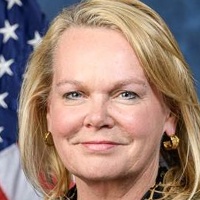
April McClain Delaney
Representative
MD
April McClain Delaney
Representative
MD
The FARM SAFE Act ensures that critical agricultural disaster assistance programs continue to operate without interruption during federal government shutdowns or lapses in appropriations. This legislation mandates that necessary Department of Agriculture employees remain on the job to administer these vital aid programs. By classifying these workers as "excepted employees," the bill prevents layoffs or furloughs that could halt disaster relief efforts for farmers.
This act ensures federal employees furloughed due to a lapse in government funding are reimbursed for childcare expenses incurred during that period.

Ilhan Omar
Representative
MN
Ilhan Omar
Representative
MN
The Federal Worker Childcare Protection Act of 2025 aims to reimburse federal employees for childcare expenses incurred during periods of government shutdown or lapse in funding. Eligible employees who were furloughed or unpaid due to a funding lapse can receive reimbursement by submitting proof of payment to the GSA. This provision is contingent upon Congress appropriating the necessary funds.
This Act temporarily halts certain legal and financial actions against federal employees and their contractors during a government shutdown to protect their civil rights and financial stability.
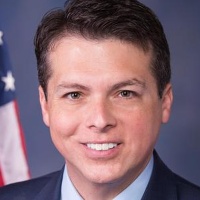
Brendan Boyle
Representative
PA
Brendan Boyle
Representative
PA
The Federal Employees Civil Relief Act aims to protect federal employees and contractors from negative civil actions during a government shutdown. It temporarily pauses various legal and administrative proceedings, including evictions, foreclosures, and debt collections, when a worker is furloughed or working without pay. The bill also grants federal workers the ability to defer income tax payments without penalty and prevents negative credit reporting based on seeking relief under this Act.
This Act modernizes recreational fishing data collection, mandates regular stock assessments, and increases transparency in fishery management decisions.
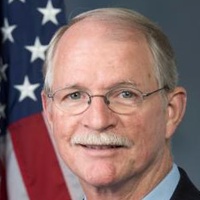
John Rutherford
Representative
FL
John Rutherford
Representative
FL
The Fisheries Data Modernization and Accuracy Act of 2025 aims to significantly improve the reliability and utility of U.S. fisheries data. It mandates reforms to the recreational data collection program (MRIP) by establishing an independent review process when data accuracy falls below set standards. The bill also empowers states to develop and implement their own data collection programs, shifting the federal reliance away from the MRIP baseline. Finally, it requires the establishment of a regular schedule for updating crucial fish stock assessments and promotes the use of independent, external scientific surveys in federal management decisions.
This Act waives the 10% early withdrawal penalty on Thrift Savings Plan distributions up to $30,000 during a federal government shutdown and provides special provisions for TSP hardship withdrawals and loan payments affected by the lapse in appropriations.
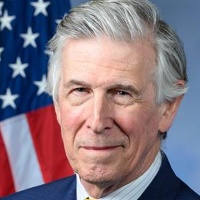
Donald Beyer
Representative
VA
Donald Beyer
Representative
VA
The Emergency Relief for Federal Workers Act of 2025 provides financial relief to federal employees affected by government shutdowns. This bill waives the 10% early withdrawal penalty on Thrift Savings Plan (TSP) distributions up to $30,000 during a qualifying shutdown. Additionally, it allows affected employees greater access to TSP hardship withdrawals and loans, and prevents missed TSP loan payments due to a shutdown from being treated as a taxable distribution.
This act automatically reinstates Department of Energy financial assistance awards that were previously canceled based on the May 15, 2025 Secretarial Memorandum.
Nanette Barragán
Representative
CA
Nanette Barragán
Representative
CA
The Stop the Trump Electricity Price Hikes Act immediately reinstates financial assistance awards previously canceled by the Department of Energy (DOE). This action specifically reverses cancellations based on the May 15, 2025 Secretarial Memorandum. The bill ensures these awards continue as if they had never been terminated.
This bill establishes a process for federal employees, contractors, and states to be reimbursed for financial costs incurred due to government shutdowns.
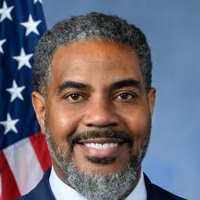
Steven Horsford
Representative
NV
Steven Horsford
Representative
NV
The Pay Workers What They've Earned Act aims to reimburse federal employees and contractors for direct financial costs incurred due to government shutdowns. This legislation specifically covers expenses like late fees and interest charges resulting from missed paychecks during a lapse in funding. It also establishes a process for states to be reimbursed if they use their own funds to cover normally federal responsibilities during extended shutdowns. The bill creates a dedicated Treasury fund to ensure timely payments to affected workers in the future.
This bill ensures federal firefighters receive uninterrupted pay during fiscal year 2026 budget delays and protects them from layoffs during government shutdowns.
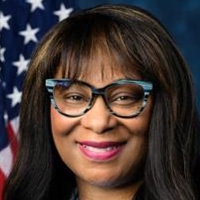
Janelle Bynum
Representative
OR
Janelle Bynum
Representative
OR
The Federal Firefighter Paycheck Protection Act ensures that federal firefighters continue to receive their pay and allowances if Congress delays passing the budget for fiscal year 2026. This legislation also prohibits the reduction in force or layoffs of federal firefighters specifically due to government shutdowns caused by funding lapses. Essentially, this bill protects the paychecks and employment stability of federal firefighters during budget uncertainty.
This bill establishes an Agricultural Trade Enforcement Task Force to prioritize and expedite U.S. action against foreign agricultural trade barriers, specifically mandating a plan to challenge India's excessive price support programs at the WTO.
Eric Crawford
Representative
AR
Eric Crawford
Representative
AR
This bill establishes the Prioritizing Offensive Agricultural Disputes and Enforcement Act to aggressively address foreign trade barriers harming U.S. agricultural exports. It specifically mandates immediate action, including a plan to initiate a World Trade Organization dispute against India for its excessive agricultural price supports. The legislation also creates an Agricultural Trade Enforcement Task Force to proactively identify and enforce trade agreements against significant foreign barriers.