Legislative Activity
Track André's sponsored bills, co-sponsored legislation, and voting record
This resolution supports the goals of National Black HIV/AIDS Awareness Day by encouraging testing, commending service organizations, and advocating for strategies to reduce HIV disparities in Black communities.
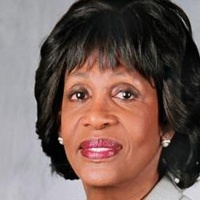
Maxine Waters
Representative
CA
Maxine Waters
Representative
CA
This resolution supports the goals of National Black HIV/AIDS Awareness Day by recognizing the disproportionate impact of HIV on Black Americans. It encourages testing, commends organizations providing culturally competent care, and supports the implementation of the National HIV/AIDS Strategy to reduce disparities. The bill also calls for prioritizing funding for minority-led agencies and addressing systemic barriers to care.
This Act establishes minimum humane standards for ICE detention facilities, mandates public reporting and real-time health tracking systems, and strengthens oversight to ensure detainee welfare.
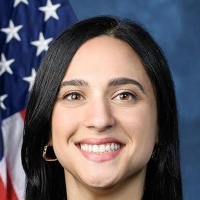
Yassamin Ansari
Representative
AZ
Yassamin Ansari
Representative
AZ
The Stop Inhumane Conditions in ICE Detention Act of 2026 mandates minimum health, safety, and legal standards for all ICE detention facilities, prohibiting funding for non-compliant sites. It establishes rigorous, real-time health reporting systems and requires unannounced inspections with penalties, including contract termination, for facilities that fail to meet these standards. Furthermore, the bill creates anonymous complaint channels and mandates annual audits focusing on gender-related health protections.
This bill mandates a Congressional Budget Office study on the long-term economic and societal impacts of immigration policies implemented starting in 2025.
Yassamin Ansari
Representative
AZ
Yassamin Ansari
Representative
AZ
This act mandates the Congressional Budget Office, in collaboration with the Council of Economic Advisers, to conduct a comprehensive study on the long-term economic impacts of potential mass deportation policies enacted after January 20, 2025. The study will analyze effects on industries, public safety, GDP, tax revenue, and more over a 20 to 40-year period. Relevant federal agencies are required to provide necessary data to complete this analysis.
The Drain ICE Act of 2026 seeks to repeal specific sections of a previous law and rescind related funding, citing concerns over the Trump Administration's immigration enforcement practices, detention conditions, and resource allocation.
Yassamin Ansari
Representative
AZ
Yassamin Ansari
Representative
AZ
The Drain ICE Act of 2026 aims to fundamentally reform immigration enforcement by repealing specific sections of a prior law (Public Law 11921) and rescinding associated funding. This legislation is introduced in response to Congressional findings detailing concerns over mass deportation policies, inhumane detention conditions, and the detention of non-criminal individuals under the Trump Administration. The bill seeks to end practices deemed contrary to constitutional protections and human rights in immigration enforcement.
The Rebuild America’s Schools Act of 2026 establishes federal grant and bond programs to provide billions of dollars for the long-term improvement, modernization, and repair of public school facilities, prioritizing health, safety, and environmental conditions in high-need districts.
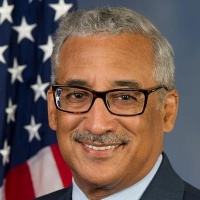
Robert Scott
Representative
VA
Robert Scott
Representative
VA
The **Rebuild America’s Schools Act of 2026** establishes major federal funding streams, including grants and tax-credit bonds, to modernize and repair public school facilities nationwide from 2027 through 2031. The legislation prioritizes districts with the greatest need, focusing on improving student health, safety, and environmental conditions in school buildings. It also mandates increased transparency through public databases tracking facility conditions and requires specific labor and "Buy America" standards for funded construction projects.
This Act prohibits the air transport of adult roosters, with an exemption for legitimate commercial agricultural purposes, to enhance aviation safety and combat illegal fighting operations.
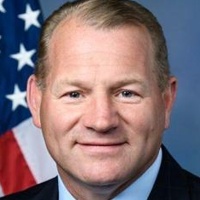
Troy Nehls
Representative
TX
Troy Nehls
Representative
TX
The No Flight, No Fight Act of 2026 restricts the air transportation of adult roosters to enhance aviation safety and combat illegal activities like cockfighting. The bill prohibits air carriers from knowingly transporting adult roosters as cargo, with an exemption for shipments related to certified commercial farms for legitimate agricultural purposes. Enforcement authority rests with the Secretary of Transportation, and violations are subject to civil penalties.
The GRAD Act expands existing grant programs for HBCUs and PBIs to include institutions offering specific master's degree programs and adjusts the distribution of leftover funds.
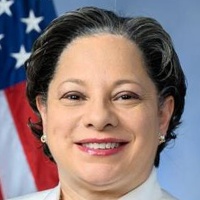
Jennifer McClellan
Representative
VA
Jennifer McClellan
Representative
VA
The Growing Reputable Academic Departments (GRAD) Act expands eligibility for existing federal grant programs benefiting Historically Black Colleges and Universities (HBCUs) and Predominantly Black Institutions (PBIs). This expansion specifically targets institutions offering qualified master's degree programs. The bill also updates the formula for distributing leftover funds within these grant programs.
This Act establishes grant programs and provider reimbursement to expand access to HIV prevention medication (PrEP) and related services for underserved and uninsured individuals.
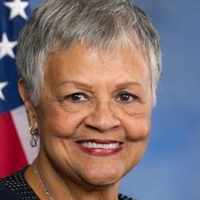
Bonnie Watson Coleman
Representative
NJ
Bonnie Watson Coleman
Representative
NJ
The PrEP Assistance Program Act establishes federal grant funding to support organizations providing HIV prevention medication (PrEP) and related services. It also creates a reimbursement program to ensure uninsured individuals can receive these essential HIV prevention items and services at no cost through a "PrEP Pass" card. The legislation aims to expand access to PrEP by supporting community programs and eliminating financial barriers for the uninsured.
This bill establishes mandatory minimum humanitarian standards for health screening, water, sanitation, food, and shelter for all individuals in ICE and CBP custody.
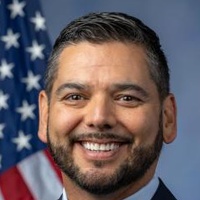
Raul Ruiz
Representative
CA
Raul Ruiz
Representative
CA
The Humanitarian Standards for Individuals in ICE and CBP Custody Act establishes minimum standards for health screening, nutrition, sanitation, and shelter for individuals detained by ICE and CBP. This bill mandates specific protocols for medical care, facility conditions, and personnel training to ensure humane treatment. It also requires regular inspections and public reporting on compliance and sexual abuse complaints.
This resolution condemns federal workforce reductions at FEMA that threaten national preparedness, response, and recovery capabilities, and expresses concern over proposed future staffing cuts.
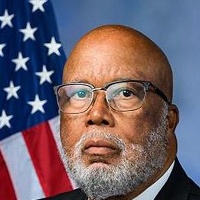
Bennie Thompson
Representative
MS
Bennie Thompson
Representative
MS
This resolution condemns current and proposed staffing cuts at the Federal Emergency Management Agency (FEMA), arguing they undermine national preparedness and disaster response capabilities. It highlights that workforce reductions endanger the ability to effectively manage increasingly severe disasters and critical counterterrorism programs. The bill expresses concern that these cuts compromise institutional knowledge and slow vital assistance to communities recovering from events like recent hurricanes. Ultimately, it commits Congress to supporting a stable and adequately resourced FEMA workforce.
This Act ensures federal employees and certain contractors are paid during any government shutdown in fiscal year 2026 and prohibits workforce reductions during such funding gaps.
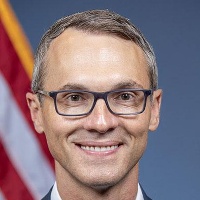
James Walkinshaw
Representative
VA
James Walkinshaw
Representative
VA
The True Shutdown Fairness Act ensures that federal employees and certain contract employees receive their full pay and benefits during any government shutdown in fiscal year 2026. It also mandates retroactive contract price adjustments to compensate contractors for costs incurred during previous shutdowns. Furthermore, the bill prohibits federal agencies from implementing workforce reductions or placing employees on extended administrative leave during funding lapses.
This act establishes uniform procedures to prevent the loss, destruction, or expiration of residual supplies from U.S. foreign aid projects.
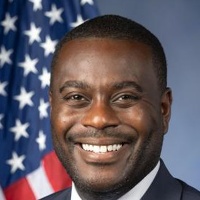
Gabe Amo
Representative
RI
Gabe Amo
Representative
RI
This bill, the SUPPLIES Act, mandates the Department of State and USAID to establish and publish clear procedures for managing leftover supplies when foreign aid projects conclude. The primary goal is to prevent the loss, destruction, or expiration of these unused commodities. These new guidelines must prioritize the proper disposition of residual supplies.
This bill ensures Medicare reimburses qualified providers for essential on-scene and support ambulance services even when patient transportation does not occur.
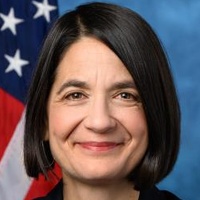
Becca Balint
Representative
VT
Becca Balint
Representative
VT
This bill, the Emergency Medical Services Reimbursement for On-Scene and Support Act, amends Medicare rules to ensure payment for certain ambulance services even when the patient is not transported. Beginning in 2026, Medicare will cover these on-scene or support services provided by qualified suppliers at a rate comparable to standard transport reimbursement.
This bill seeks to disapprove and nullify the Department of Veterans Affairs' final rule regarding "Reproductive Health Services."
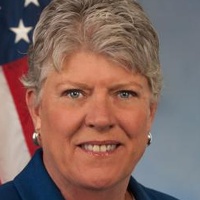
Julia Brownley
Representative
CA
Julia Brownley
Representative
CA
This resolution seeks to disapprove the Department of Veterans Affairs' final rule concerning "Reproductive Health Services" issued in September 2024. If enacted, this disapproval, made under the Congressional Review Act, would prevent the VA rule from taking legal effect.
This bill establishes strict procedures, including public notification and Inspector General review, for closing or reducing access to Social Security field offices while mandating minimum staffing levels to ensure continued vital services.
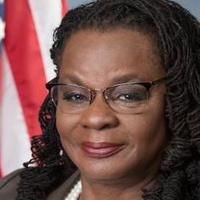
Gwen Moore
Representative
WI
Gwen Moore
Representative
WI
This bill establishes strict procedures, including public notification and hearings, that the Social Security Administration must follow before closing or reducing access to any field office. It mandates that field offices maintain adequate staffing and operating hours to ensure comprehensive and convenient public services. Furthermore, the legislation requires the Inspector General to review and approve any proposed office closure actions.
This resolution expresses the House's sense that protecting women's rights and leadership is critical for Haiti's stability while condemning current failures in centering their needs and calling for urgent human rights measures.
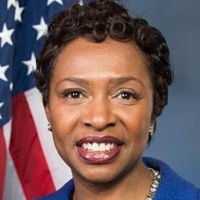
Yvette Clarke
Representative
NY
Yvette Clarke
Representative
NY
This resolution asserts that advancing the rights of women and girls in Haiti is crucial for the nation's stability and successful transition from crisis. It condemns the widespread gender-based violence and the exclusion of women from leadership roles in the transitional government. The bill calls for urgent measures to center women's needs, ensure their representation in government, and prioritize funding for survivor services and accountability for violence.
The Language Access for All Act of 2026 mandates that federal agencies implement comprehensive language assistance services, including translation and interpretation, to ensure meaningful access for individuals with limited English proficiency.
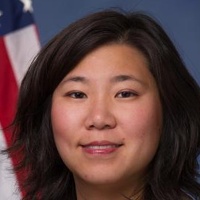
Grace Meng
Representative
NY
Grace Meng
Representative
NY
The Language Access for All Act of 2026 mandates that federal agencies provide meaningful access to programs and services for individuals with limited English proficiency. The bill requires agencies to implement comprehensive language access plans, establish technical standards for translation and interpretation, and appoint dedicated coordinators to ensure compliance. Additionally, it creates a public complaint system and sets strict guidelines for the use of AI in language services to ensure accuracy and accountability.
This bill establishes a non-legislative Permanent Select Committee on Aging in the House of Representatives to comprehensively study and coordinate policies affecting older Americans.
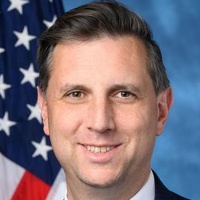
Seth Magaziner
Representative
RI
Seth Magaziner
Representative
RI
This bill proposes establishing a **Permanent Select Committee on Aging** within the House of Representatives. This committee will focus on conducting comprehensive studies regarding the challenges and needs of older Americans across various areas like health, income, and housing. It is important to note that this committee will not have legislative authority to write or vote on bills.
This bill establishes competitive federal grants for states to implement and expand financial literacy education in public elementary and secondary schools.
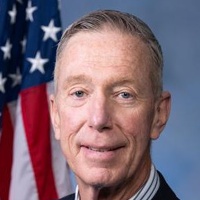
Stephen Lynch
Representative
MA
Stephen Lynch
Representative
MA
The Youth Financial Learning Act establishes a competitive grant program to incentivize states to integrate comprehensive financial literacy education into public elementary and secondary schools. State educational agencies will receive federal grants to award subgrants to local school districts for implementing and expanding curriculum on topics like credit and student loans. States must secure matching funds and prioritize districts demonstrating the greatest need to ensure broad access to financial education.
This bill prohibits political appointees from managing NIH programs or participating in NIH funding decisions, and prevents the NIH from unilaterally canceling existing research agreements without documented findings of mismanagement or fraud.

Diana DeGette
Representative
CO
Diana DeGette
Representative
CO
The Follow the Science Act aims to insulate the National Institutes of Health (NIH) from political influence by prohibiting most political appointees from working on or managing NIH programs. This legislation specifically bars political employees from participating in the review, selection, or awarding of NIH grants and contracts. Furthermore, it restricts the NIH Director from canceling or delaying existing funding agreements unless specific findings of mismanagement or fraud are documented and reported to Congress.