
Legislative Activity
Track Steve's sponsored bills, co-sponsored legislation, and voting record
This bill supports the designation of the third Friday of every March as "National FIRST Robotics Day" to promote STEM education and celebrate the role of robotics in American innovation.
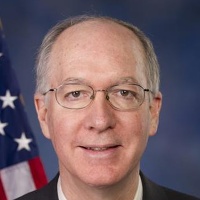
Bill Foster
Representative
IL
Bill Foster
Representative
IL
This resolution supports the designation of the third Friday of every March as "National FIRST Robotics Day" to celebrate the role of robotics in STEM education. It highlights the importance of hands-on robotics programs in preparing students for the 21st-century workforce and encourages schools to expand access to these innovative learning opportunities.
This bill establishes a dedicated section within the Department of Justice to enforce federal animal cruelty laws, enhance investigations and prosecutions, and improve inter-agency coordination.
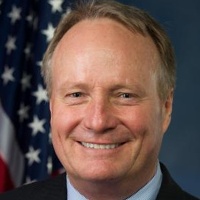
David Joyce
Representative
OH
David Joyce
Representative
OH
The Animal Cruelty Enforcement Act of 2025 establishes an Animal Cruelty Crimes Section within the Department of Justice to enforce federal animal cruelty laws, pursue investigations and prosecutions, and coordinate with other agencies. The section is required to submit an annual report to Congress regarding charges, convictions, and investigations. The bill recognizes the connection between animal cruelty and other crimes and aims to address the lack of dedicated enforcement of animal protection laws.
The "Due Process Continuity of Care Act" enables states to provide Medicaid coverage for individuals awaiting charges in medical institutions and supports states in planning and expanding healthcare access for this population.

Sylvester Turner
Representative
TX
Sylvester Turner
Representative
TX
The "Due Process Continuity of Care Act" aims to provide Medicaid coverage for individuals in custody awaiting charges in a medical institution, removing the existing inmate limitation on benefits. It authorizes the Secretary to award planning grants to states to support providing Medicaid assistance to eligible individuals and to prepare an application that meets specific requirements. The Act requires states to develop plans for assessing health treatment needs, increasing healthcare provider participation, and ensuring quality of care for patients in custody. It allocates $50,000,000 for these planning grants.
The "Accelerating Kids’ Access to Care Act of 2025" streamlines Medicaid and CHIP enrollment for out-of-state providers, increasing healthcare access for children.
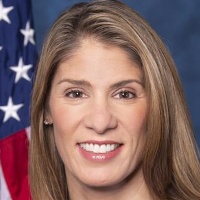
Lori Trahan
Representative
MA
Lori Trahan
Representative
MA
The "Accelerating Kids Access to Care Act of 2025" streamlines the enrollment process for out-of-state healthcare providers in Medicaid and CHIP, ensuring children under 21 have access to care from eligible providers across state lines. By reducing administrative burdens and unnecessary screening requirements, the Act aims to improve healthcare access for children while maintaining necessary safeguards against fraud and abuse. Participating providers will be enrolled for a 5-year period, and the changes will take effect three years after the Act's enactment.
This resolution supports the designation of February 16, 2025, as "International Black Aviation Professionals Day" to honor the historic achievements and ongoing contributions of Black pioneers in aviation and space exploration.
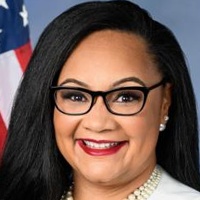
Nikema Williams
Representative
GA
Nikema Williams
Representative
GA
This resolution supports the designation of February 16, 2025, as "International Black Aviation Professionals Day" to honor the historic and ongoing contributions of Black Americans in aviation and space exploration. It celebrates the pioneers who broke racial and gender barriers in flight, military service, engineering, and leadership. Furthermore, the bill encourages public education and continued efforts to increase diversity and opportunity within the aviation workforce.
The bill modifies and extends funding for the World Trade Center Health Program, expands the types of healthcare providers who can certify mental health conditions, and requires a report to Congress on the program's budget.
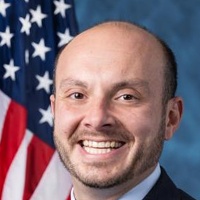
Andrew Garbarino
Representative
NY
Andrew Garbarino
Representative
NY
The 9/11 Responder and Survivor Health Funding Correction Act of 2025 amends the Public Health Service Act to improve the World Trade Center (WTC) Health Program by expanding the types of healthcare providers who can conduct mental health evaluations, modifying provider credentialing, clarifying enrollment calculations, and extending the time frame for adding health conditions for WTC responders. The act adjusts the funding formula for fiscal years 2026 through 2090 and requires the Secretary of Health and Human Services to report to Congress on the program's budget, including projected needs through 2090 and recommendations for changes to the funding formula. It also stipulates that remaining funds in the Supplemental Fund, Special Fund, and Pentagon-Shanksville Fund will revert to the Treasury.
This bill amends the Civilian Health and Medical Program of the Department of Veterans Affairs (CHAMPVA) to extend eligibility for medical care to children until their 26th birthday, regardless of marital status.
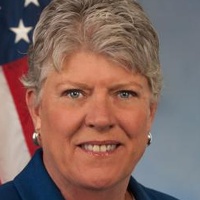
Julia Brownley
Representative
CA
Julia Brownley
Representative
CA
The CHAMPVA Children's Care Protection Act of 2025 amends the eligibility requirements for the Civilian Health and Medical Program of the Department of Veterans Affairs (CHAMPVA). This act increases the maximum age for eligible children to receive medical care under the program to 26 years old, regardless of their marital status. This change does not affect benefits for children incapable of self-support and takes effect for medical care provided on or after the enactment of this act.
The "Kids Access to Primary Care Act of 2025" aims to improve children's access to primary care by increasing Medicaid payments to primary care providers, including OB/GYNs, and encouraging the use of Bright Futures guidelines.
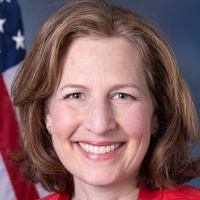
Kim Schrier
Representative
WA
Kim Schrier
Representative
WA
The "Kids Access to Primary Care Act of 2025" aims to improve children's healthcare access by increasing Medicaid payments for primary care services to match Medicare rates, expanding the types of providers eligible for these payments, and mandating compliance from Medicaid managed care plans. It also requires a study on the impact of these changes on enrollment and provider payment rates. Additionally, the Act encourages healthcare providers to utilize the Bright Futures guidelines for pediatric care.
The "Public Safety Free Speech Act" protects the free speech rights of public safety officers, allowing them to speak out on matters of public safety and working conditions without fear of retaliation, while also outlining exceptions for speech that incites violence, discrimination, or discloses confidential information.
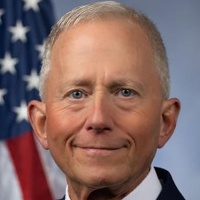
Jefferson Van Drew
Representative
NJ
Jefferson Van Drew
Representative
NJ
The "Public Safety Free Speech Act" protects the free speech rights of public safety officers, including law enforcement, firefighters, and EMS personnel, allowing them to express personal opinions on public safety, working conditions, and other related matters without fear of retaliation, while also outlining exceptions for speech that incites violence, discrimination, or discloses confidential information. This bill enables officers to sue their employers for adverse actions taken against them for exercising these rights and specifies the damages that can be awarded. This act does not preempt existing federal or state laws.
The "PSA Screening for HIM Act" ensures that high-risk men, including African-American men and those with a family history of prostate cancer, have access to prostate cancer screenings without cost-sharing under group health plans and insurance coverage.
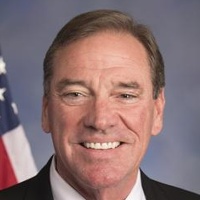
Neal Dunn
Representative
FL
Neal Dunn
Representative
FL
The "PSA Screening for HIM Act" aims to improve early detection of prostate cancer by requiring group health plans and health insurance issuers to cover prostate cancer screenings without cost-sharing for high-risk men aged 40 and over, including African-American men and those with a family history of the disease. This coverage mandate ensures that high-risk individuals have access to potentially life-saving screenings, aligning with the goal of reducing prostate cancer-related deaths and improving treatment outcomes. The Act defines "men with a family history of prostate cancer" as those with a first-degree relative with prostate cancer, associated cancers, or genetic alterations linked to increased risk. This provision is set to take effect for plan years starting on or after January 1, 2026.
This act authorizes the creation of the Smithsonian National Museum of the American Latino on the National Mall, ensuring diverse representation in its exhibits and programs.
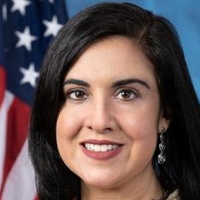
Nicole Malliotakis
Representative
NY
Nicole Malliotakis
Representative
NY
The Smithsonian National Museum of the American Latino Act authorizes the creation of the Smithsonian National Museum of the American Latino on the National Mall. It ensures the museum's exhibits and programs accurately represent the diverse cultures, histories, events, and values of Hispanic and Latino communities, seeking guidance from diverse sources. The Act also mandates regular reports to Congress on the museum's efforts to meet these diversity requirements.
The DRIVE Act of 2025 mandates that the VA increase veteran travel reimbursement rates to match the federal employee mileage rate and ensures veterans receive these payments within 90 days of submitting a complete claim.
Julia Brownley
Representative
CA
Julia Brownley
Representative
CA
The DRIVE Act of 2025 ensures that the Department of Veterans Affairs (VA) travel reimbursement rate for veterans' medical appointments will never fall below the standard federal employee mileage rate. This legislation mandates that the VA must process and pay these mileage allowances within 90 days of a veteran submitting a complete request. Essentially, the bill aims to increase equity and speed in compensating veterans for necessary travel to VA healthcare.
The "Black History Matters Act" directs the National Museum of African American History and Culture to study and report on the state of Black history education in public schools.
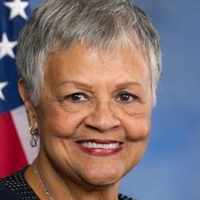
Bonnie Watson Coleman
Representative
NJ
Bonnie Watson Coleman
Representative
NJ
The Black History Matters Act directs the Director of the National Museum of African American History and Culture to study Black history education in public schools. The study will identify which states require Black history education, assess the quality of education, instructional materials, and analyze how schools assess students' knowledge. A report will then be submitted to Congress detailing the findings of the study.
The "Collision Avoidance Systems Act of 2025" mandates the Department of Transportation to update safety standards to allow and set performance standards for pulsating brake lights on vehicles to help prevent rear-end collisions.

Daniel Webster
Representative
FL
Daniel Webster
Representative
FL
The "Collision Avoidance Systems Act of 2025" permits and sets performance standards for pulsating light systems on vehicles to help prevent rear-end collisions. It mandates the Secretary of Transportation to update Federal Motor Vehicle Safety Standard Number 108 within 180 days to include these systems. The bill defines a pulsating light system as a high-mounted stop lamp that pulses rapidly up to 4 times within 1.2 seconds upon braking before converting to a continuous light.
The "Ending DOGE Conflicts Act" mandates financial disclosures for special government employees who own or lead companies contracting with the federal government, ensuring transparency and preventing conflicts of interest.

John Larson
Representative
CT
John Larson
Representative
CT
The "Ending DOGE Conflicts Act" mandates that special government employees with financial ties to companies contracting with the federal government must adhere to strict financial disclosure requirements. It requires the Director of the Office of Government Ethics to certify these employees' financial reports and prohibits them from performing official duties until compliance is confirmed.
This bill authorizes a Congressional Gold Medal to be awarded to the First Rhode Island Regiment in recognition of their heroic service during the Revolutionary War, particularly highlighting their integrated composition and valor at the Battle of Rhode Island.
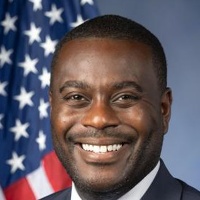
Gabe Amo
Representative
RI
Gabe Amo
Representative
RI
The "First Rhode Island Regiment Congressional Gold Medal Act" authorizes the creation of a Congressional Gold Medal to honor the First Rhode Island Regiment, a historically significant integrated unit that fought valiantly during the Revolutionary War. The medal will be presented to the Rhode Island State Library for public display and research. The Act also allows for the creation and sale of bronze duplicates of the medal to support the United States Mint Public Enterprise Fund.
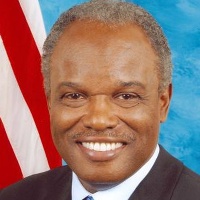
This bill provides additional funding for scholarships to students at 1890 institutions, including both bachelor's and graduate programs, with mandatory funding starting in 2025.
David Scott
Representative
GA
David Scott
Representative
GA
This bill amends the National Agricultural Research, Extension, and Teaching Policy Act of 1977 to expand scholarship opportunities at 1890 institutions to both bachelor's and graduate students. It provides mandatory funding of $15 million per fiscal year, starting in 2025, through the Commodity Credit Corporation, and makes discretionary funding available from fiscal year 2020 onward. The scholarships will be available each academic year that funding is available.
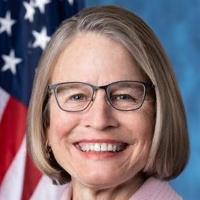
The "Alternatives to PAIN Act" aims to improve Medicare Part D coverage for non-opioid pain management drugs by reducing cost-sharing and removing barriers like step therapy and prior authorization, starting in 2026.
Mariannette Miller-Meeks
Representative
IA
Mariannette Miller-Meeks
Representative
IA
The "Alternatives to PAIN Act" amends Medicare Part D to improve access to non-opioid pain management drugs by waiving deductibles and ensuring they are placed on the lowest cost-sharing tier starting in 2026. The Act also prohibits the use of step therapy and prior authorization requirements for these drugs, further easing access for patients. These changes aim to provide more accessible alternatives for pain management, reducing reliance on opioids.
The "National Plan for Epilepsy Act" aims to create a comprehensive national strategy to improve epilepsy prevention, diagnosis, treatment, and research through coordinated federal efforts and an advisory council.

Jim Costa
Representative
CA
Jim Costa
Representative
CA
The "National Plan for Epilepsy Act" aims to address the significant impact of epilepsy by establishing a comprehensive national plan for its prevention, diagnosis, treatment, and cure. This act mandates the creation of an Advisory Council on Epilepsy Research, Care, and Services, composed of federal and non-federal experts, to evaluate and improve federally funded epilepsy efforts. The council will provide recommendations to enhance coordination, diagnosis, treatment, research, and public awareness, and reduce the financial burden of epilepsy on families. Ultimately, the act seeks to improve the lives of individuals with epilepsy and their caregivers through coordinated research, improved access to care, and enhanced public awareness.
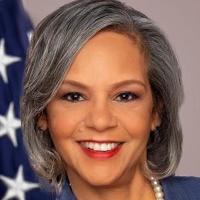
The PREEMIE Reauthorization Act of 2025 extends funding for research and programs aimed at preventing premature births and improving the health outcomes of preterm infants, while also mandating a comprehensive study on preterm birth in the U.S.
Robin Kelly
Representative
IL
Robin Kelly
Representative
IL
The "PREEMIE Reauthorization Act of 2025" extends funding for research on preterm births and infant care through 2029. It directs the Department of Health and Human Services to establish an interagency working group to address premature birth issues and mandates a comprehensive study by the National Academies of Sciences, Engineering, and Medicine on preterm births, including cost analysis, risk factor identification, and best practices for prevention and treatment. A report on the study's findings must be submitted to Congress and the Secretary of Health and Human Services within 24 months.