Legislative Activity
Track Kathy's sponsored bills, co-sponsored legislation, and voting record
This Act prohibits the advertising and provision of paid conversion therapy intended to change an individual's sexual orientation or gender identity, empowering the FTC and State Attorneys General to enforce these prohibitions.
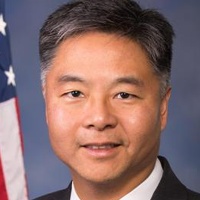
Ted Lieu
Representative
CA
Ted Lieu
Representative
CA
The Therapeutic Fraud Prevention Act of 2025 declares that practices attempting to change an individual's sexual orientation or gender identity for payment constitute an unfair and deceptive business practice. Citing professional consensus on the ineffectiveness and harm of such "conversion therapy," the bill prohibits its provision and advertising. Enforcement authority is granted to the Federal Trade Commission (FTC), and the law allows both the U.S. Attorney General and State Attorneys General to file civil actions against violators.
This joint resolution officially recognizes the critical importance of the U.S. Special Operations Forces community and expresses support for designating an annual SOF Week to honor their service.
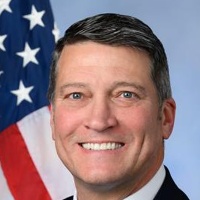
Ronny Jackson
Representative
TX
Ronny Jackson
Representative
TX
This joint resolution formally recognizes the critical importance and exceptional service of the United States Special Operations Forces (SOF) community. It expresses gratitude for the dedication, bravery, and sacrifices made by SOF personnel and their families in executing the nation's most demanding missions. Furthermore, the resolution supports the designation of an annual "SOF Week" to honor their vital contributions to national security.
The HOME Act of 2025 establishes federal prohibitions against housing price gouging during declared affordable housing crises and mandates investigations into market manipulation, excessive institutional purchasing, and unfair rental screening practices.
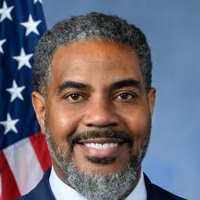
Steven Horsford
Representative
NV
Steven Horsford
Representative
NV
The HOME Act of 2025 aims to combat the affordable housing crisis by prohibiting price gouging on rentals and sales during officially declared crisis periods. It mandates investigations into housing market manipulation, including excessive purchases by large investors, and establishes a new HUD unit to monitor and enforce fair housing practices. Furthermore, the bill directs regulators to set standards for Fannie Mae and Freddie Mac investments to protect renters from unfair rent hikes and requires a review of anti-competitive behavior in housing markets.
This Act establishes federal penalties for assaulting hospital personnel and creates a grant program to help medical facilities improve workforce safety.
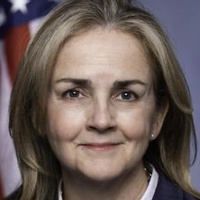
Madeleine Dean
Representative
PA
Madeleine Dean
Representative
PA
The Save Healthcare Workers Act aims to protect hospital personnel by making assault against them a federal crime with severe penalties. It also establishes a new federal grant program to help hospitals implement crucial safety measures, such as violence prevention training and physical security upgrades. This legislation seeks to reduce workplace violence in healthcare settings across the nation.
This resolution expresses the House's sense that the severe turmoil in Cameroon warrants the creation of a specific humanitarian parole program by the Department of Homeland Security for Cameroonian nationals fleeing violence.
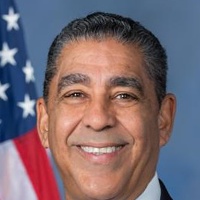
Adriano Espaillat
Representative
NY
Adriano Espaillat
Representative
NY
This resolution expresses the sense of the House that the severe, ongoing violence and humanitarian crisis in Cameroon warrants immediate action. It calls on the Department of Homeland Security to establish a specific humanitarian parole program for Cameroonian nationals fleeing persecution. The bill highlights the dangers returnees face and seeks to address the historical lack of such programs for African nations.
This resolution urges the Secretary of Health and Human Services to withdraw any reduction in public notice and comment opportunities during the rulemaking process.

Lizzie Fletcher
Representative
TX
Lizzie Fletcher
Representative
TX
This House resolution urges the Secretary of Health and Human Services (HHS) to withdraw a recent notice that would reduce opportunities for public comment on new regulations. It affirms the importance of robust public input in the rulemaking process, which directly affects millions of Americans. The resolution calls for HHS to maintain its existing, open procedures for gathering feedback before finalizing any policy changes.
The Better CARE for Animals Act of 2025 strengthens the enforcement of the Animal Welfare Act by expanding investigative authority, establishing new civil penalties up to \$10,000 per day, and explicitly granting the Attorney General power to file civil actions, including seeking seizure and forfeiture of animals.
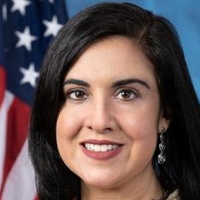
Nicole Malliotakis
Representative
NY
Nicole Malliotakis
Representative
NY
The Better CARE for Animals Act of 2025 significantly strengthens enforcement of the Animal Welfare Act by clarifying definitions and expanding the scope of investigations. It grants the Attorney General explicit authority to file civil actions seeking penalties up to $10,000 per day, and mandates that collected fines help cover temporary animal care costs. The bill also requires the Secretary of Agriculture and the Attorney General to establish a formal agreement for coordinated enforcement.
This bill bans the manufacture, sale, and transfer of specific semiautomatic assault weapons and large-capacity ammunition feeding devices while grandfathering existing possessions and establishing new transfer requirements.
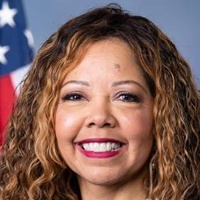
Lucy McBath
Representative
GA
Lucy McBath
Representative
GA
The Assault Weapons Ban of 2025 comprehensively defines and bans the manufacture, sale, and transfer of specific semiautomatic assault weapons and large capacity ammunition feeding devices. The bill grandfathers existing weapons but imposes new requirements for their secure storage and mandates dealer involvement for future private transfers. It also allows federal grant money to be used by states for buy-back programs targeting these banned items.
This bill repeals the Arctic National Wildlife Refuge oil and gas program and designates over 1.5 million acres of the refuge as protected wilderness.
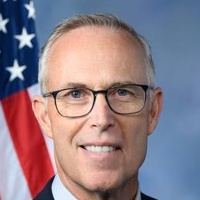
Jared Huffman
Representative
CA
Jared Huffman
Representative
CA
The Arctic Refuge Protection Act officially repeals the previous law authorizing oil and gas leasing in the Arctic National Wildlife Refuge. This legislation simultaneously designates approximately 1.56 million acres within the Refuge as protected wilderness under the National Wilderness Preservation System. The Secretary of the Interior is now required to manage this newly designated land according to strict wilderness preservation standards.
The Equality Act comprehensively prohibits discrimination based on sex, sexual orientation, and gender identity across key areas including public accommodations, employment, housing, credit, and jury service.
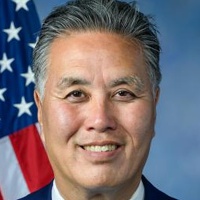
Mark Takano
Representative
CA
Mark Takano
Representative
CA
The Equality Act comprehensively expands federal civil rights protections against discrimination based on sex, sexual orientation, and gender identity across key areas of American life. It amends existing laws to prohibit discrimination in public accommodations, housing, credit, employment, and federal funding. The purpose of the bill is to provide consistent, explicit, and comprehensive remedies for individuals facing bias in these essential sectors.
This Act significantly increases the civil and criminal penalties, including fines and jail time, for causing oil spills under federal law.
Ted Lieu
Representative
CA
Ted Lieu
Representative
CA
The Increasing Penalties for Offshore Polluters Act significantly strengthens federal enforcement against oil spills. This legislation revises the Federal Water Pollution Control Act to establish much higher minimum and maximum civil fines for polluters. Furthermore, it substantially increases the criminal penalties, doubling the maximum jail time and fines associated with various levels of oil spill violations.
This bill mandates the FCC to create and maintain a public list of entities holding communications licenses that have ownership or control by foreign adversaries.
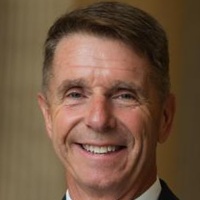
Robert Wittman
Representative
VA
Robert Wittman
Representative
VA
The Foreign Adversary Communications Transparency Act requires the FCC to create and maintain a public list of entities holding FCC authorizations or licenses that have ownership or control by entities linked to designated foreign adversaries. This process begins with an initial list based on existing reporting requirements and expands through new rulemaking to capture a broader range of potentially influenced companies. The goal is to increase transparency regarding foreign influence over critical communications infrastructure licensed by the U.S. government.
This Act mandates that hotels and short-term rentals must clearly display the total, all-inclusive price upfront in all advertisements to prevent hidden fees.

Young Kim
Representative
CA
Young Kim
Representative
CA
The Hotel Fees Transparency Act of 2025 mandates that hotels and short-term rentals must prominently display the total, all-inclusive price upfront in all advertisements, excluding only government taxes and optional fees. This new federal standard is designed to eliminate hidden fees by requiring the advertised price to reflect the base rate plus all mandatory service charges. The Federal Trade Commission (FTC) and State Attorneys General will enforce these rules against deceptive pricing practices.
This resolution recognizes the vital contributions of linemen, often acting as first responders, and supports designating April 18, 2025, as "National Lineman Appreciation Day."
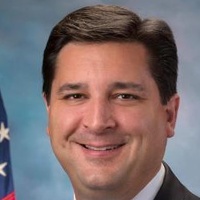
David Rouzer
Representative
NC
David Rouzer
Representative
NC
This resolution officially recognizes the vital and dangerous work performed by power linemen who maintain our electrical infrastructure and ensure public safety. It highlights their crucial role as first responders, often working in hazardous conditions after disasters. Furthermore, the resolution supports the designation of April 18, 2025, as "National Lineman Appreciation Day" to formally honor their service.
The Historic Tax Credit Growth and Opportunity Act of 2025 modifies rehabilitation tax credits by increasing rates for small projects, eliminating basis adjustments, and changing eligibility rules for various building improvements.
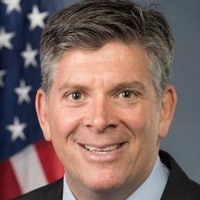
Darin LaHood
Representative
IL
Darin LaHood
Representative
IL
The Historic Tax Credit Growth and Opportunity Act of 2025 significantly enhances historic rehabilitation tax incentives. It establishes a permanent 20% credit rate for qualified expenditures and introduces an optional 30% credit for smaller projects, which includes the ability to transfer the credit. Furthermore, the bill simplifies calculations by eliminating the requirement to reduce the property's basis when claiming the credit.
This Act establishes a federal grant program for states, local governments, and eligible dealers to conduct gun buybacks using restricted smart prepaid cards, and criminalizes the use of those cards for firearm or ammunition purchases.
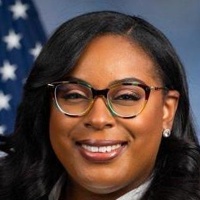
LaMonica McIver
Representative
NJ
LaMonica McIver
Representative
NJ
The Safer Neighborhoods Gun Buyback Act of 2025 establishes a federal grant program administered by the Bureau of Justice Assistance to fund state, local, and tribal governments, as well as eligible gun dealers, to conduct local gun buyback events. These buybacks must utilize specially designed "smart prepaid cards" that are technologically barred from purchasing firearms or ammunition. The bill also creates a new federal crime with significant penalties for anyone using or accepting these specific prepaid cards to illegally acquire or transfer a firearm or ammunition.
This Act authorizes the Secretary of the Interior to enter into Memoranda of Understanding with foreign countries to cooperatively map critical mineral and rare earth element reserves to secure U.S. supply chains.
Robert Wittman
Representative
VA
Robert Wittman
Representative
VA
The Finding Opportunities for Resource Exploration Act, or Finding ORE Act, authorizes the Secretary of the Interior, through the USGS, to enter into Memoranda of Understanding with foreign partners. These agreements focus on cooperatively mapping critical mineral and rare earth element reserves in partner countries. The goal is to secure supply chains by prioritizing development opportunities for U.S. and allied companies, while ensuring data security.
This Act funds state systems to track real-time hospital bed capacity affecting emergency department wait times and mandates CMMI pilot programs to improve emergency care for older adults and those in psychiatric crisis.
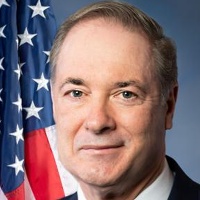
John Joyce
Representative
PA
John Joyce
Representative
PA
The ABC-ED Act of 2025 aims to alleviate emergency department boarding and crowding by modernizing public health data systems to track real-time hospital bed capacity. It also directs the Center for Medicare and Medicaid Innovation to pilot programs specifically improving emergency care for older adults and those in acute psychiatric crisis. Finally, the bill mandates a study on best practices for statewide, real-time capacity tracking systems and their impact on ER wait times.
This Act establishes a 30% tax credit for businesses investing in qualifying on-site or municipal water reuse projects to encourage the use of recycled water.
Darin LaHood
Representative
IL
Darin LaHood
Representative
IL
The Advancing Water Reuse Act establishes a new "qualifying water reuse project credit" to incentivize businesses to recycle water. This credit offers a 30% tax break on qualified investments in on-site water recycling systems or infrastructure that supports industrial or commercial water reuse. The tax incentive is designed to encourage the adoption of water conservation technologies until the end of 2032.
This act increases the maximum loan amounts available to small businesses under certain SBA programs and mandates annual reporting on the distribution of those enhanced loans.
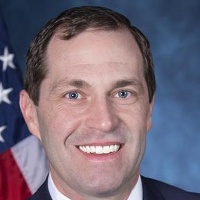
Jason Crow
Representative
CO
Jason Crow
Representative
CO
The Small Business Energy Loan Enhancement Act significantly increases the maximum loan amounts available to eligible small businesses under specific Small Business Administration (SBA) programs, raising the limit from $\$5.5$ million to $\$10$ million. This legislation also mandates that the SBA report annually to Congress detailing the industries and geographic areas benefiting from these enhanced loan categories. The goal is to provide greater financial resources for small businesses through SBA lending.