
Legislative Activity
Track Jim's sponsored bills, co-sponsored legislation, and voting record
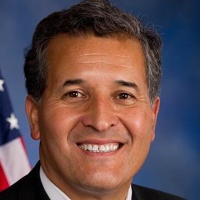
This bill prohibits the Department of Housing and Urban Development from disclosing individual records to immigration enforcement agencies without explicit consent or a written request from the individual.
Juan Vargas
Representative
CA
Juan Vargas
Representative
CA
This bill prohibits the Secretary of Housing and Urban Development (HUD) from disclosing individual records to immigration enforcement agencies. HUD records are protected from sharing unless the individual provides consent or makes a written request in a language they understand. The legislation also prevents HUD from compelling public housing agencies to share these confidential records for immigration purposes.
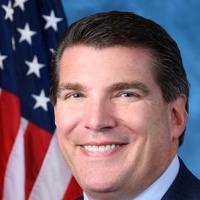
This Act mandates a comprehensive review of liquid cooling technologies for data centers to address growing energy demands driven by AI.
Jay Obernolte
Representative
CA
Jay Obernolte
Representative
CA
The Liquid Cooling for AI Act of 2025 addresses the rapidly growing energy demands of AI data centers by mandating a comprehensive review of liquid cooling technologies. This review, conducted by the GAO, will assess the costs, benefits, and market readiness of systems like direct-to-chip and immersion cooling. Ultimately, the bill seeks to establish federal standards and recommendations to promote the efficient and secure deployment of advanced cooling solutions necessary for future high-performance computing.
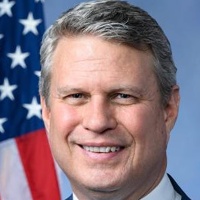
This Act establishes sanctions against Pakistani officials undermining democracy and human rights, while urging the U.S. government to promote democratic institutions in Pakistan until September 30, 2030.
Bill Huizenga
Representative
MI
Bill Huizenga
Representative
MI
The Pakistan Freedom and Accountability Act expresses strong U.S. support for democracy and human rights in Pakistan, citing concerns over military influence and recent election interference. This legislation directs the President to identify and impose sanctions on Pakistani officials responsible for undermining democratic processes or committing serious human rights abuses. The Act emphasizes the need for civilian control over the military and sets an expiration date for its provisions in September 2030.
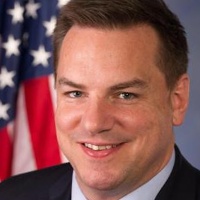
The RESULTS Act reforms how Medicare determines payment rates for clinical diagnostic laboratory tests by mandating the use of comprehensive, real-world private payor claims data collected from an independent entity.
Richard Hudson
Representative
NC
Richard Hudson
Representative
NC
The Reforming and Enhancing Sustainable Updates to Laboratory Testing Services Act of 2025 (RESULTS Act) aims to improve Medicare payment rates for clinical lab tests by mandating the collection of more accurate, real-world payment data directly from large, independent private insurance claims databases. This legislation updates definitions, collection timelines, and calculation methods to ensure Medicare payments for widely available tests reflect current market rates. It also establishes default payment rules if sufficient private payor data cannot be secured.
The PART Act establishes new federal requirements for marking catalytic converters, creates a grant program for VIN stamping, tightens record-keeping for used parts dealers, and increases criminal penalties for theft and trafficking of catalytic converters.
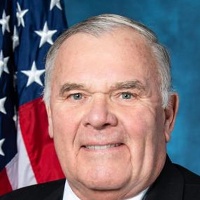
James Baird
Representative
IN
James Baird
Representative
IN
The PART Act aims to combat catalytic converter theft by requiring new vehicles to have traceable identifying markers on these parts. It establishes a federal grant program to help entities stamp identifying numbers onto existing converters. Furthermore, the bill imposes strict record-keeping requirements on businesses that buy used converters and creates new federal criminal penalties for stealing or trafficking stolen catalytic converters.
This Act modernizes Medicare utilization requirements for rural facilities employing Physician Assistants and Nurse Practitioners by aligning their practice and oversight with state laws.
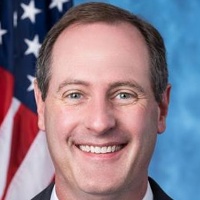
Tracey Mann
Representative
KS
Tracey Mann
Representative
KS
The Modernizing Rural Physician Assistant and Nurse Practitioner Utilization Act of 2025 updates Medicare payment requirements for facilities not directly directed by a physician. It mandates that these facilities must have formal arrangements with Physician Assistants (PAs) or Nurse Practitioners (NPs) whose practice adheres to state laws and regulations. These changes are set to take effect on January 1, 2027.
This bill removes the Medicare exclusion for services provided in facilities primarily focused on mental disease treatment, effective January 1, 2027.
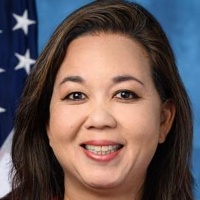
Jill Tokuda
Representative
HI
Jill Tokuda
Representative
HI
The Rural Behavioral Health Improvement Act of 2025 aims to enhance behavioral healthcare access in rural areas by modifying Medicare coverage rules. This bill specifically removes the existing exclusion that prevents Medicare payment for services provided in facilities primarily focused on treating mental diseases. This significant change is scheduled to take effect on January 1, 2027.
This act updates the population threshold defining an "urban area" to maintain eligibility for Rural Health Clinics under the Medicare program, effective January 1, 2027.
Tracey Mann
Representative
KS
Tracey Mann
Representative
KS
The Rural Health Clinic Location Modernization Act of 2025 updates the criteria for clinics to qualify as Rural Health Clinics (RHCs) under Medicare. This legislation revises the definition of an "urban area," setting a new population threshold of 50,000 people to determine eligibility. These changes to the location standards will take effect starting January 1, 2027.
This bill formally integrates Puerto Rico into the federal Supplemental Nutrition Assistance Program (SNAP) structure, outlining a transition plan away from its current block grant system.
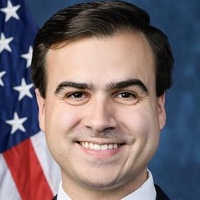
Pablo José Hernández Rivera
Representative
PR
Pablo José Hernández Rivera
Representative
PR
The Puerto Rico Nutrition Assistance Fairness Act aims to integrate Puerto Rico into the federal Supplemental Nutrition Assistance Program (SNAP) structure, aligning it with other territories like Guam. The bill mandates a transition period where Puerto Rico must submit a plan of operation to the Secretary of Agriculture for approval to join SNAP. During this transition, existing block grant funding may continue for up to five years while the territory moves toward full participation under federal SNAP rules.
This Act strengthens privacy protections for Farm Service Agency borrowers by prohibiting the disclosure of their personal loan and payment information to certain government employees, with limited exceptions.
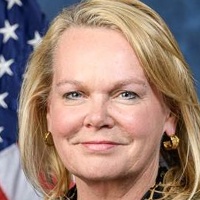
April McClain Delaney
Representative
MD
April McClain Delaney
Representative
MD
The Protecting Agricultural Borrower Information Act strengthens privacy protections for individuals receiving loans or payments from the Farm Service Agency (FSA). This legislation prohibits FSA employees from sharing specific borrower data with certain government personnel unless the information is aggregated or the borrower provides voluntary consent. The Act establishes significant penalties, including fines and imprisonment, for intentional violations of these new privacy standards.
This bill extends enhanced financial assistance for purchasing health insurance through the Marketplace until the end of 2026.
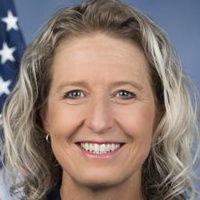
Jennifer Kiggans
Representative
VA
Jennifer Kiggans
Representative
VA
The Bipartisan Premium Tax Credit Extension Act extends the enhanced financial assistance available for purchasing health insurance through the Marketplace. This legislation pushes the expiration date for these boosted premium tax credits, including those for higher earners, from the end of 2025 through the end of 2026. Essentially, it ensures continued, robust subsidies for Marketplace health coverage.
This bill establishes a USDA grant program to help specialty crop producers purchase and receive training for new automation and mechanization equipment.
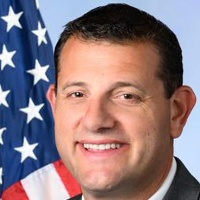
David Valadao
Representative
CA
David Valadao
Representative
CA
This bill establishes a new grant program administered by the Secretary of Agriculture to help specialty crop producers become more competitive. These grants will assist eligible entities in purchasing advanced mechanized or automated equipment and providing necessary training for its use. Recipients must provide matching funds equal to at least 50 percent of the total project cost. The covered technology ranges widely, including harvesting tools, sorting machinery, traceability systems, and advanced IoT and robotic equipment.
This bill establishes a grant program for eligible organizations to implement domestic market development and promotion activities for U.S.-grown specialty crops.
David Valadao
Representative
CA
David Valadao
Representative
CA
The Specialty Crop Domestic Market Promotion and Development Program Act of 2025 establishes a program for the Secretary of Agriculture to award grants to eligible organizations. These grants will fund domestic market development programs, including advertising and promotion activities, for domestically produced specialty crops. Recipients must submit a marketing plan and provide non-Federal matching funds of at least 25%. The Act authorizes $75 million annually for this purpose starting in fiscal year 2026.
This bill establishes a grant program through the USDA to fund domestic market development projects for U.S.-grown specialty crops, requiring a minimum 25% non-federal match.
David Valadao
Representative
CA
David Valadao
Representative
CA
The Specialty Crop Domestic Market Promotion and Development Program Act of 2025 establishes a new federal grant program to boost the domestic market for U.S.-grown specialty crops. The Secretary of Agriculture will award funds to eligible organizations to execute approved marketing and development projects. Recipients must provide non-Federal matching funds and adhere to strict spending guidelines monitored through annual reviews and audits.
The SUN Act mandates timely and detailed congressional reporting and oversight for the domestic deployment of National Guard and reserve forces by the President, excluding deployments solely for natural disaster relief.
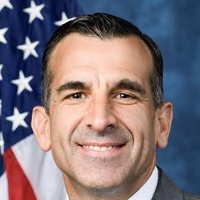
Sam Liccardo
Representative
CA
Sam Liccardo
Representative
CA
The Safeguarding the Use of the National Guard Act (SUN Act) enhances Congressional oversight of the President's domestic deployment of National Guard and reserve forces. It requires the President to submit a detailed report to Congress within 15 days outlining the legal justification, goals, costs, and impact of any domestic deployment. This reporting requirement is waived only when reserve forces are deployed specifically following a Presidential declaration under the Robert T. Stafford Act for a natural disaster.
The Data BRIDGE Act mandates the FCC to update the national broadband map to specifically include the locations of agricultural areas after consulting with relevant agencies.
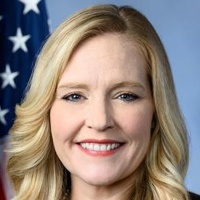
Erin Houchin
Representative
IN
Erin Houchin
Representative
IN
The Data BRIDGE Act mandates that the FCC update its national broadband map to specifically include the locations of agricultural areas. This update must be completed within 180 days of the bill's enactment. To ensure accuracy, the FCC is required to consult with the Secretary of Agriculture and other relevant stakeholders during this process. This action aims to better identify broadband coverage gaps affecting farms.
This act mandates that the Department of Veterans Affairs must provide abortion care, counseling, and related services and medication to eligible veterans and certain other individuals.
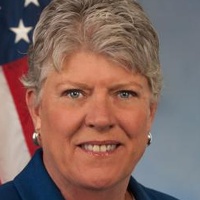
Julia Brownley
Representative
CA
Julia Brownley
Representative
CA
The Reproductive Freedom for Veterans Act mandates that the Department of Veterans Affairs (VA) must now provide abortion care, counseling, and related medication as part of the medical services offered to eligible veterans and certain other beneficiaries. This legislation formally amends existing VA health care provisions to include these reproductive health services.
This bill updates voting rights requirements by expanding language assistance definitions, creating incentive grants for voluntary translation services, and mandating a study on lowering language assistance thresholds.
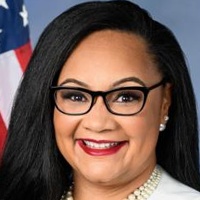
Nikema Williams
Representative
GA
Nikema Williams
Representative
GA
The Expanding the VOTE Act updates language assistance requirements under the Voting Rights Act by modernizing the definition of "voting materials" to include digital information. It also establishes new state responsibilities for providing language assistance and creates a grant program to incentivize voluntary language support beyond current mandates. Furthermore, the bill includes special provisions for unwritten American Indian and Alaska Native languages and mandates a study on lowering thresholds for language assistance coverage.
This resolution designates the week of August 3 through August 9, 2025, as "National Farmers Market Week" to recognize the vital economic, community, and health contributions of farmers markets.
David Valadao
Representative
CA
David Valadao
Representative
CA
This resolution officially designates the week of August 3 through August 9, 2025, as "National Farmers Market Week." It recognizes the vital role farmers markets play in supporting local economies, increasing access to healthy food, and connecting communities. The designation aims to shine a spotlight on the significant contributions these markets make nationwide.
The Wildfire Emergency Preparedness Act of 2025 establishes national training programs, creates a new Under Secretary for Fire Coordination, enhances firefighter health research, and provides supplemental funding and support for wildland fire response.
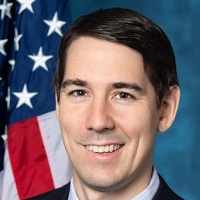
Josh Harder
Representative
CA
Josh Harder
Representative
CA
The Wildfire Emergency Preparedness Act of 2025 aims to significantly enhance national readiness for wildfires and wildland-urban interface fires. It establishes a national training plan and grant program for structural firefighters, creates a new high-level Under Secretary for Fire Coordination within the Department of Agriculture, and boosts firefighter health and safety research. Furthermore, the Act authorizes supplemental funding for local departments to purchase protective gear and receive specialized training.