Legislative Activity
Track Jim's sponsored bills, co-sponsored legislation, and voting record
The SPEED Act reforms the National Environmental Policy Act (NEPA) by streamlining environmental reviews, limiting the scope of analysis, establishing strict timelines, and imposing new limitations on judicial review to expedite federal project development.
Bruce Westerman
Representative
AR
Bruce Westerman
Representative
AR
The SPEED Act aims to streamline and expedite federal project reviews by reforming the National Environmental Policy Act (NEPA). It clarifies NEPA as a procedural statute, narrows the scope of environmental effects agencies must consider, and establishes strict timelines for agency decisions. Furthermore, the bill imposes significant limitations on judicial review, requiring courts to defer to agency judgment and limiting remedies to remanding the action for correction rather than vacating permits.
This bill designates the United States Postal Service facility located at 2121 Meridian Park Boulevard in Concord, California, as the "Carl Jefferson Post Office Building."
Mark DeSaulnier
Representative
CA
Mark DeSaulnier
Representative
CA
This bill officially designates the United States Postal Service facility located at 2121 Meridian Park Boulevard in Concord, California, as the "Carl Jefferson Post Office Building." All future official references to this location will bear this name.
The ARMENIA Security Partnership Act mandates a review of U.S. security assistance for Armenia and restricts aid to Azerbaijan unless specific conditions regarding regional peace and human rights are met.

Gus Bilirakis
Representative
FL
Gus Bilirakis
Representative
FL
The ARMENIA Security Partnership Act requires the Secretary of Defense to certify that Azerbaijan has taken specific steps toward peace and regional stability before continuing certain security waivers. If this certification cannot be made, the Act mandates a comprehensive review of Armenia’s defense needs and restricts the President’s authority to waive security assistance limitations. This legislation aims to bolster Armenia’s self-defense capabilities and deter regional aggression.
This bill establishes a five-year prohibition and strict licensing requirements for exporting advanced integrated circuits to designated countries of concern.
Gregory Meeks
Representative
NY
Gregory Meeks
Representative
NY
The RESTRICT Act establishes a five-year prohibition on exporting certain advanced integrated circuits to designated "countries of concern." It amends export control laws to require a license for exporting these sensitive chips to any "covered country." The bill also sets strict criteria for U.S. persons to qualify for an exemption from these licensing requirements.
This resolution condemns antisemitism amplified by AI, urges robust platform safeguards, and encourages stakeholder collaboration to counter this threat while upholding constitutional rights.

Sara Jacobs
Representative
CA
Sara Jacobs
Representative
CA
This resolution condemns antisemitism in all its forms, particularly its proliferation on artificial intelligence (AI) platforms. It urges technology companies to implement robust, transparent safeguards to prevent AI systems from generating or amplifying antisemitic content. The bill encourages the development of standards, research, and public awareness initiatives to combat this threat while ensuring all actions remain consistent with constitutional protections.
The Disaster Survivors Tax Relief and Recovery Act provides targeted tax relief, retirement account flexibility, and housing credit support for individuals and businesses affected by major federally declared disasters occurring in 2025.
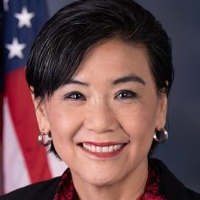
Judy Chu
Representative
CA
Judy Chu
Representative
CA
The Disaster Survivors Tax Relief and Recovery Act provides essential financial support to individuals and businesses impacted by major disasters occurring in 2025. The bill offers temporary tax relief, including flexible income calculations for tax credits, penalty-free access to retirement funds, and expanded deductions for charitable contributions and casualty losses. Additionally, it incentivizes the development of affordable housing in disaster-stricken areas and extends tax exclusions for wildfire-related compensation.
The American Affordability Act of 2025 is a comprehensive bill designed to lower costs for families through expanded housing assistance, clean energy tax credits, monthly child payments, education relief, and enhanced healthcare subsidies.
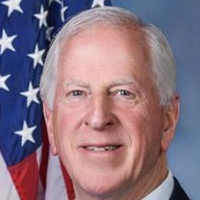
Mike Thompson
Representative
CA
Mike Thompson
Representative
CA
The American Affordability Act of 2025 is a comprehensive bill designed to lower costs across five key areas: housing, energy, family care, education, and healthcare. It achieves this by expanding tax credits for housing construction and homebuyers, extending incentives for clean energy manufacturing and consumer adoption, replacing the Child Tax Credit with larger monthly payments, making higher education expenses more affordable, and permanently expanding subsidies to lower health insurance premiums for millions. Overall, the legislation aims to provide direct financial relief and increase access to essential services for American families and workers.
The Essential Caregivers Act of 2025 guarantees nursing home and long-term care residents the right to designate an essential caregiver who maintains access to them even during public health emergencies.

Claudia Tenney
Representative
NY
Claudia Tenney
Representative
NY
The Essential Caregivers Act of 2025 protects the rights of residents in long-term care facilities to designate an essential caregiver who can provide support and companionship. This legislation ensures that these caregivers maintain in-person access to residents even during public health emergencies when general visitation is restricted. By establishing clear protocols and an appeals process, the bill aims to prevent the harmful effects of isolation and ensure residents continue to receive vital care and advocacy.
This act removes the White House and its grounds from a specific list of protected properties under existing historic preservation law.
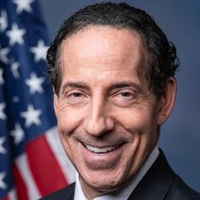
Jamie Raskin
Representative
MD
Jamie Raskin
Representative
MD
The People's White House Historic Preservation Act removes the White House and its grounds from a specific list of properties under current preservation law. This action reclassifies the status of the White House regarding federal historic preservation regulations.
This bill authorizes Congress to award Congressional Gold Medals to the 1980 U.S. Men's Olympic Ice Hockey team for their historic "Miracle on Ice" victory.
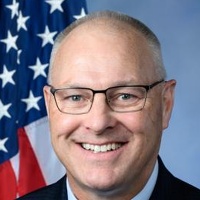
Pete Stauber
Representative
MN
Pete Stauber
Representative
MN
This bill, the Miracle on Ice Congressional Gold Medal Act, officially authorizes Congress to award Congressional Gold Medals to the 1980 U.S. Men's Olympic Ice Hockey Team for their historic "Miracle on Ice" victory. The medals will be struck by the Treasury and permanently displayed at specific national sports museums. The Act also permits the sale of duplicate bronze medals to cover production costs.
This act nullifies a recent Executive Order regarding federal labor relations and ensures existing collective bargaining agreements remain in effect.
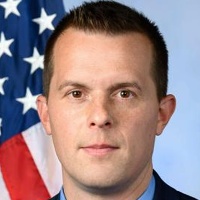
Jared Golden
Representative
ME
Jared Golden
Representative
ME
The Protect America's Workforce Act nullifies a specific Executive Order issued in March 2025 concerning exclusions from federal labor-management relations programs. This legislation ensures that any existing collective bargaining agreements between federal agencies and employee unions remain fully in effect until their stated expiration dates. The Act also prohibits the use of federal funds to implement the overturned Executive Order.
This act establishes a process for federal agencies to identify and address regulatory hurdles impeding major water-supply and storage projects in California.
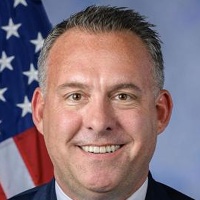
Adam Gray
Representative
CA
Adam Gray
Representative
CA
The Water Agency and Transparency Enhancement Review (WATER) Act directs federal agencies to swiftly identify and address regulatory hurdles impeding major water-supply and storage projects in California. It mandates the designation of compliance officials to review and propose plans for suspending or revising regulations that unduly burden these critical water infrastructure projects. This process aims to streamline permitting and accelerate water delivery while ensuring compliance with necessary environmental and public interest standards.
The Build Now Act mandates a one-year deadline for completing environmental reviews required for federal permits for Central Valley Project enhancement projects.
Adam Gray
Representative
CA
Adam Gray
Representative
CA
The Build Now Act aims to streamline infrastructure development by establishing a strict one-year deadline for completing environmental reviews required for federal permits related to Central Valley Project enhancement projects. If the deadline is missed, the permit applicant must approve an extension or the permit will be denied. This legislation seeks to accelerate crucial water infrastructure projects, including groundwater recharge and aquifer storage initiatives.
This act authorizes over \$4.5 billion in federal funding for 22 specific water infrastructure and groundwater management projects across California's Central Valley.
Adam Gray
Representative
CA
Adam Gray
Representative
CA
The Central Valley Water Solution Act establishes a program to provide over \$4.5 billion in financial and technical assistance for 22 specific water infrastructure projects within California's Central Valley Project. This funding targets critical needs such as groundwater storage, water quality treatment, and major canal capacity corrections. The Secretary of the Interior is tasked with implementing these projects in coordination with California and affected Indian Tribes. Importantly, the authorized funds are non-reimbursable, except for certain planning studies.
This bill extends enhanced premium tax credits for 2026, establishes strict anti-fraud measures for health insurance agents and brokers, imposes new accountability and transparency requirements on Pharmacy Benefit Managers (PBMs) in Medicare, and extends the 2026 open enrollment period.
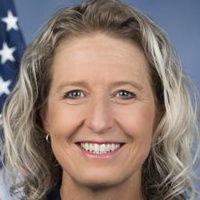
Jennifer Kiggans
Representative
VA
Jennifer Kiggans
Representative
VA
The CommonGround for Affordable Health Care Act extends enhanced premium tax credits for Marketplace health insurance through 2026, while also establishing strict new penalties and verification processes to combat fraud by agents and brokers in health insurance exchanges. Furthermore, the bill imposes significant new transparency and accountability requirements on Pharmacy Benefit Managers (PBMs) contracting with Medicare Part D plans. Finally, it extends the 2026 open enrollment period and creates a fast-track legislative process for future premium tax credit reform bills.
This bill officially designates the U.S. Postal Service facility at 130 South Patterson Avenue in Santa Barbara, California, as the Brigadier General Frederick R. Lopez Post Office Building.
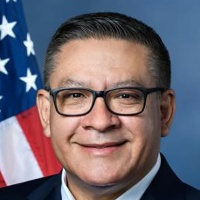
Salud Carbajal
Representative
CA
Salud Carbajal
Representative
CA
This bill officially designates the United States Postal Service facility located at 130 South Patterson Avenue in Santa Barbara, California, as the **Brigadier General Frederick R. Lopez Post Office Building**. This change ensures all federal records and documents will use the new name for this specific post office.
This bill extends and enhances Affordable Care Act premium tax credits, implements anti-fraud measures for insurance enrollment, increases PBM accountability in Medicare Part D, mandates full rebate pass-through for ERISA plans, and expands Health Savings Account eligibility for certain Exchange enrollees.
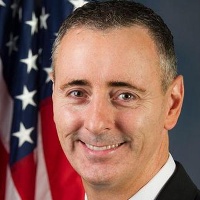
Brian Fitzpatrick
Representative
PA
Brian Fitzpatrick
Representative
PA
The Bipartisan Health Insurance Affordability Act aims to lower healthcare costs by extending and enhancing premium tax credits for Marketplace insurance through 2027. It also institutes strict new anti-fraud measures and verification processes for agents and brokers enrolling consumers in Exchange plans. Furthermore, the bill imposes significant transparency and accountability requirements on Pharmacy Benefit Managers (PBMs) in Medicare Part D and mandates a full pass-through of rebates in certain private health plans. Finally, it expands access to Health Savings Accounts (HSAs) for certain Exchange enrollees.
This bill mandates a report on the feasibility of using emerging technologies to enhance internet freedom in Iran.
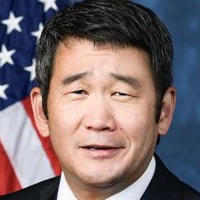
Dave Min
Representative
CA
Dave Min
Representative
CA
The Feasibility Review of Emerging Equipment for Digital Open Media Act (FREEDOM Act) mandates the Secretary of State to report on internet freedom in Iran. This report must assess the feasibility of using emerging technologies, like direct-to-cell wireless, to expand internet access. It will also analyze the impact of current drone and jamming technologies on these efforts.
The College Athletics Reform Act establishes Name, Image, and Likeness (NIL) rights for college athletes, regulates sports agents, creates a commission to study college sports governance, and expands financial disclosure requirements for institutions.
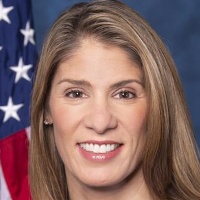
Lori Trahan
Representative
MA
Lori Trahan
Representative
MA
The College Athletics Reform Act establishes comprehensive federal standards for college athletics, primarily by securing Name, Image, and Likeness (NIL) rights for college athletes and prohibiting restrictions on their ability to earn compensation or obtain professional representation. The bill also introduces new regulations for sports agents, mandates significant expansion of financial and participation data disclosure by institutions, and establishes a new Commission to study and recommend future governance structures for college sports. Finally, it amends broadcasting law to exempt certain large athletic association media agreements from antitrust scrutiny.
This bill prohibits the use of AI-driven prior authorization models, like the WISeR Model, for services covered under traditional Medicare Parts A and B.
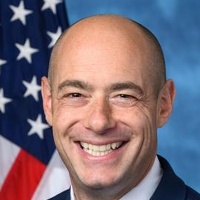
Greg Landsman
Representative
OH
Greg Landsman
Representative
OH
This Act, the "Ban AI Denials in Medicare Act," prohibits the Secretary of Health and Human Services from implementing the WISeR Model or any substantially similar model that uses prior authorization under traditional Medicare. Furthermore, it amends the authority of the Center for Medicare and Medicaid Innovation to prevent the testing of any new model that requires prior authorization for services covered under Medicare Part A or Part B.