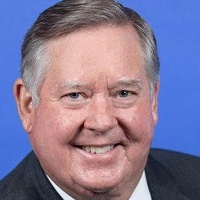
Legislative Activity
Track Ken's sponsored bills, co-sponsored legislation, and voting record
The Birthright Citizenship Act of 2025 limits automatic birthright citizenship to children born in the U.S. to at least one parent who is a U.S. citizen, a lawful permanent resident, or an alien serving in the U.S. armed forces.
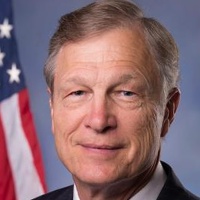
Brian Babin
Representative
TX
Brian Babin
Representative
TX
The Birthright Citizenship Act of 2025 proposes to limit automatic birthright citizenship to children born in the United States who have at least one parent who is a U.S. citizen, a lawful permanent resident, or an alien serving in the U.S. armed forces. This legislation would exclude children born to parents without legal status or those on temporary visas from receiving automatic citizenship. These changes would apply only to individuals born on or after the date of the Act's enactment.
The Qualified Immunity Act of 2025 codifies existing legal protections for law enforcement officers and their employing agencies against civil liability when constitutional rights were not clearly established at the time of the alleged violation.

Virginia Foxx
Representative
NC
Virginia Foxx
Representative
NC
The Qualified Immunity Act of 2025 codifies existing legal protections for law enforcement officers, shielding them from individual liability when their conduct does not violate clearly established law. The bill further ensures that if an officer is found not liable under these standards while acting within the scope of their employment, their employing agency is also protected from liability.
This legislation permanently increases the standard deduction for head of household and single filers while establishing a new formula for annual inflation adjustments.

Max Miller
Representative
OH
Max Miller
Representative
OH
The Permanent Tax Cuts for American Families Act of 2025 permanently increases the standard deduction for head of household and single filers. This legislation also establishes a new formula for annual inflation adjustments to ensure these deduction amounts remain current. These changes take effect for taxable years beginning after the date of enactment.
This bill mandates the implementation of the Migrant Protection Protocols, requiring the Secretary of Homeland Security to return qualifying noncitizens arriving from contiguous countries to Mexico or Canada during their immigration proceedings.
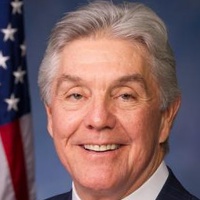
Roger Williams
Representative
TX
Roger Williams
Representative
TX
The Make the Migrant Protection Protocols Mandatory Act of 2025 amends the Immigration and Nationality Act to require, rather than permit, the return of certain noncitizens to Mexico or Canada while their immigration proceedings are pending. This legislation removes discretionary authority from the Department of Homeland Security, effectively mandating the implementation of the "Remain in Mexico" policy.
The Thin Blue Line Act amends federal law to include the killing or attempted killing of law enforcement officers, firefighters, and other first responders as an aggravating factor in capital sentencing cases.

Vern Buchanan
Representative
FL
Vern Buchanan
Representative
FL
The Thin Blue Line Act amends federal law to designate the killing or attempted killing of a law enforcement officer, firefighter, or first responder as an aggravating factor in capital sentencing. This legislation ensures that when a jury considers the death penalty, they must take into account whether the victim was targeted due to their status as a public servant or while performing their official duties.
The FIND Act prohibits federal agencies from contracting with entities that discriminate against the firearm and ammunition industry, ensuring fair access to government contracts for these businesses. Contractors must certify they do not discriminate against firearm entities, with violations leading to contract termination.

Jack Bergman
Representative
MI
Jack Bergman
Representative
MI
The FIND Act prohibits federal agencies from contracting with entities that discriminate against the firearm and ammunition industry. It requires federal contractors to certify they do not discriminate against firearm entities and prohibits them from awarding subcontracts to entities that do not provide a similar certification. Violations of these clauses will result in contract termination. The act defines "discriminate" as making judgments or refusing/limiting services based on biased criteria, rather than case-by-case evaluations, empirical data, financial risk, or legal non-compliance.
This bill proposes a constitutional amendment mandating a balanced federal budget, requiring congressional supermajorities to raise the debt limit or increase revenue, and tasking the President with submitting a balanced budget to Congress annually. These rules can be waived during declared wars or serious military conflicts.
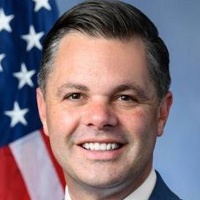
Zachary (Zach) Nunn
Representative
IA
Zachary (Zach) Nunn
Representative
IA
This bill proposes a constitutional amendment mandating a balanced federal budget, requiring that government spending not exceed income unless a supermajority in Congress approves. It also necessitates a supermajority to increase the national debt and a majority vote to raise revenue. The amendment includes exceptions for declared wars or serious military threats and would take effect five years after ratification, tasking Congress with its enforcement.
The "Lowering Costs for Caregivers Act of 2025" expands the use of health savings accounts, flexible spending arrangements, health reimbursement arrangements, and Archer MSAs to include medical expenses of parents, allowing more flexible use of these funds for elder care. These changes aim to provide tax relief and greater financial flexibility for families supporting their parents' healthcare needs.
Vern Buchanan
Representative
FL
Vern Buchanan
Representative
FL
The "Lowering Costs for Caregivers Act of 2025" expands the use of tax-advantaged health accounts, including HSAs, FSAs, HRAs and Archer MSAs, to cover medical expenses of parents. This allows individuals to use these funds for their parents' or their spouse's parents' medical care. These changes aim to provide financial relief to caregivers by allowing pre-tax dollars to be used for elder care. The provisions apply to expenses and contributions made after December 31, 2024.
The Regulations from the Executive in Need of Scrutiny (REINS) Act of 2025 increases congressional accountability by requiring federal agencies to obtain legislative approval for all "major" rules before they can take effect.
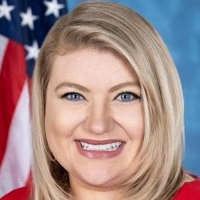
Katherine Cammack
Representative
FL
Katherine Cammack
Representative
FL
The Regulations from the Executive in Need of Scrutiny (REINS) Act of 2025 aims to increase federal regulatory accountability by requiring Congress to approve any "major" rule before it can take effect. Under this legislation, rules with a significant economic impact require a joint resolution of approval from both chambers of Congress to become law. By shifting this authority back to the legislative branch, the Act seeks to ensure greater transparency and oversight of the federal rulemaking process.