Legislative Activity
Track Josh's sponsored bills, co-sponsored legislation, and voting record
This resolution censures Delegate Stacey Plaskett and removes her from the House Intelligence Committee for allegedly colluding with convicted sex offender Jeffrey Epstein during a congressional hearing.
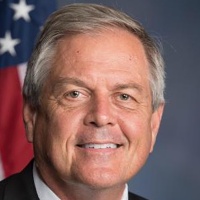
Ralph Norman
Representative
SC
Ralph Norman
Representative
SC
This resolution censures and condemns Delegate Stacey Plaskett for allegedly colluding with convicted sex offender Jeffrey Epstein during a 2019 congressional hearing. It cites evidence suggesting Plaskett coordinated her line of questioning with Epstein in real-time via text message. Consequently, the bill removes Delegate Plaskett from the House Permanent Select Committee on Intelligence and directs an ethics investigation into her conduct.
This bill revokes the security clearances of former defense personnel who lobby for specific Chinese military companies.
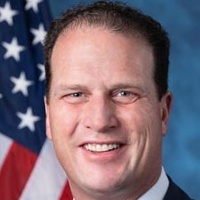
August Pfluger
Representative
TX
August Pfluger
Representative
TX
The Restricting Ex-Vetted Officials from Knowledge Exploitation (REVOKE) Act mandates the Secretary of Defense to suspend or revoke the security clearances of former military or DoD personnel who lobby for specific Chinese military companies. This prohibition applies to entities identified on both congressional defense reports and the Treasury Department's related list. The Secretary may grant a national security-based waiver for up to 180 days.
This bill impeaches Chief Judge James E. Boasberg for allegedly authorizing improper nondisclosure orders that infringed upon the legislative duties of several Members of Congress.
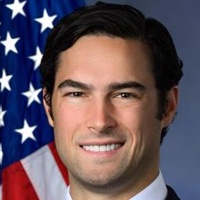
Brandon Gill
Representative
TX
Brandon Gill
Representative
TX
This resolution initiates impeachment proceedings against Chief Judge James E. Boasberg of the U.S. District Court for the District of Columbia for high crimes and misdemeanors. The core allegation is that Judge Boasberg improperly authorized nondisclosure orders related to an FBI investigation that covered Members of Congress acting under their legislative duties. These actions are cited as compromising the separation of powers and violating existing federal statute regarding notification of legal process. The resolution calls for the judge's removal from office based on these alleged improprieties.
This bill revokes tax-exempt status under section 501(c)(3) for the Council on American-Islamic Relations and any organization found to have ties to terrorism.
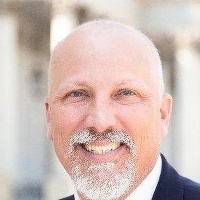
Chip Roy
Representative
TX
Chip Roy
Representative
TX
This bill, the "No Tax Exemptions For Terror Act," proposes to revoke the tax-exempt status under section 501(c)(3) of the Internal Revenue Code for the Council on American-Islamic Relations and any other organization found to have ties to terrorism or terrorist organizations. This change would apply to all future taxable years.
This Act adjusts the Federal Medical Assistance Percentage (FMAP) for the District of Columbia's Medicaid program, setting a temporary phase-down schedule until 2030 before reverting to the standard calculation.
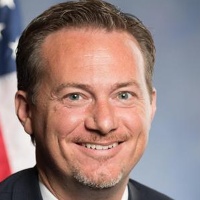
Michael Cloud
Representative
TX
Michael Cloud
Representative
TX
The District of Columbia Medicaid Fairness Act adjusts the Federal Medical Assistance Percentage (FMAP) used for calculating D.C.'s Medicaid funding. The bill establishes a temporary, declining federal matching rate for D.C. between 70% and 55% through fiscal year 2029. After 2029, D.C.'s FMAP will revert to the standard calculation method.
The SAFE Drivers Act mandates that all commercial driver's license applicants and renewal candidates must pass a standardized English proficiency test approved by the FMCSA.
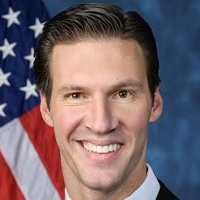
Pat Harrigan
Representative
NC
Pat Harrigan
Representative
NC
The SAFE Drivers Act mandates that all applicants for a Commercial Driver's License (CDL) or learner's permit must pass a standardized English proficiency test approved by the FMCSA. This requirement applies immediately upon the bill's enactment for all new and renewing applicants. States are responsible for administering the test, and failure to comply with these new federal oversight rules may result in the withholding of federal highway funding.
This bill authorizes the striking and presentation of a Congressional Gold Medal to Donald J. Trump in recognition of his alleged extraordinary peacemaking efforts and brokered international agreements.
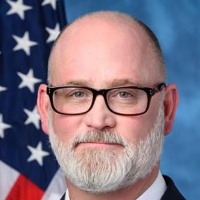
Derrick Van Orden
Representative
WI
Derrick Van Orden
Representative
WI
This bill authorizes the striking and presentation of a Congressional Gold Medal to Donald J. Trump in recognition of his alleged extraordinary peacemaking efforts globally. Congress specifically cites several purported international peace deals and ceasefires secured by the former President as justification for this high honor. The Act also outlines the process for creating and selling bronze duplicates of the medal to cover production costs.
This bill impeaches U.S. District Judge Deborah Boardman for high crimes and misdemeanors based on her allegedly lenient sentencing of an individual who attempted to assassinate Supreme Court Justice Brett Kavanaugh.
Chip Roy
Representative
TX
Chip Roy
Representative
TX
This bill initiates impeachment proceedings against United States District Judge Deborah Boardman for high crimes and misdemeanors. The grounds for impeachment center on her sentencing decision in the attempted assassination case of Supreme Court Justice Brett Kavanaugh. The resolution alleges that Judge Boardman imposed an inappropriately lenient sentence based on ideological considerations, violating the constitutional standard of good behavior required for judicial office.
This bill denies or revokes all immigration benefits for individuals adhering to Sharia law, making them inadmissible or deportable without judicial review.
Chip Roy
Representative
TX
Chip Roy
Representative
TX
The Preserving a Sharia-Free America Act aims to prohibit any individual who adheres to Sharia law from receiving immigration benefits, visas, or admission into the United States. This legislation mandates the denial or revocation of immigration status for adherents, making them inadmissible or deportable. Furthermore, any false statements regarding Sharia adherence to federal officials will result in severe immigration penalties, and all related determinations are explicitly barred from judicial review.
The Protecting America’s Roads Act tightens Commercial Driver's License requirements by mandating proof of citizenship or lawful presence, ending foreign CDL reciprocity, and enhancing immigration enforcement cooperation regarding commercial vehicle operators.
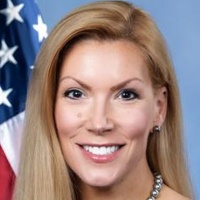
Beth Van Duyne
Representative
TX
Beth Van Duyne
Representative
TX
The Protecting America’s Roads Act establishes stricter requirements for obtaining and maintaining a Commercial Driver's License (CDL), mandating proof of U.S. citizenship or lawful presence for all applicants. This legislation also requires states to verify non-citizen status through the SAVE system and limits the duration of licenses issued to non-citizens. Furthermore, the Act terminates reciprocity agreements that recognize foreign commercial driver's licenses for operation within the U.S.
This Act prohibits federal crime-fighting grants to state and local jurisdictions that restrict cash bail for serious offenses or have cut police budgets without a justifiable, across-the-board shortfall.
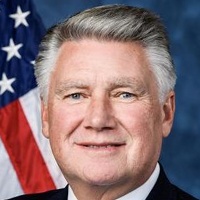
Mark Harris
Representative
NC
Mark Harris
Representative
NC
The No Funding for Lawless Jurisdictions Act restricts federal crime-fighting grants to state and local governments that limit cash bail for serious offenses or release convicted felons on personal recognizance. Furthermore, jurisdictions that cut their police budgets in the preceding year are ineligible for these funds, unless the cut was part of a fair, government-wide budget reduction. This legislation aims to ensure federal support only goes to jurisdictions maintaining traditional public safety and law enforcement funding standards.
The Chloe Cole Act prohibits healthcare professionals from performing chemical or surgical mutilation on minors by linking the prohibition to interstate commerce and establishes a private right of action for victims to sue.
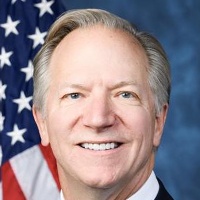
Robert Onder
Representative
MO
Robert Onder
Representative
MO
The Chloe Cole Act prohibits healthcare professionals from engaging in chemical or surgical mutilation of minors, defined as specific medical interventions intended to alter appearance or biological function related to sex. This prohibition is enforced through federal jurisdiction when interstate commerce is involved in the procedure. The bill also establishes a private right of action, allowing individuals subjected to these procedures as minors to sue participating providers, and sets strict liability standards for future violations.
This bill mandates that states prohibit issuing standard driver's licenses to non-citizens or non-lawful permanent residents or face the withholding of 50% of their federal highway funding.
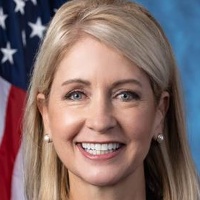
Mary Miller
Representative
IL
Mary Miller
Representative
IL
The SAFE Driving Laws Act aims to ensure that states only issue standard driver's licenses to U.S. citizens or lawful permanent residents. To comply, states must prohibit issuing licenses to non-citizens and must cooperate fully with federal immigration enforcement information sharing. States failing to meet these requirements starting in fiscal year 2027 will face the withholding of 50% of their federal highway funding.
This resolution condemns the assassination of Charlie Kirk and honors his life, legacy, and commitment to civil discourse.
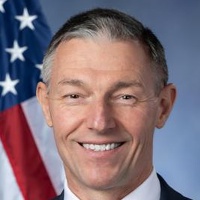
Mike Kennedy
Representative
UT
Mike Kennedy
Representative
UT
This resolution condemns the assassination of conservative activist Charlie Kirk and extends condolences to his family. It honors his life and legacy, recognizing his founding of Turning Point USA and his commitment to encouraging civil discourse on college campuses.
This resolution strongly condemns the assassination of Charlie Kirk and calls for national change inspired by his life and tragic death.
Mary Miller
Representative
IL
Mary Miller
Representative
IL
This resolution strongly condemns the assassination of conservative activist Charlie Kirk on September 10, 2025, during his national speaking tour. It honors his life, his founding of Turning Point USA, and his dedication to conservative principles. Ultimately, the document calls for national unity and reaffirms the commitment to protecting the right to peaceful assembly and free expression.
This resolution supports designating September 12th as "The Day of the Bible" to honor the historical significance of the first officially approved American printing of the Bible and its influence on U.S. values.
Michael Cloud
Representative
TX
Michael Cloud
Representative
TX
This joint resolution expresses support for designating September 12th annually as "The Day of the Bible" to honor the historical significance of the Bible in shaping American culture and values. The resolution specifically commemorates the anniversary of the 1782 Congressional approval for printing the first complete English Bible in the United States. If enacted, it would require the President to issue an annual proclamation encouraging citizens to observe the day.
This Act officially renames the Department of Defense to the Department of War and changes the title of its head to the Secretary of War.
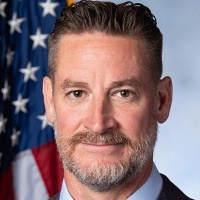
W. Steube
Representative
FL
W. Steube
Representative
FL
The Department of War Restoration Act of 2025 officially renames the Department of Defense to the Department of War. This change also renames the Secretary of Defense to the Secretary of War. The Act ensures all existing laws and documents are updated to reflect this new nomenclature.
The Safe Students Act repeals the Gun-Free School Zones Act of 1990, eliminating the federal ban on possessing firearms within 1,000 feet of a school.
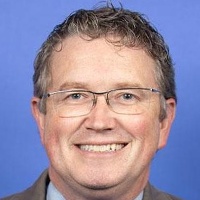
Thomas Massie
Representative
KY
Thomas Massie
Representative
KY
The Safe Students Act completely repeals the federal Gun-Free School Zones Act of 1990, eliminating the previous ban on possessing firearms within 1,000 feet of a school. This action removes the specific federal prohibition and cleans up related definitions and penalty structures within the U.S. Code.
This Act establishes a federal database to identify and prohibit federal funding for state and local governments deemed to have sanctuary policies that conflict with immigration enforcement.
Chip Roy
Representative
TX
Chip Roy
Representative
TX
The Sanctuary Penalty and Public Protection Act of 2025 establishes a federal database to identify and publicly list state and local governments deemed to have policies that obstruct federal immigration enforcement. Jurisdictions placed on this "sanctuary jurisdiction" list will be prohibited from receiving or using any new federal funding. This act aims to penalize local governments that refuse to fully cooperate with federal immigration detainers and enforcement requests.
The Fairness for Khobar Act of 2025 authorizes lump-sum catch-up payments for victims of the 1983 Beirut barracks bombing and 1996 Khobar Towers bombing who missed out on earlier payments due to incorrect Department of Justice guidance.
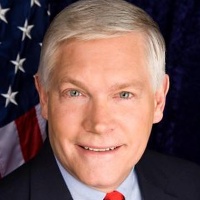
Pete Sessions
Representative
TX
Pete Sessions
Representative
TX
The Fairness for Khobar Act of 2025 ensures that certain victims of the 1983 Beirut barracks bombing and the 1996 Khobar Towers bombing receive overdue lump sum payments. This legislation corrects past injustices where victims were denied payments due to relying on incorrect guidance from the Department of Justice. The Act mandates the Special Master to authorize these catch-up payments using designated reserve funds.