Legislative Activity
Track Jack's sponsored bills, co-sponsored legislation, and voting record
This resolution recognizes Michigan's history and celebrates the significant contributions of its citizens to the United States as the nation approaches its 250th anniversary.

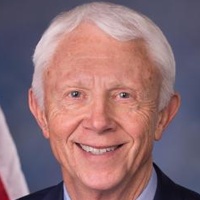
John Moolenaar
Representative
MI
John Moolenaar
Representative
MI
This resolution recognizes Michigan's admission as the 26th state and celebrates the significant contributions of its people to the United States. It uses the upcoming 250th anniversary of the Declaration of Independence as an occasion to reflect on Michigan's lasting impact on the nation.
The Securing Agriculture's Workforce Act of 2026 modernizes the H-2A visa program by streamlining the application process through a centralized online platform, updating labor and housing requirements, and expanding the definition of eligible agricultural work.
Glenn Thompson
Representative
PA
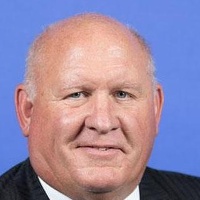
Glenn Thompson
Representative
PA
The Securing Agriculture's Workforce Act of 2026 modernizes the H-2A visa program to better support the agricultural industry by streamlining application processes and establishing a centralized online portal for employers. The bill updates labor certification, housing, and wage requirements while expanding the definition of eligible agricultural work to include a broader range of activities. Additionally, it enhances worker protections—including new heat illness prevention standards—and provides greater administrative efficiency for federal agencies managing the program.
This resolution expresses support for designating June 2026 as National Post-Traumatic Stress Awareness Month and June 27, 2026, as National Post-Traumatic Stress Awareness Day to raise awareness and reduce the stigma surrounding PTSD, especially among veterans.
Scott Peters
Representative
CA
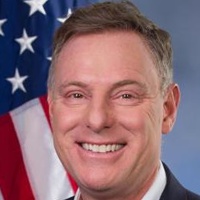
Scott Peters
Representative
CA
This resolution expresses support for designating June 2026 as "National Post-Traumatic Stress Awareness Month" and June 27, 2026, as "National Post-Traumatic Stress Awareness Day." The goal is to raise public understanding and reduce the stigma surrounding post-traumatic stress, particularly among veterans. By promoting awareness, the bill seeks to encourage timely treatment for those suffering from this often-untreated condition.
This bill extends the window for military survivors to contribute death benefits to a Roth IRA or Coverdell ESA from one year to three years.
Mike Thompson
Representative
CA
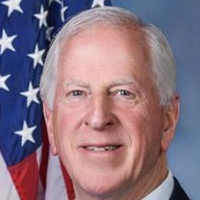
Mike Thompson
Representative
CA
The GRACE for Military Survivors Act extends the window for military survivors to contribute death benefits to a Roth IRA or Coverdell education savings account from one year to three years. This change applies to benefits received on or after the date of enactment, and retroactively covers benefits received since October 7, 2001. This provides survivors with more time to utilize these tax-advantaged savings options.
This bill renames and revises the Great American Outdoors Act's maintenance fund, increases dedicated funding through new, higher fees for foreign visitors, and sets spending priorities for deferred maintenance across public lands agencies.
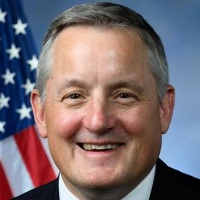
Bruce Westerman
Representative
AR
Bruce Westerman
Representative
AR
This bill, the Great American Outdoors Act 250, significantly reforms and renames the existing public lands restoration fund to the America’s Legacy Restoration Fund. It secures dedicated funding streams, primarily from energy revenues and new fees on foreign visitors, to address critical deferred maintenance across the National Park Service, Forest Service, and other public land agencies. The legislation establishes strict spending priorities for infrastructure repair while also creating pilot programs for enhancing outdoor recreation and sportsmen's access. Finally, it mandates increased transparency and accountability through standardized metrics and public reporting on all funded projects.
This bill establishes paid rest and recuperation leave for federal wildland firefighters and permanently waives overtime pay caps for these employees.
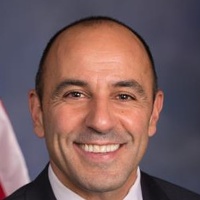
Jimmy Panetta
Representative
CA
Jimmy Panetta
Representative
CA
The Support our Firefighters Act establishes paid rest and recuperation leave for federal wildland firefighters within the Forest Service and Department of the Interior. It also permanently waives overtime pay caps for these federal employees. Furthermore, the bill authorizes a limited transfer of funds between agency accounts to ensure continuity of base salary increases and associated premium pay for wildland firefighters.
This bill establishes a free, voluntary program to provide veteran borrowers with expert support services to help them understand and navigate their VA home loan benefits.
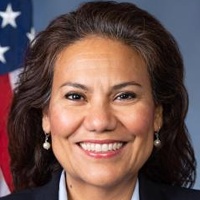
Veronica Escobar
Representative
TX
Veronica Escobar
Representative
TX
The VA Home Loan Navigator Act establishes a new, free program to provide comprehensive housing loan support services to veteran borrowers. This program will offer education, guidance, and assistance navigating all aspects of their VA home loan benefits, from eligibility to foreclosure prevention. Services will be delivered by independent, neutral third-party organizations approved by the VA and HUD. Participation is entirely voluntary for the borrower.
This bill significantly expands federal immunity for firearm manufacturers and sellers by immediately dismissing existing lawsuits and establishing strict limitations and procedural hurdles for future civil liability claims.
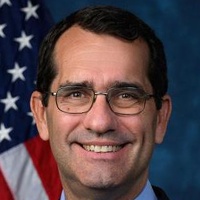
Derek Schmidt
Representative
KS
Derek Schmidt
Representative
KS
The Stopping Harmful and Outrageous Torts Act significantly expands legal immunity for firearm manufacturers, sellers, and trade associations by redefining terms within existing federal law. It mandates the immediate dismissal of pending lawsuits against these entities and establishes strict new standards for any exceptions that might apply. Furthermore, the bill preempts state and local laws that attempt to impose liability based on the criminal misuse of qualified products.
The **Take Care of America’s Veterans Act** comprehensively reforms veteran benefits, healthcare access, education opportunities, and VA organizational structure to improve services and increase accountability across the board.
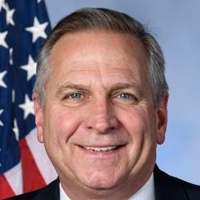
Mike Bost
Representative
IL
Mike Bost
Representative
IL
The **Take Care of America’s Veterans Act** is a comprehensive bill designed to strengthen benefits and modernize services across compensation, education, health care, and VA operations. It eliminates benefit offsets for disabled retirees, expands educational flexibility, sets new standards for timely health care access, and invests in VA technology and infrastructure. Overall, the legislation aims to provide faster, fairer, and more comprehensive support for veterans and their families.
This bill establishes a mandatory timeline and binding arbitration process to expedite the negotiation of first-time collective bargaining agreements between employers and newly certified unions.
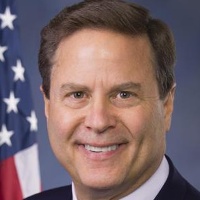
Donald Norcross
Representative
NJ
Donald Norcross
Representative
NJ
The Faster Labor Contracts Act aims to speed up the process of securing a first collective bargaining agreement after a union is certified. It establishes a mandatory timeline, including mediation and binding arbitration, if an agreement is not reached within 90 days of bargaining. This process is designed to prevent lengthy delays that currently weaken the union's position. The bill also requires a GAO report on current time-to-contract averages.
This bill establishes federal restrictions and penalties for operating unmanned aircraft systems over major U.S. seaports to enhance national and economic security.
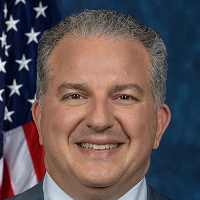
Jimmy Patronis
Representative
FL
Jimmy Patronis
Representative
FL
The Seaport Security Act of 2026 establishes federal restrictions on operating unmanned aircraft systems (drones) over major U.S. seaports to counter national security and smuggling risks. This law prohibits unauthorized drone flights up to 1,000 feet above covered port airspace, with specific exceptions for authorized government or emergency operations. Violators face significant civil penalties up to \$25,000, and willful or malicious violations can result in criminal charges and up to ten years in prison.
This resolution recognizes the vital economic and historical contributions of American automotive workers, particularly in Michigan, and supports designating September 2026 as "American Automotive Worker Recognition Month."
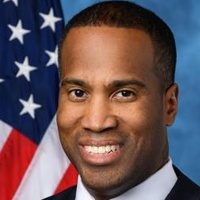
John James
Representative
MI
John James
Representative
MI
This resolution recognizes the vital economic and historical contributions of American automotive workers, with a special focus on Michigan's central role in the industry. It highlights the sector's impact on national manufacturing, job creation, and security. The resolution further expresses support for designating September 2026 as "American Automotive Worker Recognition Month."
This bill authorizes the Department of Defense to enter into agreements with federal wildlife agencies, providing funding in exchange for expedited environmental reviews of priority military programs and projects.
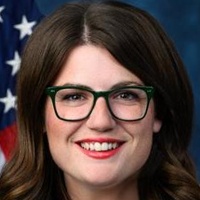
Sarah Elfreth
Representative
MD
Sarah Elfreth
Representative
MD
This bill, the Military Readiness Permitting Efficiency Act of 2026, authorizes the Department of Defense (DoD) to enter into agreements with federal wildlife agencies to expedite environmental reviews for priority military programs. Under these agreements, the DoD can provide direct financial assistance to hire personnel to complete reviews required under laws like the Endangered Species Act. This mechanism is intended to ensure timely completion of reviews deemed essential for national defense when agencies lack sufficient resources.
This bill prohibits the VA from reporting veterans to the NICS background check system solely because a fiduciary has been appointed to manage their benefits, unless a judicial authority deems them a danger to themselves or others.
Mike Bost
Representative
IL
Mike Bost
Representative
IL
The Veterans 2nd Amendment Protection Act prohibits the VA from reporting veterans to the NICS background check system solely because a fiduciary was appointed to manage their benefits. This legislation ensures that a VA finding of mental incompetence or the appointment of a fiduciary alone is not used to treat a veteran as a "mental defective" for gun control purposes. Furthermore, the VA must notify the Attorney General about past transmissions of this information that lacked a proper legal basis.
This bill establishes the Smithsonian American Women's History Museum, designates its site on the National Mall, and sets requirements for its mission, construction, and diverse representation of viewpoints.
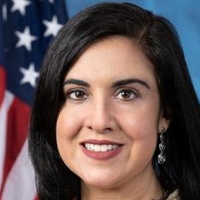
Nicole Malliotakis
Representative
NY
Nicole Malliotakis
Representative
NY
This act officially establishes the Smithsonian American Women’s History Museum and designates its location on the National Mall, requiring the transfer of land jurisdiction to the Smithsonian Institution. The museum is mandated to preserve and present the history and achievements of biological women in the United States. Furthermore, the legislation requires that exhibits and programs reflect diverse political viewpoints and authentic experiences of women, as guided by a broad array of knowledgeable sources.
This bill reauthorizes the school-based health centers grant program with $55 million in annual funding from 2027 through 2031.
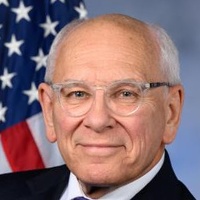
Paul Tonko
Representative
NY
Paul Tonko
Representative
NY
This bill amends the Public Health Service Act to reauthorize the school-based health centers grant program. It secures $55 million in annual funding for these centers from fiscal years 2027 through 2031 to support continued student access to essential health services.
This bill amends the Rehabilitation Act of 1973 to change the rules surrounding subminimum wage employment for adults with disabilities, including lowering the minimum age for eligibility and altering employer documentation requirements.
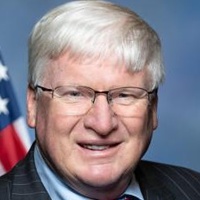
Glenn Grothman
Representative
WI
Glenn Grothman
Representative
WI
The Restoration of Employment Choice for Adults with Disabilities Act amends the Rehabilitation Act of 1973 regarding subminimum wage employment for individuals with disabilities. This bill changes the applicable age for subminimum wage employment from 24 and under to 18 and older. It also modifies employer requirements for providing counseling and documentation related to this employment status.
This Act establishes a temporary zero-interest loan program to help eligible, long-standing rural hospitals replace, improve, or renovate their facilities.
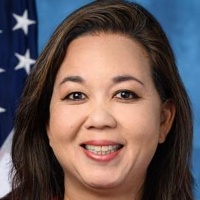
Jill Tokuda
Representative
HI
Jill Tokuda
Representative
HI
The Rural Hospital Revitalization Act of 2026 establishes a temporary, zero-interest loan program to help eligible, long-standing rural hospitals replace, improve, or renovate their facilities. Loans prioritize hospitals serving the most remote and underserved populations, offering a five-year interest-free period with potential renewals based on financial need and community impact. Following the initial period, loans are refinanced under standard terms unless the hospital remains financially vulnerable, in which case further interest-free extensions or technical assistance are provided.
This bill modifies FDIC rules to adjust the threshold for reciprocal deposits not considered brokered funds for qualifying agent institutions and mandates a study on reciprocal deposit usage and risk.
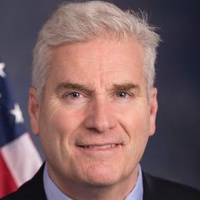
Tom Emmer
Representative
MN
Tom Emmer
Representative
MN
The Keeping Deposits Local Act amends federal law to adjust how reciprocal deposits are treated for institutions, potentially encouraging local deposit retention. It modifies the definition of an "agent institution" based on its financial health rating. Furthermore, the bill mandates a study by the FDIC on the performance, usage, and risks associated with reciprocal deposits.
This bill expands the Job Corps program to train disadvantaged youth, veterans, and dislocated workers in skilled trades critical to strengthening the national defense industrial base.
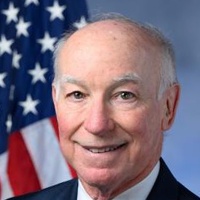
Joe Courtney
Representative
CT
Joe Courtney
Representative
CT
This act strengthens national defense by expanding the Job Corps program to train disadvantaged youth and veterans for critical roles in the defense industrial base. It establishes a Defense Skilled Trades Pipeline Program to provide vocational training in areas like welding, machining, and cybersecurity. The legislation authorizes significant funding to develop these specialized programs in coordination with defense contractors and the Department of Defense.